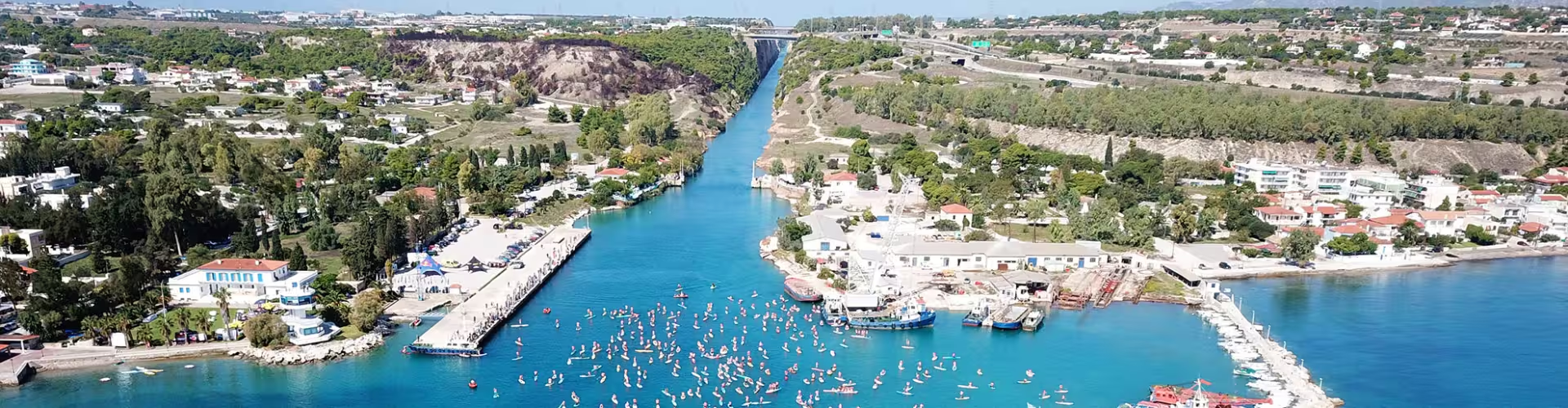


Corinth is a compact, history rich stop in the northeastern Peloponnese where ancient stories, coastal light, and modern Greek everyday life meet. Its appeal is practical and atmospheric at the same time, you can pair landmark sightseeing with easy seaside breaks and local food without long transfers. Use this guide to plan a smooth visit with clear priorities, smart pacing, and day trip options across Corinthia.
Corinth feels like a crossroads, between mainland Greece and the Peloponnese, between archaeological depth and an easygoing coastal rhythm. Come for big history in a manageable footprint, then stay for sea views, simple tavernas, and the sense that you can see a lot without rushing. It is a strong choice when you want a high impact destination that fits neatly into a wider Greece itinerary.
Corinth sits in Corinthia in the northeastern Peloponnese, positioned near the narrow land bridge that connects the peninsula to mainland Greece. This location makes it a natural hub for travelers moving between Athens and Peloponnese highlights. The most common gateway hub is Athens and its wider transport network, then you continue overland toward Corinthia.
Plan your timing around the balance you prefer between comfortable sightseeing and a livelier atmosphere. Warmer months typically favor coastal time and longer daylight, while cooler periods tend to suit archaeology focused days and easier pacing. If avoiding crowds is a priority, aim for shoulder season travel and schedule major sites earlier in the day.
Greece uses the euro, so keep small cash on hand for quick purchases, tips, and smaller venues, while using cards where accepted. Set a daily budget based on your travel style, then allocate extra for guided experiences if you want deeper historical context. A practical approach is to carry a backup payment method and keep receipts for easier trip tracking.
Ancient Corinth
Why it matters, this is the anchor experience for understanding the city’s long role as a strategic and cultural crossroads in Greece. Walking through ruins helps you connect the landscape to the stories that shaped Corinthia and the wider Peloponnese. Practical tip, go early for softer light and a calmer atmosphere for photos and reading site signage.
Acrocorinth
Why it matters, the fortress above the area adds a dramatic layer to the destination, showing how geography shaped defense and power. The climb and views give you instant orientation, you can see how land routes and the coastline relate. Practical tip, wear sturdy shoes and bring water, the terrain can be uneven and exposed.
Corinth Canal viewpoints
Why it matters, this engineering landmark highlights Corinth’s role as a connector between seas and regions. Even a short stop can add a memorable visual moment to your itinerary. Practical tip, plan a brief photo stop when transiting between Athens and the Peloponnese to avoid extra detours.
Old Town stroll and local squares
Why it matters, time in everyday streets balances the big ticket history with contemporary Greek life. A slow walk is where you notice small cafés, local routines, and the pace of the city beyond the monuments. Practical tip, pause for a coffee and people watching, then continue on foot to keep the day flexible.
Seafront time near the Gulf
Why it matters, the coastal setting brings a relaxed counterpoint to inland sightseeing and makes the destination feel like more than an archaeological stop. Sea air and open horizons can reset your energy between visits. Practical tip, aim for late afternoon when the light turns golden and the temperature feels easier.
Local market style food shopping
Why it matters, browsing seasonal produce and pantry staples is one of the quickest ways to understand regional flavor. It also supports a budget friendly travel day, especially if you build a picnic. Practical tip, bring a reusable bag and pick up fruit, bread, and simple snacks for between site breaks.
Churches and small museums
Why it matters, smaller cultural stops fill in the timeline between ancient and modern Corinthia. They also provide shade and quiet when the day is warm. Practical tip, keep these as flexible add ons, they work well when you finish a major site earlier than expected.
Sunset viewpoint planning
Why it matters, Corinth’s landscapes reward a daily rhythm, history in the morning, sea and views later. A planned sunset stop makes the day feel complete and reduces the temptation to overschedule. Practical tip, decide your viewpoint in advance so you are not navigating at the last minute.
Start with Corinth’s headline history, visit Ancient Corinth early, then add a focused climb or drive up to Acrocorinth for panoramic context. Break for a simple lunch and a slow walk through local streets to shift from ruins to real life. Finish with a Corinth Canal viewpoint stop or a seafront sunset, depending on your route onward.
Day one, prioritize the archaeological core and the fortress viewpoint, then keep the evening easy with waterfront time. Day two, slow down and build in neighborhood wandering, markets, and smaller cultural stops, using café breaks as anchors. Day three, use Corinth as a base for nearby Corinthia day trips, then return for a final coastal walk to close the loop.
Greek salad
Taste profile, crisp vegetables, briny feta, and olive oil that carries the aroma. Ordering tip, ask for it as a shareable starter and pair it with bread to turn it into a light meal.
Souvlaki
Taste profile, grilled meat with smoky edges and a simple, satisfying bite. Ordering tip, choose pita style for an on the go lunch between sites.
Gyros
Taste profile, savory slices with herbs and a richer finish, often balanced by tomato and onion. Ordering tip, order it when you need speed, it is a practical choice on travel days.
Grilled seafood
Taste profile, clean, sea forward flavor with lemon and olive oil. Ordering tip, ask what is freshest that day and keep sides simple.
Meze plates
Taste profile, a mix of salty, tangy, and herbal bites that encourage slow dining. Ordering tip, order several small plates to sample broadly and control your budget.
Baklava
Taste profile, sweet, nutty layers with syrup richness. Ordering tip, share one portion if you have had a big meal, it can be very filling.
Corinth is easiest when you combine walking for central areas with short rides for viewpoints and farther sites. Plan your day in clusters, do one main historical zone, then one coastal or city zone, to reduce backtracking. If you are driving, build in time for parking and choose comfortable footwear for uneven surfaces around archaeological areas. For general safety and comfort, carry water, use sun protection in warmer periods, and keep an eye on footing on stone paths.
Nafplio
Reason to visit, a scenic coastal town experience with strong atmosphere and photogenic streets. Travel time, plan it as a day trip by road from Corinthia depending on traffic and stops.
Mycenae
Reason to visit, a major archaeological complement that deepens your understanding of ancient Greece beyond a single site. Travel time, reachable by road as part of a wider Peloponnese loop.
Epidaurus
Reason to visit, an iconic ancient theater experience that pairs well with other historic stops. Travel time, typically done by road, often combined with Mycenae or Nafplio.
Loutraki
Reason to visit, an easy coastal reset with a resort like feel close to Corinth. Travel time, short road transfer, ideal when you want sea time without a long journey.
Athens
Reason to visit, the major hub for flights, museums, and headline landmarks, making it a natural bookend to a Corinthia itinerary. Travel time, plan an overland transfer and consider timing to avoid peak congestion.
One day covers the main highlights at a brisk pace, especially if you focus on one major historic site plus a viewpoint. Two to three days allows slower meals, coastal time, and day trips in Corinthia.
Yes, its position in northeastern Peloponnese makes it practical for road based day trips. You can combine archaeological sites and coastal towns without constantly changing hotels.
Morning is often the most comfortable for walking and for clearer photos. It also helps you keep the rest of the day open for the fortress, the canal viewpoint, or the seafront.
Corinth can be explored on foot in central areas, but a car or short rides make it easier to reach viewpoints and spread out sites. If you drive, plan your day in clusters to reduce parking stress.
Yes, Corinth pairs naturally with Athens because Athens is a major transport hub for arrivals and departures. Many travelers link them as part of a wider Peloponnese route.