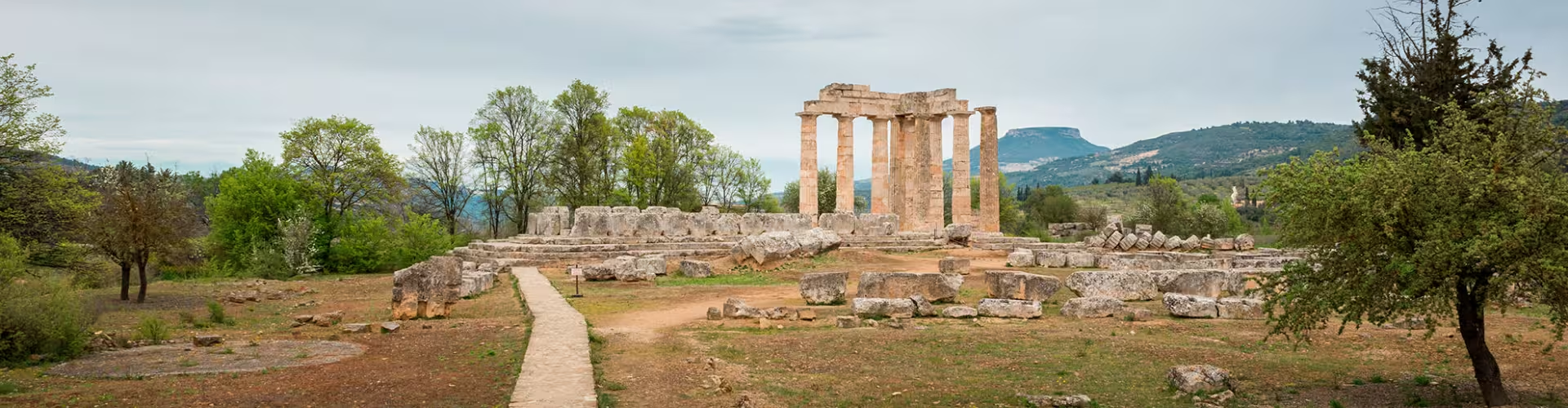
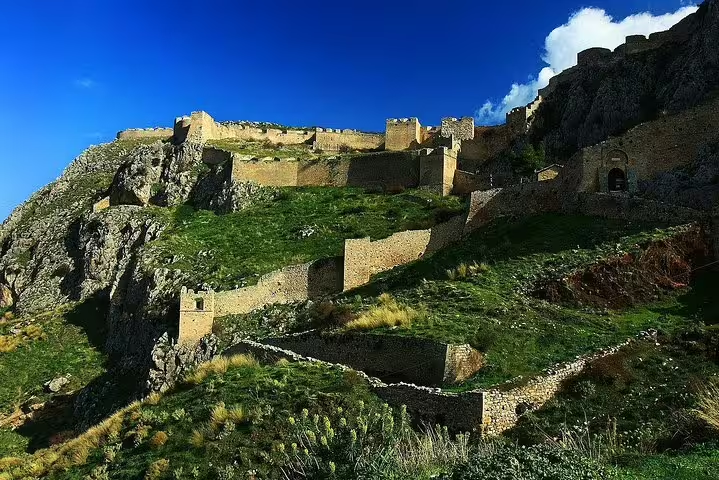
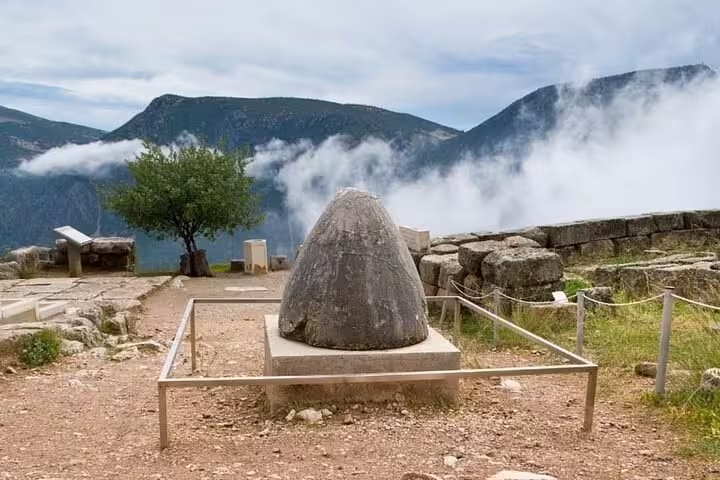
Corinthia is a region that rewards travelers who like their Greece with variety, ancient layers, coastal light, mountain air, and food culture that feels proudly local. It is an easy add-on to a Peloponnese road trip, but it also works as a standalone base for beaches, archaeological sites, and village-to-vineyard days. Use this guide to plan routes, choose the right season, and build an itinerary that balances headline sights with slower, more atmospheric moments.
Corinthia blends classical heritage with outdoorsy scenery, where sea views and rugged hills sit close enough for day-to-day flexibility. The signature vibe is “choose your pace”, you can do a big archaeological morning, a seaside lunch, then end with a mountain sunset. Go now if you want a destination that can feel both accessible and under the radar, especially when you plan around peak crowd hours and focus on early starts.
Corinthia sits in the northeastern Peloponnese, acting as a natural gateway between mainland Greece and the peninsula. It is commonly approached via Athens and the wider Attica transport network, then continued onward by road toward the Peloponnese. If you are building a broader itinerary, it also connects well with nearby regions for day trips and multi-stop loops.
For most travelers, the most comfortable rhythm is in the shoulder seasons, when daylight is generous and you can explore without the heaviest midday heat. Summer typically brings the strongest beach energy and the busiest roads near popular coastal stretches. Cooler months can suit travelers who prioritize archaeology, scenic drives, and food-focused stops, with a quieter feel in smaller towns.
Greece uses the euro, and in Corinthia you can expect a mix of card-friendly businesses and cash-preferred small spots, especially in villages and family-run tavernas. Carry small bills for quick purchases and tips, and keep a buffer for parking, snacks, and spontaneous roadside stops. If you are driving, budget for fuel and the occasional toll on major routes, and treat a good map app as a planning essential.
Note: This list focuses on high-impact experiences and practical planning. It is designed to support different travel styles, culture-first, outdoors, or a balanced mix, while keeping your days realistic.
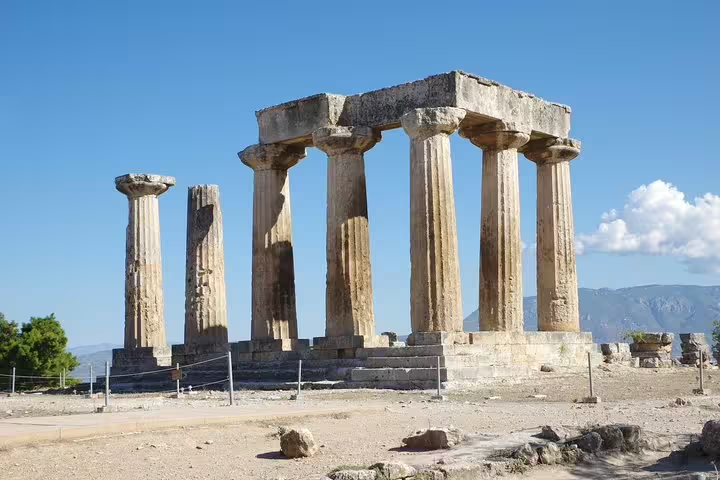
Explore Ancient Corinth
Why it matters: This is one of the most resonant archaeological areas in the region, where you can connect big-picture Greek history with a landscape that still feels lived-in. The site experience is strongest when you slow down and notice how the terrain shapes the story. Practical tip: Go early for softer light and a calmer walk, and bring water if you are visiting in warmer months.
Stand at the Corinth Canal Viewpoints
Why it matters: The canal is a quick, dramatic stop that instantly explains why this area has long been strategic. It is also a useful “reset point” between Athens-side travel and deeper Peloponnese exploration. Practical tip: Treat it as a short visit paired with another stop, and plan for brief photo breaks rather than a long linger.
Coastal Time on the Gulf of Corinth
Why it matters: The coastline delivers easygoing beach hours and waterfront dining, often with a calmer atmosphere than more famous island hubs. It is ideal for travelers who want sea views without overcommitting to a full beach holiday. Practical tip: Aim for a late-afternoon swim, then stay for sunset and an unhurried dinner.
Mountain Villages and Scenic Drives
Why it matters: Inland Corinthia shifts quickly into higher elevations and a different mood, cooler air, pine scents, and viewpoints that make the region feel larger than expected. Villages can be the highlight when you want authenticity and a slower pace. Practical tip: Pack a light layer even in warmer seasons, and start earlier to enjoy the drive before midday glare.
Wine and Vineyard Culture
Why it matters: The Peloponnese has a strong wine identity, and this area can be a rewarding place to taste and learn in a relaxed setting. Wine experiences also pair well with village lunches and scenic routes. Practical tip: If you plan tastings, keep driving safety in mind, choose a designated driver, or space visits across different days.
Seaside Promenades and Café Hours
Why it matters: Greek travel is not only about “doing sights”, it is also about the rhythm of coffee, people-watching, and long conversations. Coastal towns in Corinthia make this easy, especially when you build in downtime between bigger stops. Practical tip: Sit where locals sit, order something simple, and give yourself permission to stay longer than planned.
Local Markets and Food Shopping
Why it matters: Markets reveal what a place actually eats, seasonal produce, olives, cheeses, and the small staples that shape daily life. They also help you build budget-friendly meals if you have a kitchen. Practical tip: Bring a reusable bag and buy picnic items for a scenic stop rather than another quick roadside snack.
Short Hikes and Viewpoint Walks
Why it matters: Even a modest walk can change how you understand the landscape, especially where sea and mountains sit close together. Viewpoint stops add a nature element without requiring a full trekking plan. Practical tip: Wear grippy shoes and avoid the hottest midday hours in summer.
Start with an early archaeological visit to Ancient Corinth to beat the heat and crowds, then transition into a quick stop at the Corinth Canal viewpoints for a visual “wow” moment. Continue to the coast for a long lunch and a swim break, keeping the afternoon flexible for a promenade stroll or a café stop. If you still have energy, finish with a short inland drive to catch golden-hour views before dinner.
Day 1 focuses on the classics, archaeology in the morning, canal stop, then coastal downtime with a relaxed dinner. Day 2 shifts inland for mountain villages, scenic roads, and a longer meal that leans into local produce and regional cooking, with optional wine culture if it fits your style. Day 3 is for choosing your own theme, a slower beach day, a second heritage stop, or a loop that prioritizes viewpoints and short walks, depending on weather and energy.
Greek Salad (Horiatiki)
Taste profile: Crisp vegetables, briny olives, and creamy feta, finished with olive oil and oregano. Ordering tip: Ask for it to be served “traditional” and share it as a starter with bread.
Grilled Fish and Seafood
Taste profile: Clean, simple flavors that rely on freshness, lemon, and olive oil. Ordering tip: If you are by the water, choose what looks seasonal and keep sides simple.
Souvlaki and Gyros
Taste profile: Savory, satisfying, and ideal for quick lunches between stops. Ordering tip: If you need something portable, ask for it “to go” and pair it with a drink and fruit from a market.
Moussaka
Taste profile: Rich baked layers with a comforting, home-style feel. Ordering tip: It is often best as a main dish when you want a slower meal, especially after a long drive.
Meze Plates
Taste profile: A spread of small bites that can range from creamy dips to grilled vegetables and cheeses. Ordering tip: Order two or three dishes per person for a full meal, and let the table share.
Local Wine
Taste profile: Often food-friendly and easy to pair with grilled dishes and meze. Ordering tip: Ask for a local option by the glass if you want to taste without committing to a bottle.
Getting around Corinthia is easiest with a car if you want to combine coast, inland villages, and multiple stops in one trip. Walking works well within individual towns and waterfront areas, especially for promenades, cafés, and relaxed evenings. Public transport can connect larger hubs, but a self-drive plan gives you the most flexibility for viewpoints, short hikes, and spontaneous food stops.
For safety and comfort, keep water in the car, use sun protection in warmer months, and plan breaks on longer drives. If you are traveling with mobility considerations, prioritize coastal promenades and viewpoints with easy access, and research terrain expectations for archaeological areas and village streets.
Athens
Travel time: Often feasible as a day trip depending on your base and traffic. Why go: Big museums, landmark neighborhoods, and major transport links for onward travel.
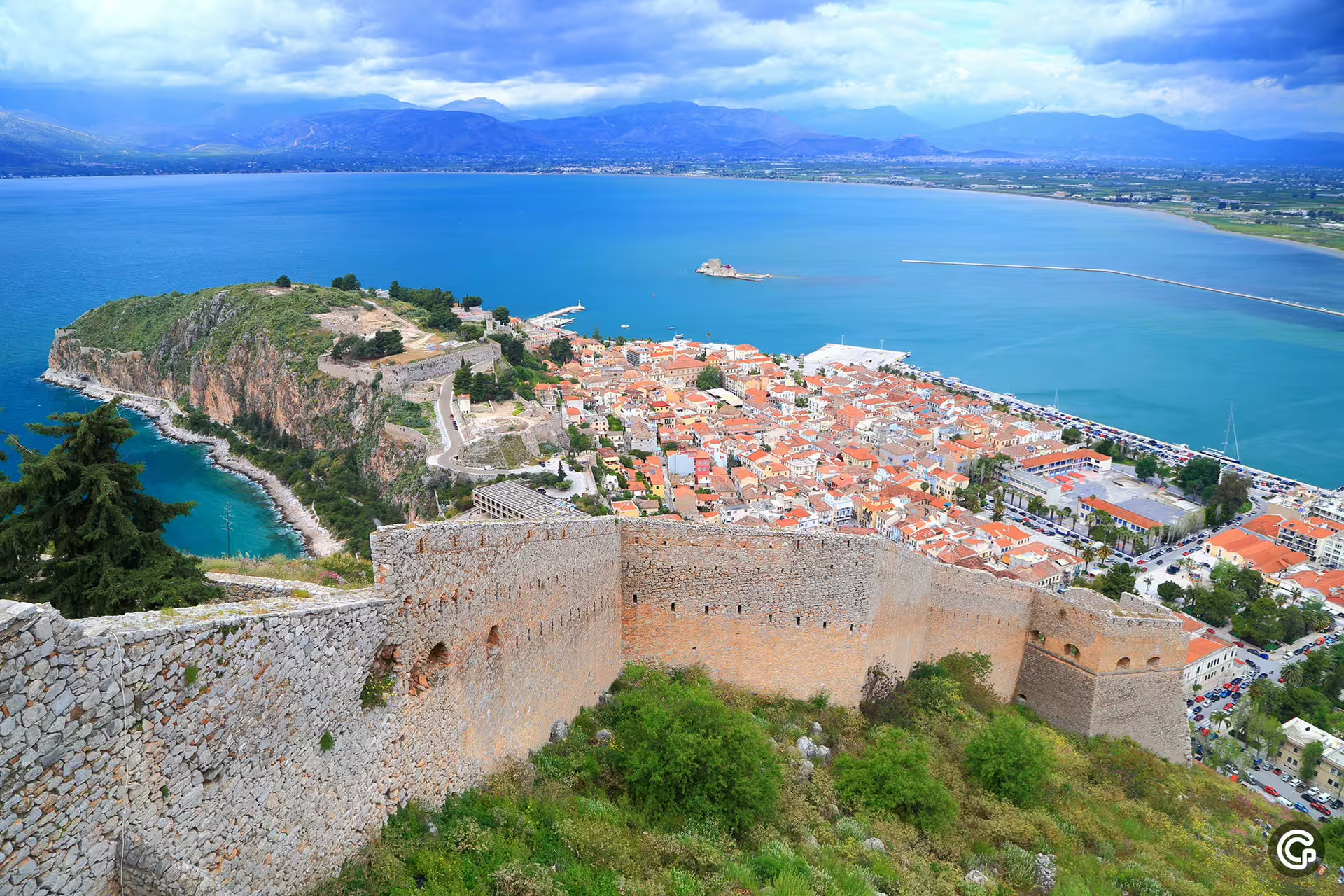
Nafplio
Travel time: Commonly approached as a full-day outing from northeastern Peloponnese bases. Why go: A romantic old town atmosphere and an easy mix of strolling, views, and dining.
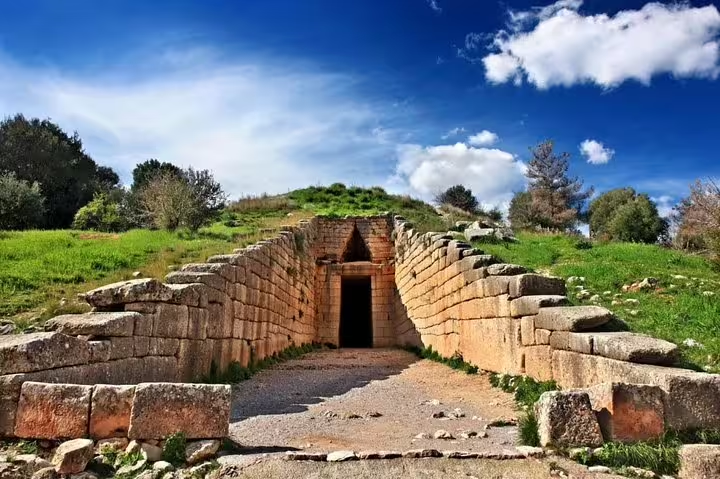
Mycenae
Travel time: Typically paired with other Argolid stops. Why go: A powerful ancient site that deepens your understanding of pre-classical Greece.
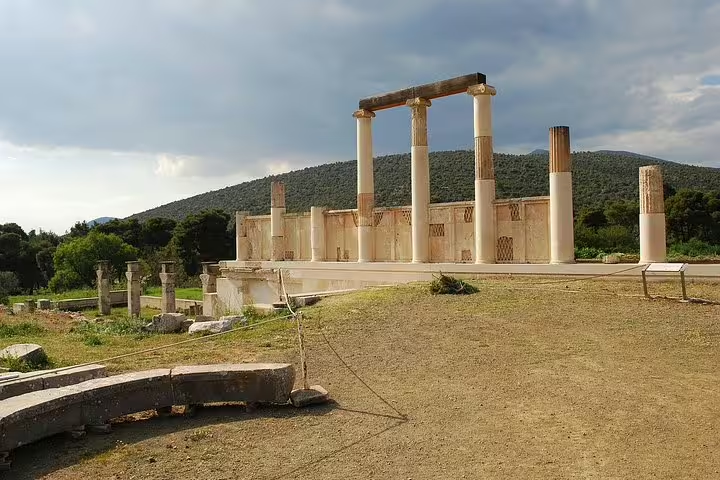
Epidaurus
Travel time: Often combined with Nafplio or Mycenae. Why go: A renowned ancient theater setting that connects culture with landscape.
Loutraki
Travel time: Short and convenient from many points in the region. Why go: A straightforward seaside break, ideal for a swim-and-lunch day.
Is Corinthia better as a day trip or an overnight stay?
It works both ways, depending on your pace and interests. An overnight stay helps you combine archaeology, coastline time, and inland villages without rushing.
Do I need a car to explore the region?
A car is the easiest way to link coastal towns, viewpoints, and mountain villages efficiently. If you stay mostly in one town, you can rely more on walking and occasional local transport.
When is the best time to visit Corinthia for fewer crowds?
Shoulder seasons are typically calmer while still offering comfortable conditions for sightseeing. In summer, early mornings and later afternoons help you avoid peak crowd hours.
What should I pack for a trip that includes coast and mountains?
Bring sun protection and breathable clothing for the coast, plus a light layer for evenings and higher elevations. Comfortable shoes help for archaeological paths and village streets.
How do I structure my days to see the highlights without feeling rushed?
Choose one major sight each day, then add two or three flexible stops like a viewpoint, a café break, or a beach hour. This approach keeps your schedule resilient if traffic, heat, or long lunches slow things down.