logo-imgwhitelogo
Location
  • About
  • Terms and Conditions
  • Contact us
    clickIconcloseIcon
    logo-imgwhitelogowhitelogo
      clickIconcloseIcon
      • About
      • Terms and Conditions
      • Contact us
      Location

        Lavrio

          Explore Tours

          Luxury Mercedes private transfer vehicles for Athens Airport to Lavrio Port arrival pickup and drop-off

           Athens, Greece

          Private Transfer Athens Airport to Lavrio Port

          Skip the queues and the guesswork — your private driver is already waiting. Reach Lavrio Port relaxed and on time, every time.

            Check Availability
          From € 18.50
          Athens International Airport terminal exterior for private transfer to Lavrio port or Athens hotel pickup

           Athens, Greece

          Private Transfer Athens Airport to Lavrio Port or Hotels

          Skip the stress of public transport and arrive at Lavrio port or your hotel in comfort — your private driver is already tracking your flight.

            Check Availability
          From € 15.60
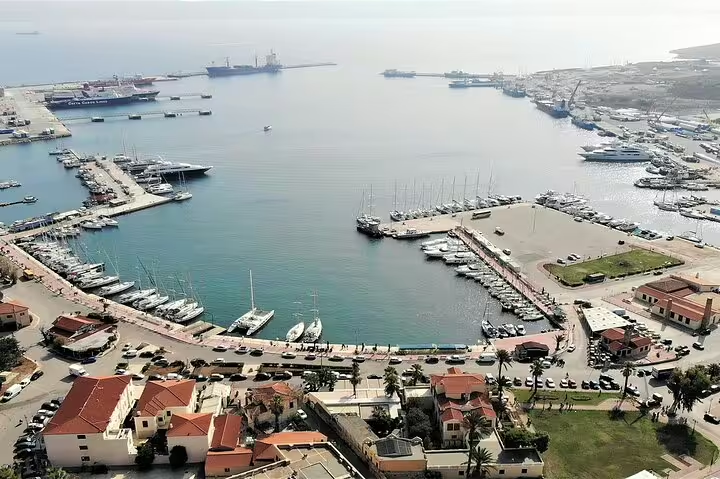
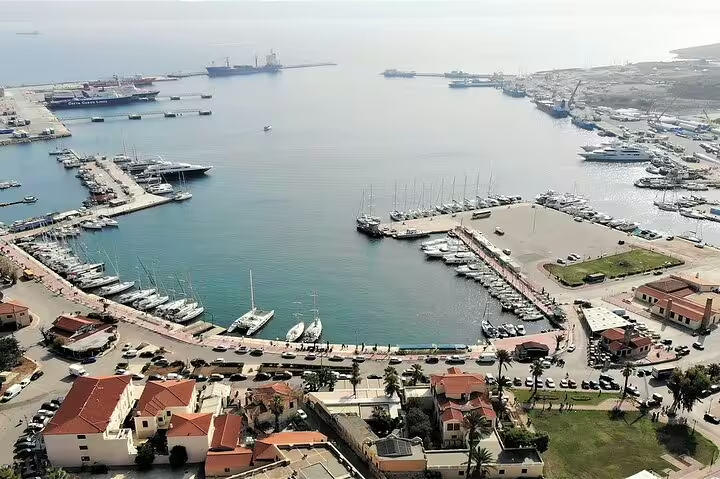
          Aerial view of Lavrio port marina, pickup point for private transfer from Lavrio to Athens airport

           Lavrio, Greece

          Private Transfer from Lavrio Port to Athens Airport

          Skip the stress and go straight from Lavrio port or your hotel to Athens Airport in a private, chauffeur-driven vehicle — fast, reliable, and exclusively yours.

            Check Availability
          From € 15.60
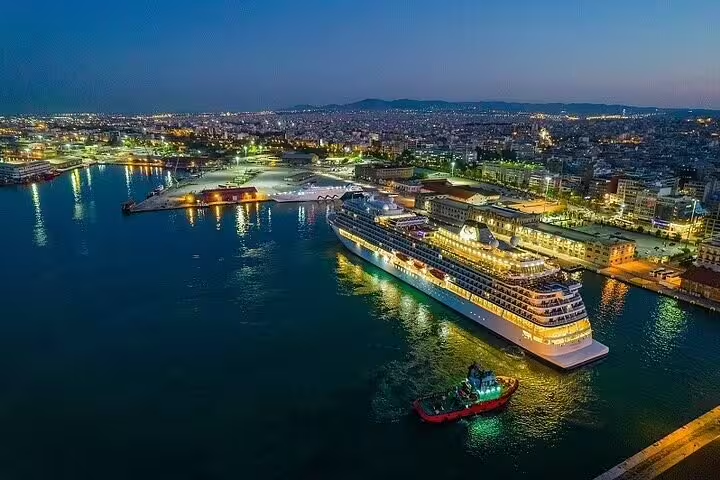
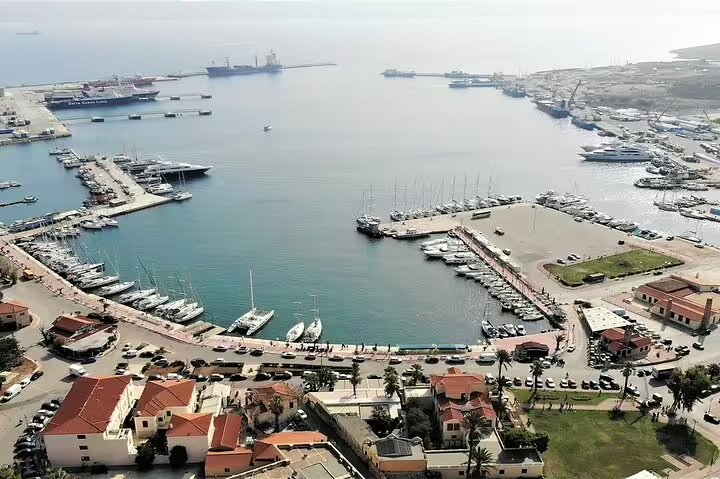
          Aerial view of Lavrio Port marina and docks, ideal for private arrival transfer to Athens hotels in Greece

           Lavrio, Greece

          Lavrio Port to Athens Private Arrival Transfer Service

          Skip the stress of shared shuttles and arrive in Athens in comfort. Your private chauffeur is waiting the moment you step off at Lavrio port.

            Check Availability
          From € 15.60
          Executive Mercedes taxi cars for Lavrio Port to Athens Airport private departure transfer, comfortable luggage ride

           Lavrio, Greece

          Private Transfer from Lavrio Port to Athens Airport

          Skip the taxi queue and the travel anxiety — your private, door-to-departure ride from Lavrio Port to Athens Airport is already waiting. Book once, arrive relaxed.

            Check Availability
          From € 18.50
          Luxury private transfer from Athens city center to Lavrio Port with premium Mercedes taxis parked outdoors

           Athens, Greece

          Private Transfer from Athens City Center to Lavrio Port

          Skip the stress and start your Greek island adventure right — your private driver is ready to take you from Athens to Lavrio Port in comfort and on time.

            Check Availability
          From € 20.00
          logoBlack

          Build your dream
          experience

          dreamimg

          More to know about Lavrio

          Attica Coast, Greece

          Lavrio: Gateway to the Aegean and Ancient Silver Coast

          A working port town where ancient mining history, island ferries, and authentic Greek coastal life converge.

          Published byToursXplorer Editorial TeamTXDATE

          Lavrio sits at the southeastern tip of Attica, a port town that once powered the Athenian navy with silver and today serves as a quiet yet essential hub for travelers heading to the Cyclades and beyond. Unlike the polished resorts of the Saronic Gulf, this town rewards visitors with unpretentious waterfront tavernas, a remarkable archaeological museum, and the raw character of a functioning Greek harbor. It is a place where history and practicality meet the open sea.

          Lavrio Geography and Logistics

          Orientation
          The town occupies the southeastern corner of the Attica Peninsula, roughly 60 kilometers from central Athens. The port area forms the commercial and social heart of town, with the archaeological museum, main square, and ferry terminals all within easy walking distance. The surrounding landscape is hilly and semi-arid, dotted with remnants of ancient mining infrastructure that once made this region the wealthiest in the Greek world.
          When to Go
          Spring (April to June) and early autumn (September to October) offer the most comfortable conditions, with mild temperatures and fewer crowds than the peak summer months. July and August bring intense heat and a surge of ferry traffic as Greek islanders and tourists pass through en route to Kea, Kythnos, and other Cycladic destinations. Winter is quiet, with most tavernas and cafes still operating for locals, giving the town an authentic off-season character.
          Budget and Currency
          Greece uses the Euro (EUR), and Lavrio is noticeably more affordable than Athens or popular island destinations. A full meal at a waterfront taverna typically costs 12 to 20 EUR per person, and accommodation options range from budget guesthouses to modest mid-range hotels. ATMs are available near the port, though carrying some cash is advisable for smaller cafes and local markets.

          Essential Things to Do

          Archaeological Museum of Laurion
          This compact but well-curated museum traces the extraordinary history of silver mining in ancient Laurion, which funded Athens's golden age and the fleet that defeated Persia at Salamis. Exhibits include tools, ore samples, coins, and scale models of the labyrinthine mine shafts that honeycomb the surrounding hills. The collection contextualizes the region's outsized role in classical Greek civilization. Practical Tip: Visit on a weekday morning to avoid school groups and enjoy a quieter experience with the exhibits.
          Ancient Silver Mines of Thorikos
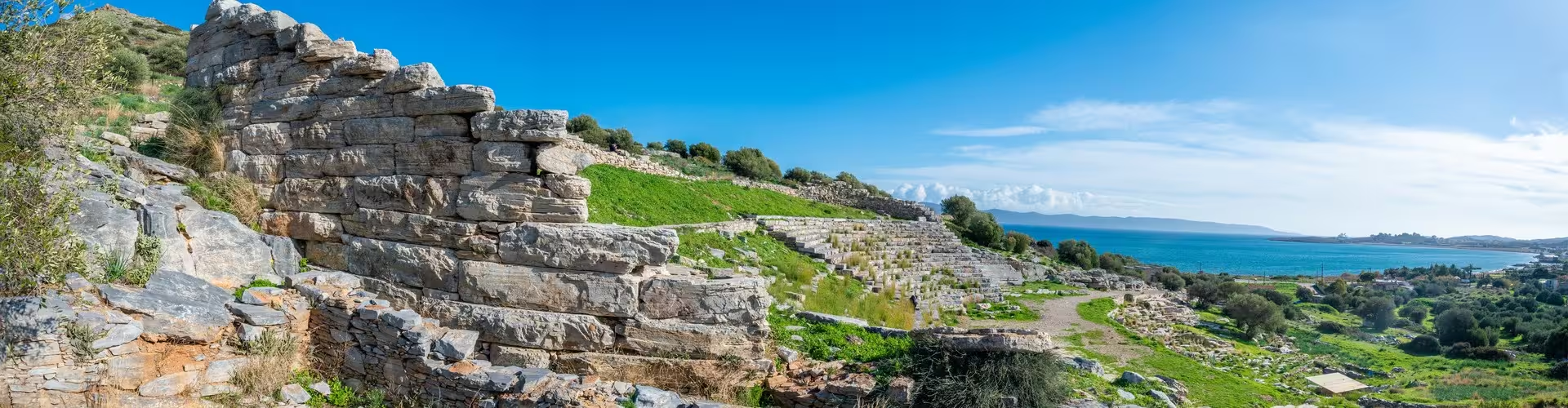
          The ancient mines of Laurion are among the most significant industrial archaeological sites in the Mediterranean world, with tunnels, washeries, and processing areas dating back to the fifth century BCE. The Thorikos site nearby also features one of the oldest theaters in Greece, an oval-shaped structure predating the canonical Athenian design. Guided tours are periodically available and add essential context to what can otherwise seem like rough stone remains. Practical Tip: Wear sturdy shoes and bring water, as the terrain is uneven and there is little shade at the open-air sections of the site.
          Waterfront Promenade and Port
          The port esplanade is the social centerpiece of the town, lined with cafes, seafood restaurants, and benches where locals gather in the evenings. Watching the large ferry vessels depart for the Cyclades at sunset is a quietly dramatic experience that captures the town's dual identity as both a historical site and a living port. The atmosphere is relaxed and entirely unperformed, a genuine slice of provincial Greek coastal life. Practical Tip: The evening volta, or promenade walk, typically starts around 7 PM and is the best time to observe local life and find a good table at a taverna.
          French Mining Company Facilities (SGMS)
          In the 19th century, the Societe Generale des Mines established industrial operations here to re-process ancient slag heaps for residual metals, leaving behind a striking collection of neoclassical and industrial buildings. Several of these structures have been repurposed as cultural spaces, including exhibition halls and a small technical museum. The blend of ancient history and 19th-century industrial heritage gives the area a layered, unexpected architectural character. Practical Tip: Check local listings before visiting, as opening hours for the converted cultural spaces can vary seasonally.
          Beaches of Cape Sounion Corridor
          The coastline south of town toward Cape Sounion includes several quiet coves and pebble beaches that are far less crowded than those near Athens. Legrena and Agios Konstantinos beaches are popular with locals and offer clear Aegean water without the infrastructure, or the prices, of resort beaches. The drive along this coastal road is itself scenic, with views across the sea toward the Cyclades on clear days. Practical Tip: Bring your own supplies, as facilities at the smaller coves are minimal, especially outside of July and August.
          Cape Sounion and Temple of Poseidon
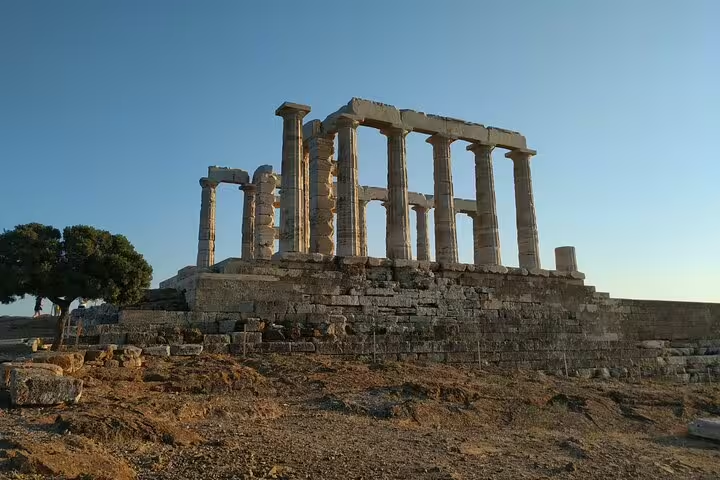
          Just 10 kilometers north along the coast, the Temple of Poseidon at Cape Sounion is one of the most dramatically situated ancient monuments in Greece, perched on a cliff above the Aegean. The site is well preserved and the views at sunset are genuinely spectacular, making it one of the most visited ancient sites in Attica. Lord Byron famously carved his name into one of the columns, a detail that still prompts much visitor curiosity. Practical Tip: Arrive at least an hour before sunset to secure a good vantage point, as the site becomes very busy in summer evenings.

          Curated Itineraries

          The Highlights: 1 Day

          1
          Morning: Archaeological Museum of Laurion

          Begin the day at the museum to establish historical context for everything you will see in the surrounding landscape. Allow 60 to 90 minutes for a thorough visit before the midday heat sets in.

          2
          Late Morning: Ancient Mines and Thorikos Site

          Drive or take a local bus to the ancient mining area and the Thorikos theater. The oval theater is a short walk from the main road and offers a genuinely rare glimpse of pre-classical Greek architecture.

          3
          Midday: Waterfront Lunch

          Return to the port promenade for a seafood lunch at one of the established tavernas. Fresh grilled fish and mezedes are the local staples and represent excellent value compared to island prices.

          4
          Afternoon: SGMS Industrial Heritage Walk

          Explore the 19th-century French mining company buildings on foot. The architecture is an unusual mix of neoclassical and industrial styles that photography enthusiasts will find particularly rewarding.

          5
          Evening: Cape Sounion Sunset

          Drive north to the Temple of Poseidon for sunset. The combination of ancient marble columns and open sea views makes this one of the most memorable moments in all of Attica.

          Deep Dive: 2 to 3 Days

          1
          Day 1: Full Historical Immersion

          Follow the 1-day itinerary in full, taking extra time at the mines for a guided tour if one is available. Spend the evening at the port watching the ferries and dining at a waterfront restaurant.

          2
          Day 2 Morning: Day Ferry to Kea

          Take an early morning ferry to the island of Kea (Tzia), the closest Cycladic island and accessible within an hour. The island is quiet, green by island standards, and has excellent hiking trails and beaches.

          3
          Day 2 Afternoon: Kea Villages and Return

          Explore the hilltop capital Ioulis and its Venetian towers before catching an afternoon ferry back. The round trip offers a genuine island experience without an overnight commitment.

          4
          Day 3 Morning: Coastal Beaches

          Spend the final morning at the quieter coves south of town toward Legrena. These beaches are ideal for swimming and snorkeling in clean Aegean water away from tourist infrastructure.

          5
          Day 3 Afternoon: Departure via Attica Route

          Drive back toward Athens along the coastal road, stopping at the village of Keratea or the Brauron Archaeological Museum if time allows. The return journey offers additional layers of Attic history and landscape.

          Flavors of Lavrio

          Local Dishes

          • Grilled Octopus: A staple of any Aegean waterfront, typically dried in the sun and charcoal-grilled, served with lemon and olive oil.
          • Fresh Fish of the Day: Local tavernas receive daily catches from small fishing boats; red mullet and sea bream are seasonal highlights.
          • Kakavia: A traditional Greek fisherman's soup made with whatever fish and vegetables are available, hearty and deeply flavored.
          • Horiatiki Salad: The classic village salad of tomatoes, cucumber, olives, and feta is served throughout Greece but is particularly fresh at port-side restaurants near local produce markets.
          • Revithada: A slow-cooked chickpea dish with origins in island cooking, occasionally found on menus in this part of Attica.
          • Tiropita: Flaky phyllo pastry filled with salty feta cheese, available from local bakeries as an affordable and satisfying breakfast.

          Drinks and Ordering Tips

          • Retsina: The pine-resin-flavored white wine is an acquired taste but pairs surprisingly well with grilled seafood and is very affordable by the carafe.
          • Ouzo: The anise-flavored spirit is traditionally served with small mezedes and ice water; drinking it straight is generally considered a tourist approach.
          • Greek Coffee: Ordered as "elliniko," it arrives in a small cup with grounds in the bottom; specify "sketo" (unsweetened), "metrio" (medium), or "glyko" (sweet).
          • Frappe: Cold instant coffee whipped into a foam is ubiquitous and beloved; it is the default summer coffee order at any cafe.
          • Local Craft Beer: A small but growing number of Greek microbreweries have reached local menus; ask the server what is available on tap.
          • Tap Water: Safe to drink throughout Attica; asking for a glass of tap water alongside your meal is entirely normal and expected.

          Navigation and Transport

          From Athens, the most convenient option is the KTEL Lavriou bus service, which departs from the Pedion Areos terminal near Victoria Metro Station and takes approximately 90 minutes depending on traffic. The service runs regularly throughout the day and is inexpensive, making it accessible for travelers without a car. For those combining the visit with Cape Sounion, some KTEL routes run along the coastal road, offering scenic views en route.

          Renting a car in Athens gives travelers the most flexibility, particularly for exploring the mining sites, surrounding coves, and Cape Sounion at a personal pace. Parking near the port is generally available and straightforward outside of peak summer weekends. The road network in this part of Attica is well maintained and driving distances between key sites are short.

          Within the town itself, everything of interest is walkable from the port area. Taxis are available but rarely necessary given the compact layout. For ferry connections to Kea and Kythnos, tickets can be purchased directly at the port offices or booked online through the Hellenic Seaways and Golden Star Ferries websites.

          Beyond the Center: Day Trips

          Kea (Tzia) Island: The closest Cycladic island is reachable by ferry in under an hour and offers hiking trails, unspoiled beaches, and the ancient Lion of Kea carved into the hillside above Ioulis.

          Cape Sounion: The Temple of Poseidon, perched on a dramatic headland 10 kilometers to the north, is one of the most photographed ancient monuments in Greece and a must for any visitor to southern Attica.

          Brauron Archaeological Site: Located roughly 25 kilometers north along the coast, this sanctuary dedicated to the goddess Artemis features a well-preserved stoa and an excellent on-site museum with artifacts from the ancient cult.

          Keratea Village: A quiet inland village in the hills above the coast, Keratea offers a glimpse of rural Attic life away from the port towns, with local cafes and a traditional market square.

          Insider Tips for Travellers

          Book ferry tickets to Kea in advance during July and August, as departures fill quickly with Athenians heading to the islands for the weekend.

          The town is quieter and more authentic in the shoulder seasons; visiting in May or October means shorter queues, lower accommodation prices, and cooler walking conditions at the open-air archaeological sites.

          The SGMS industrial heritage buildings photograph exceptionally well in the early morning light before the sun climbs too high; bring a wide-angle lens if possible for the larger structures.

          The local Saturday morning market near the town center sells fresh produce, olives, honey, and local cheeses at prices well below what you would pay in Athens or at island tourist shops.

          The archaeological sites around the mining area are spread out and not always clearly signposted; downloading an offline map or joining a guided excursion from Athens will help you navigate the terrain more efficiently.

          Frequently Asked Questions

          How do I get from Athens to Lavrio by public transport?▼
          Take the KTEL Lavriou bus from the Pedion Areos terminal in Athens, located near Victoria Metro Station on Line 1. The journey takes approximately 90 minutes and buses run regularly throughout the day.
          Which islands can I reach by ferry from this port?▼
          Regular ferry services connect the port to Kea (Tzia) and Kythnos in the Cyclades. Kea is the most frequent route, with multiple daily departures during summer, and the crossing takes approximately 55 minutes.
          Is the archaeological museum worth visiting?▼
          Yes, the Archaeological Museum of Laurion is considered one of the better specialized museums in Attica, with exhibits covering ancient silver mining, coinage, and the social history of the miners who worked the region. It provides essential context for visiting the outdoor sites.
          Are the ancient mines open to the public?▼
          Parts of the ancient mining landscape, including surface washeries and processing areas, are accessible to the public. The Thorikos site with its ancient theater is also open, though hours can vary by season and it is advisable to check with the local municipality or tourism office before visiting.
          What is the best time of year to visit?▼
          Late spring (May to early June) and early autumn (September to October) offer the most comfortable combination of mild weather, manageable crowds, and full ferry schedules. Summer is busy due to ferry traffic but the beaches and evening atmosphere are at their liveliest.
          LavrioAttica GreeceGreek port townAncient minesCape SounionFerry to KeaLaurion archaeologyAthens day tripTemple of PoseidonGreek coastCyclades ferrySouthern Attica
          Last updated: 2025 | Destination: Lavrio
          Lavrio is a coastal town in the southeastern Attica Peninsula of Greece, historically known as Laurion for its ancient silver mines that financed Athens's classical golden age. Today it serves as a regional ferry hub connecting mainland Attica to the western Cyclades, including Kea and Kythnos, while retaining an authentic, unhurried character distinct from the commercialized resort towns of the Saronic Gulf.
          Lavrio | Attica Peninsula | Greece | Aegean Coast | Ferry Hub | Ancient Mining Heritage | Athens Day Trip Destination