


Trier is Germany’s oldest city, a compact riverside destination where Roman monuments, medieval squares, and wine culture fit into an easy, walkable break. This guide helps you plan what to see, how to get around, and how to build a one day or multi day itinerary that balances headline sights with slower local moments. Expect UNESCO listed heritage, Moselle valley scenery, and a city center that rewards early starts and unhurried evenings.
Trier feels like a living timeline, Roman stonework and cathedral spires set against café terraces and wine bars. Go for big history in a small footprint, with the Moselle nearby for vineyard views and day trip variety. It is especially appealing when you want a European city break that is cultural, scenic, and simple to navigate without a car.
Trier sits in western Germany in the state of Rhineland Palatinate, close to the Luxembourg border and within reach of the Moselle Valley. This borderland position makes it a smart base if you want to combine Germany with a quick hop into Luxembourg. Typical gateway hubs for the region include Luxembourg Airport and Frankfurt Airport, with onward rail connections that make a car optional for a city focused trip.
For sightseeing, shoulder seasons are often the easiest for pacing, with comfortable walking conditions and fewer bottlenecks at major monuments. Summer generally brings the liveliest atmosphere and the biggest crowds, especially around the most famous Roman landmarks. Winter can feel quieter and more local, with shorter daylight hours that encourage a tighter plan and earlier starts.
Germany uses the euro, and Trier is typically manageable on a mid range city break budget, especially if you prioritize walking and choose set menus or daily specials where available. Cards are widely accepted, but it is still practical to carry some cash for small purchases, market snacks, or smaller cafés. If you are day tripping across the border, keep a small buffer for transport and incidental costs, even when the distance looks short on a map.
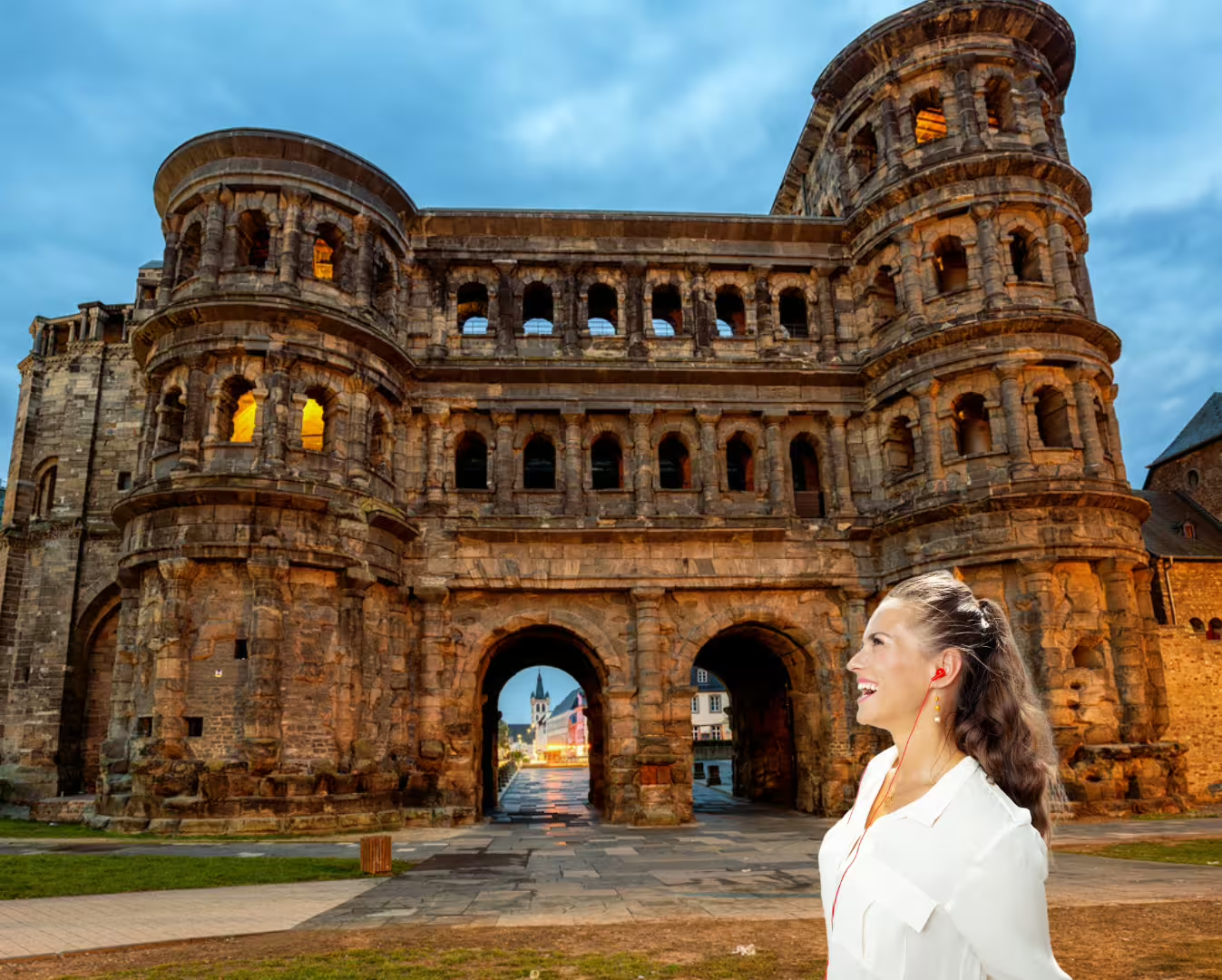
Porta Nigra. This iconic Roman city gate is the visual signature of Trier, and it sets the tone for how present the ancient world feels here. Seeing the scale up close helps you understand why the city is often linked with the Roman frontier story. Practical tip, arrive early for clearer photos and a calmer first impression before tour groups cluster in the square.
Trier Cathedral, Dom St Peter. The cathedral anchors the historic center and gives you a sense of continuity from Roman foundations through later centuries. It is a place to slow down and notice details, stonework, chapels, and the quiet rhythm of local visitors. Practical tip, dress respectfully and plan a short pause here to reset your pace between busier stops.
Church of Our Lady, Liebfrauenkirche. Close to the cathedral, this church adds architectural contrast and deepens the story of faith and civic life in the old town. Pairing both sites helps you read the city as layers rather than isolated monuments. Practical tip, visit back to back to minimize backtracking and keep your route efficient.
Roman Amphitheatre. The amphitheatre connects you to the entertainment culture of the Roman city and the practical engineering that made large events possible. Standing in the arena space makes the scale feel real in a way photos rarely capture. Practical tip, wear comfortable shoes and bring water, the open layout can feel exposed in warm weather.
Imperial Baths, Kaiserthermen. These vast remains highlight daily life, infrastructure, and the social role of bathing in Roman society. It is a good stop for travelers who like to imagine how a city functioned, not just how it looked. Practical tip, allow extra time to wander, the value is in exploring the site slowly rather than rushing for a single viewpoint.
Roman Bridge, Römerbrücke. This crossing over the Moselle is a simple, powerful reminder that Roman engineering still shapes modern movement. It is also a scenic spot, with river views that break up the density of old town streets. Practical tip, time your walk for late afternoon light for softer photos and a more relaxed riverside feel.
Main Market and Old Town Squares. The central squares are where Trier feels most contemporary, with terraces, storefronts, and a steady local flow. It is ideal for people watching and for building small breaks into a sightseeing day. Practical tip, use the square as your navigation anchor, it is an easy meeting point and a natural place to pause for coffee.
Moselle Wine Culture. The city’s proximity to vineyards gives it a wine focused edge, especially in the way menus and bar lists highlight regional bottles. Even a short tasting experience can add a sense of place that monuments alone cannot provide. Practical tip, ask for a local Moselle recommendation and consider sharing pours if you want to sample more than one style.
Start with Porta Nigra early, then walk into the old town core for Trier Cathedral, Dom St Peter and the Church of Our Lady, Liebfrauenkirche. Continue toward the Main Market and Old Town Squares for a quick lunch break and a look at daily city life. In the afternoon, choose one major Roman complex, either the Imperial Baths, Kaiserthermen or the Roman Amphitheatre, then finish with a stroll to the Roman Bridge, Römerbrücke for Moselle views and an easy dinner nearby.
On day one, follow the one day highlights but slow down inside the cathedral area and reserve time for unplanned detours in the lanes around the market. Day two is for Roman infrastructure and scale, pairing the Imperial Baths, Kaiserthermen with the Roman Amphitheatre, and adding a longer riverside walk that links the center with the Moselle. If you have a third day, use Trier as a base for a Moselle focused outing, then return for an evening that centers on Moselle Wine Culture and a relaxed meal rather than another checklist stop.
Riesling from the Moselle. Expect crisp acidity, citrus and stone fruit notes, and a clean finish that pairs well with lighter dishes. Ordering tip, ask for a Mosel Riesling by the glass if you want to compare styles without committing to a full bottle.
Regional white wines beyond Riesling. Many Moselle lists include aromatic whites that feel fresh and food friendly. This is an easy way to explore without needing deep wine knowledge. Ordering tip, tell your server whether you prefer dry or off dry and ask for a local recommendation.
Hearty German comfort plates. In a city break setting, traditional dishes tend to be filling and ideal after a long walking day. They usually lean savory and warming, which suits cooler months. Ordering tip, look for a daily special board for good value and seasonal variety.
Bakery culture and cakes. Cafés and bakeries are a practical part of pacing, giving you a quick reset between monuments. Sweet options often pair naturally with coffee and a slower half hour in the old town. Ordering tip, choose one item to share if you plan a sit down dinner later.
Market snacks. Around the central squares you can often find quick bites that keep your day flexible. This is useful if you want to maximize time at major sites. Ordering tip, eat earlier than peak lunch hours for shorter waits and more seating choice.
Trier works well on foot, especially for the historic center where major sights cluster within a walkable radius. For longer hops, such as reaching the amphitheatre area or returning after a day trip, local public transport and taxis can reduce fatigue and help you keep a steady schedule. If you are traveling with limited mobility, plan your route with rest stops in mind, the most rewarding days here are paced, with café breaks and riverside pauses built in.
Luxembourg City. Close enough for a cross border day, it adds a distinct mix of fortifications, viewpoints, and a different national feel. Travel time varies by connection, so plan around your preferred departure window. Primary reason to visit, contrast and variety, you can experience another capital city without changing hotels.
Moselle Valley wine villages. Short trips along the river bring vineyard scenery and a calmer rhythm than the city center. This is the best choice if you want landscape, tasting rooms, and photogenic river bends. Primary reason to visit, wine culture and views that reinforce the sense of place you start in Trier.
Saarburg. Known for its small town charm and scenic setting, it makes an easy change of pace from Roman monuments. It is a good option when you want a slower afternoon and a picturesque walk. Primary reason to visit, a compact, atmospheric town break that complements a history heavy itinerary.
Koblenz. Farther afield but still a classic Rhine and Moselle context stop, it is appealing if you want bigger river city scenery. Travel time depends on rail routing, so it suits a full day. Primary reason to visit, dramatic river landscapes and a broader regional perspective.
One day covers the main highlights at a brisk pace, especially if you focus on the old town and one major Roman complex. Two to three days gives you time for slower meals, riverside walks, and a day trip into the Moselle region.
Yes, the historic center is compact and most headline sights are reachable on foot. Plan breaks in the main squares and along the river so your day stays comfortable.
Shoulder seasons are often the easiest for balancing comfortable walking weather with lighter crowds. Summer brings the liveliest atmosphere, while winter is quieter and benefits from earlier daytime planning.
Cards are widely accepted, but carrying some cash is still practical for small cafés, snacks, or quick purchases. Keeping both options helps you avoid delays when you are moving between sights.
Luxembourg Airport and Frankfurt Airport are common gateways, with onward rail connections into the region. Choose based on flight availability and the train connection that best matches your arrival time.