Koblenz

    logoBlack

    Build your dream
    experience

    dreamimg

    More to know about Koblenz


    Koblenz Travel Guide

    Koblenz is a river city shaped by confluences, viewpoints, and a walkable historic core where daily life unfolds between waterfront promenades and old town lanes. The signature vibe is relaxed and scenic, with an emphasis on slow travel, photo friendly panoramas, and easy day trips into the Rhine and Moselle landscapes. Use this guide to plan a smooth first visit, choose the right season, and build an itinerary that balances landmarks with local flavor.


    Snapshot

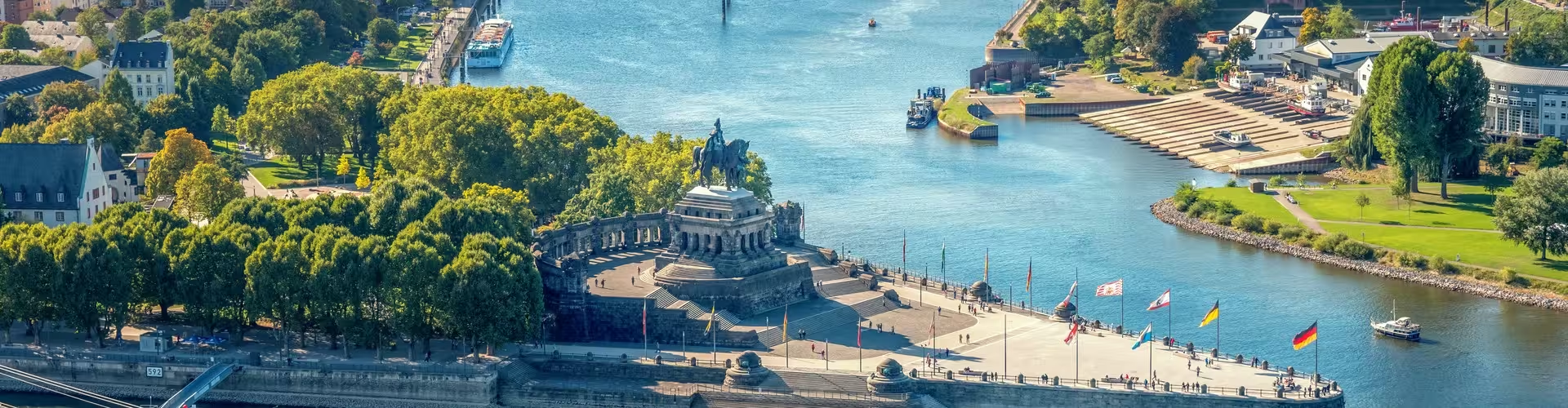
    In Koblenz, the Rhine and Moselle meet in a setting that feels both grand and approachable, with riverside paths, lookout points, and a compact center that rewards wandering. It is a strong choice when you want a base for exploring castles, vineyards, and UNESCO listed river valleys without changing hotels every night. Go now if you want a destination that is easy to navigate, rich in scenery, and built for flexible planning, from quick weekend breaks to longer, slower itineraries.


    ๐Ÿ—บ๏ธ Geography and Logistics

    ๐Ÿ“ Orientation: Where is it within Rhineland-Palatinate and Germany?

    Koblenz sits in western Germany in the state of Rhineland-Palatinate, positioned at the meeting point of two major rivers that define the region’s landscapes and travel routes. It works well as a hub because rail and road connections naturally follow the Rhine and Moselle corridors, making nearby towns and viewpoints straightforward to reach. For international arrivals, travelers typically route through major German gateways and then continue by train to the city center, which is where most sightseeing begins.

    ๐Ÿ•’ When to Go: Seasonal breakdown

    Plan your timing around what you want most: long riverside days, quieter streets, or a balance of pleasant weather and manageable crowds. Warmer months usually suit boat rides, outdoor terraces, and extended walks along the promenades, while cooler periods can feel calmer and more local, especially for museum visits and old town exploration. Shoulder seasons often deliver a practical middle ground, with comfortable walking conditions and a more relaxed pace at popular viewpoints.

    ๐Ÿ’ฐ Budget & Currency: Practical money tips

    Germany uses the euro, and most travelers find a mix of card payments and some cash helpful for smaller purchases. Budget expectations in Koblenz depend on your style of travel, but you can keep costs predictable by prioritizing walkable sightseeing, choosing set menus or lunch specials when available, and grouping attractions by area to reduce local transport needs. Keep a small amount of cash for quick snacks, local bakeries, or places that prefer it, and use a card for hotels and larger restaurants.


    โญ Essential Things to Do

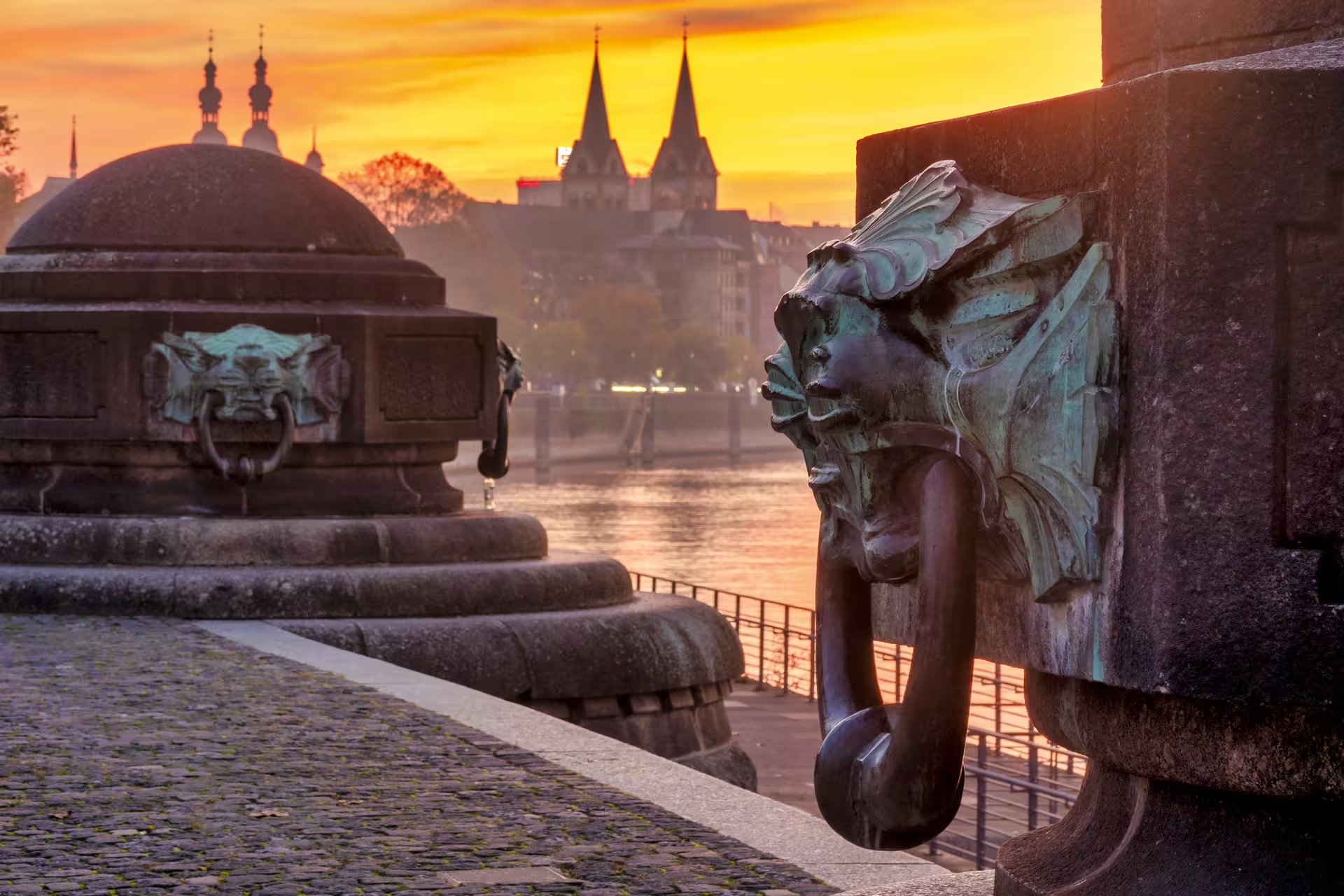
    Deutsches Eck (German Corner). This is the city’s signature riverside landmark where the Rhine and Moselle meet, and it sets the tone for the entire visit with open views and a sense of scale. It matters because it explains why Koblenz developed as a strategic and cultural crossroads. Practical tip: visit twice, once in daylight for clear river views and again near sunset for softer light and photos.

    Riverside Promenades. Walking along the water is one of the most rewarding ways to understand the city’s rhythm, from cyclists and commuters to travelers pausing at viewpoints. It matters because the rivers are not just scenery, they are the organizing principle of local geography and day trip planning. Practical tip: start early in the day for quieter paths, then return later when the atmosphere becomes more social.

    Old Town Wander. The historic center is best experienced on foot, with small lanes that open into squares and café terraces. It matters because it delivers the everyday texture of Koblenz, not just the postcard views, and it makes a good base for shopping and casual dining. Practical tip: choose a loose route rather than a strict checklist, and let landmarks pull you from one street to the next.

    Rhine and Moselle Viewpoints. The surrounding terrain creates natural lookouts that frame the rivers, hillsides, and built heritage in one sweep. It matters because these panoramas are the visual payoff of the region, and they help you decide which valley routes to prioritize. Practical tip: check the weather before you go, visibility changes the experience more than you might expect.

    Castle and Fortress Culture. The wider region is known for defensive architecture and hilltop silhouettes, and Koblenz is a practical starting point for that story. It matters because the Rhine corridor in particular developed around control of trade routes, and fortifications are the physical evidence. Practical tip: pair a fortress style visit with a river cruise style outing so you see both the landscape and the built heritage.

    Rhine Valley Scenery. The Rhine route is one of Germany’s classic travel experiences, with a sequence of river bends, steep slopes, and towns that feel designed for slow travel. It matters because it adds a cinematic dimension to a city break, turning Koblenz into a launchpad for iconic landscapes. Practical tip: choose one direction for a half day and avoid trying to see everything at once.

    Moselle Valley Atmosphere. The Moselle side tends to feel more intimate, with a gentler pace and strong ties to wine culture. It matters because it offers contrast to the Rhine’s grand scale, and it is ideal for travelers who want a softer, more rural rhythm. Practical tip: plan an unhurried afternoon, this is a route that rewards lingering rather than rushing.

    Local Markets and Bakeries. Small food stops are a simple way to connect with local habits, especially in the morning. It matters because the city’s best moments often happen between big sights, when you pause for coffee and something fresh from the oven. Practical tip: build a bakery stop into your first hour out, it sets you up for a long walking day.


    ๐Ÿšถ Curated Itineraries

    โฐ The Highlights (1 Day)

    Start at Deutsches Eck (German Corner) to orient yourself with the confluence views and the basic geography of the Rhine and Moselle. Continue with a relaxed walk along the riverside promenades, then head into the old town for a slow loop through lanes and squares, stopping for coffee and a bakery snack. In the afternoon, prioritize a viewpoint experience to capture the city and river landscape in one frame, then finish with dinner near the center so you can end the day with an easy walk back.

    โฐ Deep Dive (2-3 Days)

    On day one, follow the highlights route but add more time for the old town, including a longer meal and a second riverside walk when the light changes. On day two, use Koblenz as a base for a focused river valley outing, choose either the Rhine for classic scenery and castle silhouettes or the Moselle for a slower, wine linked atmosphere. If you have a third day, keep it flexible for weather, add a fortress or castle focused visit, and leave space for unplanned discoveries like small galleries, additional viewpoints, or an extended café afternoon.


    ๐Ÿฝ๏ธ Flavors of Koblenz

    Riesling (Mosel style). Expect a bright, aromatic white wine with a crisp profile that pairs well with light dishes and river terrace dining. Ordering tip: ask for a local Mosel Riesling when you want something region specific and refreshing.

    Spätburgunder (Pinot Noir). This red often shows a lighter body and a smooth finish, making it easy to enjoy with hearty but not overly heavy meals. Ordering tip: choose it when you want a red that still feels suitable for a long evening of conversation.

    Flammkuchen. A thin, crisp flatbread style dish that often comes with savory toppings and a balanced, snackable feel. Ordering tip: it is a good shareable option if you want variety without committing to a large main course.

    Schnitzel. A classic comfort dish with a familiar, satisfying profile, often chosen when you want something straightforward after a day of walking. Ordering tip: look for house variations, and pair it with a local drink for a simple regional meal.

    Bratwurst. Quick, savory, and ideal for an on the go lunch between sights. Ordering tip: choose it when you want a fast bite that does not interrupt your route through the old town.

    Pretzels and bakery breads. Fresh baked items are part of daily life and make practical sightseeing fuel. Ordering tip: buy in the morning for the best selection, and keep something small in your bag for viewpoint walks.


    ๐ŸšŒ Navigation & Transport

    Koblenz is well suited to walking, especially between the riverside areas and the old town, where the most rewarding experiences are often found at street level. Public transport is useful when you want to connect to outlying areas or reduce walking time, while taxis or ride services can help when weather changes or you are traveling with luggage. For safety and comfort, keep an eye on cyclists along riverside paths, and wear shoes that handle cobblestones and longer promenade stretches.


    ๐ŸŒ„ Beyond the Center: Day Trips

    Rhine Valley towns and viewpoints. Travel time varies by route, but connections are typically straightforward along the river corridor. Go for classic Rhine scenery and the feeling of moving through a landscape shaped by trade, fortifications, and river travel.

    Moselle Valley villages. Travel time varies, and the experience is often calmer and more intimate than the Rhine side. Go for wine linked culture, gentle river bends, and a slower pace that suits an afternoon outing.

    Castle focused stops along the rivers. Travel time depends on which site you choose and whether you combine rail, road, or river travel. Go for a deeper sense of regional history and the best elevated views over river curves.

    Rhineland-Palatinate countryside. Travel time varies, and it is best approached as a flexible day based on weather and your interests. Go for hiking style scenery, small town atmospheres, and a change of tempo from the city center.


    โœ… Insider Tips for Travelers

    • Start early for the clearest photos at river viewpoints, then revisit later for softer evening light.
    • Group sights by area, riverside first, old town next, to minimize backtracking on foot.
    • Carry a small amount of cash for quick purchases at smaller spots, and rely on cards for larger payments.
    • Pack comfortable walking shoes, cobblestones and long promenades can add up over a full day.
    • Leave buffer time in your itinerary for weather, viewpoints and river outings are most rewarding with good visibility.
    • Choose either a Rhine focused or Moselle focused day trip, trying to do both in one day can feel rushed.

    โ“ Frequently Asked Questions, FAQ

    How many days do you need in Koblenz?

    One day covers the core highlights like the confluence views, riverside walks, and the old town. Two to three days is better if you want a dedicated Rhine or Moselle day trip and time for viewpoints without rushing.

    Is Koblenz easy to explore on foot?

    Yes, the central areas are well suited to walking, especially between the rivers and the old town. Wear comfortable shoes because cobblestones and long promenades can make distances feel longer.

    When is the best time of year to visit?

    Warmer months are ideal for outdoor promenades and river focused plans, while cooler periods can feel calmer for city exploration. Shoulder seasons often balance comfortable walking weather with fewer crowds.

    Do you need cash, or can you pay by card?

    Cards are widely useful for hotels and larger restaurants, but carrying some cash is practical for small purchases. This mix keeps your day flexible, especially when you stop spontaneously for snacks.

    What is the easiest way to plan a day trip from Koblenz?

    Pick one direction, either the Rhine for classic scenery or the Moselle for a slower wine linked atmosphere, then build your day around a few key stops. Keeping the plan focused helps you avoid spending the day in transit.

    This guide to Koblenz is written by Toursxplorer.com to help travelers compare seasons, plan logistics, and choose experiences across the Rhine and Moselle setting. It focuses on practical decision support for itineraries, transport, and day trips from the city.
    Europe, Germany, Rhineland-Palatinate, Koblenz