





Dusseldorf balances polished riverside promenades, fashion-forward streets, and one of Germany’s most sociable old towns. It is a city where contemporary architecture and classic Rhineland traditions sit close together, making it easy to plan days that feel varied without long travel times. Come for the Rhine views, museums, and local beer culture, then stay for the neighborhoods that reward slow wandering.
Dusseldorf feels sleek and creative, with a confident arts scene and a strong local identity shaped by the Rhine. The signature vibe mixes modern design, relaxed café culture, and lively evenings in the Altstadt. It is a smart choice when you want a city break that is walkable, well-connected, and full of small moments that feel distinctly local.
Dusseldorf sits in western Germany in the state of North Rhine-Westphalia, a region known for dense cities, strong rail connections, and day trip variety. The city stretches along the Rhine River, with key visitor areas clustered near the riverfront, the Altstadt, and central shopping streets. For gateways, look at flights into Düsseldorf Airport and rail connections via Düsseldorf Hauptbahnhof, which makes arrivals and onward travel straightforward.
Expect a classic Central European rhythm: warmer months support long river walks and outdoor terraces, while cooler months shift the focus toward museums, cozy beer halls, and indoor culture. Summer generally brings higher visitor energy and longer evenings, which suits sightseeing routes that mix parks and waterfront stops. Shoulder seasons can feel calmer and are ideal for travelers who prefer fewer crowds and flexible planning.
Germany uses the euro, and Dusseldorf can feel more premium in central areas, especially around shopping streets and popular riverfront spots. Cards are widely used, but it is still practical to carry some cash for small purchases and traditional venues. A simple way to manage costs is to balance paid museums with free experiences like promenades, parks, and neighborhood walks.
Altstadt (Old Town)
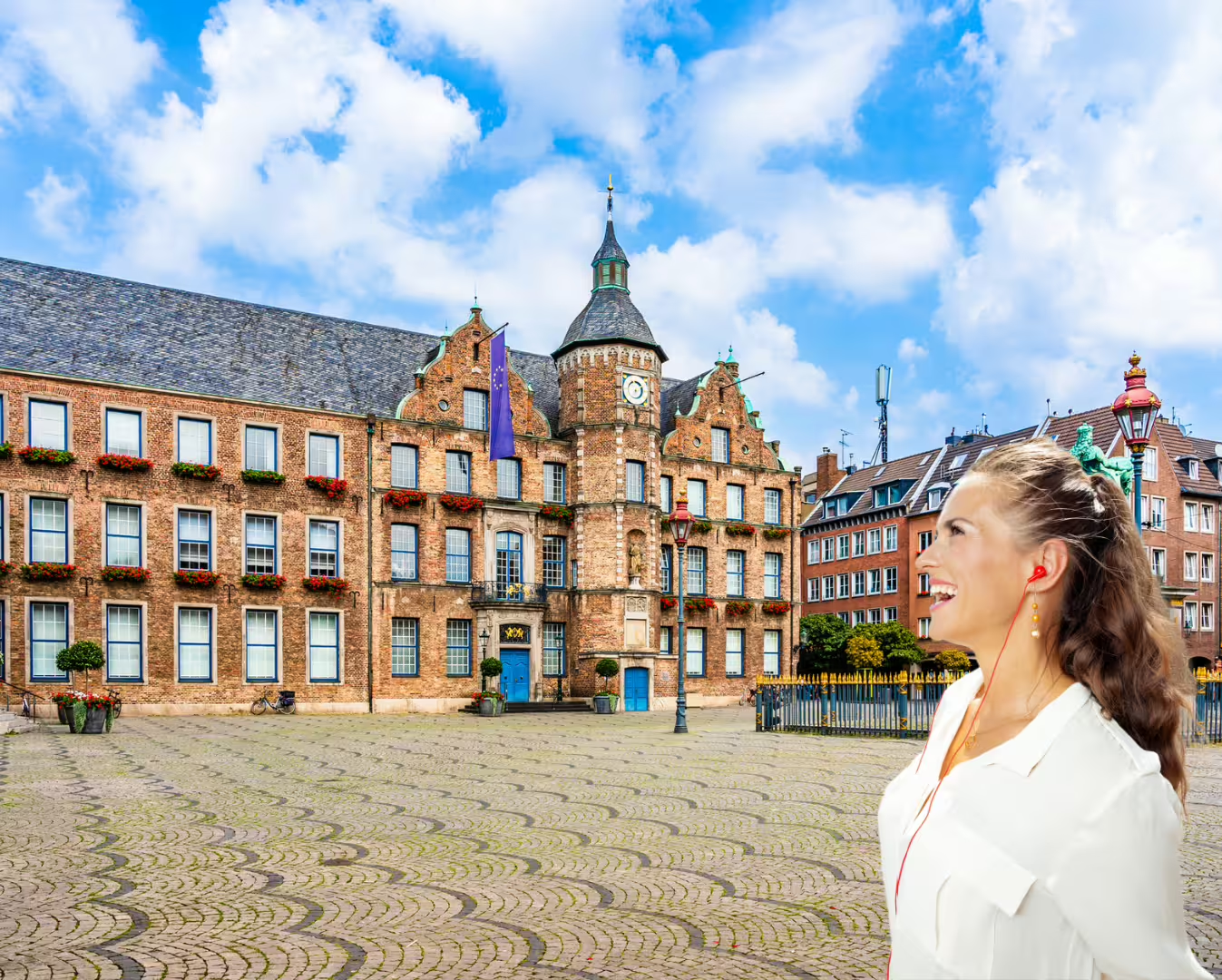
The Altstadt is the social heart of Dusseldorf, known for compact streets that fill up in the evening. It matters because it shows the city’s traditional side, with a strong local drinking culture and an easygoing, conversational atmosphere. Practical tip, arrive earlier to enjoy the architecture and river-adjacent streets before the nightlife peaks.
Rhine Promenade Walk
The Rhine shapes the city’s identity, and the promenade is where that relationship becomes visible and relaxing. It matters because it connects major areas on foot and offers a simple, scenic way to reset between museums, shopping, and meals. Practical tip, plan this for late afternoon to catch softer light for photos and a more atmospheric riverfront mood.
MedienHafen Architecture
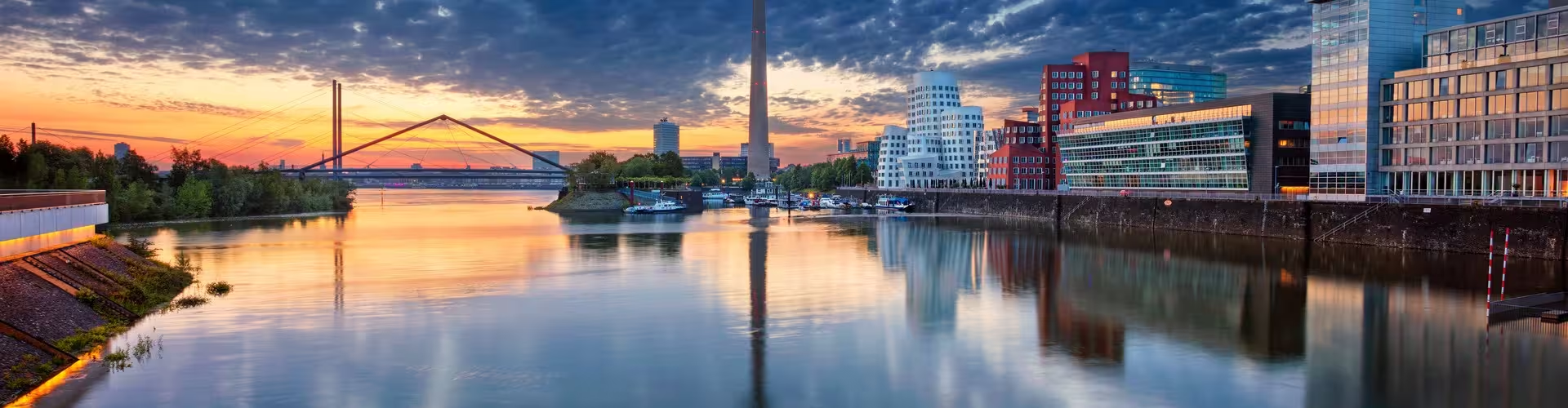
MedienHafen highlights the modern face of Dusseldorf with bold contemporary buildings and a creative-business energy. It matters because it contrasts sharply with the Altstadt, giving you two distinct city experiences in one day. Practical tip, bring a wide-angle lens or use your phone’s wide camera setting to capture the most dramatic angles.
Königsallee (Kö) Shopping Boulevard
Königsallee is one of Germany’s best-known luxury shopping streets, framed by a canal and elegant facades. It matters even if you do not shop, because it shows the city’s style reputation and makes for a pleasant stroll. Practical tip, visit in the morning for a calmer walk, then branch into nearby streets for more everyday options.
Kunstsammlung and Museum Time
Museum culture is a core part of the city break appeal, and Dusseldorf rewards visitors who schedule at least one focused cultural stop. It matters because the city has a strong art and design identity, which deepens your understanding of its modern character. Practical tip, choose one or two museums and give them enough time, rather than trying to rush several in a single afternoon.
Rheinturm Viewpoint
A panoramic view helps you understand the city’s layout, from the curve of the Rhine to the contrast between old streets and modern districts. It matters because it gives you instant orientation and a memorable visual anchor for the rest of your trip. Practical tip, go on a clear day and time it around sunset if you want the city lights to start appearing.
Japanese Influence in the City
The city is known for a significant Japanese community, which adds a distinctive layer to its food and shopping scene. It matters because it makes Dusseldorf feel more international than many travelers expect, especially around certain central streets. Practical tip, plan a meal around this theme and pair it with a short neighborhood walk for context.
Riverside Parks and Easy Green Breaks
Green spaces near the center make it simple to balance sightseeing with downtime. It matters because the city’s pace can shift quickly from busy shopping corridors to calm lawns and shaded paths. Practical tip, pack a light snack and take a mid-day break outdoors to keep your itinerary comfortable.
Start with a morning walk along the Rhine to get oriented, then head into the Altstadt for historic streets and a relaxed coffee stop. Spend midday around Königsallee for a canal-side stroll and people-watching, then choose one museum to anchor your cultural time. End the day in MedienHafen for modern architecture and dinner, then return to the old town if you want a lively evening atmosphere.
Day one follows the highlights route, but slow it down by adding more time for the riverfront and a longer old town wander. Day two can focus on museums and design-forward areas, with a dedicated visit to MedienHafen and a second cultural venue that matches your interests. If you have a third day, use it for neighborhood exploration and a relaxed meal that highlights the city’s international side, then add a short day trip for contrast.
Altbier
This traditional local beer is malty and slightly bitter, often served in smaller glasses that encourage steady pacing and conversation. Ordering tip, ask for Altbier in a traditional old town setting for the most classic experience.
Rhineland Comfort Food
Expect hearty plates that suit cooler weather and pair naturally with local beer culture. Ordering tip, look for seasonal specials on menus, which can be a reliable way to try something local without overthinking the choice.
Japanese Ramen
Thanks to the city’s Japanese community, ramen is a standout option, with rich broths and a satisfying, warming feel. Ordering tip, go earlier than peak dinner time if you prefer a quieter meal and faster service.
Bakery and Café Culture
Cafés are a practical part of the day, useful for breaks between walking routes and museum visits. Ordering tip, pair a coffee with a simple baked item to keep it light, especially if you have a larger dinner planned.
Market Snacks
If you come across a market, it is a good chance to graze and try small bites without committing to a full sit-down meal. Ordering tip, bring some cash for quick purchases and keep an eye out for regional products.
Dusseldorf is well suited to walking in central areas, especially between the Rhine promenade, the Altstadt, and key shopping streets. Public transport helps bridge longer gaps and is useful when weather is less cooperative, or when you want to connect to outlying neighborhoods efficiently. Ride-sharing and taxis can be helpful late at night or when carrying luggage, but walking remains the most rewarding way to notice architectural details and local street life. As in any city, keep an eye on your belongings in busy areas and plan routes that feel comfortable after dark.
Cologne
An easy rail day trip from Dusseldorf, Cologne offers a different urban atmosphere and major landmarks. Primary reason to visit, a classic Rhine city contrast and a strong cultural scene.
Ruhr Area Cities
North Rhine-Westphalia includes multiple nearby cities shaped by industrial heritage and modern reinvention. Primary reason to visit, a deeper look at the region’s history and contemporary culture.
Bonn
Another practical trip by train, Bonn provides a calmer pace and a change of scenery from the fashion-forward feel of Dusseldorf. Primary reason to visit, a more relaxed Rhine-side city day with cultural stops.
Lower Rhine Countryside
If you want greenery and small-town atmosphere, the surrounding region can offer a softer, slower day. Primary reason to visit, a break from city energy and a chance to see local landscapes.
Staying near the city center makes it easier to walk to major sights and return for breaks during the day. Areas near the Altstadt and central shopping streets are convenient for short trips.
Dusseldorf works well as a one-day highlights trip, but two to three days gives you time for museums, neighborhoods, and a slower pace. Adding an extra day also makes it easier to include a nearby day trip without feeling rushed.
Dusseldorf is very walkable in central areas, especially between the Rhine promenade, Altstadt, and Königsallee. Public transport is useful for longer distances, bad weather, or connecting to outlying districts.
Altbier is the classic choice and is closely tied to the old town atmosphere. Try it in a traditional setting to understand why it is part of local identity.
Use rainy hours for museums, cafés, and indoor cultural stops, then return to the riverfront when conditions improve. A flexible itinerary with one or two anchor activities makes weather changes easier to manage.