


Dortmund

Plan a smart trip to Dortmund with essentials, itineraries, local flavors, transport tips, and easy day trips across the Ruhr region, plus practical advice for match days and seasonal planning.

logoBlack

Build your dream
experience

dreamimg

More to know about Dortmund


Dortmund Travel Guide

Dortmund blends industrial heritage with modern culture, green parks, and a football energy that shapes the city’s rhythm. It is a practical base in the Ruhr region for travelers who want museums, breweries, and easy rail connections without the pressure of a capital city pace. Use this guide to plan a smooth first visit, build a realistic itinerary, and focus on experiences that match your travel style.


Snapshot

Dortmund feels confident and unpretentious, with a signature vibe that mixes working city grit, big match excitement, and surprising pockets of nature. Go for the contrast, industrial stories turned into culture, lively beer halls, and calm lakeside walks. It is especially rewarding when you want a city break that is easy to navigate and well connected to the rest of North Rhine Westphalia.


🗺️ Geography and Logistics

📍 Orientation: Where is it within Arnsberg and Germany?

Dortmund sits in western Germany in North Rhine Westphalia, within the Arnsberg administrative region. It is part of the Ruhr area, a dense network of cities where rail and regional transit make day trips straightforward. For international arrivals, most travelers use major hubs in the region, then connect by train to Dortmund’s central station and onward to neighborhoods and sights.

🕒 When to Go: Seasonal breakdown

Expect a classic temperate climate, with cooler months that suit museums and indoor culture, and warmer months that bring parks, beer gardens, and longer evenings. Shoulder seasons are often a sweet spot for balanced sightseeing, with fewer crowds and comfortable walking conditions. If your trip revolves around football, plan around match days for atmosphere, and book transport and accommodation earlier than you normally would.

💰 Budget & Currency

Germany uses the euro, and Dortmund is generally easier on the wallet than many headline cities, especially for food, local transit, and casual entertainment. Cards are widely accepted, but it is still smart to carry some cash for smaller purchases and older style venues. Build a flexible daily budget by prioritizing one or two paid highlights, then balance them with parks, neighborhoods, and free city walks.


⭐ Essential Things to Do

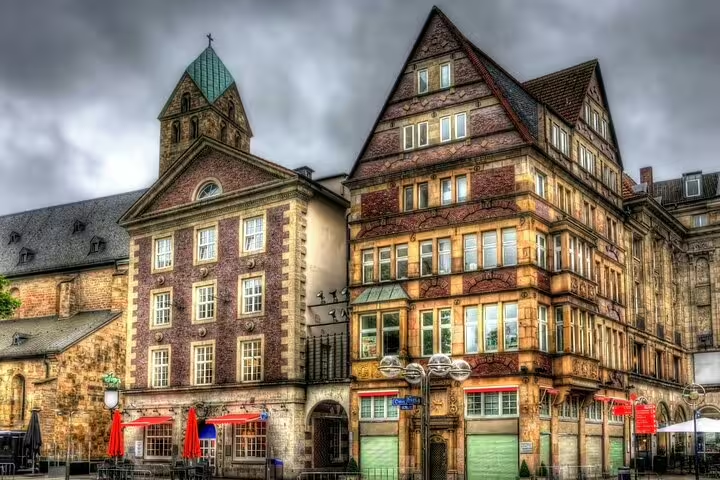
Explore the city center and shopping streets. Dortmund’s core is practical for first timers, with pedestrian areas that make it easy to get oriented between stations, churches, and modern retail. The value is in the everyday city feel, not just landmarks, so take time to notice the mix of postwar architecture and contemporary design. Practical tip, start in the morning to avoid peak shopping crowds and to keep your afternoon open for museums or parks.

Experience football culture around Signal Iduna Park. Even if you do not attend a match, the area communicates how important football is to local identity and community life. It is a strong lens for understanding the city’s pride and the scale of regional sports culture. Practical tip, if you plan to attend a game, organize tickets and transit early, and arrive with time to find your entrance and soak up the pre match atmosphere.

Visit the German Football Museum. This is a focused stop for sports history and popular culture, and it helps connect Dortmund’s club passion to the wider national story. It works well for mixed groups because it is engaging even for casual fans. Practical tip, pair it with nearby central sights so you can keep the day efficient and walkable.

Discover industrial heritage in the Ruhr context. Dortmund sits in a region shaped by coal and steel, and the most rewarding visits explain how heavy industry influenced neighborhoods, work culture, and today’s creative reuse of spaces. This context adds depth to what you see on the streets, from rail lines to repurposed buildings. Practical tip, choose one industrial themed site or museum style visit, then balance it with a green space to keep the day varied.

Relax at Westfalenpark. Green space is a big part of Dortmund’s quality of life, and this park is a strong example of how the city shifts from urban to calm quickly. It is ideal for a reset between sightseeing blocks, with room to stroll, sit, and people watch. Practical tip, go in late afternoon for softer light and a more local after work vibe.

Walk around Phoenix See. This lakeside area shows modern Dortmund, with a cleaner, contemporary feel and an easy promenade for a low effort outing. It is especially good when you want fresh air without leaving the city. Practical tip, bring a light layer for breezier waterfront conditions, even when the center feels warm.

Spend time in Kreuzviertel. This neighborhood is often associated with a more relaxed, local lifestyle, with cafés and a lived in atmosphere that contrasts with the functional city center. It is a good place to slow down and make the trip feel less checklist driven. Practical tip, visit around lunch or early evening, then stay for a casual dinner.

Try local beer culture in a traditional setting. Dortmund has a long brewing identity, and tasting local styles is a simple way to connect with regional tradition. The experience is less about a single venue and more about the social ritual of ordering, sharing, and lingering. Practical tip, ask for a local beer recommendation and start with a smaller pour if you want to sample more than one style.


🚶 Curated Itineraries

⏰ The Highlights (1 Day)

Start in the city center to get oriented on foot, then connect to a major museum stop such as the German Football Museum for an easy, high impact morning. After lunch, shift to a green break at Westfalenpark to recharge and keep the day balanced. Finish with an evening focused on local beer culture and a relaxed neighborhood stroll, so your first day feels both iconic and personal.

⏰ Deep Dive (2-3 Days)

Day one follows the highlights route, but add extra time in the center to explore churches, public squares, and the everyday shopping streets that show how locals use the city. On day two, build an industrial heritage themed day, then decompress at Phoenix See for a waterfront walk and an easy dinner nearby. If you have a third day, use it for neighborhoods like Kreuzviertel, plus a flexible half day for a nearby Ruhr city connection by train, which is one of the most practical advantages of staying in Dortmund.


🍽️ Flavors of Dortmund

Local Pils and lagers. Dortmund’s brewing tradition is part of the city’s identity, with crisp, clean beer styles that pair well with hearty food. Ordering tip, ask for a local brew by name, and if you are unsure, request the house recommendation.

Currywurst. A classic German street food, it is savory, spiced, and designed for quick comfort. Ordering tip, it is often served with fries, so decide if you want a full meal or a snack portion.

Bratwurst. Grilled sausage is a simple staple, usually juicy and lightly seasoned, and it suits casual lunches between sights. Ordering tip, look for a stand with high turnover, which often signals freshness.

Schnitzel. Breaded cutlet is a reliable restaurant option, typically crisp outside and tender inside. Ordering tip, if you want something lighter, ask what sides come with it and swap to salad when possible.

Pretzels and bakery snacks. German baking culture is strong, and a pretzel or roll is an easy breakfast on the move. Ordering tip, go early for the best selection, especially if you want something still warm.

Seasonal soups and hearty plates. In cooler months, warming dishes are common and fit the region’s comfort food tradition. Ordering tip, ask what is seasonal or what locals order at lunch, which can be a good value choice.


🚌 Navigation & Transport

Dortmund is easy to handle with a mix of walking and public transit. The center is pedestrian friendly for short distances, while trains, trams, and buses help you reach parks, stadium areas, and lakeside districts without needing a car. For a smooth trip, plan around a central base near major transit links, and keep a simple map list of your top stops so you can group them by area. As in any city, stay aware of your surroundings in busy stations, and if you have accessibility needs, allow extra time for platforms and transfers.


🌄 Beyond the Center: Day Trips

Essen. A short regional train ride connects you to another key Ruhr city, useful for expanding your industrial heritage context and museum options. Primary reason, Ruhr culture and big city variety.

Bochum. Close by and easy to reach, it adds another angle on the Ruhr area with a different local feel. Primary reason, a quick change of scene without complicated logistics.

Düsseldorf. Reachable by train for a more fashion forward, riverside experience along the Rhine. Primary reason, a contrasting day out with a bigger metro vibe.

Cologne. A classic rail day trip for major cathedral architecture and lively neighborhoods. Primary reason, iconic sights and a strong cultural atmosphere.

Munster. A good option when you want a calmer, historic city feel and a different regional character. Primary reason, a slower paced day with a distinct city identity.


✅ Insider Tips for Travelers

  • Group sights by area, then plan one anchor activity per half day to avoid zigzagging across the city.
  • If your trip includes football, treat match days like event travel, plan transit early and expect busier streets near the stadium.
  • Carry some cash for small purchases, and keep a card as your main payment method for convenience.
  • Pack layers, weather can shift quickly, and waterfront areas like Phoenix See can feel cooler.
  • Build in green space breaks, parks help keep city days comfortable and reduce sightseeing fatigue.
  • Use the Ruhr region rail network for day trips, it is often simpler than driving and parking.

❓ Frequently Asked Questions, FAQ

Is Dortmund easy to explore without a car?

Yes, most visitors can combine walking in the center with public transit for longer hops. A car is usually unnecessary unless you plan multiple rural day trips.

How many days do I need in Dortmund?

One day covers the main highlights at a brisk pace, especially if you focus on the center and one major museum. Two to three days lets you add parks, Phoenix See, and a neighborhood like Kreuzviertel.

When is the best time to visit for fewer crowds?

Shoulder seasons are often a comfortable balance, with milder weather and fewer peak travel pressures. If you travel on match days, expect bigger crowds near the stadium area.

What is the easiest way to plan day trips from Dortmund?

Use regional trains to connect to nearby Ruhr cities and larger hubs. It helps to pick one destination per day and keep your return time flexible.

What should I eat and drink in Dortmund?

Try local beer styles, plus classic comfort foods like currywurst, bratwurst, and schnitzel. For a quick breakfast, bakeries are a reliable choice with pretzels and fresh rolls.