



Arnsberg
Arnsberg travel guide with practical planning tips, essential experiences, curated 1 to 3 day itineraries, local flavors, transport advice, and nearby day trip ideas in North Rhine-Westphalia.

Arnsberg travel guide with practical planning tips, essential experiences, curated 1 to 3 day itineraries, local flavors, transport advice, and nearby day trip ideas in North Rhine-Westphalia.

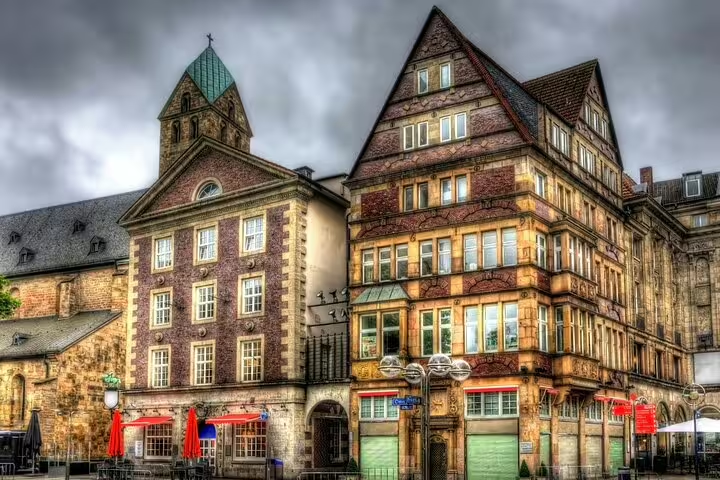
Arnsberg is a quietly captivating stop in North Rhine-Westphalia that balances forested landscapes with an old town atmosphere shaped by centuries of regional history. It suits travelers who want a slower Germany experience, where scenic walks, viewpoints, and local flavors matter as much as big ticket attractions. Use this guide to plan your days with confidence, prioritize what fits your pace, and build an itinerary that feels personal.
Arnsberg feels like a blend of hillside town energy and green escape, with a mood that shifts between historic streets and nature-forward calm. The signature vibe is unhurried, ideal for travelers who like viewpoints, cafés, and short walks that deliver a lot without demanding a packed schedule. Go now if you want a destination that supports both a quick highlights day and a deeper, restorative long weekend.
Arnsberg sits in the German state of North Rhine-Westphalia, a region known for strong transport links and a mix of urban centers and countryside. For international arrivals, the most common gateways in the wider region include major hubs like Düsseldorf Airport and Dortmund Airport, with onward travel typically handled by rail and regional connections. If you are already traveling within Germany, routing via large rail nodes in the Ruhr area can make transfers simpler and keep your arrival flexible.
Spring and early summer tend to suit travelers who want comfortable walking conditions and a greener landscape feel. Mid-summer can bring a livelier atmosphere, with more people outdoors and a stronger focus on parks, viewpoints, and longer days. Autumn often works well for scenic strolls and a more reflective pace, while winter is best for travelers who prioritize cozy dining, short walks, and a calmer, less crowded rhythm.
Germany uses the euro, and it is smart to carry a mix of card and cash for smaller purchases. In smaller towns and traditional venues, cash can still be helpful, especially for quick snacks, bakery stops, and small local services. For budgeting, plan around transport, meals, and a few paid activities, then keep flexibility for spontaneous café breaks or an extra scenic detour that turns into a longer day.
Note: The experiences below are curated to help you plan without overcommitting. Use them as building blocks, then adjust based on weather, energy, and how much time you want outdoors.
Old Town Stroll
Why it matters: A slow walk through the historic core is the easiest way to understand the town’s character and scale. The pace here is naturally relaxed, which makes it ideal for travelers who want atmosphere without a rigid schedule. Practical tip: Go early in the day for quieter streets and better photo angles, then return later for a more lived-in evening feel.
Viewpoint Hunting
Why it matters: Arnsberg rewards curiosity, especially when you look for elevated spots that reveal the relationship between town and surrounding green areas. Viewpoints turn a simple walk into a memorable moment, and they help you orient yourself for the rest of your trip. Practical tip: Pack a light layer even in warmer months, higher spots can feel cooler and breezier.
Forest and Riverside Walks
Why it matters: North Rhine-Westphalia is not only cities, and time in nature is part of the local lifestyle. Short, easy walks can give you that “reset” feeling between meals and sightseeing, without needing specialized gear. Practical tip: Choose a route that lets you loop back toward town, so you can finish with a café stop rather than doubling back.
Local Café Culture
Why it matters: Sitting down for coffee and cake is not just a snack break, it is a rhythm that makes the day feel more grounded. It is also a low-effort way to experience local preferences and people-watching. Practical tip: If you want a quieter table, aim for off-peak times and choose a seat slightly away from the main walkway.
Regional History Focus
Why it matters: Even without a checklist of museums, you can still travel with context. Look for plaques, memorials, and architectural details that explain how the town developed and how the region changed over time. Practical tip: Take photos of information panels, then read them later, it keeps your walk flowing and helps you remember details.
Short Scenic Excursions
Why it matters: The surrounding area supports quick half-day escapes that can make a short trip feel bigger. These are ideal if you want variety without moving hotels. Practical tip: Start earlier than you think, a relaxed excursion feels best when you are not racing daylight or connections.
Evening Golden Hour Walk
Why it matters: The town’s mood shifts in the evening, with softer light and a calmer pace that suits couples, solo travelers, and photographers. It is also a great way to digest dinner and end the day on a high note. Practical tip: Bring a small bottle of water and keep your route simple, you want it to feel effortless.
Market and Bakery Stops
Why it matters: Everyday food culture is often the most authentic travel memory. Bakeries and small food counters show you what locals actually eat, and they make budget planning easier. Practical tip: Try a small selection rather than one large item, it is a simple way to sample more flavors.
Start with a focused walk through the historic center to get your bearings and capture the most atmospheric streets while the day is still quiet. Add a viewpoint stop next, then transition into a nature-forward walk so your day includes both culture and landscape. Finish with a café break and an evening stroll, keeping your schedule flexible so you can linger where the town feels most alive.
On day one, keep it classic with the old town, viewpoints, and a long café pause that lets you settle into the local pace. On day two, prioritize longer walks and a slower meal plan, a bakery breakfast, a relaxed lunch, and a more intentional dinner where you try a regional dish. If you have a third day, use it for a nearby excursion and return with time to revisit your favorite streets, this is when Arnsberg feels less like a stop and more like a place you understand.
Food in this part of Germany leans comforting and seasonal, with a strong bakery culture and hearty plates that pair well with local drinks. Use these ideas as a tasting list, then choose what fits your appetite and schedule.
Arnsberg is well suited to walking for core sightseeing, especially if you enjoy short climbs and scenic detours. For longer distances, regional public transport is typically the most practical option, and it helps you connect to nearby towns without the stress of parking. If you are traveling with mobility needs, plan your day around fewer elevation changes and build in extra time, a slower pace can make the experience more comfortable without reducing what you see.
North Rhine-Westphalia offers many nearby contrasts, from large city energy to quieter landscapes. Choose day trips based on what you want more of, culture, shopping, architecture, or nature.
Yes, the core areas are well suited to walking, especially if you enjoy scenic routes and a slower pace. Plan for some elevation changes and wear comfortable shoes.
One day works for highlights like a historic stroll, a viewpoint, and a relaxed meal. Two to three days lets you add longer nature walks and a nearby excursion without rushing.
Spring through autumn generally supports comfortable walking conditions and a greener landscape feel. Winter can be quieter and cozier, but you may prefer shorter outdoor plans.
Cards are widely used, but carrying some cash is still practical for smaller purchases. A mixed approach keeps your day smooth if a small venue prefers cash.
Yes, it can work well as a calmer base with access to larger hubs in the region. Choose your day trips based on whether you want city energy, dining, or a change of scenery.