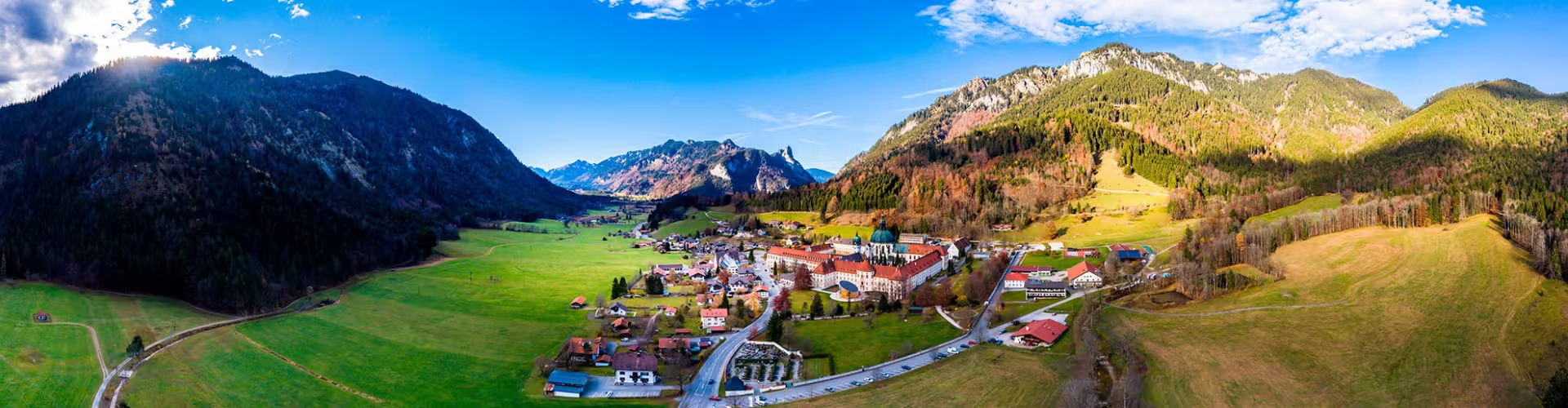
Ettal is a small Upper Bavarian village with a calm, alpine rhythm, known for its cultural heritage, mountain scenery, and easy access to classic Bavaria experiences. It suits travelers who want a quieter base than the big resort towns, while still staying close to iconic sights and outdoor routes. Come for crisp air, photogenic landscapes, and the feeling of slowing down without giving up convenience.
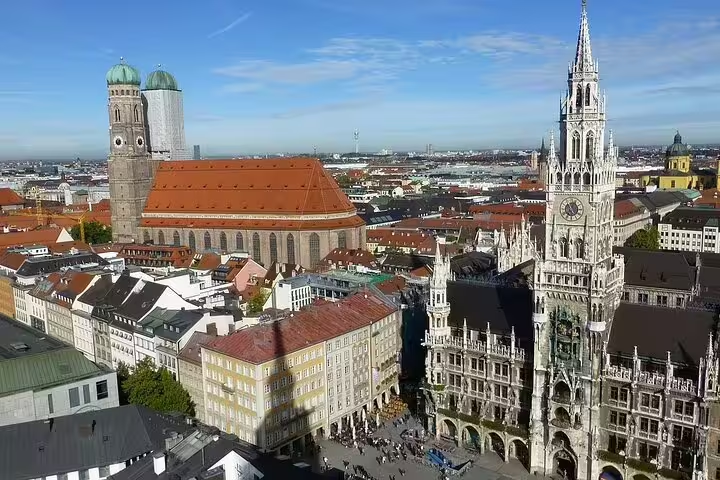
Ettal sits in Upper Bavaria in southern Germany, in the wider alpine region that draws visitors for hiking, winter sports, and heritage towns. For international arrivals, Munich is the main gateway hub for Bavaria, with onward connections by regional transport and road into the mountains. If you are building a wider route, Upper Bavaria also links well with nearby cultural centers and alpine valleys, making Ettal a practical stop on a south Germany itinerary.
Season choice in Ettal depends on whether you prioritize mountain trails, scenic drives, or a quieter village atmosphere. Warmer months generally support hiking and longer daylight for viewpoints, while colder months bring a more hushed feel and winter landscapes. Peak periods tend to align with school holidays and classic summer travel windows, so shoulder seasons can be a smart compromise if you want fewer crowds with still-livable conditions.
Germany uses the euro, and you will find that day-to-day spending in the region can vary depending on whether you choose simple bakeries and casual meals or sit-down restaurants and hotel services. Keep a mix of card and cash available, since smaller villages can sometimes be less card-forward than major cities. A practical approach is to budget more for transport and accommodation, then keep food costs flexible by mixing supermarket snacks with one standout meal per day.
Note: The experiences below focus on what Ettal is best used for as a base, a scenic stop, and a cultural pause in an alpine itinerary.
1) Explore the village atmosphere of Ettal
The appeal of Ettal is the slower pace, where mountain views and traditional architecture set the tone for an easy day. It is a place to reset between bigger sightseeing stops, especially if your itinerary includes multiple towns.
Practical tip: Start early for quieter streets and softer light for photos, then plan a warm indoor break around midday.
2) Plan a cultural stop focused on Bavarian heritage
Upper Bavaria is strongly shaped by religious art, regional craftsmanship, and centuries of local tradition, and Ettal fits naturally into that story. Even without a packed schedule, you can use the village as a lens into the area’s identity, from architecture to local customs.
Practical tip: If you are visiting multiple heritage sites in the region, cluster them on the same day to reduce transit time.
3) Use Ettal as a base for alpine scenery drives
The region’s roads are part of the experience, with shifting views of forests, valleys, and rugged peaks. Ettal works well for travelers who want to see a lot in a short time, then return to a calmer overnight base.
Practical tip: Keep your plan flexible for weather, since visibility can change quickly in mountainous areas.
4) Build a hiking day around nearby trail networks
If hiking near Ettal is on your list, the broader alpine setting supports everything from gentle walks to more demanding routes, depending on conditions and your fitness. The value is not only exercise, it is the sense of scale you get from Bavaria’s landscapes.
Practical tip: Pack layers and a light rain shell, and start earlier than you would in a city day plan.
5) Photograph classic Upper Bavaria landscapes
This part of Germany is visually rich, with changing light, dramatic clouds, and strong seasonal color shifts. Ettal makes a good base for photographers who want sunrise and sunset options without long commutes from a city.
Practical tip: Aim for early morning for clearer air, then keep a second window near sunset if the day opens up.
6) Pair Ettal with a Neuschwanstein day trip
Many travelers connect the area with Bavaria’s famous fairytale castle, and Ettal can fit into a route that balances high-demand sights with quieter stops. This pairing works best when you treat the castle visit as a timed anchor, then use the rest of the day for scenery and slower moments.
Practical tip: Reserve your castle entry as early as possible, then plan your driving or transit around that fixed time.
7) Add Garmisch-Partenkirchen for a classic mountain-town contrast
A nearby resort town brings a different energy, with more shops, dining options, and mountain access points. Staying in Ettal while visiting the busier hub gives you the best of both, activity by day and calm by night.
Practical tip: If you are sensitive to crowds, schedule the town visit on a weekday and start before lunch.
8) Create a flexible “scenic loop” day
One of the best ways to enjoy Ettal is to plan a loop that includes viewpoints, short walks, and a long lunch, rather than trying to stack too many ticketed attractions. This style of day highlights the region’s strengths, scenery, air, and atmosphere.
Practical tip: Keep one or two optional stops, so you can adjust for weather and energy levels.
Start your day with a quiet village walk in Ettal, focusing on the landscape backdrop and traditional Upper Bavarian character. Then choose one major anchor experience, either a heritage-focused stop or a scenic drive loop, and keep your timing relaxed so you can adapt to weather. Finish with a golden-hour viewpoint or a short nature walk, then settle into a simple dinner plan so the day feels restorative, not rushed.
On day one, use Ettal as your reset base, explore the village atmosphere, and map out transport for the next two days. On day two, commit to one big regional highlight such as a Neuschwanstein day trip or a longer scenic route, then return for a calmer evening. On day three, build a nature-forward day around hiking near Ettal and photography stops, leaving time for weather changes and a slower lunch.
Food in this part of Bavaria tends to be hearty, comforting, and built for mountain appetites, with a strong tradition of baked goods and seasonal dishes.
Ettal is easiest to enjoy with a plan that matches your travel style. Walking works well for the village itself and short local strolls, while regional connections help you reach larger towns and major attractions. If you are driving, you gain flexibility for scenic loops and early starts, but you should still plan for variable mountain weather and occasional congestion during peak travel periods.
For accessibility, prioritize shorter routes and build in rest stops, especially if you are combining viewpoints with uneven paths. As a general safety rule in alpine areas, carry a charged phone, basic layers, and water even on short walks, since conditions can shift quickly.
Is Ettal a good base for exploring Upper Bavaria?
Yes, Ettal works well as a calmer base with access to mountain scenery and nearby hubs. It is especially useful if you want quiet evenings after busy day trips.
How many days should I plan for Ettal?
One day is enough for a quick village stop and a scenic loop. Two to three days gives you time to add a major highlight plus a nature-focused day without rushing.
When is the best time to visit for fewer crowds?
Shoulder seasons can be a smart choice, since they often balance workable conditions with fewer peak-period visitors. Weekdays also tend to feel calmer than weekends.
Do I need a car to get around?
A car adds flexibility for scenic drives and day trips, but you can still structure a visit using regional connections and walking for local time. Choose based on whether your priority is convenience or a slower, transit-based pace.
Can I combine Ettal with a Neuschwanstein day trip?
Yes, many travelers pair Ettal with a Neuschwanstein day trip to balance a high-demand attraction with a quieter base. Book your entry early, then plan the rest of the day around that fixed timing.