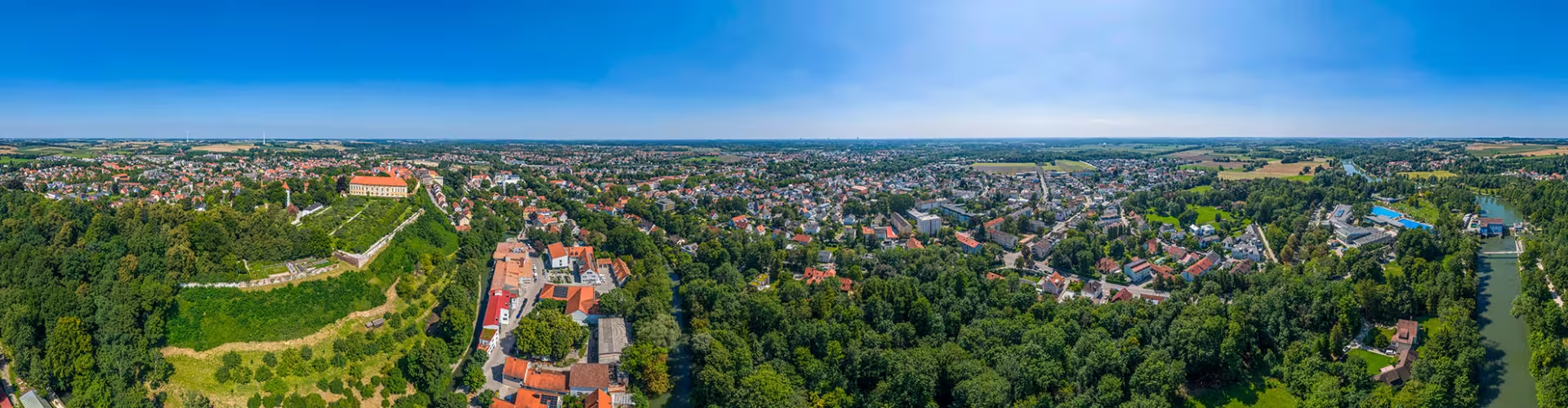


Dachau is often approached as a powerful day trip from Munich, but it also rewards travelers who slow down and see it as a real Upper Bavarian town with its own rhythms, viewpoints, and local life. This guide focuses on practical planning, meaningful experiences, and how to structure your time so your visit feels intentional rather than rushed. Expect a mix of history, quiet streets, and easy logistics that make Dachau straightforward to add to a Bavaria itinerary.
Dachau has a reflective, grounded vibe, shaped by its history and balanced by everyday Bavarian town life. Go now if you want a destination that is easy to reach, simple to navigate, and rich in context, especially for travelers building a deeper understanding of Germany beyond the big-city highlights. The signature experience is pairing a respectful historical visit with calm walks, local flavors, and a clear sense of place.
Dachau sits in Upper Bavaria in southern Germany, close to Munich, which makes it one of the most accessible destinations for travelers based in the Bavarian capital. The easiest gateway hub is Munich, where long-distance rail connections and regional transit make day trips simple to plan. If you are building a broader route through Bavaria, Dachau can also function as a quick stop between Munich and other Upper Bavarian towns.
Timing affects the feel of your visit more than the logistics. Warmer months generally bring more daylight and easier walking conditions, which can be helpful if you want to combine historical sites with town viewpoints and outdoor breaks. Cooler months can feel quieter and more contemplative, which some travelers prefer for reflective experiences, though you should plan for shorter days and layered clothing. For the best balance, aim for a weekday when you can, since day-trip demand tends to cluster around weekends.
Germany uses the euro, and Dachau follows the typical price level you will find around Munich and Upper Bavaria. Cards are widely used, but carrying some cash is still helpful for small purchases, bakeries, and quick snacks. A practical approach is to keep a small amount of cash for incidentals, then rely on cards for meals and larger expenses, which also helps you track spending across a multi-stop Bavaria itinerary.
1) Dachau Concentration Camp Memorial Site
This is the most significant reason many travelers come to Dachau, and it requires time, focus, and a respectful mindset. The experience is emotionally heavy and historically important, offering context that deepens any broader trip through Germany. Practical tip: plan your visit for earlier in the day if you want a quieter atmosphere and more time to process afterward.
2) Old Town Walk and Market Streets
Beyond the memorial, the town center shows the everyday face of Upper Bavaria, with streets that invite a slower pace and simple wandering. It is a good way to reset after a serious visit, and it helps you understand Dachau as a living community rather than a single landmark. Practical tip: build in a cafe stop so you are not rushing from one emotional high point to the next.
3) Dachau Palace and Views
For travelers who like viewpoints and cultural context, the palace area is a strong complement to the town walk. It adds a layer of regional history and gives you a sense of the landscape around Munich. Practical tip: go when the light is softer, either later afternoon or early evening, for calmer photos and a less hurried feel.
4) Local Museums and Cultural Stops
If you want a fuller picture of the town, small cultural visits can add depth between major highlights. They help connect local identity, art, and regional stories to the broader Upper Bavarian setting. Practical tip: keep this flexible, it works best as an add-on when weather shifts or you want an indoor break.
5) Bavarian Beer Garden Break
A beer garden stop is not just about food and drink, it is a social tradition that shows how locals spend unhurried time together. In Dachau, it can be a gentle way to transition from sightseeing to relaxation. Practical tip: go earlier if you want a quieter table, and remember that sharing tables can be normal in Bavaria.
6) Bakery and Morning Coffee Routine
A simple Bavarian breakfast, coffee and baked goods, can set the tone for a day that moves at the right speed. It is also a budget-friendly habit that keeps you fueled for walking. Practical tip: point to what you want at the counter if you are unsure of names, and consider taking something to go for later.
7) Photography Walks for Architecture and Street Scenes
Travelers who enjoy details will find plenty of calm street scenes, signage, and architectural textures that feel distinctly Bavarian. This is a low-pressure activity that can fill gaps between timed visits. Practical tip: keep your route simple and let yourself pause often, the best shots come from patience rather than distance covered.
8) Evening Wind-Down in Town
If you stay past the typical day-trip window, the town often feels more local and less schedule-driven. It is a good time for a relaxed dinner and a final walk. Practical tip: confirm your return transport plan before you sit down for a long meal, so you can enjoy the evening without clock-watching.
Start with a morning visit to the memorial site so you have time and emotional space for a thoughtful experience. Afterward, transition into the town center for a calm lunch and a slower walk through the old town streets. If energy allows, finish with a viewpoint or palace-area stop, then return to Munich or your base with a clear plan for transport and timing.
Day one can focus on the memorial site and a gentle town walk afterward, keeping the schedule intentionally light. Day two is for culture and atmosphere, add museums, longer café breaks, and a more deliberate photography walk, then end with a beer garden dinner. If you have a third day, use it for nearby excursions in Upper Bavaria, keeping Dachau as a calm base with easy connections back to Munich.
Weißwurst
Mild, delicate veal sausage with a soft texture, often paired with sweet mustard. Ordering tip: ask for the traditional pairing with a pretzel if you want the classic Bavarian breakfast feel.
Brezn (Pretzel)
Chewy, salty, and best when fresh, it is the easiest snack to carry between stops. Ordering tip: look for a bakery with high turnover so you get it warm or recently baked.
Schnitzel
Crisp breaded cutlet with a satisfying crunch and simple seasoning, usually served with potatoes or salad. Ordering tip: if you want something lighter, ask what side options are available before you order.
Schweinsbraten
Roast pork with rich flavor, often served with gravy and hearty sides. Ordering tip: come hungry, it is typically filling and best enjoyed when you have time to sit.
Knödel
Soft dumplings that soak up sauces and gravies, a classic comfort-food texture. Ordering tip: pair with a saucy main dish so you get the full effect.
Apfelstrudel
Warm apple pastry with cinnamon notes, sweet but not overly heavy. Ordering tip: ask if it is served warm, it makes a noticeable difference in flavor and texture.
Helles or Weißbier
Helles is smooth and malty, Weißbier is wheat-based with a softer, sometimes slightly fruity profile. Ordering tip: if you are unsure, start with a smaller pour and choose your favorite style for the second round.
Dachau is well-suited to a mix of public transit and walking, especially if you are coming from Munich. Plan your day around a few key anchors, such as the memorial site and the old town, then connect them with short transit hops or walks depending on your pace. Wear comfortable shoes, since even a compact itinerary can include more walking than expected.
For accessibility, build in extra time so you are not forced to rush between stops. If you are traveling with mobility considerations, prioritize direct connections and limit backtracking by grouping nearby sights together. As with most destinations, keep an eye on your belongings in transit hubs and on busy platforms, particularly during peak day-trip hours.
Munich
Travel time is short, and it is the main hub for transport connections, museums, and big-city dining. The reason to go is variety, you can pair a Dachau visit with major Bavarian highlights in one trip.
Upper Bavarian Lakes Region
Expect a longer ride than Munich, but the payoff is scenery, fresh air, and an outdoors-focused day. The reason to go is a landscape contrast to town streets and historical sites.
Other Upper Bavarian Towns
Short regional connections can lead to smaller towns with local food and a slower pace. The reason to go is to deepen your sense of Bavaria beyond the primary tourist circuit.
Munich Area Cultural Sites
The region around Munich includes additional cultural stops that fit well into a multi-day plan. The reason to go is to build a layered itinerary that balances history, art, and everyday life.
Is Dachau doable as a day trip from Munich?
Yes, it is one of the simplest day trips from Munich because the distance is short and transport is straightforward. Start early so you can visit the memorial site and still have time for the old town.
How much time should I plan for the memorial site?
Plan enough time so you are not rushing, since the experience is detailed and emotionally significant. Many travelers prefer to keep the rest of the day lighter afterward.
What is the best way to get around Dachau?
A combination of public transit and walking works well, especially if you anchor your day around a few key stops. Comfortable shoes and a simple route plan make a noticeable difference.
Should I stay overnight in Dachau or return to Munich?
If you want a focused visit, returning to Munich is convenient and keeps logistics simple. If you prefer a slower pace with evening dining and extra cultural stops, an overnight stay can be worthwhile.
What should I wear for a visit to Dachau?
Dress for walking and changing weather, and bring layers in cooler seasons. For the memorial site, choose comfortable, respectful clothing that helps you focus on the experience.