
Upper Bavaria is a region of southern Germany where Munich’s big city energy quickly gives way to storybook villages, alpine foothills, and lake country. It is an easy base for combining culture, nature, and food in one trip, with efficient rail links and a strong tradition of day trips. Use this guide to choose what fits your pace, from classic sights to slower scenic routes.
Upper Bavaria feels polished and outdoorsy at the same time, with beer gardens, Baroque churches, and mountain views often sharing the same afternoon. The signature vibe is a blend of Bavarian tradition and modern comfort, which makes planning simple even if you are short on time. Go now if you want a destination that works in every season, with lakes and hiking in warmer months, and cozy food culture when the weather turns cooler.
Upper Bavaria sits in southern Bavaria, bordering Austria and stretching from the Munich area into the Alpine foothills. Munich is the main gateway hub for trains and regional connections, and it is the most common starting point for exploring the wider region. From Munich, it is straightforward to branch out toward lake districts and mountain towns using regional rail and bus networks.
Warm-season travel is ideal for lakeside swimming, hiking, and long beer garden evenings, with longer daylight and a more outdoors-focused rhythm. Peak periods can feel busier around major sights and popular day trip routes, so early starts and weekday visits help. Cooler months are better for museums, historic interiors, and hearty dining, with a quieter atmosphere that suits travelers who prefer a slower pace.
The local currency is the euro, and cards are widely accepted, though carrying some cash is useful for smaller purchases and rural stops. Costs vary by location, with Munich typically feeling pricier than smaller towns, especially for central lodging. A practical approach is to balance a few “must-do” splurges with simple meals, regional trains, and free scenery, which is one of the best values in Upper Bavaria.
1) Base yourself in Munich for culture and connectivity
Munich is the region’s most efficient launchpad, with museums, historic streets, and fast links outward. It matters because it reduces transit friction and lets you mix urban culture with nature on the same trip. Practical tip, stay near a major transit station so early departures for day trips feel effortless.
2) Spend an afternoon in a traditional beer garden
Beer gardens are more than a drink stop, they are a social ritual that captures the local pace of life. It matters because it is one of the easiest ways to experience Bavarian etiquette, communal seating, and regional flavors. Practical tip, go earlier in the day for easier seating, and bring cash just in case.
3) Explore lake country for classic scenery
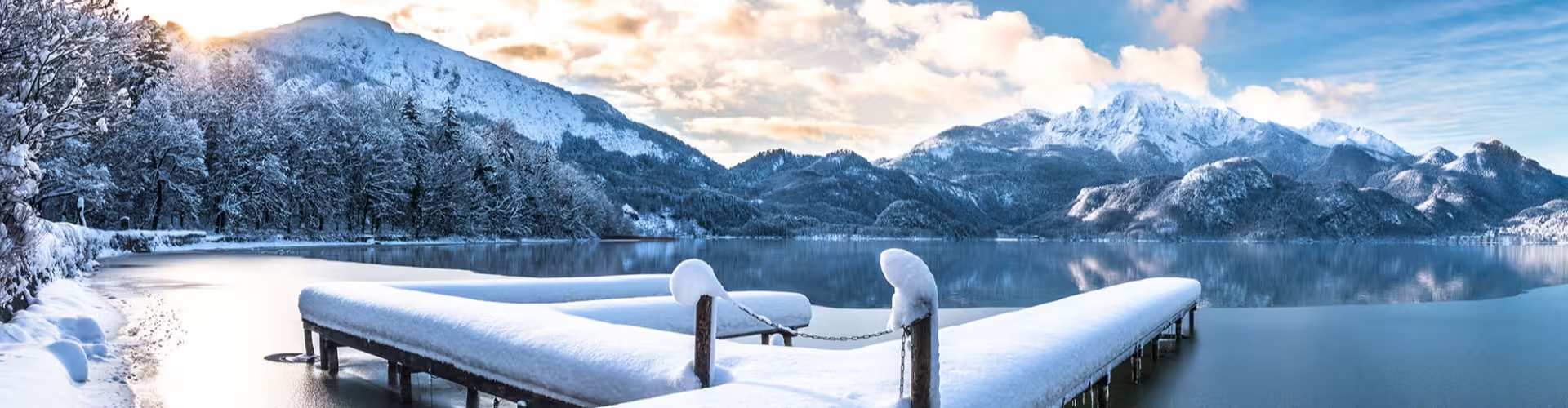
The lakes around Munich deliver the postcard look people associate with Upper Bavaria, calm water, mountain backdrops, and lakeside promenades. It matters because it is a low-effort nature day that still feels iconic. Practical tip, pack layers because lakeside weather can shift quickly even on sunny days.
4) Choose a foothills hike for big views without extreme effort
The Alpine foothills offer trails that feel rewarding without demanding technical skills, which suits many travelers. It matters because a short hike can deliver the region’s defining visual, green slopes, distant peaks, and tidy villages below. Practical tip, start in the morning to avoid mid-day crowds and to give yourself time for a relaxed meal after.
5) Seek out Baroque churches and monastery settings
Religious architecture is a major part of the region’s identity, with ornate interiors and quiet courtyards that contrast nicely with busy city streets. It matters because it adds historical depth and a sense of place beyond landscapes. Practical tip, dress respectfully and keep a light scarf or layer handy for cooler interiors.
6) Prioritize a scenic train ride between towns
Regional rail is part of the experience, not just a way to move, especially when routes cut through open countryside and foothill views. It matters because it turns logistics into sightseeing and reduces the need for a car. Practical tip, sit on the side of the train with the best light for photos, and keep your camera accessible.
7) Plan one “slow day” in a smaller town
Smaller towns reward unstructured time, with market squares, riverside walks, and local cafés that feel lived-in rather than staged. It matters because it is where Upper Bavaria feels most personal and less checklist-driven. Practical tip, leave your schedule open and follow local foot traffic toward viewpoints, churches, or parks.
8) Build in time for museums and historic interiors
When weather is unpredictable, indoor culture keeps your trip balanced and protects your itinerary. It matters because the region’s history is easier to understand through curated collections and preserved spaces. Practical tip, visit earlier in the day to keep afternoons free for flexible outdoor plans.
Start in Munich with a focused city walk that covers a central historic area, then pause for a classic Bavarian lunch. In the early afternoon, take a regional train out to a nearby lake or foothills viewpoint for a quick nature reset. Return to the city for an evening beer garden or a cozy dinner, which is a satisfying way to sample Upper Bavaria in a single day.
Day 1, use Munich as your culture day, pairing a museum visit with a relaxed neighborhood walk and a traditional meal. Day 2, choose a lake day with an easy promenade or swim, then add a smaller town stop for coffee and people-watching. Day 3, go for a foothills hike or a scenic rail loop, and finish with a slower evening that leaves space for local specialties and a last stroll.
Weißwurst, mild veal sausage with a delicate, savory profile. Ordering tip, pair it with sweet mustard and a soft pretzel for a classic combination.
Brezn, a chewy pretzel with a deep baked crust and a salty finish. Ordering tip, ask for it fresh, and enjoy it with a simple drink or as a side with sausage.
Schweinshaxe, roasted pork knuckle with crisp skin and rich, hearty meat. Ordering tip, share it if you are not very hungry, it is often filling.
Obatzda, a creamy cheese spread with a tangy, paprika-leaning flavor. Ordering tip, it is ideal as a starter with bread or pretzels in a beer garden setting.
Käsespätzle, soft egg noodles with melted cheese and a comforting, savory taste. Ordering tip, look for versions topped with fried onions for extra texture.
Apfelstrudel, apple pastry with warm spice notes and a light sweetness. Ordering tip, ask if it comes with vanilla sauce for a more dessert-like finish.
Helles or Weißbier, classic Bavarian beer styles, one clean and smooth, the other wheat-forward and aromatic. Ordering tip, if you prefer lighter bitterness, try Helles first.
Public transport is one of the easiest ways to travel around Upper Bavaria, especially when using Munich as your hub. Walking works well in city centers and smaller towns, while regional trains and buses connect lakes and foothills destinations without the stress of parking. If you choose ride-sharing or taxis, they can be useful late at night or for short hops, though they are less cost-effective for longer day trips. For safety and comfort, keep an eye on weather changes for outdoor days, and wear shoes that handle cobblestones and wet paths.
Lake day from Munich
Travel time, often under a couple of hours depending on the lake and route. Primary reason, easy-access scenery, swimming spots in warm weather, and lakeside walks with mountain views.
Foothills hiking area
Travel time, commonly a short regional trip from Munich. Primary reason, panoramic viewpoints and trails that deliver the Alpine feel without a complex plan.
Smaller town market squares
Travel time, typically reachable by regional rail from Munich. Primary reason, slower pace, local cafés, and a more intimate look at daily life in Upper Bavaria.
Historic church and monastery stops
Travel time, varies by location and connections. Primary reason, ornate interiors, quiet courtyards, and a deeper sense of the region’s history and art.
Munich is the most practical base because it has strong transport connections and plenty of cultural options. It also makes it easy to mix city time with day trips to lakes and foothills.
One day is enough for a highlights sampler, especially if you focus on Munich plus one nearby nature stop. For a more relaxed pace with lakes and a hike, plan 2 to 3 days in Upper Bavaria.
A car is not required for many itineraries, especially if you use regional trains and buses. A car can help for rural flexibility, but it also adds parking and driving considerations.
Bring layers, a light rain option, and shoes that handle cobblestones and damp paths. Even on sunny days, lakes and foothills can feel cooler than the city.
Costs can feel higher in Munich, particularly for central lodging and popular dining areas. Smaller towns can be gentler on the budget, and public transport helps manage costs across Upper Bavaria.