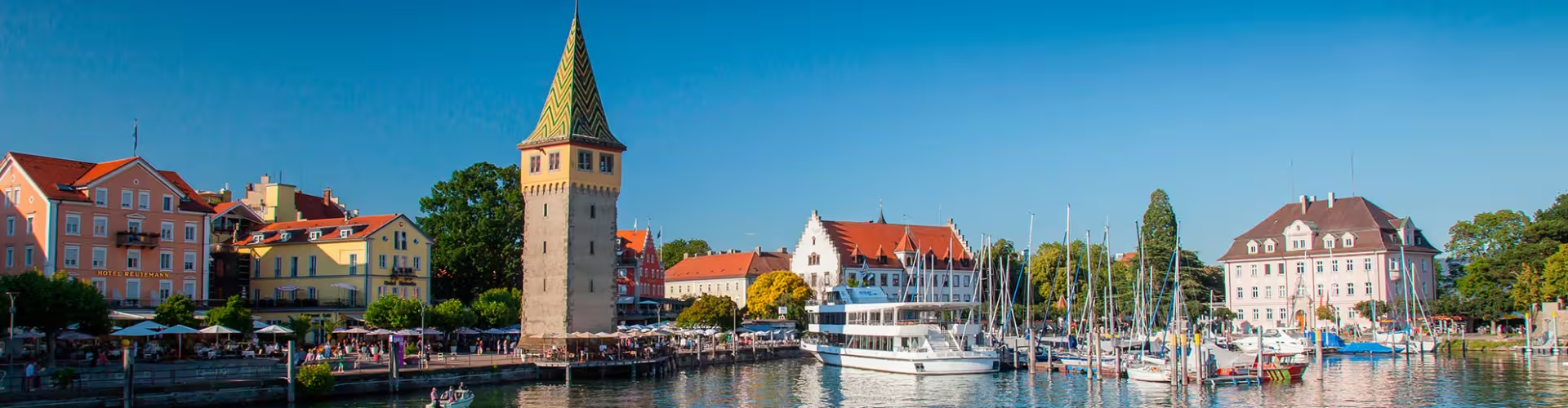


Swabia Region is Bavaria’s south western corner where Alpine foothills, baroque towns, and big nature sit close enough to combine in a single trip. The pace feels grounded and local, with traditional food culture, walkable historic centers, and easy access to lakes and mountains. Use this guide to plan routes, choose the right season, and prioritize experiences that match your travel style.
Swabia Region blends storybook scenery with practical, traveler friendly infrastructure, so you can go from a city museum to a lakeside walk without complicated logistics. The signature vibe is classic Bavaria with a slightly quieter feel than the state’s biggest hotspots. It is a strong choice when you want culture, nature, and food in a compact area, with enough variety for both short breaks and longer loops.
Swabia Region sits in the south west of Bavaria, bordering Baden Württemberg and reaching toward the Alps. It is commonly approached via major Bavarian and southern German transport hubs, then continued by regional rail and road connections into towns and rural areas. For planning, think of it as a bridge between urban Bavaria and mountain and lake landscapes, which makes it easy to combine multiple settings in one itinerary.
Travel timing in Swabia Region depends on whether you prioritize lakes and hiking, winter atmospheres, or quieter sightseeing. Warmer months suit outdoor days and longer daylight for scenic drives and walks, but they can bring higher demand in popular nature areas. Cooler months favor museums, thermal style downtime, and cozy dining, with fewer crowds in many towns. Shoulder seasons can feel like the best compromise, with flexible availability and comfortable conditions for mixed city and countryside plans.
The currency is the euro, and day to day travel is straightforward if you plan for a mix of card and cash. In smaller places, having some cash can help for quick purchases, bakeries, and local markets. Budget levels vary by accommodation style and how many attractions you bundle into a day, so it helps to prioritize a few paid highlights and balance them with free scenic walks and town exploration. For smoother spending, keep a small buffer for transport changes and spontaneous food stops, which are often the most memorable part of the trip.
Neuschwanstein Castle. This is the headline icon many travelers associate with Bavaria, and it delivers on drama with its fairytale silhouette and mountain setting. It matters because it anchors the region’s romantic image and pairs naturally with nearby nature viewpoints. Practical tip, plan your day around the light for photos, and build in time for walking between viewpoints and transport points.
Füssen Old Town. Füssen offers a compact historic center that feels easy to enjoy without rushing, especially if you like small lanes, local shops, and café breaks. It matters because it provides a calmer counterpoint to big ticket sightseeing nearby. Practical tip, use it as a base for early starts, and end your day here with a relaxed dinner pace.
Augsburg. As one of Germany’s historic cities, Augsburg adds depth to a Swabia Region trip with architecture, urban culture, and a stronger sense of everyday life. It matters because it broadens your itinerary beyond alpine imagery and adds indoor options if the weather shifts. Practical tip, schedule it on a weekday if you prefer a less crowded feel in central areas.
Allgäu landscapes. The Allgäu area is where pastoral scenery, foothills, and mountain routes create the classic outdoorsy Bavaria mood. It matters because it is the region’s natural playground, making it ideal for travelers who want scenic drives and walking routes. Practical tip, keep your plan flexible, and choose routes based on visibility and conditions rather than forcing a strict schedule.
Lake time in the Bavarian foothills. Lakeside stops are an easy win for picnics, gentle walks, and a slower afternoon between towns. It matters because it gives you a restorative rhythm and balances intensive sightseeing days. Practical tip, pack a light layer even in warmer seasons, since breezes near water can change comfort quickly.
Baroque churches and small town squares. Across Swabia Region, religious architecture and market squares deliver the visual personality of the area, with ornate interiors and photogenic facades. It matters because these stops often require minimal planning and can be enjoyed in short bursts. Practical tip, carry a quiet respect for local customs, and aim for earlier hours if you want a calmer atmosphere.
Scenic drives and viewpoint stops. Road routes can be as memorable as the destinations, especially where valleys open into mountain panoramas. It matters because it lets you stitch together towns, lakes, and nature without feeling like you are constantly commuting. Practical tip, add extra time for spontaneous pull offs, and keep your camera accessible for quick stops.
Local food experiences. Swabian cuisine is hearty and satisfying, and it belongs on your must do list as much as any landmark. It matters because food is one of the fastest ways to understand local identity, especially in traditional restaurants and bakeries. Practical tip, try regional specialties at lunch for better availability, then keep dinner for a slower sit down meal.
Start early with Neuschwanstein Castle as your anchor, then pace your morning around viewpoints and walking time so the experience feels scenic rather than rushed. Shift to Füssen Old Town for a mid day break, with a simple lunch and time to wander the center. In the afternoon, add a lake walk or a short countryside drive in the Allgäu direction to capture the region’s outdoorsy character. End the day with a relaxed meal focused on local dishes, which is often the most rewarding way to close a packed itinerary.
Day one, focus on the castle area and Füssen, then add an unhurried evening in town so you are not constantly on the move. Day two, dedicate your time to Allgäu landscapes, mixing short walks, viewpoints, and small town stops, and leave space for weather based decisions. Day three, add Augsburg for a city contrast, with architecture and cultural stops that round out your understanding of Swabia Region. This structure balances iconic sights with local texture, and it reduces fatigue by alternating intensive days with slower ones.
Spätzle. Soft egg noodles that feel comforting and filling, often served as a side or main. Ordering tip, ask for a version that highlights local cheese if you want a richer, more indulgent plate.
Käsespätzle. A heartier take on spätzle with melted cheese, often finished with onions for extra depth. Ordering tip, it can be quite filling, so consider sharing if you are planning a big sightseeing day.
Maultaschen. Stuffed pasta pockets with a savory profile, commonly served in broth or pan fried. Ordering tip, if you want something lighter, choose the broth style, and pair it with a simple salad.
Schupfnudeln. Potato based noodles with a satisfying chew, often served with savory accompaniments. Ordering tip, ask what the house style is, since preparation can vary by place.
Roast style meat dishes with gravy. Traditional plates lean hearty, ideal after a day outdoors. Ordering tip, look for seasonal sides, which can add freshness and regional character.
Apple and pastry desserts. Sweet finishes often lean on fruit and warm spices. Ordering tip, pair dessert with coffee for a slower break, especially on cooler days.
Getting around Swabia Region usually means combining rail for bigger towns with buses or a car for rural viewpoints, lakes, and mountain foothill areas. Walking works well within historic centers like Füssen and city areas like Augsburg, where the best moments often happen at street level. If you are driving, plan for slower scenic roads and build in time for stops, since the landscape invites detours. For comfort and safety, wear shoes suitable for uneven cobblestones and short hikes, and keep a light layer and rain protection handy to adapt to changing conditions.
Allgäu day loop. A nature focused day trip that emphasizes scenery, short walks, and viewpoints. It is ideal when you want the outdoors without committing to a full multi day hiking plan.
Augsburg as a culture day. A city day that adds architecture and a more urban rhythm to your trip. It is a strong choice if you want variety or need an option that is less dependent on perfect weather.
Füssen plus lakes. Pair town exploration with a lakeside pause for a balanced day that feels restorative. It works well if you want a slower pace after a big sightseeing morning.
Castle and countryside combination. Use the iconic castle visit as the anchor, then widen your day with rural stops for photos and local food. It helps turn a single headline attraction into a fuller regional experience.
Q1. How many days do you need for Swabia Region?
Two to three days is a comfortable baseline if you want one iconic highlight plus time for towns and nature. A single day can work if you focus on one area and keep logistics simple.
Q2. Is it better to stay in Füssen or Augsburg?
Füssen suits travelers prioritizing the castle area and a small town base with quick access to lakes and countryside. Augsburg is better if you want a city rhythm, more urban dining, and an architecture focused day plan.
Q3. What is the easiest way to get around Swabia Region?
Use trains for bigger town connections, then add buses or a car for rural areas and viewpoints. Within town centers, walking is often the most efficient way to experience the atmosphere.
Q4. When is the best time to visit Swabia Region for fewer crowds?
Shoulder seasons can feel quieter while still offering comfortable conditions for mixed sightseeing and short walks. Cooler months can also be calmer in many towns, with more emphasis on indoor culture and dining.
Q5. What should you pack for a trip around the Swabia Region?
Bring comfortable walking shoes for cobblestones and short hikes, plus layers for changing conditions. A light rain layer and a day bag for water and snacks can make day trips much easier.