
Explore Tours

Build your dream
experience

More to know about Oberbayern
Oberbayern Travel Guide
Snapshot
Oberbayern balances alpine drama with elegant cities, where lakeside promenades, beer gardens, and mountain panoramas can all fit into the same day. It is a region of Bavaria that feels both polished and outdoorsy, with Munich as a cultural anchor and the Alps close enough for spontaneous escapes. Go now for shoulder season calm, crisp visibility in the mountains, and a travel rhythm that shifts easily between museums, markets, and trailheads.
🗺️ Geography and Logistics
📍 Orientation: Where is it within Bavaria and Germany?
Oberbayern sits in southern Germany within Bavaria, stretching from Munich down to the northern edge of the Alps and across a landscape of lakes, valleys, and historic towns. Munich is the main hub for arrivals and connections, and it is the easiest base for day trips into the foothills and to nearby lake districts. If you prefer a quieter entry point, regional rail links connect smaller towns across the area, which can reduce time spent backtracking through the city.
🕒 When to Go: Seasonal breakdown
Timing in Oberbayern is about matching your priorities to the season. Summer brings the fullest lake life and the widest range of mountain access, but also the highest demand for popular viewpoints and classic attractions. Spring and autumn often feel more spacious, with comfortable walking temperatures and a calmer pace in towns, plus clear days that suit photography. Winter shifts the focus toward alpine scenery, cozy interiors, and seasonal traditions, and it can require more flexibility if weather affects mountain transport.
💰 Budget & Currency: Practical money tips
Germany uses the euro, and Oberbayern generally reflects big city pricing in Munich and more moderate costs in smaller towns. Cards are widely accepted, but keeping some cash is practical for small bakeries, rural guesthouses, and market stalls. For better value, consider staying slightly outside the most central areas and using regional trains for day trips, which can reduce accommodation costs without sacrificing access.
⭐ Essential Things to Do
Explore Munich’s historic core. Munich is the cultural gateway to Oberbayern, and its old town streets make an easy first impression with landmark squares, churches, and traditional façades. It matters because the city provides context for Bavarian identity through architecture, museums, and everyday rituals like bakery breakfasts. Practical tip, start early to enjoy quieter streets and plan your museum time around the weather.
Take a lake day in the Bavarian foothills. The lakes of Oberbayern are a signature experience, with clear water, mountain backdrops, and promenades that invite slow travel. It matters because a lake day balances the region’s high energy city breaks with a calmer, nature-forward pace. Practical tip, pack layers because lakeside breezes can feel cool even on warm days.
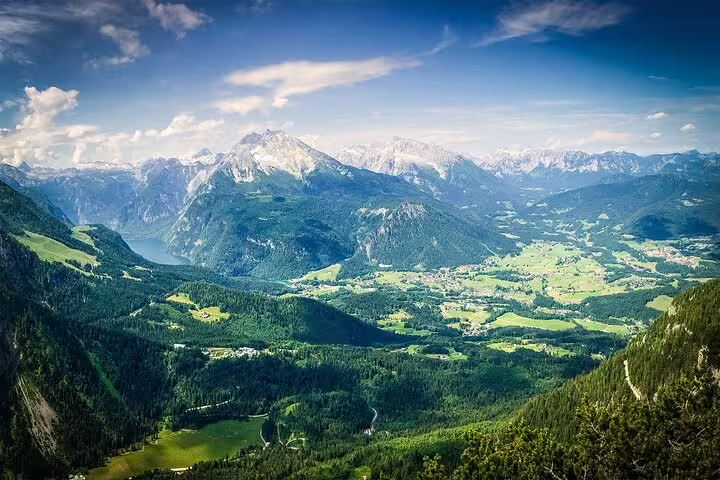
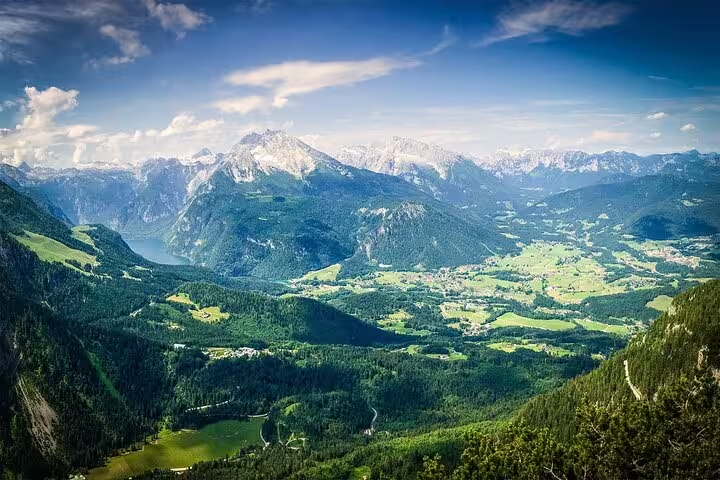
Ride a mountain lift for panoramic views. The Alps are a defining presence in Oberbayern, and lift access can turn a short visit into a high impact viewpoint experience. It matters because the region’s geography becomes instantly legible from above, with valleys, lakes, and ridgelines laid out in one frame. Practical tip, check conditions locally and aim for earlier rides when visibility is often best.
Walk a classic riverside or park route. Urban green spaces and river paths are part of daily life in Bavaria, and they offer an easy way to reset between sights. It matters because you get a local style of travel that is relaxed, social, and naturally scenic without needing a full day plan. Practical tip, bring a reusable bottle and pause at a café rather than trying to see everything at once.
Visit a storybook castle setting. Oberbayern is closely associated with romantic landscapes and royal era architecture, and castle visits connect that imagery to real places. It matters because these sites reveal how power, art, and landscape design shaped Bavarian tourism long before modern travel trends. Practical tip, arrive early or later in the day to avoid peak crowds and consider combining the visit with a nearby town stroll.
Spend an afternoon in a traditional beer garden. Beer gardens are a social institution in Oberbayern, where long tables, shaded chestnut trees, and simple food create a communal mood. It matters because this is one of the most accessible ways to experience local etiquette and regional flavors without a formal setting. Practical tip, bring cash and be ready to share tables, it is part of the culture.
Sample local markets and bakeries. Markets and bakeries show the everyday side of Oberbayern, from seasonal produce to pretzels and pastries. It matters because food culture here is not only about restaurants, it is about routines and regional ingredients. Practical tip, go earlier for the best selection and plan a picnic for a park or lakeside stop.
Choose a scenic rail ride through the region. Regional trains connect cities, lake towns, and alpine gateways with views that make the journey part of the experience. It matters because you can reduce driving stress and still reach a wide range of landscapes across Oberbayern. Practical tip, keep your day flexible and build in buffer time for transfers so the trip stays enjoyable.
🚶 Curated Itineraries
⏰ The Highlights (1 Day)
Start in Munich with a focused walk through the historic center, then pause for a bakery breakfast and a museum or landmark that matches your interests. Shift to a green escape by walking a river path or relaxing in a major park, then commit to one signature experience, either a lake afternoon or a quick alpine viewpoint via lift depending on weather. End with an early evening beer garden meal, which keeps the pace social and leaves room for a relaxed return.
⏰ Deep Dive (2-3 Days)
Day one stays city centered, combining Munich’s old town, a museum, and a long park walk to set the cultural baseline. Day two heads into the foothills for a lake and village combination, giving you time for promenades, short hikes, and a slower lunch. Day three is for the Alps or a castle focused route, with a scenic train ride and a flexible plan that adapts to visibility, crowds, and your energy level.
🍽️ Flavors of Oberbayern
Weißwurst is a mild, delicate veal sausage traditionally paired with sweet mustard and a soft pretzel. Ordering tip, ask for the classic pairing and enjoy it earlier in the day if you want the most traditional experience.
Brezn is the Bavarian pretzel, chewy with a deep brown crust and a clean salt finish. Ordering tip, buy it from a bakery for the freshest texture and pair it with a simple coffee for a quick breakfast.
Schweinsbraten is roast pork with a rich, savory profile, often served with gravy and hearty sides. Ordering tip, look for a lunch menu option if you want a better value meal in traditional restaurants.
Obatzda is a creamy cheese spread with a tangy, spiced taste that works well with bread or pretzels. Ordering tip, it is ideal to share in a beer garden, especially if you want a lighter food order.
Knödel are dumplings that can be bread based or potato based, designed to soak up sauces and gravies. Ordering tip, if you are unsure, ask what type comes with the dish because textures vary by kitchen.
Apfelstrudel is a warm apple pastry with cinnamon notes, often served as a comforting dessert. Ordering tip, ask if it comes warm and consider pairing it with coffee for a classic afternoon break.
Helles is a pale lager associated with Munich and the wider region, clean and easy to drink. Ordering tip, if you want something less bitter, this is often the safest first choice in Bavaria.
🚌 Navigation & Transport
Getting around Oberbayern is straightforward if you combine city transit with regional rail. Munich is highly walkable in central areas, and public transport helps you connect efficiently between districts and stations. For lake towns and alpine gateways, trains and buses are a practical option that also reduces parking stress, while car travel can be useful if you want to link smaller villages on your own schedule. For safety and comfort, plan for changing weather, wear stable shoes for cobblestones and trails, and keep an eye on local updates if conditions affect mountain routes.
🌄 Beyond the Center: Day Trips
Lake districts in the foothills. Travel time varies by starting point, and many spots are reachable by regional rail. The main reason to go is the mix of clear water, promenades, and mountain views that define the region’s relaxed outdoor lifestyle.
Alpine viewpoints and hiking gateways. Travel time depends on the specific mountain area and whether you use trains, buses, or a car. The main reason to go is the high impact scenery, with lift access that can suit both casual visitors and hikers.
Castle and royal heritage routes. Travel time depends on the site and your base, with options that can be paired with nearby towns. The main reason to go is to connect Bavaria’s romantic image with real history, landscape design, and cultural storytelling.
Small towns and monasteries. Many are reachable on regional lines, often with a short local connection. The main reason to go is atmosphere, with quieter streets, traditional architecture, and a slower pace that complements Munich.
✅ Insider Tips for Travelers
- Build your days around weather, save mountain viewpoints for the clearest forecast window.
- Start early for popular sights, crowds tend to rise quickly in peak season.
- Carry cash for small food spots, markets, and some rural businesses.
- Pack layers, conditions shift between city streets, lakesides, and higher elevations.
- Choose one major highlight per day, then add flexible time for parks, cafés, and scenic walks.
- In beer gardens, sharing tables is normal, a friendly greeting goes a long way.
- Use regional trains for day trips, it reduces parking stress and keeps the trip scenic.
❓ Frequently Asked Questions, FAQ
Is Munich a good base for exploring the region?
Yes, Munich is the main transport hub and makes day trips simple by rail and bus. It also gives you plenty to do in the evenings after returning from lakes or mountains.
How many days do you need for a first trip?
One day covers the essentials, but two to three days lets you combine the city with a lake and an alpine viewpoint. A longer stay gives you more flexibility for weather changes.
Do I need a car in Oberbayern?
Not necessarily, many routes work well with public transport, especially from Munich. A car can help if you want to link smaller villages or move on your own schedule in rural areas of Oberbayern.
What should I pack for changing conditions?
Bring layers, comfortable walking shoes, and a light rain option. Even on warm days, lakeside breezes and higher elevations can feel noticeably cooler.
When is the best time to visit Oberbayern for fewer crowds?
Spring and autumn often feel calmer while still offering great walking weather and clear views. Summer is lively and scenic, but it tends to be the busiest across Oberbayern.
This guide explains how to plan a trip across Oberbayern, focusing on practical logistics, seasonal considerations, and curated experiences. It is written by Toursxplorer.com to help travelers compare options and build efficient itineraries.
Europe, Germany, Bavaria, Oberbayern, Munich, Bavarian Alps, lakes, castles, beer gardens, regional rail