Nuremberg blends medieval atmosphere with a thoughtful, modern energy, where castle views, craft traditions, and layered 20th century history sit within an easy-to-navigate old town. It is a city that rewards travelers who like to walk, pause in market squares, and balance iconic sights with quieter corners. Go when you want a culture-rich break that feels compact and efficient, yet deep enough for repeat visits.
Nuremberg sits in northern Bavaria within the Middle Franconia Region, a historic area known for trade routes, walled towns, and a strong regional identity. The city is a major rail hub, which makes it practical for travelers combining Bavaria with other parts of Germany. For arrivals, the most straightforward gateways are local and regional airports around Bavaria and Germany, plus long-distance trains that connect through major German hubs.
Plan your timing around your preferred pace and atmosphere. Warmer months generally bring longer days for walking and outdoor dining, along with higher visitor volumes in the central lanes and main squares. Cooler months can feel more intimate, with a cozier café rhythm and fewer crowds, but you will want layers and weather flexibility for longer walks.
Germany uses the euro, and you can expect a typical Central European mix of card-friendly businesses alongside places that still appreciate cash for small purchases. Carry a small amount of cash for quick snacks, market buys, or smaller venues, then use a card for hotels and larger meals. A practical approach in Nuremberg is to budget a bit more for central convenience, then save by walking between clusters of sights rather than hopping between paid transport options.
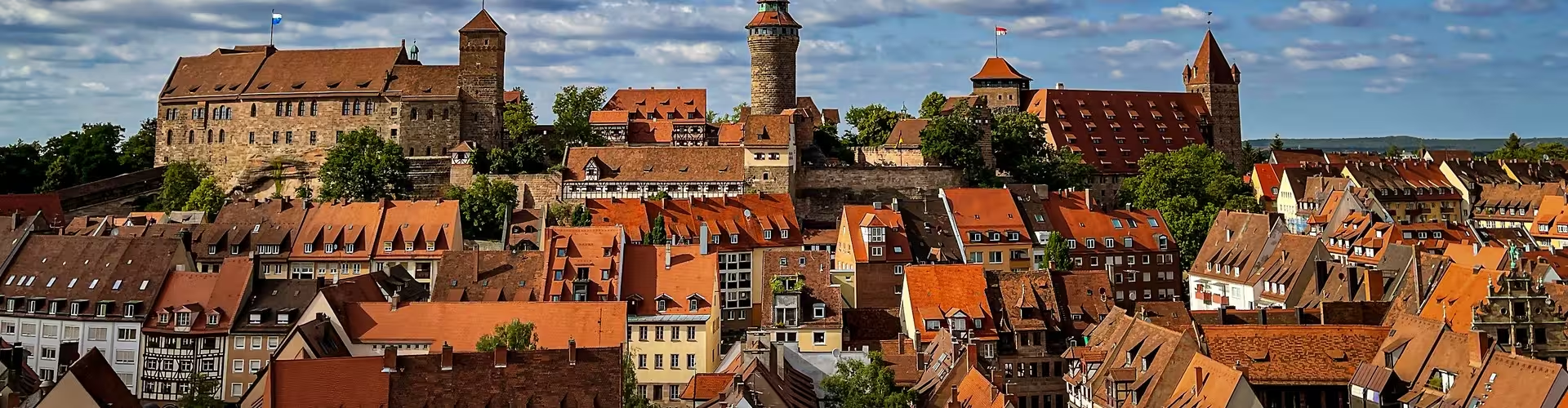
Imperial Castle, Kaiserburg. The castle presence defines the skyline and gives you a strong sense of why this city mattered strategically and symbolically. It is a top choice for panoramic views and for understanding the medieval backbone of the old town. Practical tip, go earlier in the day for clearer photos and a calmer climb.
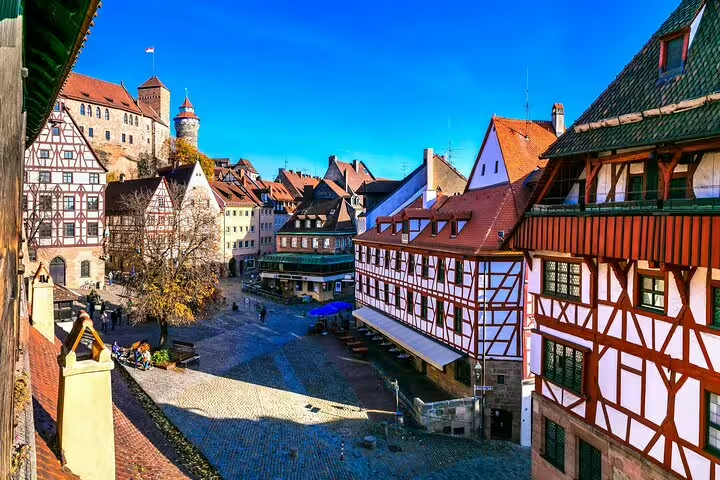
Old Town, Altstadt Walk. The historic core is compact, and it is best experienced on foot, following the curve of old streets that reveal churches, courtyards, and small shops. The vibe shifts quickly from lively squares to quieter lanes, which makes it ideal for slow travel. Practical tip, map a loose loop and allow time to stop often, the best moments are unplanned.
Main Market Square, Hauptmarkt. This is the city’s social stage, where seasonal events, daily rhythms, and postcard architecture meet. Even without a specific event, it is a useful anchor point for navigation and people watching. Practical tip, visit once in the morning for atmosphere, then again at dusk for softer light.
St. Lorenz Church, Lorenzkirche. The scale and artistry communicate the wealth and ambition of a major medieval trade city. It is also a quiet counterpoint to the busy shopping streets nearby. Practical tip, step inside to reset your pace, then continue your walk refreshed.
St. Sebald Church, Sebalduskirche. This church connects you to the older layers of the city and the local devotion that shaped civic identity. Its setting near key historic streets makes it easy to pair with other central sights. Practical tip, combine it with a castle-bound walk for a natural narrative arc from sacred to imperial.
Documentation Center Nazi Party Rally Grounds. This site is essential for travelers who want context and clarity about 20th century history and how it is interpreted today. Expect a sobering, information-rich experience that contrasts with the medieval charm of the center. Practical tip, plan for emotional bandwidth, and consider pairing it with a quieter evening afterward.
Courtroom 600, Nuremberg Trials Memorial. This is one of the most globally significant places connected to postwar justice and international law. It adds a crucial layer to understanding why Nuremberg is more than a fairy-tale old town. Practical tip, check access guidance before you go, and aim for a focused visit when you can read and reflect.
Germanisches Nationalmuseum. A strong choice for travelers who want a broader cultural frame, from art and artifacts to the everyday materials that explain German-speaking Europe. It is also a smart option when weather is unpredictable. Practical tip, prioritize a few themes rather than trying to see everything in one go.
Handwerkerhof. This crafts-focused area is a quick immersion in traditional aesthetics and small-scale shopping. It can feel touristy at peak times, but it is still useful for gifts and for seeing craft motifs that echo across Franconia. Practical tip, go early or later in the day, and look for locally made items rather than generic souvenirs.
Start with a morning walk through the Old Town, Altstadt, using the Main Market Square, Hauptmarkt as your orientation point. Continue to St. Lorenz Church, Lorenzkirche and then cross toward St. Sebald Church, Sebalduskirche to feel the shift in atmosphere from commercial to historic. Finish with the climb to the Imperial Castle, Kaiserburg for views that tie the city together, then keep the evening flexible for a relaxed meal and a second stroll when the streets quiet down.
Use day one for the classic center loop, then slow down on day two with a museum block at the Germanisches Nationalmuseum and a crafts stop at Handwerkerhof. Reserve a dedicated half day for the Documentation Center Nazi Party Rally Grounds and, if possible, the Courtroom 600, Nuremberg Trials Memorial, so you are not rushing through heavy material. On the final day, revisit your favorite neighborhood streets in the Middle Franconia Region capital for café time, photo walks, and shopping with more intention.
Nürnberger Rostbratwürste. Small, savory grilled sausages with a distinctive Franconian seasoning profile. They are often enjoyed in a simple, satisfying format that suits a walking day. Ordering tip, ask for the traditional local style serving, and pair it with something crisp to drink.
Lebkuchen. Spiced gingerbread that can range from soft and fragrant to richer, nut-forward versions. It is closely associated with local tradition and makes an easy edible souvenir. Ordering tip, try a small assortment first, then buy your favorite style to take home.
Franconian Beer. The region has a strong beer culture, and a tasting can be a relaxed way to end a sightseeing loop. Expect a straightforward, food-friendly approach that pairs well with hearty dishes. Ordering tip, ask what is local to the region, and choose a style that matches your meal.
Schäufele. A classic Franconian pork dish with a rich, comforting profile that suits cooler weather and long evenings. It is typically filling, so it works best when you have had an active day. Ordering tip, plan it as your main meal, and keep lunch lighter.
Bratwurst with Sauerkraut. A simple combination that highlights the city’s comfort-food identity. The tang of sauerkraut balances the savory meat and keeps the plate from feeling too heavy. Ordering tip, if you want a lighter version, ask for a smaller portion and add a side salad if available.
Apple Spritzer and Nonalcoholic Options. A refreshing choice when you are walking a lot, especially in warmer months. It is common to find simple, reliable nonalcoholic drinks that still feel local and satisfying. Ordering tip, ask for a spritzer style drink if you want something less sweet.
Nuremberg is well suited to walking, especially in the historic center where many major sights sit within a compact radius. Public transport is useful for reaching sites outside the core, including the rally grounds and other districts, and it can reduce fatigue if you are balancing long museum visits with evening plans. If you use ride-sharing or taxis, treat them as a convenience option rather than your default, since walking often gives you the best sense of the city’s texture.
For safety and comfort, keep an eye on cyclists in shared spaces and be mindful of cobblestones that can be slippery in wet weather. Travelers with mobility needs may find some historic lanes uneven, so it helps to plan a route that prioritizes smoother main streets and allows extra time between stops.
Bamberg. Often visited for its historic townscape and atmospheric river setting. It is a strong choice if you want a different Franconian city feel with a slower pace. Travel time varies by route, and it is commonly done as a day trip by train.
Rothenburg ob der Tauber. A classic walled town experience that leans heavily into medieval visuals and photogenic streets. It is ideal if you want a storybook contrast to the more layered identity of Nuremberg. Travel time depends on connections, so plan the logistics in advance.
Würzburg. Known for grand architecture and a cultured city energy, it works well for travelers who want a change of scale. It can be paired with wine country themes depending on your interests. Travel time varies, and rail is a common option.
Regensburg. A compelling historic city that adds depth to a Bavaria itinerary, with a strong sense of continuity across centuries. It is a good pick if you want another walkable center with a distinct atmosphere. Travel time depends on your chosen route and schedule.
Is Nuremberg walkable for first-time visitors?
Yes, the historic center is compact and many major sights sit within an easy walking loop. Wear comfortable shoes because cobblestones and uneven lanes can slow your pace.
How many days do I need in Nuremberg?
One day covers the core highlights like the old town and castle viewpoints. Two to three days lets you add museums and the major 20th century history sites without rushing.
When is the best time of day for photos in the old town?
Morning is typically calmer for wide shots in the main squares and narrow streets. Dusk can give softer light and a more atmospheric feel as the city transitions into evening.
Do I need cash, or can I rely on cards?
Cards are widely useful for hotels and larger bills, but it is smart to carry some cash for small purchases. This is especially helpful for quick snacks or market-style stops.
How should I plan visits to the rally grounds and trials-related sites?
Give yourself a dedicated time block so you can read exhibits and reflect without feeling rushed. Many travelers prefer to pair these visits with a quieter evening plan afterward.