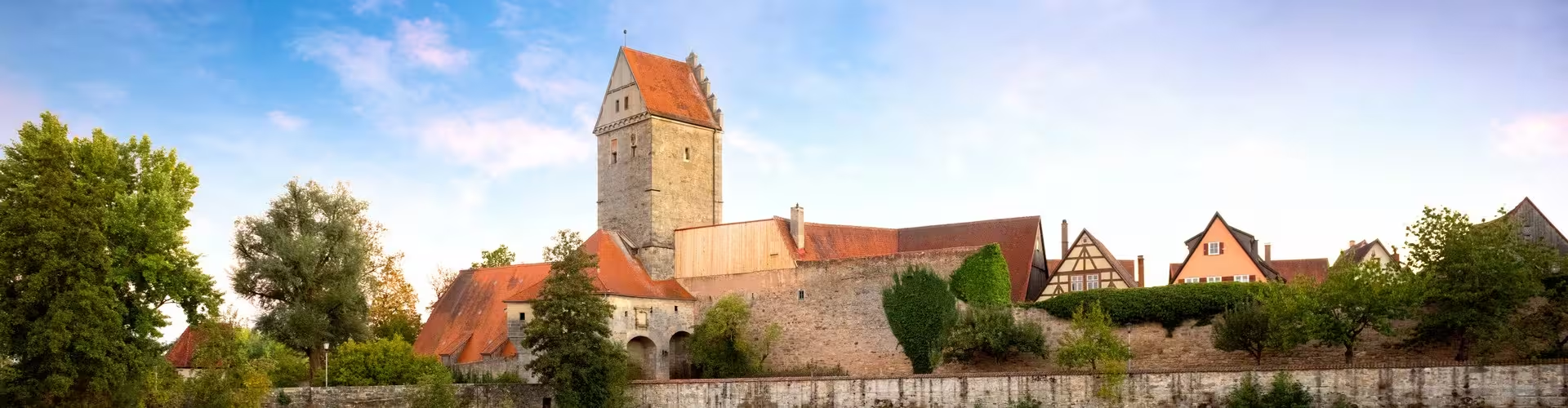
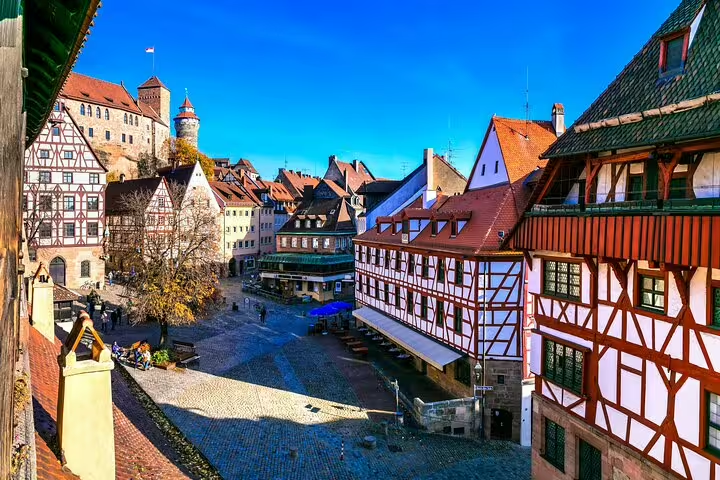
Middle Franconia Region is Bavaria at its most storybook and most livable, a place where imperial history, riverside walks, and village calm sit close to energetic city culture. Think sandstone old towns, half timbered facades, Franconian beer gardens, and day trips that shift from castle views to forest trails in under an hour. This guide focuses on practical planning, what to prioritize, and how to shape a trip that feels unhurried but full.
Middle Franconia Region balances a proud medieval backbone with an easygoing modern rhythm, so you can spend the morning in a museum district and the afternoon on a riverside path with locals. Go now if you want a destination that delivers big highlights without the pressure of constant queues, especially when you plan your days around early starts and relaxed evenings. It is ideal for travelers who like walkable cities, regional food, and short hops into nature.
Middle Franconia Region sits in northern Bavaria, within the wider Franconia area of southern Germany. The main hub is Nuremberg, which works as the most practical base for transport connections, day trips, and a good spread of accommodation. For arrivals, look for rail connections through major German hubs, and consider flying into nearby airports that connect smoothly onward by train.
Plan around what you want your days to feel like. Warmer months suit beer gardens, river walks, and longer daylight for photography, but popular sights can feel busier at midday. Cooler months emphasize museums, hearty dining, and atmospheric old towns, especially when the light turns golden earlier. Shoulder season is often the easiest choice if you want comfortable walking weather and a calmer pace.
Germany uses the euro, and you can expect a wide range of price levels depending on whether you stay central in a big city or base yourself in a smaller town. Cards are common, but it is smart to carry some cash for smaller bakeries, market stalls, and traditional pubs. If you are watching spend, make lunch your main meal, use regional trains for day trips, and focus on public parks, viewpoints, and self guided walks.
Explore Nuremberg Old Town
This is the classic starting point for understanding the region’s layered history, from medieval trade wealth to modern cultural life. The streets reward slow wandering, with bridges, squares, and viewpoints that change character block by block. Practical tip, start early for quieter photos, then return in the evening when the city feels more local.
Walk the Castle and City Wall viewpoints
Elevated viewpoints help you read the city’s layout, and they add context to why this area mattered strategically. The sensation of standing above rooftops makes the history feel tangible, not abstract. Practical tip, pair this with a museum visit nearby so you can connect the objects you see with the landscape outside.
Follow a riverside path
Franconian cities often feel most authentic beside the water, where daily life plays out on benches and footpaths. A riverside walk is also a low effort way to reset between heavier sightseeing blocks. Practical tip, bring a light layer, weather can shift quickly near water even on mild days.
Visit a local museum for historical context
Museums are the fastest way to turn pretty streets into a story you can follow, especially in a region shaped by trade, religion, and shifting borders. Even a short visit can sharpen what you notice afterward, from architecture details to street names. Practical tip, go in the late morning or early afternoon when outdoor light is harsh and crowds tend to cluster.
Try a traditional Franconian beer garden
Beer garden culture is less about rushing and more about settling in, sharing tables, and letting the day stretch out. It is one of the easiest ways to feel the social rhythm of Middle Franconia Region without needing a special plan. Practical tip, arrive a bit earlier than peak dinner time to find seating and enjoy a slower service pace.
Take a day trip to a smaller town
The region’s charm multiplies when you step beyond the main hub, where half timbered streets and quieter squares offer a different scale. These places are ideal for travelers who want atmosphere without a full schedule. Practical tip, build your day around one town plus one nature stop, rather than trying to tick off several towns quickly.
Shop a market for picnic supplies
Markets and bakeries are a practical travel tool, not just a cute stop. A simple picnic lets you save money, skip touristy dining zones, and spend more time in parks and viewpoints. Practical tip, buy fruit, bread, and something local from a deli counter, then eat near a river or a green space.
Plan a sunset walk for photography
Sandstone and old town facades look their best in warm light, and the streets feel calmer after daytime day trippers fade. This is also a good time to notice details like carvings, street lamps, and quiet courtyards. Practical tip, pick one viewpoint and one scenic street, then let the rest be spontaneous.
Start with an early old town walk, focusing on the main squares, bridges, and a viewpoint so you understand the city’s shape. Midday, choose one museum for context, then take a break with a bakery lunch or a market picnic. In the afternoon, add a riverside loop and a second neighborhood wander, then finish with a relaxed dinner and a sunset stroll.
Day one, do the core old town and viewpoints, then anchor the evening around a traditional beer garden. Day two, dedicate the morning to a museum or cultural site, then take a regional train to a smaller town for a slower afternoon of walking and cafe stops. If you have a third day, prioritize nature, a scenic trail, a lake, or a forest edge walk, then return for a final evening in the city with time for shopping and a long dinner.
Franconian sausages
Typically savory and satisfying, they are best when paired with simple sides that let the seasoning stand out. Ordering tip, ask what comes as a house specialty, then choose a portion size that fits your sightseeing day.
Roast pork with crackling
A classic comfort dish that leans rich and hearty, especially good after a long walking day. Ordering tip, consider sharing if you plan to keep moving afterward, it can be filling.
Dumplings
Soft and mild, dumplings often act as the perfect base for sauces and gravies. Ordering tip, if you want a lighter meal, pair dumplings with a salad or a vegetable side where available.
Pretzels and bakery breads
Expect chewy, salty, and ideal for travel days, especially when you need something quick between sights. Ordering tip, buy in the morning for the freshest texture, then keep one for an afternoon snack.
Franconian beer
Often balanced and food friendly, it suits long meals and relaxed conversation. Ordering tip, if you are unsure, ask for a local recommendation and choose a smaller size first.
Apple spritzer or mineral water
A practical option when you want something refreshing without slowing your day. Ordering tip, ask for it chilled, and consider it during warm weather walks.
Cities in Middle Franconia Region are generally rewarding on foot, especially in old town areas where the best details are close together. Public transport is useful for longer hops, and regional trains are the backbone for day trips to nearby towns. If you have mobility needs, plan routes that minimize cobblestones and steep climbs, and build in extra time for stations, elevators, and accessible entrances where available.
Bamberg
A classic day trip for historic streets and a distinctive old town atmosphere. Travel time depends on your base and rail route. Primary reason, architectural charm and a slower pace than a major hub.
Rothenburg ob der Tauber
One of the most iconic small towns in the wider Franconia area, known for its preserved medieval look. Travel time varies by train and bus connections. Primary reason, photogenic lanes and a concentrated old town experience.
Würzburg
A strong choice if you want a different city energy with cultural sights and river scenery. Travel time depends on rail schedules. Primary reason, a change of pace and a broader city canvas for museums and walks.
Franconian Switzerland area
A nature leaning escape with trails and viewpoints, ideal when you want fresh air and landscape. Travel time varies by starting point and transport mode. Primary reason, outdoor scenery and a break from urban sightseeing.
Is Middle Franconia Region good for a short break?
Yes, it works well for one to three days because the main hub is walkable and day trips are straightforward. A short break feels best when you focus on one old town core plus one nature or small town add on.
Do I need a car to travel around?
No, you can cover the main city areas on foot and use public transport for longer hops. A car can help for rural stops, but it is not essential for a classic itinerary.
What is the best time of year to visit?
Choose warmer months for long evenings, river walks, and beer garden culture, and cooler months for museums and a cozier dining vibe. Shoulder season is often a comfortable compromise between weather and crowd levels.
How do I plan day trips from the main hub?
Use regional trains as your default, then add short local connections where needed. Pick one main destination per day, so you have time to wander rather than rushing between stations.
Is Middle Franconia Region budget friendly?
It can be, especially if you use public transport, eat bakery lunches, and plan picnics. Prices vary by location and season, so booking ahead for accommodation helps keep costs predictable.