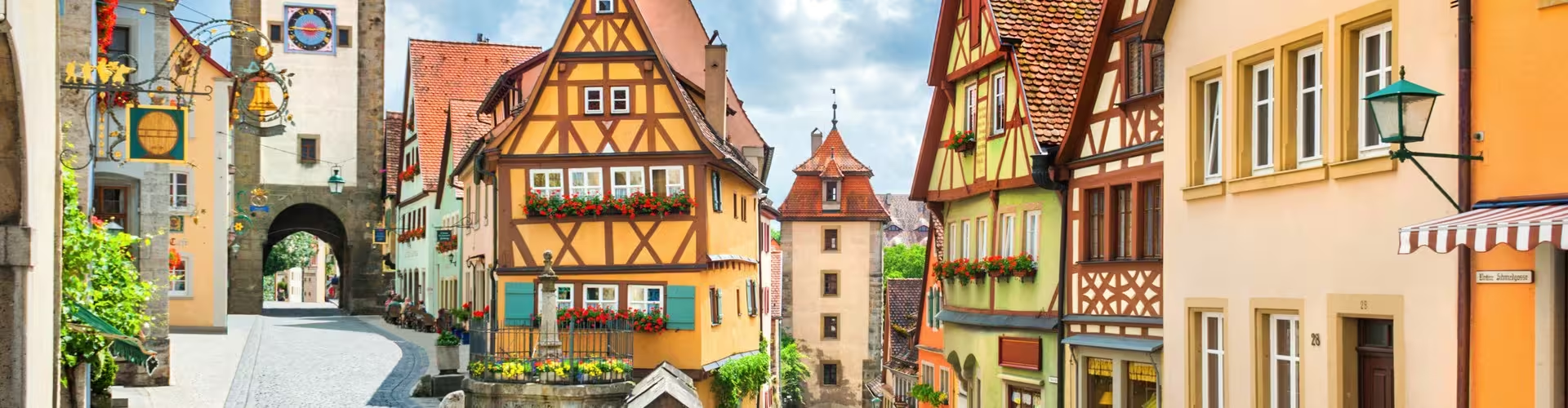
Rothenburg ob der Tauber

logoBlack

Build your dream
experience

dreamimg

More to know about Rothenburg ob der Tauber


Rothenburg ob der Tauber Travel Guide

Rothenburg ob der Tauber is one of Germany’s most storybook towns, a place where medieval walls, half timbered houses, and cobbled lanes create an atmosphere that feels carefully preserved rather than recreated. The appeal is not only visual, it is also experiential, with slow strolling, scenic viewpoints, and a compact old town that rewards curiosity. Use this guide to plan smarter, linger longer, and choose the experiences that match your pace and priorities in Rothenburg ob der Tauber.


Snapshot

Rothenburg ob der Tauber delivers a signature medieval vibe, with fortified walls, historic streets, and a compact center designed for walking and wandering. It is ideal for travelers who want atmosphere, photography, and a sense of place without needing a packed schedule. Go now if you want a destination that feels calm and cinematic in the morning and golden at sunset, especially when you plan around day trip crowds.


🗺️ Geography and Logistics

📍 Orientation: Where is it within Ansbach District and Germany?

Rothenburg ob der Tauber sits in the Ansbach District in Bavaria, in southern Germany, and it is often paired with Franconian and Romantic Road style itineraries. The town’s historic core is compact and easy to navigate on foot, with the most iconic streets and viewpoints clustered within the old city walls. For international arrivals, typical gateway hubs in Germany are useful starting points, then you connect onward by regional rail or road depending on your itinerary and luggage needs.

🕒 When to Go: Seasonal breakdown

Expect a clear relationship between weather and crowd levels. Warmer months generally bring the highest visitor numbers, especially during midday when day trippers arrive, while mornings and evenings feel more spacious and photogenic. Cooler seasons can feel quieter and more intimate, with shorter daylight hours that make planning your walking route and viewpoints more important.

💰 Budget & Currency

Germany uses the euro. In a small historic town, it is practical to carry some cash for small purchases, snacks, or quick stops, while cards are widely used for hotels and many restaurants. Budget planning is easiest when you prioritize what matters most, such as a central stay for early and late walks, then balance it with simple meals and self guided sightseeing.


⭐ Essential Things to Do List

1) Walk the Medieval Walls and Gates
The town walls are a defining feature of Rothenburg ob der Tauber, turning your sightseeing into a panoramic loop with rooftops, towers, and shifting angles for photos. It also helps you understand how the old town was designed for defense and control of movement. Practical tip, start early for softer light and fewer people, then rejoin the walls near sunset for the warmest views.

2) Get Lost in the Old Town Lanes
The magic here is in the details, steep rooflines, carved signs, and small squares that appear between bends in the street. Wandering without a strict route is often more rewarding than chasing a checklist, because the town’s charm is built on surprise and atmosphere. Practical tip, pick one landmark as your anchor, then explore in loops so you never feel rushed.

3) Photograph the Classic Postcard Viewpoints
Viewpoints around the old town and along the edges of the walls create the iconic “storybook” compositions visitors associate with Rothenburg ob der Tauber. These spots are popular because they compress the town’s rooftops, church spires, and fortifications into one frame. Practical tip, aim for early morning if you want clean shots, and return in the evening for deeper color and fewer tour groups.

4) Visit Historic Churches and Civic Spaces
Religious and civic buildings give context to how the town functioned beyond its fairytale appearance. Their scale, stonework, and interior calm can be a welcome contrast to busy streets outside. Practical tip, step inside during the middle of the day when streets are busiest, it is a good way to reset and slow down.

5) Browse Local Shops for Traditional Crafts
Shopping in a historic town can be meaningful when you treat it as cultural browsing rather than souvenir hunting. Look for items that reflect regional craftsmanship, seasonal traditions, or local food specialties. Practical tip, compare a few shops before buying, prices and quality can vary even within a small area.

6) Take an Evening Stroll for a Different Mood
After day trippers leave, Rothenburg ob der Tauber often feels more intimate, with quieter lanes and a calmer pace. The lighting shifts, and the town’s medieval character becomes more atmospheric, especially near the walls and smaller squares. Practical tip, plan dinner slightly earlier, then walk afterward for the most relaxed experience.

7) Build a Romantic Road Style Stop into a Larger Route
Many travelers treat the town as part of a broader Bavaria and southern Germany itinerary. This can help you balance a highly iconic destination with smaller nearby stops and countryside scenery. Practical tip, if you are arriving mid day, prioritize a viewpoint and a wall walk first, then save shopping and cafés for later.

8) Slow Travel Morning, Coffee, and People Watching
The town rewards slow travel because its atmosphere is the attraction. Sitting with a warm drink and watching the rhythm of the streets can feel as memorable as a formal sightseeing stop. Practical tip, choose a spot slightly off the busiest lanes for a quieter break with the same historic setting.


🚶 Curated Itineraries

⏰ The Highlights (1 Day): A fast paced “Best Of” route

Start with a morning wall walk to get oriented and capture photos before the streets fill up. Then move inward to explore the most atmospheric lanes and key civic and religious spaces, using midday for indoor stops and a relaxed lunch break. End the day with a second short loop near the edges of the old town for sunset light, then finish with an evening stroll when the mood becomes calmer.

⏰ Deep Dive (2 to 3 Days): Adding neighborhood exploration and local secrets

On day one, focus on the classic experience, wall walking, viewpoints, and a slow wander through the old town. On day two, repeat your favorite areas at a different time of day, then add longer, unhurried breaks for cafés and shops so the town feels lived in rather than rushed. If you have a third day, use it for a flexible pace, revisit the most photogenic streets in the best light, and add a nearby excursion so your trip feels broader than a single center.


🍽️ Flavors of Rothenburg ob der Tauber

1) Franconian style hearty plates
Expect comforting flavors that lean savory and filling, well suited to cooler weather and long walking days. Ordering tip, ask what the house specialty is, it is often the most reliable choice for a regional style meal.

2) Sausages and simple grill dishes
These are practical, satisfying options when you want something quick between sightseeing loops. Ordering tip, pair with a side that adds freshness, then keep your meal light if you plan to continue walking.

3) Pretzels and bakery snacks
A bakery stop is one of the easiest ways to eat well on the go, with warm, salty, and comforting flavors. Ordering tip, buy earlier in the day for the best selection, then keep a snack in your bag for viewpoint walks.

4) Local pastries and sweet bites
Sweet treats are part of the town’s cozy rhythm, especially with coffee during a mid afternoon break. Ordering tip, choose one item to share first, then decide if you want a second, it helps avoid over ordering.

5) Beer and regional drinks
Bavaria is strongly associated with beer culture, and a drink break can be a pleasant way to slow down after a wall loop. Ordering tip, try a smaller pour if available, especially if you are pacing yourself for an evening walk.

6) Coffee and café culture
A café stop is not only about caffeine, it is about taking the town in at a human pace. Ordering tip, sit slightly away from the busiest lanes if you want a calmer atmosphere with the same historic backdrop.


🚌 Navigation & Transport

The historic center of Rothenburg ob der Tauber is best explored on foot, with short distances and frequent photo stops. Walking is also the easiest way to experience the town’s changing perspectives, from narrow lanes to open viewpoints near the walls. If you are arriving by car, plan for a short transition from parking areas to the old town, and wear comfortable shoes because cobblestones can be uneven. For accessibility needs, allow extra time, choose smoother routes where possible, and prioritize fewer, longer stops instead of constant movement.


🌄 Beyond the Center: Day Trips

1) Ansbach
As the district seat, Ansbach adds a contrasting town experience to your itinerary, with a different rhythm than a tourist focused medieval core. Travel time varies by route and transport, so plan it as a half day or full day depending on connections. Primary reason to visit, a broader sense of the region beyond the old town atmosphere.

2) Nuremberg
A major Bavarian city that can add museums, urban dining, and a bigger city feel to balance smaller town sightseeing. Travel time depends on your chosen connection, so it works best when you start early. Primary reason to visit, a deeper dive into regional history and a more metropolitan day.

3) Würzburg
A strong pairing for travelers interested in Franconian culture and a different architectural mood. Travel time varies, and it can work well as a day trip if you want variety without changing hotels. Primary reason to visit, a change of scenery and a broader regional context.

4) Bamberg
Often associated with historic character and regional beer culture, Bamberg offers another atmospheric old town experience with its own identity. Travel time depends on your route, so it is best planned when you can commit a full day. Primary reason to visit, a second historic town that feels distinct in layout and ambiance.

5) The Romantic Road countryside stops
Smaller villages and countryside viewpoints can add texture to a trip that might otherwise stay within the walls. Travel time varies widely based on which stops you choose. Primary reason to visit, scenic variety and a slower, more local feeling beyond the main lanes.


✅ Insider Tips for Travelers

  • Plan your photo priorities for early morning or evening, midday is often the busiest for the most iconic streets.
  • Do one structured loop first, like the walls, then allow unstructured wandering so the town feels less like a checklist.
  • Wear shoes with grip and support, cobblestones and uneven surfaces can cause fatigue faster than expected.
  • Carry some cash for small purchases, then use cards for larger payments to keep your wallet simple.
  • If you are sensitive to crowds, build breaks into your route, churches and cafés can provide calmer pauses.
  • Shop with intention, compare quality and craftsmanship rather than buying the first item you see.
  • Pack layers, especially outside peak summer, evenings can feel cooler during wall walks.

❓ Frequently Asked Questions, FAQ

Is Rothenburg ob der Tauber easy to explore without a car?

Yes, the historic center is compact and designed for walking, so most visitors can cover the main sights on foot. A car can help for day trips, but it is not essential for the old town itself.

How many days do you need in Rothenburg ob der Tauber?

One day covers the highlights at a brisk pace, especially if you focus on the walls, viewpoints, and the most atmospheric lanes. Two to three days suits travelers who want a slower rhythm, repeat visits in better light, and time for a nearby excursion.

What is the best time of day for photos?

Early morning and evening usually provide softer light and fewer people in the frame. Midday can be bright and busy, so it is better for indoor stops and café breaks.

Should I carry cash in Rothenburg ob der Tauber?

Carrying some cash is practical for small purchases and quick snacks, while cards are widely used for hotels and many restaurants. Keeping both options available makes your day smoother.

Is the old town suitable for travelers with mobility concerns?

Some streets can be uneven due to cobblestones, and the walls include steps in places. Plan fewer stops with more time at each, and choose smoother routes when possible.