Ansbach District

logoBlack

Build your dream
experience

dreamimg

More to know about Ansbach District


Ansbach District Travel Guide

Ansbach District is a quietly impressive slice of Bavaria where baroque city culture, Franconian countryside, and small-town traditions fit into an easy, low-stress itinerary. Think palace architecture, market squares, gentle hiking and cycling routes, and hearty regional food that tastes best after a day outdoors. This guide focuses on practical planning, what to prioritize, and how to build a trip that feels both efficient and unhurried.


Snapshot

Ansbach District has a calm, lived-in vibe, more local than showy, and ideal for travelers who like culture without crowds. Go for the mix of heritage sites, rural landscapes, and classic Franconian flavors that reward slow exploration. It is especially appealing when you want Bavaria beyond the headline cities, with flexible day trips and a base that feels manageable.


๐Ÿ—บ๏ธ Geography and Logistics

๐Ÿ“ Orientation: Where is it within Bavaria and Germany?

Ansbach District sits in Bavaria within the Franconia region of southern Germany, with Ansbach as a key hub for exploring the surrounding towns and countryside. For international arrivals, the most common gateways are major German airports and rail hubs, then onward by regional trains and local connections. Plan your route around rail access first, then fill gaps with local buses or short taxi rides when needed.

๐Ÿ•’ When to Go: Seasonal breakdown

Timing is about balancing weather, daylight, and crowd levels. Warmer months are generally best for countryside walks, cycling, and outdoor dining, while cooler months suit museum visits, palace interiors, and cozy restaurant meals. Shoulder seasons can be a sweet spot, with comfortable sightseeing conditions and fewer tour groups, plus easier last-minute bookings for accommodation.

๐Ÿ’ฐ Budget & Currency

Germany uses the euro, and Ansbach District typically feels good value compared with the country’s biggest tourist centers. Carry a small amount of cash for smaller cafés, bakeries, and local services, even if cards are widely used in larger venues. A practical approach is to budget for one paid cultural highlight per day, then balance it with free experiences like parks, market squares, and scenic walks.


โญ Essential Things to Do

Baroque Ansbach and its palace atmosphere
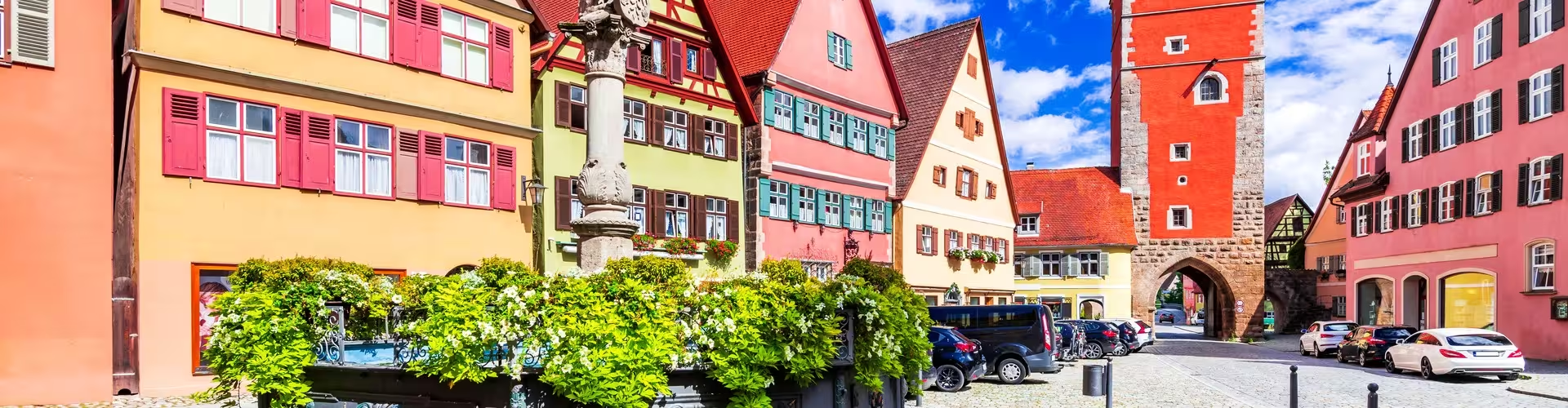
Ansbach is known for its refined baroque character, and spending time in the historic center helps you understand the district’s cultural backbone. The appeal is the sense of continuity, formal architecture, and the way daily life still moves through elegant streets and squares. Practical tip: start early for the best photos and a calmer feel, then return in the evening for a more local rhythm.

Stroll the old town lanes and market areas
Old town wandering is not just filler here, it is how you catch the details that define Franconia, including façades, shopfronts, and small courtyards. It also makes a great low-cost activity that pairs well with a bakery stop. Practical tip: follow a simple loop, central square to side streets and back, so you do not miss the most atmospheric corners.

Franconian countryside walks
The district’s rural landscapes are a major reason to visit, offering a gentler side of Bavaria that feels open and restorative. Walking routes let you connect villages, viewpoints, and farmland scenery at a comfortable pace. Practical tip: pack a light rain layer and sturdy shoes, since paths can change quickly with weather.

Cycle-friendly exploring
Cycling is a natural fit for the region’s terrain and distances between towns, giving you more range than walking while staying connected to the landscape. It is also a great way to build a day around lunch in a village and a scenic return. Practical tip: plan a simple out-and-back route so navigation stays easy, and keep time for breaks.

Local museums and heritage stops
Small museums and heritage sites help translate architecture and landscapes into stories, from regional craft to civic history. They are especially useful if weather shifts and you want an indoor plan that still feels meaningful. Practical tip: pair one museum visit with an outdoor stroll so the day stays balanced.

Seasonal markets and town events
Markets and local gatherings are where the district feels most alive, with food stalls, local produce, and a sense of community. Even a brief stop can add texture to your trip and introduce regional specialties. Practical tip: go earlier in the day for the best selection, then revisit later if you want a more social atmosphere.

Photography routes for architecture and countryside
The combination of baroque lines, church towers, and rolling rural scenes makes the area rewarding for casual photographers. You can build a simple route that alternates between town detail shots and open landscapes. Practical tip: aim for soft morning or late afternoon light, and keep a small microfiber cloth for lenses in changeable weather.

Slow dining with regional classics
Eating well is part of the destination’s identity, and meals here often feel unhurried, hearty, and grounded in local tradition. This is where you will notice the Franconian preference for satisfying portions and straightforward flavors. Practical tip: book ahead on weekends if you have a specific place in mind, especially for dinner.


๐Ÿšถ Curated Itineraries

โฐ The Highlights (1 Day)

Start in Ansbach for a focused morning of historic center walking and a baroque architecture loop, then pause for a relaxed Franconian lunch. Spend the afternoon with a countryside walk or an easy cycling segment to get beyond the urban core and see the district’s landscape character. Finish back in town with a simple dinner plan and an evening stroll, which is often when the streets feel most authentic.

โฐ Deep Dive (2-3 Days)

Day one stays centered on Ansbach, combining architecture, heritage stops, and a slow meal that sets the tone. Day two expands into villages and rural routes, mixing walking or cycling with café breaks and scenic pauses. If you have a third day, keep it flexible for a market morning, a museum if weather turns, or a longer day trip that matches your interests, culture-focused or nature-focused.


๐Ÿฝ๏ธ Flavors of Ansbach District

Franconian roast dishes
Expect savory, comforting flavors and a traditional approach that emphasizes rich sauces and satisfying sides. Ordering tip: ask what the house specialty is that day, then build your meal around it.

Sausages and butcher-counter classics
Regional sausages are a staple, often served simply so the seasoning stands out. Ordering tip: choose a smaller portion if you are sampling multiple items, then add a side after you see the size.

Potato-based sides
Potato sides are common and pair well with both meat dishes and lighter plates. Ordering tip: if you want something filling for a walking day, choose a potato side and a soup to keep it balanced.

Local breads and bakery culture
Bakeries are an easy way to eat well on the move, with fresh rolls and pastries that suit breakfast or a mid-morning break. Ordering tip: go early for the best selection, then pick up something extra for later.

Seasonal produce
Seasonal ingredients show up in simple preparations that highlight freshness rather than complexity. Ordering tip: look for seasonal specials on the menu, they are often the most regionally specific choice.

Franconian beer culture
Franconia is known for beer traditions, and trying a local pour is a natural part of dining. Ordering tip: if you are unsure, ask for a local recommendation that matches your taste, crisp and light or more malty.


๐ŸšŒ Navigation & Transport

Within town centers, walking is often the most efficient option, especially for historic streets where short distances and photo stops are part of the experience. For moving between towns and rural areas, combine regional trains where available with local buses, and keep taxi or ride-hailing as a backup for late returns or low-frequency routes. For accessibility, plan realistic daily distances, and prioritize flat town walks on days when you want a lighter pace.


๐ŸŒ„ Beyond the Center: Day Trips

Franconian villages in the surrounding countryside
Short trips into nearby villages give you a quieter, more traditional feel than the hub town. Travel time varies by route, but many are reachable with a simple local connection. Primary reason to visit: atmosphere, local food stops, and scenic walking.

Rural viewpoints and walking areas
A day focused on nature is an easy win here, especially if you want a reset from city sightseeing. Travel time depends on the trailhead and transport options. Primary reason to visit: open landscapes, fresh air, and slow travel energy.

Nearby regional towns in Franconia
Adding another Franconian town can deepen your sense of the region’s architecture and daily culture. Travel time depends on rail or bus connections from Ansbach. Primary reason to visit: historic centers, cafés, and a change of scenery without a big logistical lift.

Local heritage sites outside the main hub
Smaller heritage stops can be a good half-day plan, especially paired with lunch in a village. Travel time varies, so choose one area and commit rather than hopping too widely. Primary reason to visit: regional history and a slower, less crowded visit style.


โœ… Insider Tips for Travelers

  • Build your days around one main cultural stop, then add flexible walking time so weather changes do not derail your plan.
  • Carry some cash for small purchases, and keep a backup card for larger restaurants and hotels.
  • Pack layers, especially in shoulder seasons, since mornings and evenings can feel cooler than midday.
  • For countryside routes, download offline maps ahead of time, then keep your itinerary simple to avoid rushed connections.
  • Choose accommodation with easy access to the station or central area if you plan to rely on public transport.
  • At restaurants, ask for regional specialties, it is often the easiest way to get an authentic meal without overthinking the menu.

โ“ Frequently Asked Questions, FAQ

How many days do I need for Ansbach District?
One day covers the main town highlights and a short countryside taste. Two to three days gives you time for villages, slower meals, and a flexible day trip without rushing.

Is it easy to get around without a car?
Yes, if you plan around rail and bus connections and keep your day trips realistic. Walking works well in town centers, and taxis can help with low-frequency rural links.

What is the best time of year to visit?
Warmer months are ideal for walking and cycling, while cooler months suit museums and indoor heritage stops. Shoulder seasons can balance comfortable sightseeing with fewer crowds.

What kind of food should I try?
Focus on Franconian comfort dishes, bakery stops, and seasonal specials that reflect local ingredients. If you like beer culture, ask for a local recommendation that matches your taste preference.

Does Ansbach District feel crowded?
It generally feels calmer than major Bavarian hotspots, especially outside peak travel periods. You can keep it relaxed by starting mornings earlier and using afternoons for countryside time.