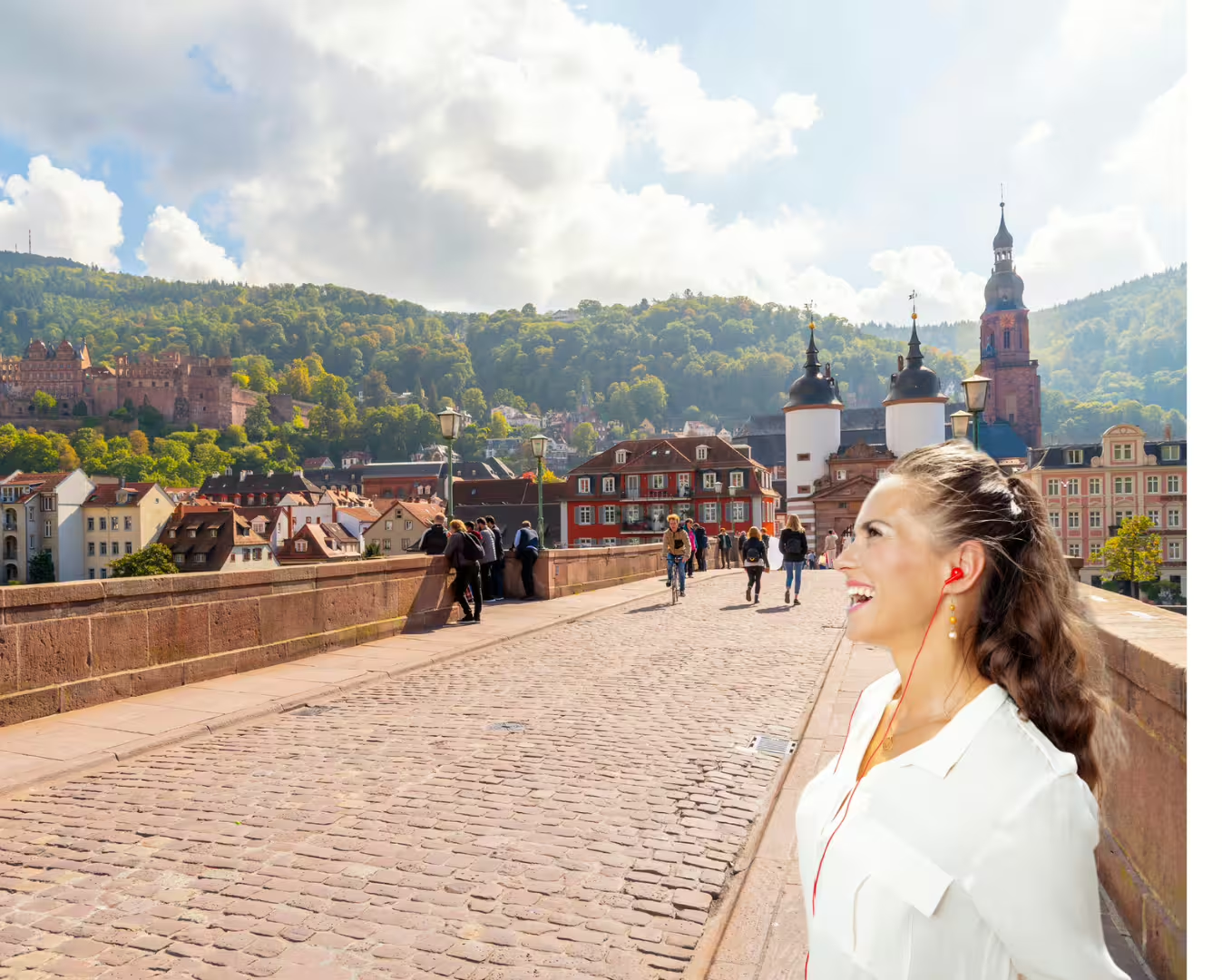
Heidelberg Travel Guide
Heidelberg is a storybook university city on the Neckar River, known for romantic viewpoints, a hilltop castle silhouette, and an Old Town that rewards slow walking. It suits travelers who want culture without the rush, with museums, riverside paths, and cafés that feel lived-in rather than staged. This guide helps you plan a smooth, high-impact trip, from what to prioritize to how to structure your days.
Snapshot
Heidelberg blends academic energy with historic charm, so your day can move from landmark sightseeing to bookshops and wine bars in a few blocks. The signature vibe is intimate and walkable, with river views and warm stone streets that look especially cinematic in soft light. Go when you want a classic German city break that feels relaxed, yet still delivers big highlights.
🗺️ Geography and Logistics
📍 Orientation: Where is it within Baden-Württemberg and Germany? Name key gateway airports or hubs.
Heidelberg sits in the state of Baden-Württemberg in southwest Germany, along the Neckar River, not far from the Rhine corridor. It is commonly reached via major regional rail connections, and it is well positioned for combining with other cities in the region. For flights, travelers typically route through large hubs and continue by train, which is often the most practical way to arrive and leave without a car.
🕒 When to Go: Seasonal breakdown. Weather patterns vs. crowd levels.
Expect the city to feel most atmospheric in mild seasons when walking between viewpoints and the Old Town is comfortable. Warmer months usually bring more visitors and longer evenings, which is ideal for riverside strolls and outdoor dining. Cooler months can feel quieter and more local, with museums, cafés, and scenic viewpoints still delivering a strong experience even when days are shorter.
💰 Budget & Currency: Practical money tips, local price levels, and card vs. cash advice.
Germany uses the euro, and it is smart to carry a small amount of cash for smaller purchases, market-style snacks, and quick tips. Cards are widely used, but having backup cash reduces friction, especially in smaller venues. Budget-wise, plan for a mid-range European city, where you can keep costs down by walking, choosing set lunches, and prioritizing a few paid highlights rather than trying to do everything at once.
⭐ Essential Things to Do
Heidelberg is best experienced as a mix of iconic sights and simple rituals, like lingering by the river or timing viewpoints for golden light. Use this list to build your must-dos, then leave breathing room for wandering.
- Heidelberg Castle (Schloss Heidelberg): The castle complex defines the city skyline and gives you the clearest sense of why this place became a symbol of German Romanticism. Even from outside, the setting explains the appeal, with the Old Town below and wooded hills behind. Practical tip: go earlier in the day for calmer photos, then return to the Old Town for a slower afternoon.
- Old Town (Altstadt) Walk: The Old Town is where the city feels most intimate, with historic façades, small squares, and a rhythm that encourages strolling rather than ticking boxes. It is ideal for travelers who want atmosphere, architecture, and easy café stops. Practical tip: keep one part of your day unplanned here, so you can follow side streets and pop into shops without rushing.
- Philosophers’ Walk (Philosophenweg): This hillside path is famous for its viewpoints and reflective mood, shaped by generations of students and thinkers. It is a place to slow down, look back over rooftops and river bends, and feel the city’s academic spirit. Practical tip: aim for late afternoon light, and bring water since uphill sections can feel warm in summer.
- Old Bridge (Alte Brücke): The bridge is a classic viewpoint and a natural connector between the Old Town and the hillside paths. It is also one of the best places to understand the city’s layout, with the Neckar cutting a calm line through the scene. Practical tip: cross it twice, once for the view toward the castle, and once for the view back toward the Old Town.
- Neckar River Promenade: The riverside is where locals unwind, and it adds balance to a sightseeing-heavy itinerary. A walk here reframes Heidelberg as a lived city rather than an open-air museum. Practical tip: pack a simple picnic from a bakery and take a break between major sights.
- University Quarter: The university presence gives the city its youthful pulse, with lecture halls, bookstores, and a steady flow of students. It is a subtle highlight, but it explains why the city feels intellectually alive. Practical tip: visit in the early evening when the area transitions from daytime routines to relaxed dining.
- Viewpoint Hunting in the Hills: Beyond the famous paths, the surrounding slopes offer small lookout moments that make the city feel cinematic. These views help you appreciate the contrast between dense Old Town streets and the green frame of the valley. Practical tip: wear comfortable shoes and plan a flexible route, since the best viewpoints often come from detours.
- Café Culture and Slow Evenings: One of the most rewarding “activities” is simply choosing a terrace and watching the city move. It adds texture to your trip and prevents landmark fatigue. Practical tip: take your time ordering, and treat café stops as anchors between walks rather than quick refuels.
🚶 Curated Itineraries
⏰ The Highlights (1 Day): A fast-paced “Best Of” route.
Start with the Old Town while streets are still calm, then head toward the Old Bridge for your first set of photos and orientation. Continue to the castle area as your main sight, then return downhill for a late lunch and a relaxed Old Town loop. End your day with a Neckar promenade walk and a viewpoint moment, timing it for softer evening light.
⏰ Deep Dive (2-3 Days): Adding neighborhood exploration and local secrets.
Day 1 follows the highlights route, but with more time for museums or unplanned wandering in the Old Town. Day 2 focuses on the university quarter, the Philosophers’ Walk, and slower river time, which is where the city’s everyday character shows. If you have a third day, use it for a day trip, then return for a final evening in Heidelberg with a long dinner and a last stroll across the bridge.
🍽️ Flavors of Heidelberg
- Flammkuchen: Thin, crisp, and savory, often topped in a way that feels like a lighter, Alsatian-style flatbread. Ordering tip: ask for a classic version first, then share a second with a different topping to compare.
- Maultaschen: Comforting and hearty, these filled pasta pockets sit between dumpling and ravioli in spirit. Ordering tip: look for a preparation that matches your appetite, lighter in broth or richer when pan-fried.
- Käsespätzle: Soft egg noodles with a cheesy, warming profile that suits cooler weather and long walking days. Ordering tip: consider sharing, it can be filling, especially alongside other dishes.
- Schnitzel: Crisp, satisfying, and widely available, it is a reliable choice when you want something familiar and substantial. Ordering tip: ask what the house style is, since sides and sauces can vary.
- Bratwurst: A classic quick bite that works well between sights, especially when you do not want a long sit-down meal. Ordering tip: pair it with a simple roll for an easy on-the-go lunch.
- Black Forest Cake (Schwarzwälder Kirschtorte): Rich chocolate and cream with cherry notes, a celebratory dessert tied to the broader region. Ordering tip: order with coffee and take your time, it is best enjoyed slowly.
- Local Wine or Beer: The region’s food culture pairs naturally with relaxed evenings and long conversations. Ordering tip: ask for a local recommendation by style, dry white, fruity red, or a classic draft, rather than naming a brand.
🚌 Navigation & Transport
Heidelberg is easiest on foot in the central areas, especially the Old Town and along the river, where walking is part of the experience. For hillier sections and longer distances, use local public transport to save energy, then walk the final scenic stretches. If you use ride-hailing or taxis, treat them as a convenience for time-sensitive moments rather than your default, since traffic and pickup points can be less pleasant than a direct walk.
For safety, keep standard city awareness in crowded areas and near transit stops, and watch your footing on cobblestones, especially in wet weather. For accessibility, plan routes with fewer steep climbs, and consider breaking up hill viewpoints with public transport support so you can still enjoy the best panoramas without overexertion.
🌄 Beyond the Center: Day Trips
- Neckar Valley small towns: Short regional hops can add a slower, countryside feel and more river scenery. Primary reason to visit: gentle landscapes and a change of pace.
- Rhine corridor stops: The wider region connects well by rail, making it easy to add another historic city or riverside viewpoint. Primary reason to visit: classic Germany-toybox scenery and cultural variety.
- Black Forest edge excursions: A longer outing can shift your trip from city romance to forest air and traditional regional flavors. Primary reason to visit: nature, trails, and iconic regional food culture.
- Nearby university towns and cultural hubs: The broader Baden-Württemberg area offers museums, architecture, and lively student energy in different settings. Primary reason to visit: contrast and deeper context for the region.
✅ Insider Tips for Travelers
- Prioritize one major landmark block per day, then fill the rest with walking, viewpoints, and meals to avoid rushing.
- Time your best photos for early morning or late afternoon, the Old Town and river views look softer and less crowded.
- Wear shoes that handle cobblestones and hills, comfort matters more than style on long walking days.
- Carry a little cash for small purchases, it prevents awkward moments when card payments are not convenient.
- Cross the Old Bridge more than once, the perspective changes and it helps you navigate naturally.
- Build in a riverside break, it resets your energy and makes the trip feel more local.
- If you plan a day trip, keep your evening simple back in the city, a calm dinner beats squeezing in another major sight.
❓ Frequently Asked Questions, FAQ
How many days do I need to see the main sights?
One day covers the core highlights if you keep a steady pace and focus on the Old Town, a bridge viewpoint, and the castle area. Two to three days lets you add hillside walks, slower meals, and a day trip without feeling rushed.
Is Heidelberg easy to explore without a car?
Yes, the center is very walkable, and walking is part of what makes the city enjoyable. For longer distances or hillier sections, local public transport helps you save energy and time.
What is the best time of day for viewpoints?
Early morning and late afternoon usually deliver the most flattering light and fewer people in key photo spots. If you plan a hillside walk, late afternoon can be especially rewarding as the city warms into evening.
Should I carry cash in Heidelberg?
Carrying a small amount of euro cash is a practical backup for small purchases and quick snacks. Cards are commonly used, but cash can make day-to-day payments smoother in smaller venues.
What should I pack for a city break here?
Bring comfortable shoes for cobblestones and hills, plus a light layer that works with shifting temperatures. A reusable water bottle is also helpful if you plan longer walks along the river or up to viewpoints.