Southern France
Plan a memorable Southern France trip with practical logistics, essential experiences, itineraries, regional flavors, transport tips, and smart day trip ideas for coast and countryside.

Plan a memorable Southern France trip with practical logistics, essential experiences, itineraries, regional flavors, transport tips, and smart day trip ideas for coast and countryside.

Southern France blends sunlit coastlines, vineyard countryside, and historic towns where daily life still revolves around markets, long lunches, and evening strolls. The signature vibe is Mediterranean ease with a strong sense of local identity, from Provençal villages to Riviera promenades. Go now for shoulder season comfort, fewer crowds, and the same big-ticket scenery, with more room to explore at your own pace.
Southern France generally refers to the southern band of the country that meets the Mediterranean, stretching from the Spanish border across to the Italian border. Key gateways include major hubs along the coast and inland, with rail links that make it realistic to combine seaside stops with hill towns and wine country. For trip planning, think in clusters, coast for beaches and ports, inland for villages, vineyards, and slower rhythms.
Summer brings the hottest weather and the densest crowds, especially on the Mediterranean coastline and in headline towns. Spring and autumn often feel like the sweet spot, with comfortable temperatures for walking, outdoor dining, and scenic drives. Winter is quieter and can be ideal for city breaks and food-focused travel, while some coastal areas become calmer and more local in feel.
France uses the euro, and cards are widely accepted, though it is smart to carry some cash for small purchases like market snacks and local bakeries. Costs vary by area, with the Riviera typically pricier than inland villages and smaller towns. To manage your budget, book transport and popular stays earlier, and balance one or two splurges with simple meals, picnics, and free viewpoints.
1) Drive a scenic village circuit in Provence
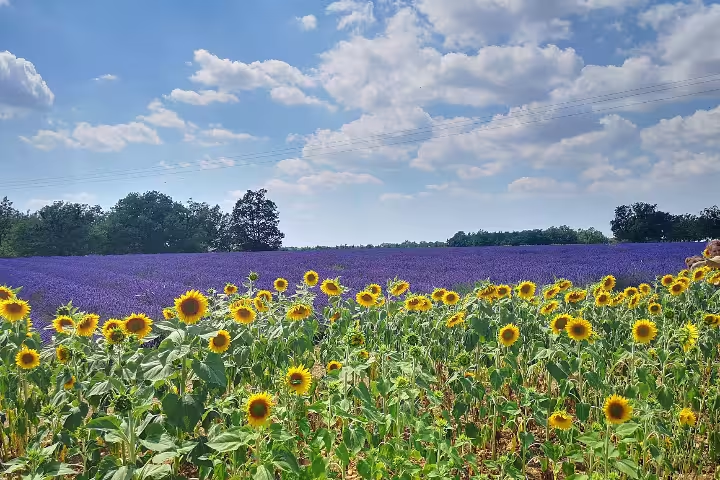
Why it matters: The inland landscape is the classic postcard version of Southern France, stone villages, cypress-lined roads, and small squares that come alive at café hour. It is also where you feel the region’s slower pace and strong local traditions. Practical tip: Start early to enjoy quieter lanes and easier parking, then build in time for unplanned stops at viewpoints and bakeries.
2) Spend a day on the French Riviera waterfront
Why it matters: The Riviera’s appeal is the contrast between glamorous promenades and everyday coastal life, fishing boats, beach clubs, and sunset strolls. Even without chasing luxury, the sea views and people-watching are a destination in themselves. Practical tip: Choose one base promenade and explore on foot, then time your photos for late afternoon light when the water looks most vivid.
3) Explore a historic old town and market streets
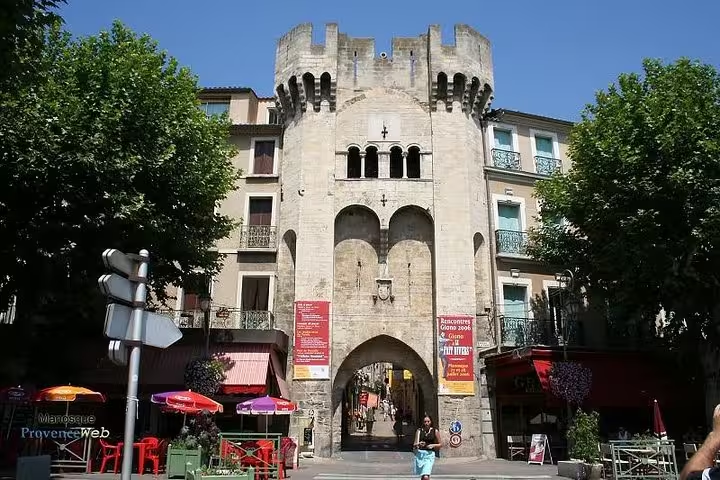
Why it matters: Many towns in Southern France have layered histories visible in their street plans, stone facades, and central squares. Markets reveal local produce, cheeses, olives, and seasonal specialties, and they are perfect for building a picnic. Practical tip: Shop earlier in the morning for the best selection, and bring a reusable bag to carry fruit, bread, and small treats.
4) Plan a Southern France itinerary around rail-friendly bases
Why it matters: Trains can simplify the trip by reducing driving stress, especially between major towns and coastal hubs. Using two or three bases helps you see distinct landscapes without constant packing. Practical tip: Pick one coastal base and one inland base, then add day trips, rather than trying to sleep somewhere new every night.
5) Follow a wine route and cellar-door tastings
Why it matters: Vineyard regions add depth beyond beaches, with a strong connection to land, craft, and seasonal food. Tasting experiences also help you understand local pairings, from rosé with seafood to reds with slow-cooked dishes. Practical tip: If you are driving, keep tastings modest and focus on learning, or schedule tastings on a day when you can use local transport or a hired driver.
6) Hike to a viewpoint for the big landscape moment
Why it matters: The region rewards travelers who climb a little, whether to a hilltop village, a coastal path, or a lookout above a bay. These views create the mental map of Southern France, sea, plains, and rugged ridgelines in one sweep. Practical tip: Carry water and sun protection, and aim for early morning or late afternoon to avoid the strongest heat.
7) Take a boat ride along the coast
Why it matters: Seeing cliffs, coves, and harbors from the water reframes the coastline and adds a relaxed, holiday feel. It is also a great way to access swimming spots or viewpoints that are harder to reach by road. Practical tip: Bring a light layer for wind on deck, and keep valuables secured if you plan to swim.
8) Build a food day around bakeries, markets, and terrace dining
Why it matters: Food is a major reason to travel here, and the best experiences often come from simple, everyday places. A market-to-picnic lunch followed by a relaxed dinner captures the rhythm of the region. Practical tip: If you want a popular terrace table, go earlier than typical dinner time, or reserve when possible.
Start with a morning market in a historic center, then walk the old town lanes for architecture, small shops, and a café stop. After lunch, head to a nearby viewpoint or coastal promenade for photos and a short hike. Finish with an early evening waterfront stroll and a relaxed dinner featuring local seafood or Provençal classics, then linger for sunset.
Day 1: Choose one base town and explore it deeply, markets, museums if available, and a long lunch followed by a golden-hour walk. Day 2: Go inland for a village circuit through Provence, adding a vineyard stop and a scenic drive between hill towns. Day 3: Return to the coast for a boat ride or beach time on the French Riviera, then end with a final dinner that leans into regional dishes and a slow evening in the main square.
Bouillabaisse: A rich, aromatic fish stew that tastes of the sea, saffron, and herbs. Ordering tip: Ask what fish are included that day, since it is often prepared based on the freshest catch.
Ratatouille: A vegetable stew with silky textures and sweet-savory depth from slow cooking. Ordering tip: Look for it as a side with grilled meats or fish, or as a lighter main in warmer months.
Socca: A thin chickpea pancake with a crisp edge and soft center, often eaten as street food. Ordering tip: Eat it hot and simple, and plan to share if you are also market grazing.
Salade Niçoise: A composed salad with tuna, eggs, and bright vegetables, built for warm-weather lunches. Ordering tip: If you have preferences, ask how they prepare it, since versions can vary by kitchen.
Tapenade: Olive-based spread that is salty, punchy, and perfect with bread. Ordering tip: Pair it with a simple apéritif moment, and balance it with fresh vegetables or a mild cheese.
Rosé wine: Often dry and refreshing, designed for sunshine, seafood, and long lunches. Ordering tip: If you are unsure, ask for a local recommendation that matches your meal rather than choosing by label alone.
In cities and compact towns, walking is often the best way to experience old quarters, markets, and waterfronts, with the bonus of discovering small squares and viewpoints. Public transport and regional trains can connect major hubs efficiently, while a car becomes most useful for inland villages, scenic drives, and flexible stops in the countryside. If you plan to drive, expect narrower roads in older areas and limited parking near historic centers, so consider parking outside and walking in.
For safety and comfort, keep an eye on belongings in crowded markets and transit areas, and carry water during hotter months. Accessibility can vary in older towns with steep lanes and stairs, so choose accommodations with easier access if mobility is a concern, and plan routes that prioritize flatter promenades and central areas.
Hilltop villages in Provence: Often reachable in about 1 to 2 hours from many bases, depending on your starting point. Reason to visit: stone architecture, panoramic views, and a slower pace that feels distinctly inland.
Coastal escapes along the French Riviera: Commonly 30 to 90 minutes between neighboring coastal hubs. Reason to visit: beaches, harbors, and scenic walks that highlight the Mediterranean edge of Southern France.
Vineyard countryside: Frequently 45 to 90 minutes from larger towns. Reason to visit: tastings, cellar doors, and the chance to connect local wines with regional food traditions.
Nature lookouts and walking trails: Often 30 to 75 minutes to trailheads near major towns. Reason to visit: viewpoints, fresh air, and a break from urban sightseeing.
Pick two bases and explore outward with day trips, rather than changing hotels every night. A coastal base plus an inland base gives you variety with less transit time.
You can cover major hubs by train and walk within towns, but a car helps for inland villages and flexible countryside stops. If your focus is markets, old towns, and waterfront promenades, you can do a lot without driving.
Crowds typically peak in summer, especially along the Mediterranean coast and headline destinations. Spring and autumn often feel more comfortable for sightseeing with fewer people.
Costs vary, with the Riviera generally pricier than smaller inland towns. You can balance your budget with picnic lunches, local bakeries, and choosing a mix of free viewpoints and paid experiences.
Pack comfortable walking shoes, a light layer for evenings by the sea, and sun protection for daytime exploring. A reusable bag is also handy for markets and picnic supplies.