
Explore Tours

Build your dream
experience
More to know about Chateauneuf-du-Pape
Chateauneuf-du-Pape Travel Guide
Chateauneuf-du-Pape is a compact Provençal village with an outsized reputation, where vineyard landscapes, stone architecture, and a slow, tasting-led rhythm shape the experience. The signature vibe is refined but unpretentious, built around cellar doors, panoramic viewpoints, and long lunches that stretch into the afternoon. If you want a destination that rewards curiosity and a measured pace, Chateauneuf-du-Pape delivers in a way that feels both classic and current.
Snapshot
Chateauneuf-du-Pape is best approached as a sensory destination, part history, part landscape, and part wine culture. It suits travelers who like small places with strong identity, where you can walk, taste, and pause often. Go now if you want a trip that feels focused and restorative, with the option to expand into wider Vaucluse and Provence.
🗺️ Geography and Logistics
📍 Orientation: Where is it within Vaucluse and France?
Chateauneuf-du-Pape sits in the Vaucluse department in the Provence Alpes Cote d Azur region of southeastern France, close to the Rhone Valley corridor. For gateways, plan around larger regional transport hubs such as Avignon and other Provençal rail connections, then continue by local road into the village and surrounding vineyards. The setting is distinctly rural and vineyard-driven, so having a plan for short transfers makes the day smoother, especially if you want to visit multiple tasting stops.
🕒 When to Go: Seasonal breakdown
Expect a Mediterranean rhythm, with warmer months bringing the most outdoor energy and the highest visitor density. Shoulder seasons can feel calmer and more spacious for tastings and viewpoints, while still offering comfortable conditions for walking. If you prefer a quieter village atmosphere, aim for periods when day-trippers are fewer and book key tastings in advance to protect your schedule.
💰 Budget & Currency: Practical money tips
France uses the euro, and most travelers find card payments widely accepted for everyday spending, with cash still useful for small purchases and quick transactions. Budget levels vary by style, with tastings and wine purchases influencing total costs more than basic sightseeing. A practical approach is to set a tasting and bottle budget early, then keep a little flexibility for a standout discovery you may want to bring home.
⭐ Essential Things to Do List
1) Vineyard Tastings and Cellar Visits
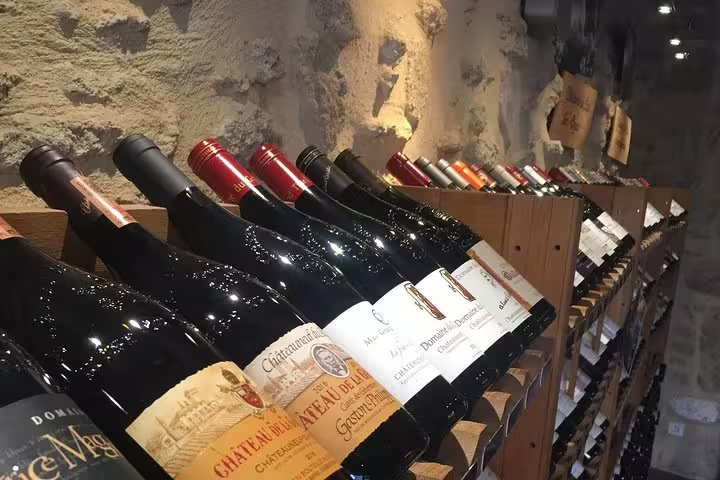
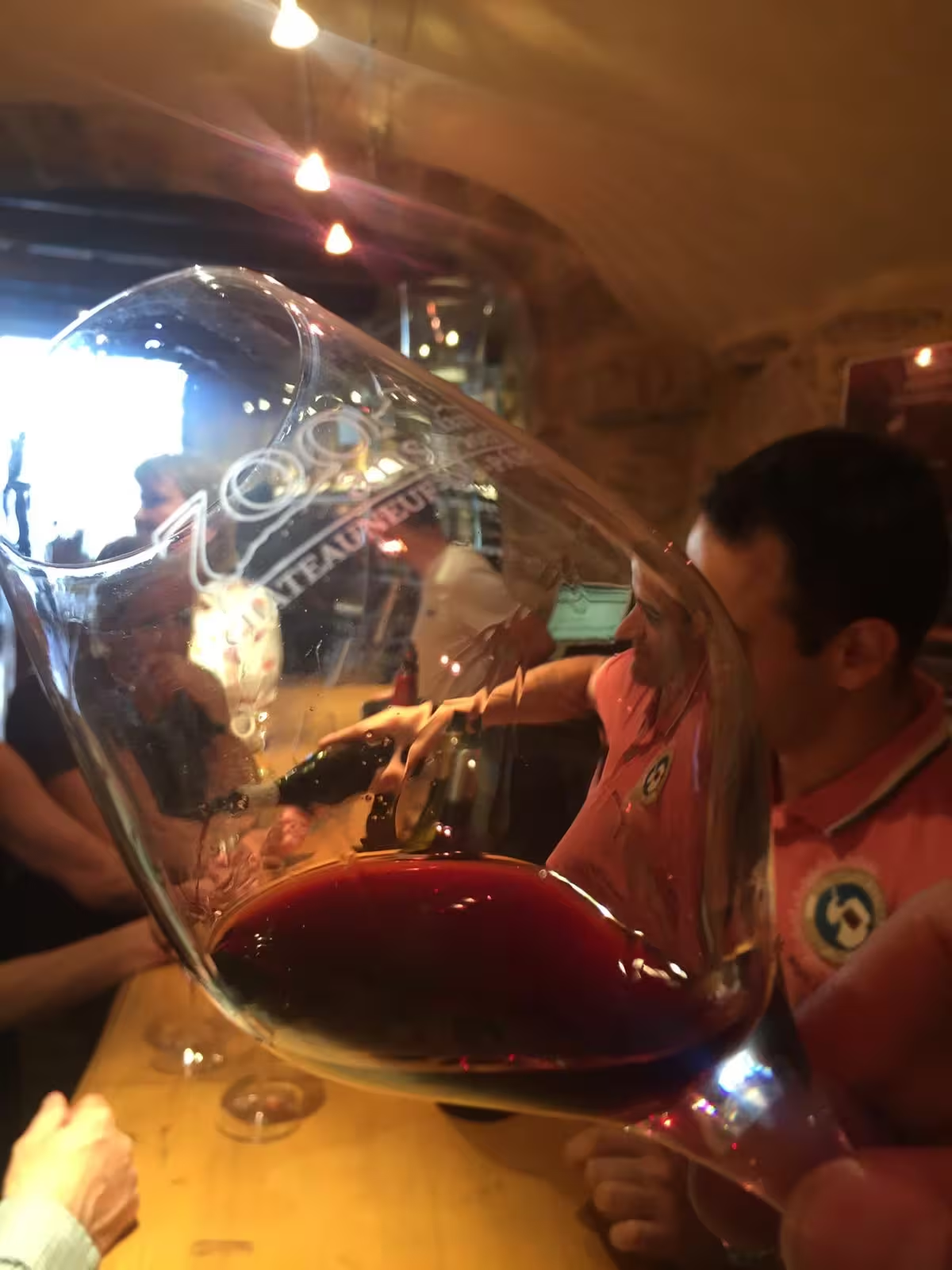
The heart of Chateauneuf-du-Pape is its wine culture, and tastings are the most direct way to understand the place. You will notice how the landscape, the village identity, and the local pace all orbit around the vineyards. Practical tip, choose a small number of visits and give each one time, rather than rushing through too many stops in a single afternoon. If your trip focus includes wine tasting in Chateauneuf-du-Pape, ask about style differences and aging potential to make your tasting more meaningful.
2) Walk the Village for Stone Architecture and Viewpoints
The village is compact, which makes wandering a key experience rather than a filler activity. Look for vantage points where you can read the terrain, the patchwork of vines, and the wider Vaucluse horizon. Practical tip, go earlier or later in the day for softer light and a calmer atmosphere, especially if you want photos without crowds.
3) Learn the Story Behind the Name
The name itself signals heritage and identity, and the village rewards travelers who take a moment to understand why it became so closely associated with wine and prestige. Even without a formal museum visit, interpretive signs, local storytelling, and a guided tasting can add depth. Practical tip, ask your host or tasting staff for a short explanation of local traditions and how they shaped today’s reputation.
4) Scenic Drives Through the Vineyards
A short drive around the appellation area reveals how the terrain shifts, and why the landscape feels so distinctive. This is where Chateauneuf-du-Pape vineyards become more than a phrase, they become a visual experience. Practical tip, plan a loop with safe pull-offs so you can stop for views without stressing about traffic or parking.
5) Pair Local Food and Wine at a Leisurely Lunch
This is a destination where meals are part of the itinerary, not an interruption. A well-timed lunch supports the tasting rhythm and helps you slow down, which is part of the appeal. Practical tip, if you have tastings planned, schedule lunch between them and keep water on hand to stay comfortable.
6) Take a Guided Experience for Context
If you want decision support, a guide can connect the dots between landscape, production, and the village’s place in the Rhone Valley story. This is especially useful if you have limited time and want your choices curated. Practical tip, ask for an itinerary that balances tasting with viewpoints and short walks, so the day feels varied.
7) Shop for Bottles with a Shipping Plan
Purchasing wine is part of the experience, but it is easiest when you plan logistics early. Consider how you will transport bottles, what you can pack safely, and whether you prefer to buy fewer, better choices. Practical tip, keep notes during tastings, then buy at the end of the day when your preferences are clearer.
8) Sunset Pause Over the Vine Rows
The landscape takes on a warmer tone later in the day, and the village energy becomes more relaxed. A simple pause at a viewpoint can become the moment you remember most, because it captures the pace of Provence. Practical tip, bring a light layer for evenings and arrive a little early to find a comfortable spot.
🚶 Curated Itineraries
⏰ The Highlights (1 Day): A fast-paced best of route
Start with a village walk to orient yourself, then schedule a late morning tasting to anchor the day. Follow with a long lunch that includes local pairings, then spend the afternoon on one or two additional tastings, leaving time for a scenic loop through the surrounding vineyards. End with a viewpoint stop near golden hour, which is often the most flattering time for the landscape and village silhouettes.
⏰ Deep Dive (2-3 Days): More texture and local rhythm
Use day one for village orientation and a focused set of tastings, keeping the pace gentle so you can learn what styles you enjoy. On day two, expand into the wider Vaucluse feel, with a scenic drive, a longer lunch, and one curated visit that goes deeper into production or heritage. If you have a third day, keep it flexible for revisiting a favorite producer, shopping thoughtfully, and adding a nearby Provençal stop so the trip feels rounded rather than repetitive.
🍽️ Flavors of Chateauneuf-du-Pape
1) Red blends from the local appellation
Expect structure, warmth, and layered dark fruit, often with herbal and spice notes that feel distinctly southern. Ordering tip, if you are uncertain, ask for a by-the-glass option that represents a classic local style before committing to a bottle.
2) White wines from the area
Local whites can feel textured and aromatic, with a richer mouthfeel than many travelers expect from Provence. Ordering tip, ask what the house recommendation is for pairing with lighter dishes, then compare it to a richer option to understand the range.
3) Provençal aperitif culture
Before dinner, a small drink and a few bites help you settle into the region’s slower tempo. Ordering tip, ask what locals typically choose before a meal, then match it with a small snack to pace yourself.
4) Market style picnic foods
Simple items like bread, cheese, and seasonal produce fit the vineyard setting and make a scenic stop feel complete. Ordering tip, build a small spread rather than a heavy meal if you have tastings later.
5) Slow lunches with local pairings
A longer meal is part of the identity here, especially when it is designed around the wine. Ordering tip, if you want value and balance, ask for a pairing suggestion that complements the main dish rather than overpowering it.
6) Dessert with a digestif style finish
A sweet ending can be the right close after a day of tasting, especially if dinner runs late. Ordering tip, choose something modest if you still plan to shop for bottles afterward, so your palate stays clear.
🚌 Navigation & Transport
The village itself is best explored on foot, since key streets, viewpoints, and tasting stops can be close together. To reach outlying vineyards and to connect multiple appointments efficiently, a car or pre-arranged transfer is often the most practical option, especially if you plan to explore beyond a single cluster of stops. For safety, pace tastings responsibly and plan a designated driver or a guided option if you want a tasting-forward day. For accessibility, expect uneven surfaces in older village areas, so comfortable shoes and a little extra time help.
🌄 Beyond the Center: Day Trips
1) Avignon
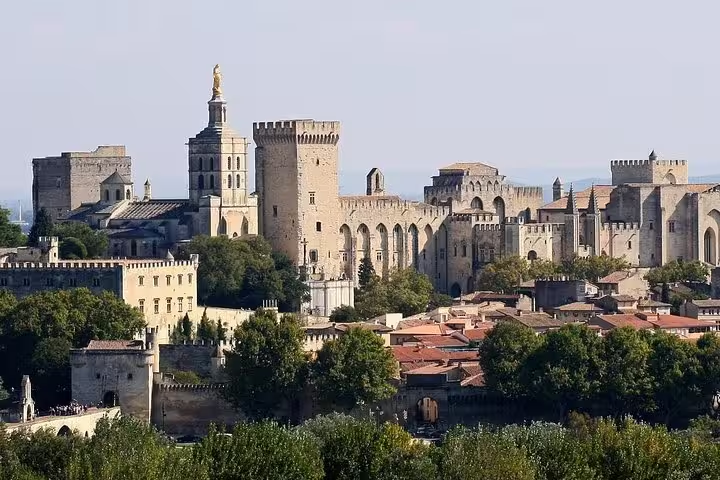
Travel time depends on your route and transport choice, but it is a natural nearby hub for history, culture, and transport connections. Go for a change of pace from vineyards, with more urban energy and landmark sightseeing.
2) Wider Vaucluse villages
Short regional drives can bring you to other Provençal villages with their own markets, viewpoints, and local character. Go to compare atmospheres and find a quieter lunch spot away from the most famous names.
3) Rhone Valley viewpoints and countryside loops
A countryside loop is ideal if you want scenery without stacking too many tastings. Go for landscape photography, relaxed stops, and a better sense of how the valley shapes local life.
4) Provence day trip extensions
If your itinerary is broader, you can add a Provence-focused day that emphasizes villages, local food, and scenic drives. Go to balance wine-focused time with a wider regional feel.
✅ Insider Tips for Travelers
- Book tastings ahead when possible, especially if your plan centers on Chateauneuf-du-Pape wine tour style scheduling with multiple stops.
- Limit tastings per day, then add viewpoints and a long lunch so the experience feels spacious rather than rushed.
- Wear sturdy shoes, village streets and vineyard edges can be uneven.
- Carry water and take breaks, tasting days are more enjoyable when you pace yourself.
- Keep tasting notes, it helps you remember producers and styles when you shop later.
- Plan bottle transport early, ask about packing options and consider your luggage limits.
- For photos, aim for early or late light, it flatters stone textures and vineyard patterns.
- If you are driving, keep routes simple and allow buffer time for parking and scenic stops.
❓ Frequently Asked Questions, FAQ
Is Chateauneuf-du-Pape easy to visit without a car?
It is possible to enjoy the village on foot once you arrive, since the center is compact. For multiple vineyard visits outside the village, a car, driver, or guided option is usually more practical.
How many tastings should I plan in one day?
Two to three tastings is a comfortable pace for most travelers, especially if you add a long lunch and a viewpoint stop. Planning fewer visits often leads to better conversations and more memorable wines.
What is the best time of day for photos in Chateauneuf-du-Pape?
Early morning and late afternoon tend to give softer light on stone buildings and vineyard rows. These times can also feel calmer, which helps if you want cleaner shots and a quieter walk.
Do I need to book a Chateauneuf-du-Pape wine tour in advance?
If your schedule is tight or you want specific producers, booking ahead is a smart move. It also helps you cluster visits efficiently and avoid losing time on the day.
Should I carry cash for small purchases?
Cards are commonly used, but carrying some cash can be useful for small items and quick transactions. It also helps if you stop for simple picnic supplies during a vineyard loop.
This guide by Toursxplorer.com is designed to help travelers plan a focused trip to Chateauneuf-du-Pape in Vaucluse, Provence Alpes Cote d Azur, France. It summarizes key experiences, logistics, and itinerary options to support confident travel decisions.
Europe, France, Provence Alpes Cote d Azur, Vaucluse, Chateauneuf-du-Pape