Hyeres
Plan a Hyeres trip with practical logistics, top things to do, curated 1 to 3 day itineraries, local flavors, transport tips, day trips, and traveler hacks for a smooth Var coast getaway.

Plan a Hyeres trip with practical logistics, top things to do, curated 1 to 3 day itineraries, local flavors, transport tips, day trips, and traveler hacks for a smooth Var coast getaway.

Hyeres is a sunlit slice of the Var where palm lined streets, hilltop lanes, and island scenery come together in a distinctly Provençal coastal rhythm. The town blends an old core with an easygoing seaside feel, making it a strong choice if you want culture, beaches, and nature without the intensity of bigger Riviera hubs. Use this guide to plan the right pace, choose what to prioritize, and build a trip that fits your season, budget, and interests.
Hyeres feels like a meeting point between Mediterranean shoreline energy and a slower, local town cadence. Come for the mix of historic streets, coastal light, and access to nearby islands that reward unhurried exploration. It is especially appealing when you want Riviera scenery with a more grounded atmosphere and plenty of room to tailor each day.
Hyeres sits in the Var department in the Provence Alpes Cote dAzur region of southeastern France, oriented toward the Mediterranean coast. It works well as a base for exploring shoreline landscapes and nearby island environments, while still keeping you connected to inland Provençal character. For gateways and onward connections, plan around major regional transport hubs and then finalize the last leg based on where you stay, either closer to the historic center or nearer the coast.
Seasonality shapes the experience more than almost anything else. Warmer months tend to bring a beach first rhythm and higher demand, while shoulder periods often feel calmer and more flexible for sightseeing and photography. If you are sensitive to crowds, prioritize earlier starts and plan your biggest highlights on weekdays when possible.
France uses the euro, and you will generally find card payments widely accepted in everyday travel situations. Carry a small amount of cash for small purchases, markets, or quick snacks, especially if you are moving between neighborhoods and the waterfront. To manage costs, anchor your days around a few paid priorities and balance them with free experiences like scenic walks, viewpoints, and beach time.
These experiences are designed to help you decide quickly what is worth your time, then execute the plan smoothly once you arrive. You will see a mix of culture, coast, and nature, which is the signature strength of Hyeres.
Explore the Old Town Streets
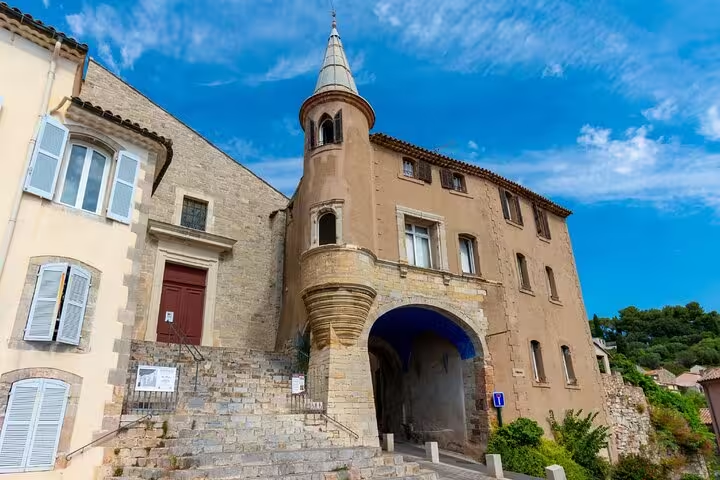
The historic core is where you feel the town’s layered identity, with a slower pace, local storefronts, and photogenic corners that reward wandering. It is ideal for travelers who like to discover details rather than chase a checklist. Practical tip, go earlier in the day for softer light and a calmer feel, then return in the evening for a different atmosphere.
Chase Viewpoints Above Town
Elevated spots help you understand the geography, the relationship between town and coast, and the quality of Mediterranean light that draws photographers. Viewpoints also give you a high value experience that does not require a ticket. Practical tip, bring water and wear stable shoes, especially if your route includes uneven lanes or steps.
Plan a Beach and Coast Day
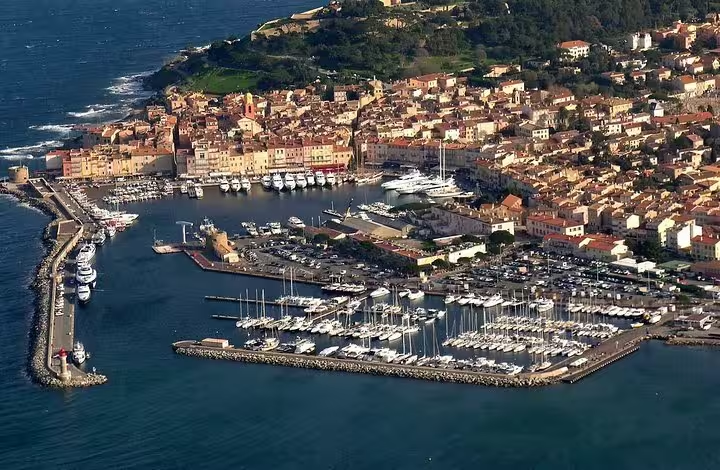
A coastal day is central to the Hyeres experience, even if you are not a dedicated beach traveler. The point is not only swimming, it is also the coastal scenery, the breeze, and the reset that comes from slowing down. Practical tip, pack layers, coastal wind can change how warm it feels, even in sunny conditions.
Take an Island Excursion
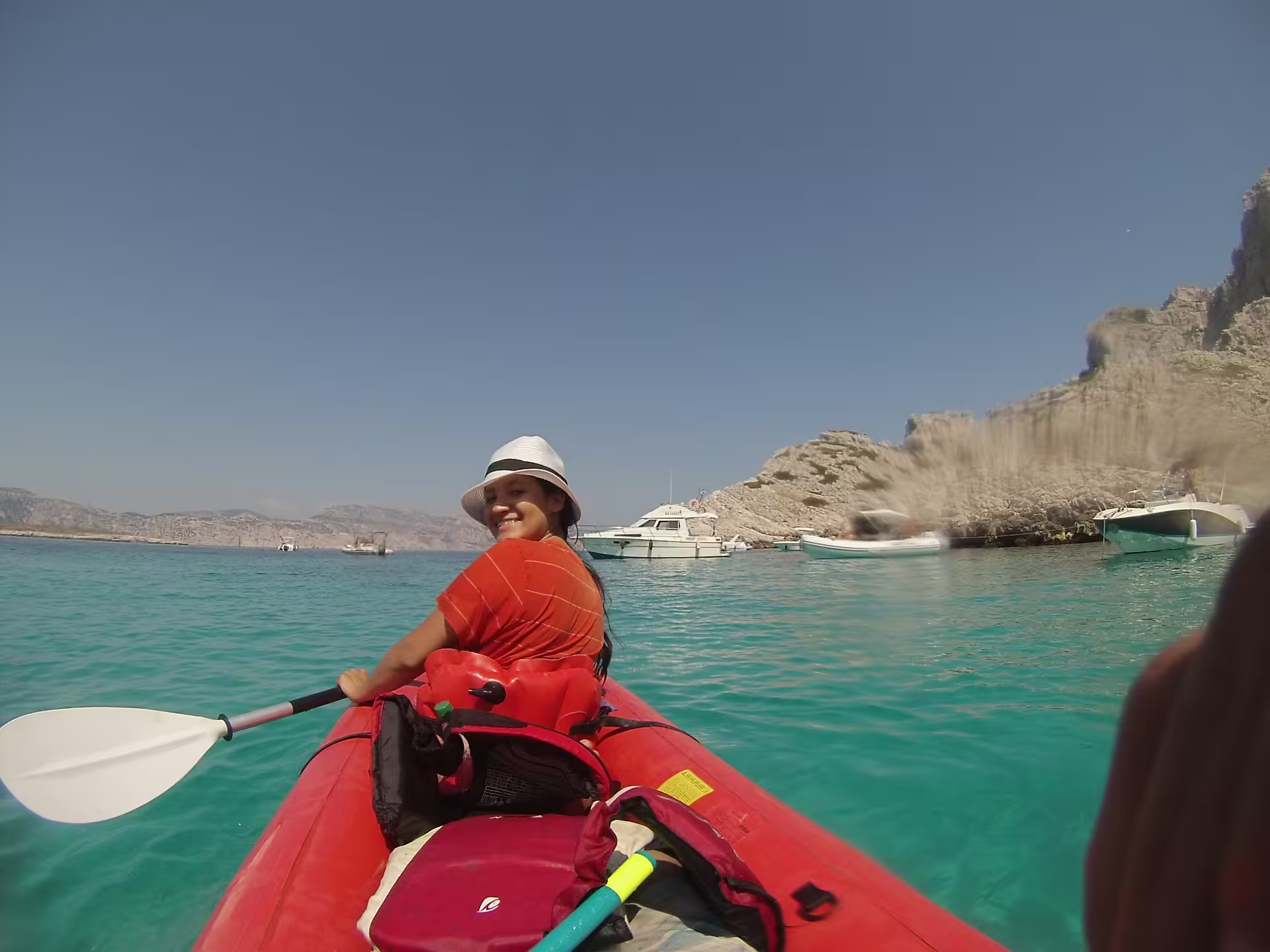
The nearby islands are a defining reason to choose this area, bringing a more natural, open landscape and a different pace from the mainland. An island day also breaks up a city and town heavy itinerary with sea air and wide horizons. Practical tip, confirm your transport plan in advance and keep your schedule flexible in case sea conditions affect crossings.
Prioritize a Market Style Morning
Markets and food focused streets are where you can sample local flavors and observe everyday life. This is also a smart way to build a picnic for later, which pairs perfectly with a coastal viewpoint or beach time. Practical tip, arrive with a short shopping list and a reusable bag so you can move quickly and avoid impulse overload.
Slow Travel Through Palm Lined Areas
The palm tree identity is part of the town’s visual signature and gives certain streets a resort like feel without losing the Provençal setting. It is a simple pleasure experience that adds texture between bigger activities. Practical tip, use this as a buffer block in your itinerary when you need downtime between meals and sightseeing.
Build a Photo Walk Around Golden Light
This region is famous for luminous coastal conditions, and a photo walk helps you experience it intentionally. Even if you are using a phone, the difference between midday glare and late day softness is dramatic. Practical tip, choose one neighborhood or coastal stretch and stay there longer rather than trying to cover everything.
Choose One Museum or Cultural Stop
A single cultural stop can deepen your understanding of the local story and provide a calm break from sun and wind. It also anchors the trip with context, which makes the rest of the walking and exploring feel more meaningful. Practical tip, keep it to one focused visit so you preserve time for the outdoors, which is the area’s strongest asset.
Start with a morning walk through the old town to catch the streets before the day peaks, then add a viewpoint to orient yourself and lock in your mental map. Shift to a relaxed lunch plan and an easy afternoon by the coast, leaving room for a swim or a long scenic walk depending on your energy. Finish with a golden hour loop for photos and a simple dinner plan that does not require rushing across town.
Day one, focus on the historic center, viewpoints, and a market style morning so you get a strong sense of place. Day two, commit to an island or nature heavy day, treat it as the main event, and keep the evening low key to recover. If you have a third day, use it for a slower coastal rhythm, repeat your favorite area in better light, and add one cultural stop to round out the trip.
Food here fits the Mediterranean setting, with a preference for fresh, simple combinations and Provençal aromatics. Use these ideas as a practical ordering framework rather than a strict checklist.
Hyeres is easiest when you plan your days in zones, one day focused on the center, another on the coast, and another on islands or nature. Walking is ideal for the historic core, where short distances and atmospheric streets are part of the appeal. For longer hops between the center and coastal areas, use local transport options or taxis and ride services depending on your timing and comfort.
Safety is generally about smart coastal habits, protect against sun exposure, stay hydrated, and keep an eye on wind conditions near the water. For accessibility, expect that older areas can include uneven surfaces and steps, so build in extra time and choose routes that match your mobility needs.
Use Hyeres as a base and you can add easy variety without changing hotels. Actual travel times depend on your exact starting point and transport choice, so treat these as flexible half day or full day concepts.
Is Hyeres better as a day trip or an overnight stay?
It works for both, but an overnight stay gives you time to split the old town and the coast across different parts of the day. If you want an island excursion, staying longer makes the logistics much easier.
How many days do I need to see the main highlights?
One day covers the essentials if you move efficiently and focus on one coastal segment. Two to three days lets you add an island day and keep the pace relaxed.
What is the best way to get around Hyeres without a car?
Use walking for the historic center and plan transport for longer hops to coastal areas. Group activities by zone so you minimize back and forth travel.
When is the least crowded time to visit Hyeres?
Shoulder periods tend to feel calmer than peak summer weeks, especially on weekdays. Early mornings also help you enjoy the old town with fewer people.
What should I pack for a trip that includes the coast and islands?
Bring sun protection, water, and comfortable shoes for uneven streets and walking routes. Add a light layer for wind and a reusable bag for market finds.