
Explore Tours

Build your dream
experience

More to know about Provence
Provence Travel Guide
Provence is the France of sensory detail, sun warmed stone villages, plane tree shaded squares, hilltop views over vineyards, and markets scented with herbs, peaches, and lavender soap. It is also a region of contrasts, from the papal grandeur of Avignon to the wild limestone drama of the Verdon, and from the Luberon’s postcard villages to the Mediterranean energy of Marseille. Use this guide to choose the right base, plan realistic driving loops, and prioritize the experiences that match your pace.
Snapshot
Provence feels slow and luminous, with a daily rhythm built around markets, long lunches, and golden hour walks. Go for the mix of culture and nature, Roman ruins, medieval towns, and landscapes that change quickly from olive groves to alpine foothills. It is especially rewarding when you plan around seasonal light, local produce, and the distances between villages.
🗺️ Geography and Logistics
📍 Orientation: Where is it within Provence-Alpes-Cote d'Azur and France?
Provence sits in southeastern France within the wider Provence-Alpes-Cote d'Azur region, bridging the Mediterranean coast and inland hill country. Common gateways include Marseille Provence Airport for coastal and central access, and Nice Cote d'Azur Airport for the eastern side. Rail hubs such as Avignon TGV and Aix-en-Provence TGV can be efficient for arriving without a car, then switching to local transport or a rental for village routes.
🕒 When to Go: Seasonal breakdown
Timing in Provence is about balancing weather, daylight, and crowds. Summer brings the most reliable sun and the liveliest village evenings, but also the busiest roads and the highest demand for accommodations. Spring and early autumn often feel more relaxed, with comfortable walking temperatures and markets still in full swing. Winter is quieter and can be ideal for city focused trips, museum time, and food driven itineraries, with shorter days and a calmer countryside.
💰 Budget & Currency: Practical money tips
France uses the euro, and cards are widely accepted across Provence, especially in towns, hotels, and restaurants. Keep some cash for smaller market stalls, village bakeries, and quick purchases where card minimums may apply. For budgeting, plan for higher costs in peak summer and in headline destinations, and better overall value when you base in a smaller town and day trip by car or train.
⭐ Essential Things to Do
Explore Avignon and the Papal legacy
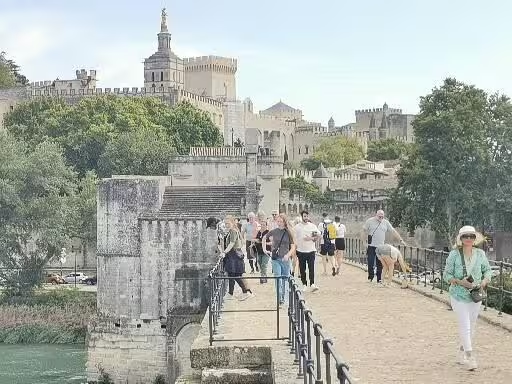
Avignon delivers a powerful sense of medieval Europe, with fortified walls and a historic core shaped by the period when popes ruled from here. It is a strong choice if you want culture, architecture, and an easy base with rail access. Practical tip, start early to enjoy quieter streets and softer light for photos, then build in time for a relaxed cafe stop on a shaded square.
Wander Aix-en-Provence for fountains and cafe culture
Aix is elegant and walkable, known for its tree lined boulevards, markets, and a rhythm that suits slow travel. It is ideal for travelers who want museums, shopping, and day trips without changing hotels. Practical tip, choose a central stay so you can return for a midday break, then go back out in the evening when the city feels most local.
Drive the Luberon village loop
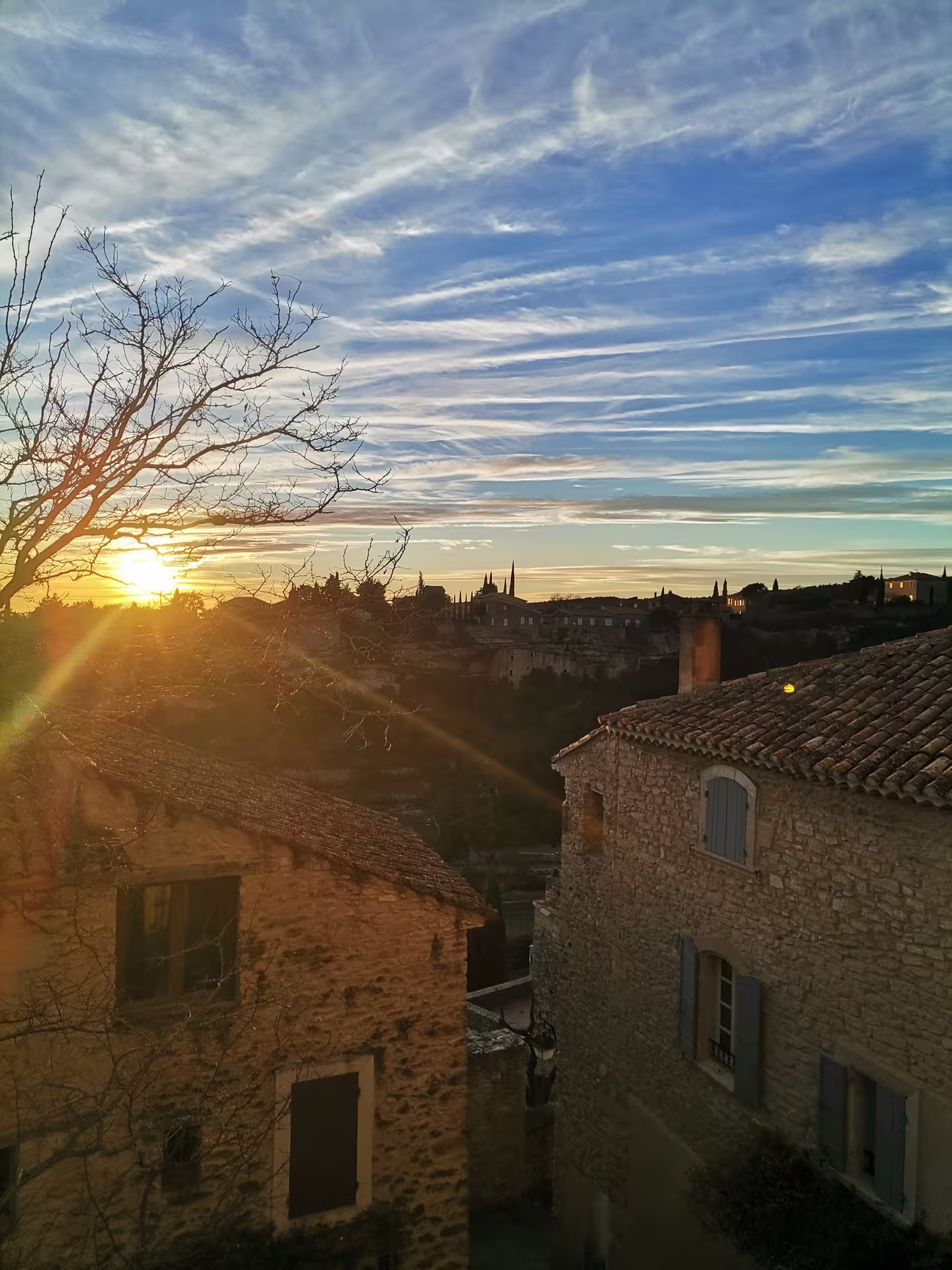
Luberon villages are the classic hilltop experience, stone houses, viewpoints, and small squares where time feels suspended. The joy is in the transitions between villages, with vineyards, orchards, and cypress lined roads. Practical tip, plan a short list of stops rather than trying to see everything, and park once per village to explore on foot comfortably.
Shop a Provençal market
Provençal markets are where the region’s identity becomes tangible, seasonal produce, cheeses, olives, honey, and textiles in bold colors. Even a quick visit helps you understand local flavors and the weekly rhythm of towns. Practical tip, go early for the best selection, then buy picnic items and head to a scenic spot for an easy lunch.
Follow a lavender route in season
Lavender fields in Provence are a signature landscape, but the experience depends on timing and location. Beyond photos, the appeal is the scent, the light, and the small distilleries and shops that explain how lavender is used. Practical tip, aim for early morning or late afternoon for softer light, and be respectful by staying on paths and not stepping into planted rows.
Hike the Calanques near Marseille
The Calanques combine limestone cliffs, turquoise coves, and dramatic coastal trails, offering a different side of Provence that feels wild and maritime. It is a top pick for active travelers who want big scenery close to a major city. Practical tip, bring water and sun protection, and choose a route that matches your fitness, since terrain can be rocky and exposed.
See Roman heritage in Arles and nearby sites
Roman France is vivid here, with arenas, ancient stones, and a city layout that still suggests its long history. Arles also connects to art and photography culture, making it a rewarding stop even if you are not a history specialist. Practical tip, pair ancient sites with a slow walk through side streets and riverside paths to keep the day balanced.
Chase big landscapes in the Verdon Gorge
Verdon Gorge day trip planning pays off because distances and viewpoints can take longer than expected. The reward is scale, cliffs, changing water color, and panoramic drives that feel far from the villages. Practical tip, start early to maximize daylight, and build a flexible plan so you can stop at viewpoints without rushing.
Spend an evening in a hilltop village
Daytime is beautiful, but evenings show another side, locals chatting on terraces, a cooler breeze, and a slower pace after day trippers leave. This is where Provence feels most intimate and memorable. Practical tip, reserve dinner ahead in peak season, then arrive before sunset to enjoy the viewpoint and the shift in light.
🚶 Curated Itineraries
⏰ The Highlights (1 Day)
Base yourself in Avignon or Aix-en-Provence for an efficient day. Start with a morning walk through the historic center and a cafe stop, then visit a market to assemble a picnic of bread, fruit, and local specialties. In the afternoon, drive to one or two nearby hilltop villages for views and short strolls, then finish with a golden hour viewpoint and dinner on a terrace.
⏰ Deep Dive (2-3 Days)
Day 1, choose a city base, Avignon for medieval atmosphere or Aix for refined boulevards, and focus on museums, architecture, and an unhurried market lunch. Day 2, dedicate the day to a Luberon villages loop, with time for short hikes between viewpoints and a long lunch in one town rather than constant driving. Day 3, add a nature contrast, either the Calanques for coastal drama or a Verdon Gorge day trip for sweeping inland landscapes, then return for a relaxed final evening meal.
🍽️ Flavors of Provence
Ratatouille
A slow cooked mix of summer vegetables, typically rich, sweet, and herb scented. Ordering tip, look for versions made with seasonal produce, it often signals a kitchen that cooks with care.
Bouillabaisse
A seafood stew associated with the Marseille coast, aromatic and savory, often served in stages. Ordering tip, ask what fish is used that day, quality and freshness matter more than an exact recipe.
Tapenade
An olive based spread that is salty, briny, and deeply Mediterranean, often served with bread or alongside aperitif snacks. Ordering tip, try both black and green olive styles if available, they can taste very different.
Aioli
Garlic and olive oil emulsion served with vegetables, fish, or potatoes, bold and satisfying. Ordering tip, if you love garlic, order confidently, if you do not, ask for a lighter option or a smaller portion to start.
Socca
A chickpea flour pancake more common toward the coast, crisp at the edges and soft inside. Ordering tip, eat it hot and fresh, it is best straight from the pan.
Rosé from Provence
Typically dry, pale, and refreshing, designed for warm weather meals and long lunches. Ordering tip, ask for a local glass recommendation, house selections can be excellent value.
🚌 Navigation & Transport
Getting around Provence depends on your itinerary. Cities like Avignon, Aix-en-Provence, and Marseille are walkable in their historic cores, and they connect well by train for point to point travel. For village loops, viewpoints, and countryside routes, a car is usually the most practical option, since public transport between small towns can be limited and schedules may not match sightseeing plans.
Drive with patience, village roads can be narrow, and parking may require a short walk into the center. If you prefer not to drive, consider basing in a rail hub and booking guided day tours for the countryside. For safety and comfort, carry water in summer, wear solid walking shoes for cobblestones, and plan breaks during the hottest part of the day.
🌄 Beyond the Center: Day Trips
Verdon Gorge
Expect a full day because it is a bigger landscape destination with scenic drives and viewpoints. Go for dramatic cliffs and a sense of scale that contrasts with village touring.
Arles
A rewarding day trip for Roman heritage and a compact center that is easy to explore on foot. Go for ancient sites paired with a lively cultural scene.
Marseille and the Calanques
Plan a day that mixes city energy with coastal nature. Go for seafood culture, waterfront neighborhoods, and access to cliff lined coves.
Luberon hill towns
A flexible day trip where the journey is part of the experience. Go for viewpoints, stone architecture, and relaxed lunches between short drives.
✅ Insider Tips for Travelers
- Choose one main base and day trip, changing hotels too often can add stress because drives and parking take time.
- Start mornings early for quieter streets and easier parking, then slow down for long lunches and late afternoon light.
- Shop Provençal markets for picnic supplies, it is one of the easiest ways to eat well without overplanning.
- Pack a refillable water bottle and sun protection in warm months, shade can be limited on trails and viewpoints.
- In villages, expect cobblestones and steps, comfortable shoes matter more than stylish footwear.
- Be respectful around farms and fields, especially near Lavender fields in Provence, stay on paths and avoid trampling crops.
- If you are driving, build buffer time for photo stops, viewpoints, and slow traffic through small town centers.
❓ Frequently Asked Questions, FAQ
Is it better to stay in one base or move around?
One base is usually easier because village driving and parking can take longer than expected. Choose a rail friendly city for convenience, then day trip to the countryside.
Do I need a car to explore the villages?
A car is the most practical way to connect smaller towns and viewpoints on your schedule. If you do not want to drive, consider guided day trips from a major hub.
When is the best time to visit Provence for fewer crowds?
Spring and early autumn often feel calmer while still offering good walking weather and lively markets. Summer is vibrant but busier, especially in the most famous areas of Provence.
What should I pack for a trip that mixes towns and nature?
Bring comfortable walking shoes for cobblestones and uneven paths, plus layers for cooler evenings. In warm months, add sun protection and a water bottle for hikes and viewpoints.
How many days do I need to see the highlights?
One day can cover a city and a couple of nearby villages, but it will feel fast paced. With 2 to 3 days in Provence, you can add a market morning and a bigger nature day trip without rushing.
Toursxplorer.com created this guide to help travelers plan a practical trip through Provence in the Provence-Alpes-Cote d'Azur region of France. It summarizes logistics, key experiences, and itinerary building blocks to support confident trip decisions.
Europe, France, Provence-Alpes-Cote d'Azur, Provence