Last updated:


A trip built around Marseille, Aix-en-Provence and Arles can bring architecture, painting and Roman heritage into the same holiday. For a change of focus, the Camargue offers Rhône delta wetlands and brine ponds that support greater flamingos.
Architecture and literary history give a Marseille visit a clear focus, with the Cité Radieuse and Château d'If as contrasting choices. Le Corbusier's Cité Radieuse took shape between 1947 and 1952 and joined the UNESCO World Heritage List in 2016. The Château d'If, about 1.5 kilometres offshore from Marseille, appears in an adventure novel that Alexandre Dumas began publishing in 1844.
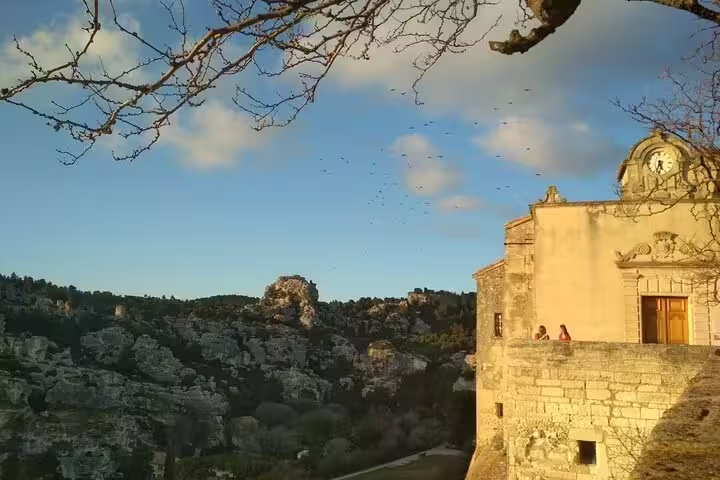
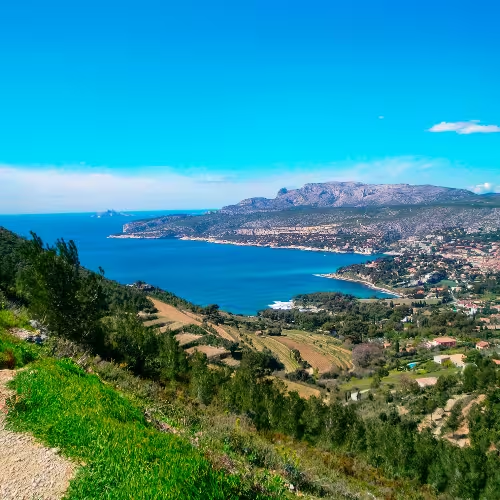
Nature can shape a different day: Calanques National Park includes both land and sea, while the Camargue offers wetlands. For birdwatching, the Marais du Vigueirat is worth putting on your list: more than 300 bird species have been recorded there. This protected site lies between the Rhône delta and the Crau plain.
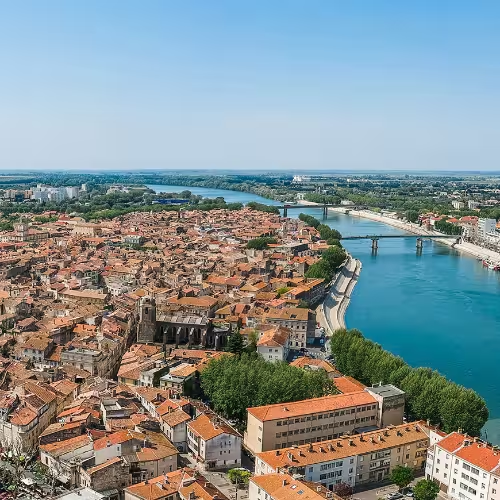
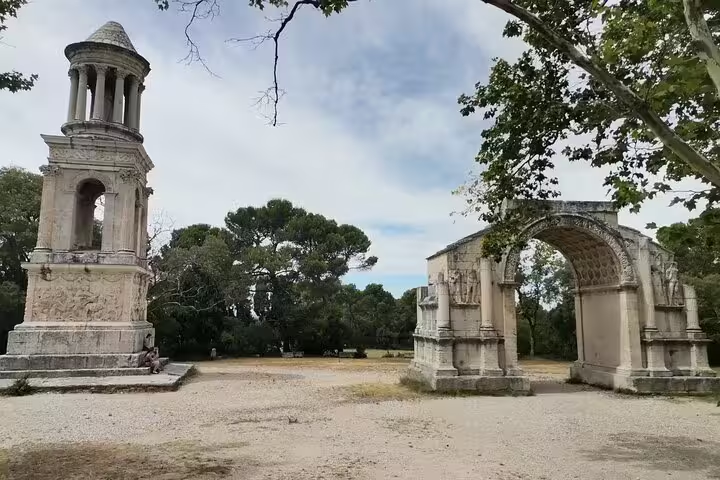
Three days is a useful outline: a day in Marseille for the Cité Radieuse and a boat trip to Château d'If, a day for Calanques National Park or the Camargue, and a day for Arles and Les Baux-de-Provence. Arles adds Roman and Romanesque monuments recognised by UNESCO in 1981, while Les Baux-de-Provence lies northeast of Arles in the Alpilles mountains.
The private day tour from Marseille to Arles, Saint-Rémy and Les Baux lasts 8 hours and includes an English-speaking private driver-guide, a premium air-conditioned vehicle and transport between destinations.
Keep the order of outdoor visits flexible, because the mistral can be a significant part of the weather. This cold, dry wind blows from the northwest around Marseille, often strongest in winter and spring, with gusts of 80 to 100 km/h and sometimes more. An episode can last several days. Late spring suits outdoor visits well: average highs near Marseille are about 19 °C in April and 24 °C in May, rising to about 31 °C in July and August, while September to November are the wettest months, with 73 to 82 mm of rain each. From 1 June to 30 September, land access to the Calanques depends on a daily fire risk level and can be closed on high risk days, so check it the evening before. A flexible itinerary leaves room to rearrange a Camargue or Calanques day around windy conditions.
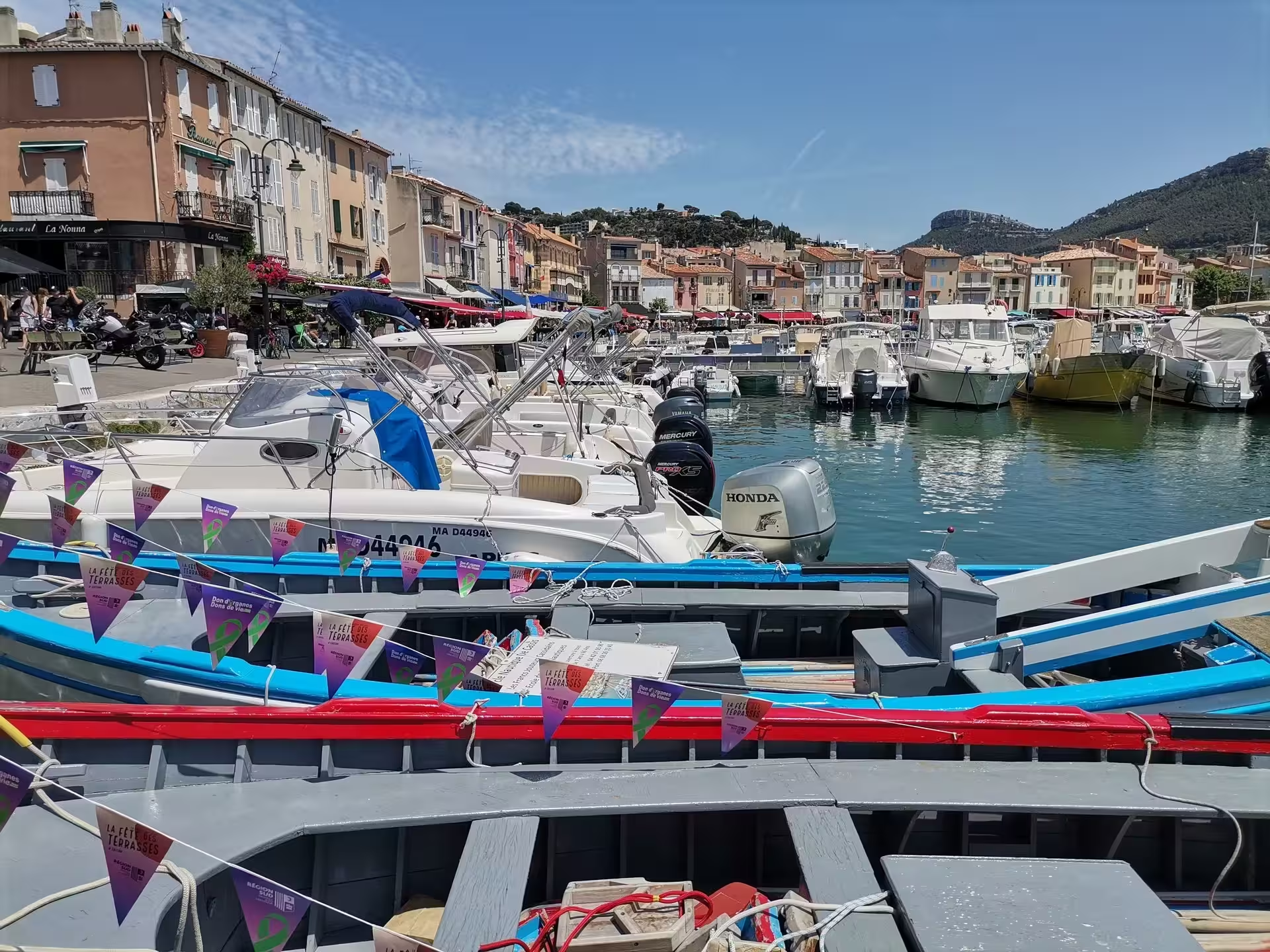
A regional tour with transport included is an option when you want to visit beyond Marseille. The custom private tour in Provence focused on nature, sea and villages lasts 6 hours and includes private transport, a local professional guide and an itinerary tailored to your preferences. For your arrival plan, allow for a transfer from Marseille Provence Airport: it lies 27 kilometres northwest of Marseille.
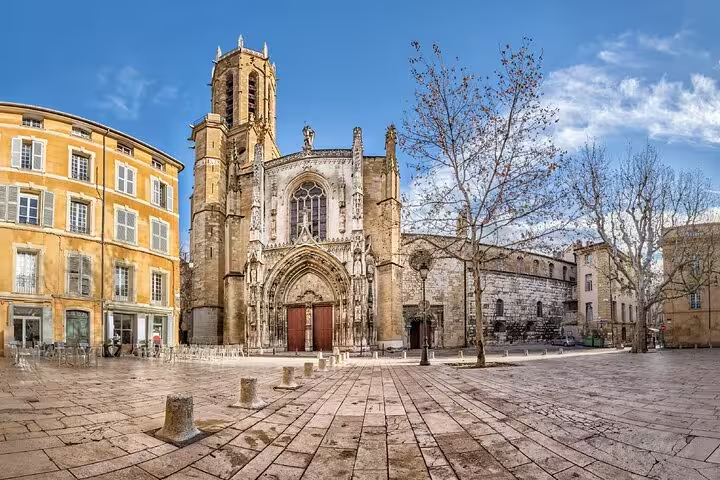
Aix-en-Provence suits a Cézanne-focused day, while Arles offers a connection to Van Gogh. Cézanne was born in Aix-en-Provence and returned repeatedly to Mont Sainte-Victoire in his paintings. Van Gogh lived in Arles during 1888 and 1889, making more than 300 paintings and drawings there.
The full-day shore excursion to Avignon and Aix-en-Provence lasts 8 hours and includes a licensed guide, air-conditioned transport and a guided walk through the old town of Aix-en-Provence and Cours Mirabeau. Its guided Avignon visit includes the Palais des Papes and the exterior of Pont Saint-Bénézet.
Marseille is the practical base for arrivals and departures and for the Cité Radieuse, Château d'If and the Calanques; Aix-en-Provence suits a visit centred on Cézanne. The decision comes down to which of those interests you want to build your days around.
On the Mediterranean coast, Cassis is about 20 kilometres east of Marseille.
Aix-en-Provence hosts the Festival international d'Art Lyrique, an opera festival that began in 1948.
Each year, a Romani pilgrimage brings people to Saintes-Maries-de-la-Mer to honour Saint Sarah.