


Angers
Angers is a historic city in western France, famed for its medieval fortress, the Apocalypse Tapestry, Loire Valley wines, and vibrant arts scene. A compelling destination rich in culture and flavour.

Angers is a historic city in western France, famed for its medieval fortress, the Apocalypse Tapestry, Loire Valley wines, and vibrant arts scene. A compelling destination rich in culture and flavour.

Angers is a captivating city in western France, nestled along the Maine River at the gateway to the Loire Valley. Known for its magnificent medieval fortress, vibrant arts scene, and celebrated local wines, this city rewards visitors with a rich blend of history and contemporary culture. Whether you are a history enthusiast, a food lover, or simply seeking an authentic French experience, Angers delivers on every front.
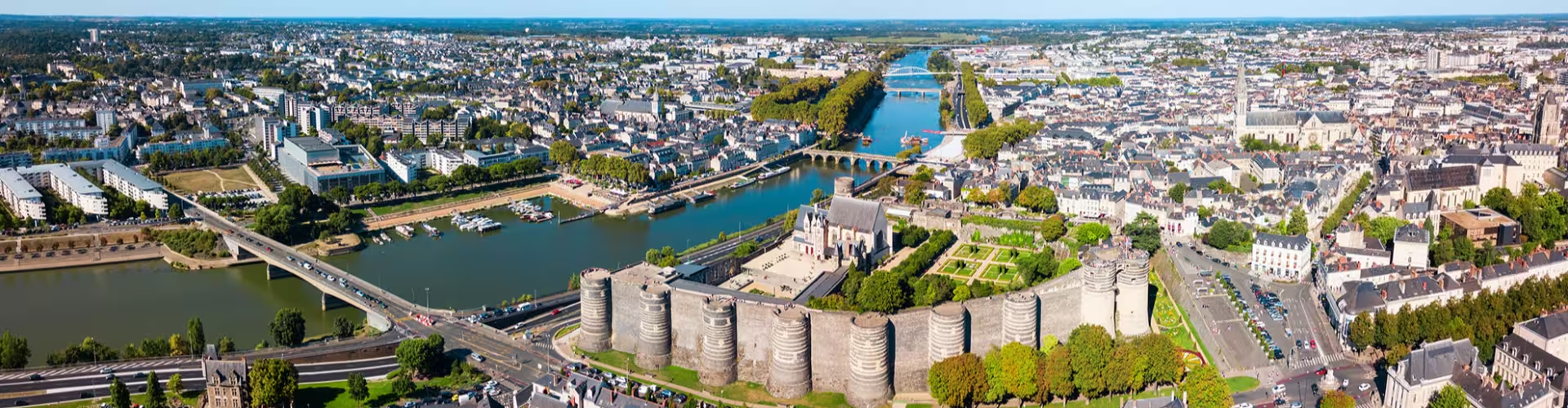
Angers sits in the Maine-et-Loire department, roughly 90 kilometres east of Nantes and 300 kilometres southwest of Paris. The city centre is compact and walkable, anchored by the imposing Chateau d'Angers on the west bank of the Maine River. The historic quarter, known as La Doutre, lies just across the river and is easily explored on foot. The broader Loire Valley stretches in both directions, making the city an ideal base for regional exploration.
The best time to visit is from late April through early October, when temperatures are pleasant and outdoor festivals fill the calendar. Summer brings the famous Angers Nantes Opera season and open-air concerts in the chateau grounds. Spring offers blooming gardens and fewer crowds, making it ideal for sightseeing. Autumn is harvest season in the surrounding vineyards, a wonderful time for wine enthusiasts.
France uses the Euro. Angers is considered more affordable than Paris, with mid-range hotel rooms averaging 80 to 130 euros per night. A sit-down lunch at a local brasserie typically costs 15 to 25 euros per person. Museum entry fees are reasonable, and several attractions offer free or discounted admission on the first Sunday of each month.
Chateau d'Angers: This colossal 13th-century fortress dominates the city skyline with its 17 massive towers. Inside, visitors can explore beautifully landscaped gardens, a deer enclosure, and the world-renowned Apocalypse Tapestry. The tapestry, stretching over 100 metres, is one of the greatest surviving medieval artworks in the world. Practical Tip: Book tickets online in advance, especially during summer, to avoid long queues.
Apocalypse Tapestry: Housed within the chateau, this extraordinary 14th-century textile series depicts scenes from the Book of Revelation with vivid imagery and remarkable craftsmanship. The dedicated gallery is climate-controlled and thoughtfully lit to preserve the colours. Audio guides are available in multiple languages and greatly enrich the experience. Practical Tip: Allocate at least 45 minutes to appreciate the full length of the tapestry.
Musee des Beaux-Arts d'Angers: One of the finest regional art museums in France, this institution spans medieval sculpture to 20th-century paintings. The building itself is a beautifully restored 17th-century mansion with a striking modern extension. Highlights include works by Watteau, Fragonard, and local artist David d'Angers. Practical Tip: The museum is closed on Mondays, so plan accordingly.
Galerie David d'Angers: This unique gallery is housed inside a stunning 19th-century church with a glass roof, displaying an exceptional collection of sculptures by the celebrated local artist Pierre-Jean David. The interplay of natural light and stone creates a dramatic atmosphere. It is one of the most visually striking museum spaces in the Loire region. Practical Tip: Combine this visit with the nearby Musee des Beaux-Arts for a full cultural morning.
La Doutre Quarter: Crossing the Maine River brings you into this charming medieval neighbourhood, filled with half-timbered houses, artisan shops, and quiet squares. The area has a distinctly bohemian character, with independent cafes and local boutiques lining the narrow streets. It is the ideal place to slow down and soak in the authentic daily rhythms of city life. Practical Tip: Visit on a Saturday morning when the local market is in full swing.
Terre des Sciences Planetarium: This interactive science centre and planetarium offers engaging exhibits on astronomy, ecology, and natural sciences. It is a fantastic option for families and curious travellers of all ages. The planetarium shows run regularly throughout the day and are available in French and English. Practical Tip: Check the schedule online as show times vary by season.
Parc de Balzac: This large urban park on the outskirts of the city centre offers a peaceful retreat with walking trails, ponds, and open green spaces. It is popular with locals for jogging, picnicking, and weekend relaxation. The park connects to several cycling routes that lead into the surrounding countryside. Practical Tip: Rent a bicycle from the city's Velo Plus bike-share scheme to explore the park and beyond.
Begin your morning at the Chateau d'Angers, allowing two hours to explore the grounds and the Apocalypse Tapestry. Head to the old town for lunch at a traditional brasserie, then visit the Galerie David d'Angers in the afternoon. Cross the river to explore La Doutre before dinner at one of the neighbourhood's acclaimed restaurants. End the evening with a stroll along the Maine riverbank as the city lights reflect on the water.
On day two, dedicate the morning to the Musee des Beaux-Arts and the surrounding historic streets. In the afternoon, visit the Terre des Sciences Planetarium and cycle through Parc de Balzac. On the third day, venture into the Loire Valley wine country, visiting the vineyards of Savennieres or the Layon Valley. Return to the city for a final dinner featuring local Cointreau liqueur and regional cuisine at one of the city's celebrated gastronomic tables.
Rillauds d'Anjou: A beloved local speciality, rillauds are slow-cooked pork belly cubes seasoned with salt, pepper, and spices. They are rich, tender, and deeply savoury. Order them as a starter at any traditional Anjou restaurant.
Fouace Angevine: This traditional brioche-style bread, slightly sweet and subtly spiced, is a staple of local bakeries. It pairs beautifully with butter and local honey for breakfast. Look for it in artisan boulangeries throughout the city.
Quernons d'Ardoise: These distinctive blue-tinted chocolate confections are the signature sweet of the region. Filled with praline and coated in a pale blue chocolate shell, they make an ideal edible souvenir. Pick them up at any chocolate shop near the city centre.
Muscadet and Anjou Wines: The surrounding Loire Valley produces exceptional white and rose wines. Anjou Blanc, made from Chenin Blanc grapes, is crisp, mineral-driven, and food-friendly. Ask restaurant staff for local producer recommendations to discover hidden gems.
Cointreau: The world-famous orange liqueur was created in Angers in 1849 and remains produced here today. Visit the Cointreau distillery for a guided tour and tasting experience. It makes for a memorable afternoon excursion just east of the city centre.
Porc au Lapin en Gelee: A traditional Angevin terrine combining pork and rabbit in savoury aspic. It is served cold as a charcuterie starter and reflects the deep rustic culinary heritage of the Anjou region. Found in most traditional charcuteries and brasseries.
The city centre is best explored on foot, as most major attractions are within a 20-minute walk of each other. The Irigo tram and bus network covers the wider urban area efficiently, with single tickets and day passes available at machines and onboard. The Velo Plus bike-share system offers a convenient and eco-friendly way to cover longer distances. Taxis and ride-share apps are available for late-night travel or trips to the outskirts.
By rail, the city is served by frequent TGV services connecting to Paris Montparnasse in approximately 90 minutes. Regional trains link the city to Nantes, Le Mans, and Saumur. The train station is located a short walk south of the city centre, making arrivals straightforward.
Saumur: Just 50 kilometres east along the Loire, Saumur is home to a striking hilltop chateau, famous equestrian school, and exceptional sparkling wines. The drive or train ride through the valley is scenic and rewarding. Plan to spend a full day exploring the chateau and the cave-dwelling troglodyte villages nearby.
Fontevraud Abbey: One of the largest medieval monastic complexes in Europe, Fontevraud Abbey contains the tombs of English royalty including Richard the Lionheart. It is a haunting and magnificent site, approximately 40 kilometres from the city. A cultural centre within the abbey hosts exhibitions and events throughout the year.
Brissac-Quince: Home to the tallest chateau in France, this small town southwest of the city offers a spectacular visit to a privately owned castle still inhabited by the same family for over five centuries. The surrounding vineyards produce well-regarded Anjou reds. Tours of the chateau interior are available during peak season.
Loire-Atlantique Vineyards: The Layon Valley, just south of the city, is renowned for its sweet Coteaux du Layon wines produced from Chenin Blanc grapes affected by noble rot. Self-guided cycling routes wind through the vineyards and villages. Many domaines offer tastings by appointment throughout the year.
The fastest option is the TGV high-speed train from Paris Montparnasse, which takes approximately 90 minutes. Several services run daily, making it a comfortable and efficient journey. Tickets should be booked in advance for the best fares.
The Chateau d'Angers and its extraordinary Apocalypse Tapestry are considered the defining cultural highlights of the city. Angers is home to one of the most significant medieval artworks anywhere in the world, and the tapestry alone justifies the visit.
Absolutely. The Terre des Sciences Planetarium, the chateau grounds, and the city's numerous parks make it an excellent destination for families. The compact city centre also means less time in transit and more time enjoying attractions.
The Loire Valley surrounding Angers produces outstanding Chenin Blanc whites, including dry Savennieres and sweet Coteaux du Layon. Rose d'Anjou is a widely enjoyed local rose, while Cabernet d'Anjou offers a sweeter pink alternative.
Late spring through early autumn, from May to September, offers the most reliable warm and sunny weather. July and August are the peak tourist months, while June and September offer a pleasant balance of good conditions and manageable visitor numbers.