Loire-Atlantique
Loire-Atlantique blends the vibrant culture of Nantes with Atlantic coastlines, medieval salt towns, and acclaimed Muscadet vineyards. A richly diverse destination in western France.

Loire-Atlantique blends the vibrant culture of Nantes with Atlantic coastlines, medieval salt towns, and acclaimed Muscadet vineyards. A richly diverse destination in western France.

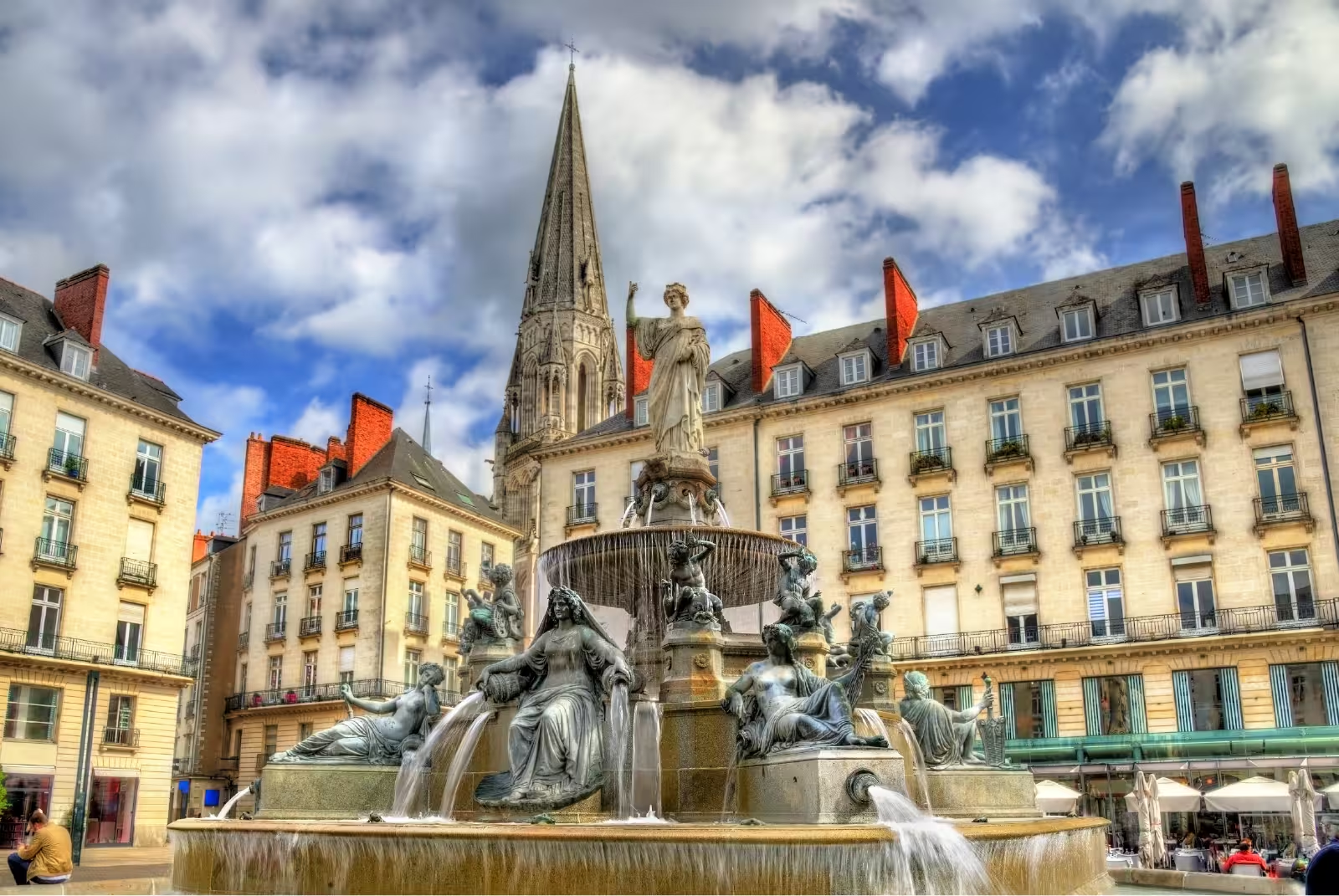
Loire-Atlantique is a captivating department in western France where the Loire River meets the Atlantic Ocean, creating a landscape of extraordinary diversity. From the vibrant city of Nantes to the salt marshes of the Guérande peninsula, this region blends urban culture with raw natural beauty. It is a destination that rewards the curious traveler with art, gastronomy, history, and coastline in equal measure.
Loire-Atlantique sits at the southwestern edge of the Pays de la Loire region, bordered by the Atlantic coast to the west and the Vendée to the south. Nantes, the departmental capital, serves as the main gateway and urban hub. The territory stretches from dense bocage countryside in the east to the wild Côte de Jade coastline in the west.
The best time to visit is late spring through early autumn, from May to September, when temperatures are mild and festivals fill the calendar. July and August are peak months for coastal tourism, so booking accommodation early is strongly advised. Spring offers blooming gardens and fewer crowds, making it an ideal time for cultural exploration.
France uses the Euro (EUR). Nantes offers a wide range of accommodation from budget hostels to luxury hotels, with mid-range options averaging 80 to 130 EUR per night. Dining out in a traditional restaurant costs roughly 15 to 30 EUR per person, while markets and bakeries offer excellent value for budget-conscious travelers.
Château des Ducs de Bretagne
This imposing medieval castle in the heart of Nantes served as the residence of the Dukes of Brittany and later French kings. Today it houses the Nantes History Museum, offering rich exhibits on the city's past including its complex role in the Atlantic slave trade. The restored ramparts provide sweeping views of the city. Practical Tip: Museum entry is free on the first Sunday of each month.
Les Machines de l'Ile
Housed in the former shipyards of the Île de Nantes, this visionary artistic project blends the imagination of Jules Verne with the mechanical genius of Leonardo da Vinci. Visitors can ride the iconic 12-meter-tall mechanical elephant or explore the Galerie des Machines. It is a one-of-a-kind experience that captivates adults and children alike. Practical Tip: Book tickets online in advance, especially during school holidays.
Guérande Salt Marshes
The ancient salt pans surrounding the medieval town of Guérande have been worked by paludiers, traditional salt farmers, for over a thousand years. Guided tours explain the harvesting of fleur de sel, one of France's most prized culinary ingredients. The surrounding landscape is serene and otherworldly, especially at golden hour. Practical Tip: Visit the Terra Sel ecomuseum for an in-depth look at salt production.
La Baule Beach
Stretching for nearly nine kilometers, La Baule is considered one of the finest beaches in Europe. Its wide arc of golden sand, lined with elegant Belle Époque architecture, exudes a timeless Riviera atmosphere. The resort town offers excellent seafood dining, sailing schools, and a lively promenade. Practical Tip: Rent a bike to explore the full length of the beach and surrounding pine forest paths.
Le Voyage à Nantes
This summer arts trail transforms the city of Nantes into an open-air gallery each July and August. Dozens of contemporary art installations are scattered across the city, connected by a green line painted on the pavement. The event has become one of France's most acclaimed urban cultural festivals. Practical Tip: Pick up the free guide map at the tourist office to follow the full trail.
Clisson
This small town in the southeast of the department is an architectural anomaly: its streetscape is deeply influenced by Italian Renaissance style, thanks to 19th-century patrons who rebuilt it after the Revolutionary Wars. The ruined medieval castle, riverside setting, and Italianate villas create a uniquely romantic atmosphere. Practical Tip: Visit during the Hellfest music festival in June if you enjoy a lively contrast to the town's gentle character.
Pornic Old Port
Pornic is a charming fishing village and seaside resort on the Jade Coast, famous for its picturesque harbor, medieval castle perched above the water, and network of sandy coves. The old port district is filled with seafood restaurants and artisan shops. It has a relaxed, authentic feel that sets it apart from larger resorts. Practical Tip: Explore the coastal path (sentier côtier) southward from the harbor for spectacular cliff views.
Muscadet Wine Route
The vineyards southeast of Nantes produce Muscadet, a crisp dry white wine made from the Melon de Bourgogne grape. The wine route winds through charming villages and family-run domaines where tastings are typically free and warmly welcomed. Pairing Muscadet with local oysters is a quintessential regional experience. Practical Tip: The village of Le Pallet is a particularly rewarding stop, with several acclaimed producers nearby.
Begin the morning at the Château des Ducs de Bretagne to ground yourself in the region's history. After lunch at a brasserie on the Place du Bouffay, head to Les Machines de l'Ile for an afternoon of wonder. End the day with a stroll along the Île de Nantes waterfront and dinner at a riverside restaurant.
On day two, take a morning train or drive to Guérande to explore the medieval ramparts and salt marshes, then continue to La Baule for an afternoon on the beach. On day three, head to Clisson for its Italian-inspired architecture and castle ruins before returning to Nantes for a final evening exploring the Le Voyage à Nantes trail if visiting in summer.
Beurre Blanc Nantais: This classic butter sauce, born in the Nantes region, is made with white wine, shallots, and local butter. It is traditionally served over pike or other Loire River fish. Order it at any traditional Nantes brasserie for an authentic taste of the city's culinary heritage.
Fleur de Sel de Guérande: Harvested by hand from the surface of the salt pans, this prized sea salt has a delicate flavor and moist texture. Buy it directly from a paludier at the Guérande market for the freshest quality.
Muscadet Wine: The region's signature wine is a light, dry white with mineral notes and a characteristic sur lie aging. It pairs beautifully with oysters from the Vendée coast or local seafood platters. Ask for a Muscadet Sèvre et Maine for the most complex expression.
Gâteau Nantais: This dense, rum-soaked almond cake is a beloved Nantes specialty with a history tied to the city's maritime trade. It is found in most patisseries across the city. Look for versions topped with a rum glaze for the most traditional rendition.
Huîtres de Vendée: Oysters farmed along the Atlantic coast near the Loire-Atlantique border are plump, briny, and excellent. Many coastal markets sell them freshly shucked on weekend mornings. Enjoy them simply with a squeeze of lemon and a glass of Muscadet.
Brioche Vendéenne: This soft, slightly sweet braided bread is found throughout the region and is a staple of local breakfasts and celebrations. Bakeries in Nantes and smaller towns sell it fresh each morning. It is best enjoyed warm with salted Breton butter.
Nantes is well connected to the French rail network, with TGV services from Paris taking approximately two hours. The city's TAN network covers trams, buses, and a Busway rapid transit line, making it easy to navigate without a car. For exploring the wider department, renting a car is strongly recommended, as coastal towns and rural wine villages are not always well served by public transport. Cycling is also popular, with dedicated routes along the Loire river and the Jade Coast.
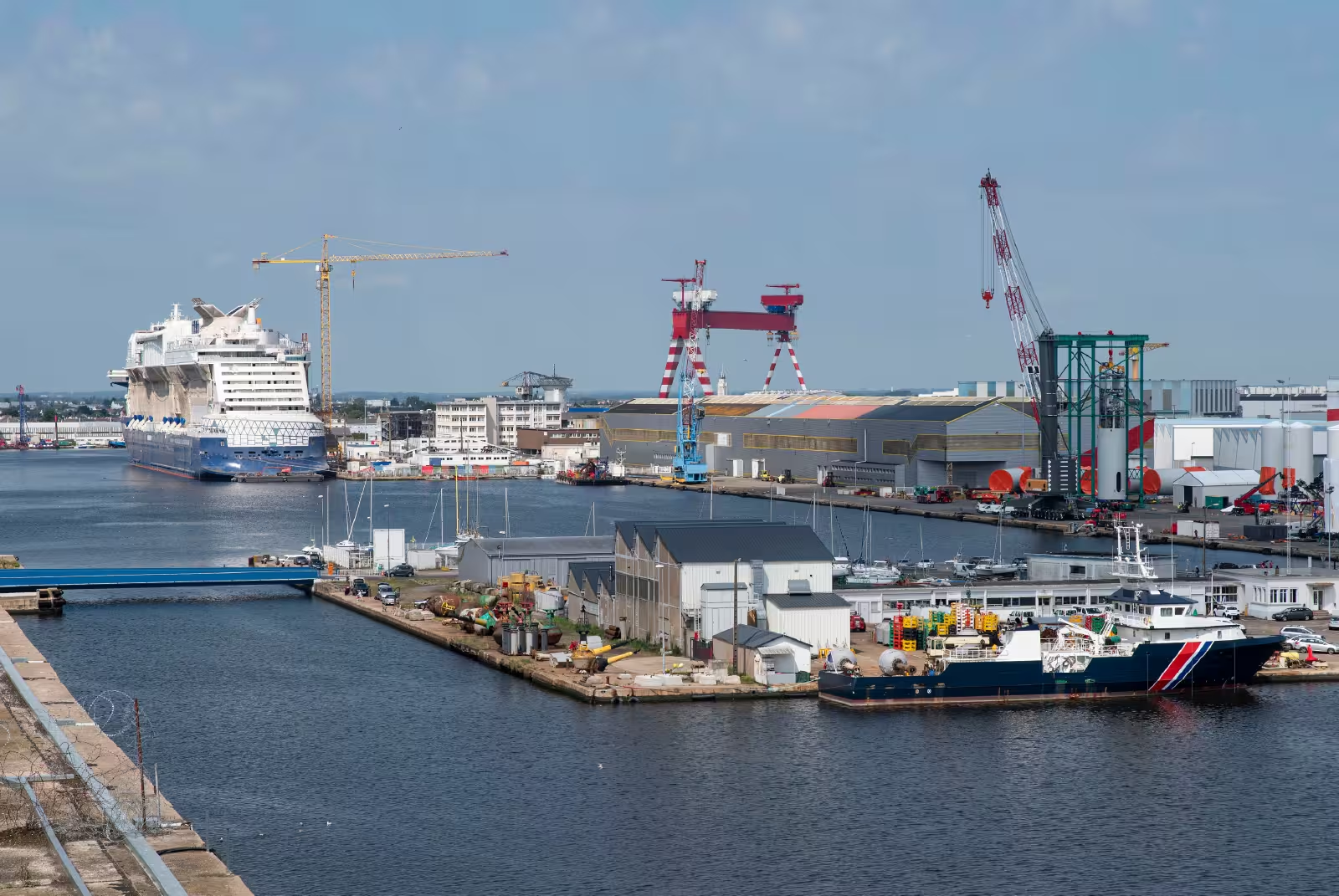
Saint-Nazaire: Located at the mouth of the Loire estuary, Saint-Nazaire is a fascinating industrial port city with a remarkable WWII submarine base turned cultural venue, the Escal'Atlantic ocean liner museum, and a striking suspension bridge. It is only 45 minutes by train from Nantes.
Vannes and the Gulf of Morbihan: Just across the regional border into Brittany, the medieval walled city of Vannes and the stunning inland sea of the Gulf of Morbihan make for an exceptional day trip. Boat tours of the gulf depart regularly from Vannes harbor.
Noirmoutier Island: Accessible by a causeway that floods at high tide, this island off the Vendée coast has a unique charm, with salt marshes, a medieval castle, and pristine beaches. The famous Bonnotte potato, harvested only in May, is a rare culinary highlight worth timing a visit around.