Roussillon

Plan a smooth trip to Roussillon with essential things to do, 1 to 3 day itineraries, local flavors, transport tips, and easy day trips for a scenic, slow travel escape.

logoBlack

Build your dream
experience

dreamimg

More to know about Roussillon


Roussillon Travel Guide

Roussillon is a name that carries two powerful identities, a historic region of southern France and a picture perfect village famed for its ochre cliffs and Provençal light. For travelers, it delivers an easy blend of culture, scenery, and slow living, with walking friendly streets, market flavors, and viewpoints that reward unhurried exploration. This guide helps you decide how long to stay, what to prioritize, and how to plan a smooth visit that fits your pace.


Snapshot

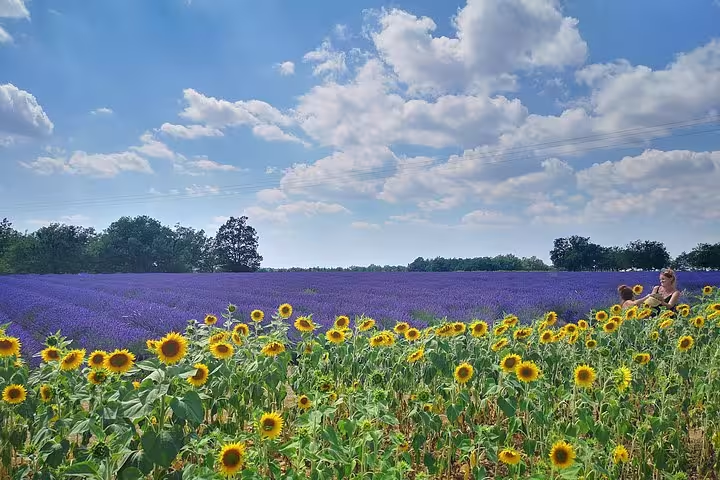
Roussillon feels sensory and cinematic, with earthy color palettes, stone lanes, and landscapes that invite photography and gentle hikes. It is a strong choice when you want a destination that is both scenic and simple to navigate, with enough culture to anchor a full day or a long weekend. Go now if you want a slower rhythm, seasonal produce, and golden hour views that turn the terrain into a living canvas.


🗺️ Geography and Logistics

📍 Orientation: Where is it within Pyrenees-Orientales and ? Name key gateway airports or hubs.

Roussillon is associated with the Pyrenees-Orientales department in Occitanie, close to the Spanish border and the eastern Pyrenees. In practical terms, many travelers route through larger hubs in southern France, then continue by regional rail or road depending on the exact base they choose. If you are planning a multi stop itinerary, think in terms of linking coastal towns, inland villages, and mountain viewpoints, then choosing one convenient base for day trips.

🕒 When to Go: Seasonal breakdown. Weather patterns vs. crowd levels.

For comfortable walking and outdoor time, shoulder seasons are often the easiest, with mild days that suit viewpoints, short hikes, and long lunches. Summer typically brings the strongest light and the most energetic atmosphere, but also heavier crowds and a need to plan earlier starts. In cooler months, the pace is calmer and the landscapes feel more intimate, so prioritize scenic drives, museums, and food focused stops when conditions are less predictable.

💰 Budget & Currency: Practical money tips, local price levels, and card vs. cash advice.

France uses the euro, and most travelers can rely on cards for everyday spending, especially in larger towns and established restaurants. Keep some cash for small purchases such as markets, bakeries, or rural stops where minimum card limits can happen. Budget wise, costs vary by season and location, so the simplest approach is to book key lodging early, then keep daily plans flexible around free viewpoints, self guided walks, and one or two paid experiences.


⭐ Essential Things to Do

1) Ochre Cliffs and Scenic Viewpoints
The signature experience is seeing the ochre landscape in changing light, which makes the terrain look different from one hour to the next. It is a strong first stop because it instantly explains the region’s visual identity and why artists and photographers are drawn here. Practical tip, go in the morning for softer light, then return near sunset for warmer tones and fewer day trippers.

2) Old Town Stroll and Photo Walk
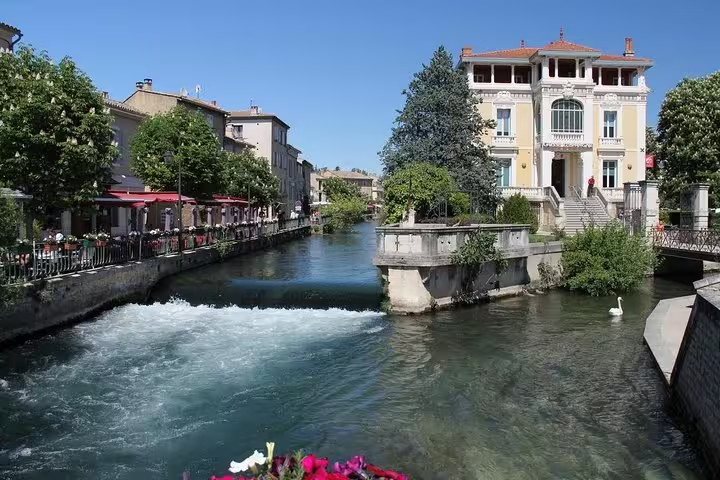
A slow walk through historic lanes gives you the texture of local life, shutters, stonework, and small squares that feel designed for lingering. It matters because the village scale makes it easy to absorb details that you miss when you rush. Practical tip, pick one loop route, then add short detours only when something catches your eye, this keeps the walk relaxing.

3) Local Market Browsing
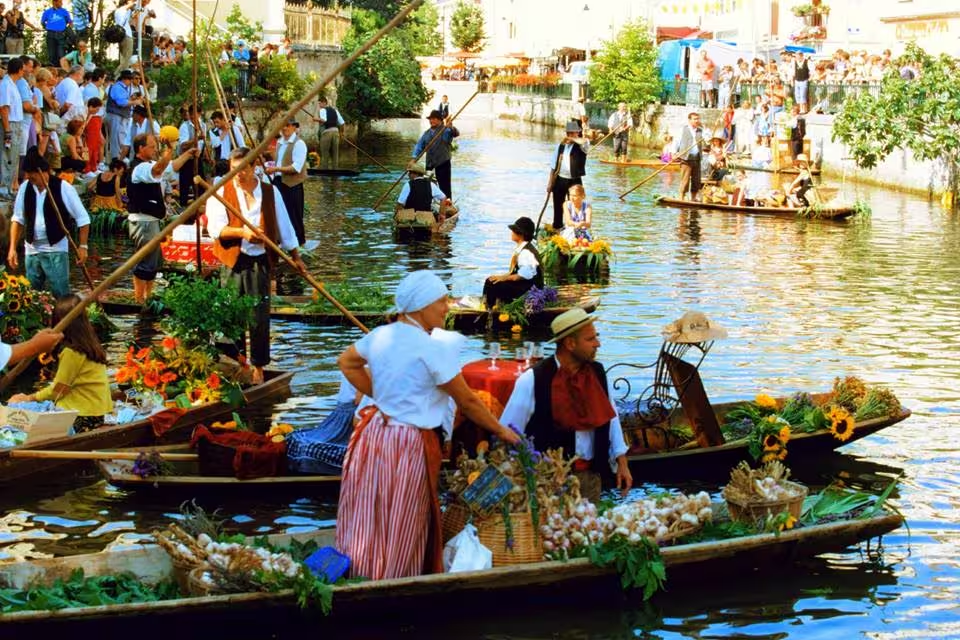
Markets are the fastest way to understand regional flavors, seasonal produce, and everyday habits. Even without buying much, you get a sense of what locals cook and what is in season. Practical tip, carry a reusable bag and small cash, then build a picnic from fruit, bread, and cheese.

4) Regional Wine Tasting Focus
The wider Roussillon area is strongly linked to viticulture, and tastings connect landscape to flavor in a way that is both educational and enjoyable. It matters because it turns a scenic day into a story about soil, sun, and tradition. Practical tip, aim for a late afternoon tasting, then keep dinner plans simple afterward.

5) Short Hikes and Nature Walks
Gentle trails and countryside paths help you experience the region beyond viewpoints, with plants, stone terraces, and wide skies. This matters because the terrain is part of the cultural identity, not just a backdrop. Practical tip, wear grippy shoes and bring water, then choose a route that matches the day’s heat and your group’s pace.

6) Craft Shops and Local Art
Small ateliers and craft boutiques often reflect the color and light of the area, with ceramics, prints, and handmade goods that feel place specific. It matters because it supports local makers and gives you a meaningful souvenir beyond mass produced items. Practical tip, ask about shipping options if you find fragile pieces, it can make travel easier.

7) Scenic Drive Between Villages
A short drive links viewpoints, vineyards, and small settlements, creating a varied day without packing too much into a single location. It matters because the transitions, fields to hills to stone villages, are part of the experience. Practical tip, plan two or three stops only, then leave time for spontaneous pull offs when the view opens up.

8) Slow Lunch on a Terrace
A long meal is not just a break, it is a cultural rhythm that fits this part of France. It matters because it turns sightseeing into a restorative day, especially in warmer months. Practical tip, eat earlier than peak times if you want more choice and a quieter setting.


🚶 Curated Itineraries

⏰ The Highlights (1 Day): A fast-paced Best Of route.

Start with an early viewpoint visit to catch softer light and cooler temperatures, then do an old town loop on foot while the streets are still calm. Pause for a market browse or bakery stop, then plan a relaxed lunch that anchors the middle of the day. In the afternoon, add a short nature walk or a nearby village stop, then finish with golden hour photos and a simple dinner that lets the day land gently.

⏰ Deep Dive (2-3 Days): Adding neighborhood exploration and local secrets.

On day one, focus on the core village experience, viewpoints, a full walking loop, and a long meal. On day two, explore the wider Roussillon area with a vineyard oriented route, a scenic drive, and one or two curated tastings, then add a countryside walk that matches the season. If you have a third day, keep it flexible for day trips, a second market visit, and a slower pace that leaves room for craft shopping and repeat visits to your favorite viewpoints in different light.


🍽️ Flavors of Roussillon

1) Regional Bread and Bakery Pastries
Expect crisp crusts, tender interiors, and butter forward pastries that pair well with coffee. Ordering tip, ask what is fresh from the oven, then build breakfast around one sweet and one savory item.

2) Market Fruit and Seasonal Produce
Seasonal fruit tends to be fragrant and sun ripened, ideal for picnics and light snacks between stops. Ordering tip, buy smaller quantities of several items, it keeps your bag light and your tasting varied.

3) Cheese and Charcuterie Boards
These are easy to share and often reflect local sourcing, with salty, creamy, and herbal notes depending on what is available. Ordering tip, ask for a mixed board to sample more styles without over ordering.

4) Mediterranean Style Salads and Vegetable Dishes
Look for bright, olive oil driven plates that feel refreshing in warm weather. Ordering tip, choose one vegetable focused dish alongside a protein, it balances the meal and keeps it energizing for walking.

5) Wine from the Wider Area
Wines linked to the broader Roussillon identity can range from fresh, food friendly styles to more structured bottles. Ordering tip, describe what you like in simple terms, for example light and crisp or rich and bold, then ask for a local recommendation.

6) Simple Picnic Staples
A picnic is often the best value meal when you want to maximize viewpoints and outdoor time. Ordering tip, shop once in the morning, then keep picnic timing flexible so you can eat when the view feels right.


🚌 Navigation & Transport

Within a village setting, walking is usually the most enjoyable option because it lets you stop for photos and take in details without worrying about parking. For connecting multiple villages, viewpoints, and countryside stops, a car can make the day smoother and more time efficient, especially if you want to chase light for photography. If you are relying on public transport, plan around fixed schedules and keep your daily plan compact, then use walking loops to fill the gaps. For safety and comfort, wear stable shoes on uneven stone and natural paths, and carry water in warmer months.


🌄 Beyond the Center: Day Trips

1) Coastal Towns in Pyrenees-Orientales
Travel time varies by route and base, but the coast is a natural contrast to inland villages. The reason to go is the sea air, promenades, and a change of scenery that pairs well with a food focused day.

2) Eastern Pyrenees Viewpoints
Mountain drives and lookout points add scale to your trip and help you understand the geography behind the region’s identity. The reason to go is panoramic scenery and cooler air in warmer seasons.

3) Nearby Hilltop Villages
Short hops between villages create a rewarding day without long transit. The reason to go is architectural variety, small squares, and the pleasure of comparing local atmospheres.

4) Vineyard Routes and Rural Landscapes
A day built around vineyards is both scenic and educational, especially if you enjoy tasting with context. The reason to go is learning how terrain and tradition shape what ends up in your glass.


✅ Insider Tips for Travelers

  • Start early for viewpoints and photo walks, then use midday for lunch, shade, and slower indoor browsing.
  • Keep one flexible block each day for spontaneous stops, it is often where the best memories happen.
  • Carry a small amount of cash for markets and small purchases, even if you plan to pay by card most of the time.
  • Pack grippy walking shoes for stone lanes and natural paths, and bring water in warm weather.
  • If you plan tastings, schedule them after your main driving segment, then keep the rest of the day light.
  • For souvenirs, prioritize locally made crafts and art that reflect the region’s colors and materials.

❓ Frequently Asked Questions, FAQ

Is Roussillon better as a day trip or an overnight stay?

A day trip works well if you want viewpoints, a walking loop, and a long lunch. An overnight stay is better if you want to see the landscape in different light and add nearby villages without rushing.

What is the best time of day for photos?

Morning light is softer and often cooler for walking. Golden hour near sunset can bring warmer tones and a more dramatic look to the scenery.

Do I need a car to explore Roussillon and nearby areas?

In the village itself, walking is usually enough for the main sights. A car helps a lot if you want to connect viewpoints, vineyards, and multiple villages in one day.

How should I plan meals during a visit?

A bakery breakfast and a market picnic are easy ways to stay flexible between stops. If you want a sit down lunch, aim for an earlier time to keep the day moving calmly.

What should I pack for a trip to Roussillon?

Pack stable shoes for uneven lanes and paths, plus water for warmer days. Add layers in cooler months so you can adapt between sunny viewpoints and shaded streets.