Pyrenees-Orientales

Pyrenees-Orientales blends Mediterranean coast, Catalan culture, vineyards, and Pyrenees foothills. Use this guide for what to do, when to go, how to get around, and easy 1 to 3 day itineraries.

logoBlack

Build your dream
experience

dreamimg

More to know about Pyrenees-Orientales


Pyrenees-Orientales Travel Guide

Pyrenees-Orientales blends Mediterranean light with mountain horizons, where Catalan culture, seaside promenades, and rugged inland valleys sit within easy reach of each other. This is a place for travelers who want variety in a single trip, coastal scenery one moment, stone villages and high viewpoints the next. Come for the food, the markets, and the slow rhythm of southern France, then stay for the sense of contrast that makes planning each day genuinely fun.


Snapshot

Pyrenees-Orientales feels like a crossroads, French in its ease and infrastructure, Catalan in its flavors, festivals, and everyday language cues. The signature vibe is sunlit and outdoorsy, with beach time, vineyard landscapes, and mountain air all part of the same itinerary. It is especially appealing when you want a trip that balances scenic drives, walkable towns, and long meals without committing to just one type of holiday.


🗺️ Geography and Logistics

📍 Orientation: Where is it within Occitania and France? Name key gateway airports or hubs.

Pyrenees-Orientales sits in the Occitania region in southern France, on the border with Spain, where the Pyrenees meet the Mediterranean. The main gateway is Perpignan, which works well as a base for both the coast and inland routes. You can also connect via larger regional transport hubs in southern France, then continue by train or car depending on your itinerary style.

🕒 When to Go: Seasonal breakdown. Weather patterns vs. crowd levels.

Expect a Mediterranean pattern near the coast and cooler conditions as you climb toward the mountains, which means your packing list should flex with altitude. Peak summer brings the most beach energy and the busiest seaside towns, while shoulder seasons are often a better match for hiking, scenic drives, and market focused weekends. Winter can feel quieter and more local, with the inland landscape taking on a different character, and the coast remaining more about walks and food than swimming.

💰 Budget & Currency: Practical money tips, local price levels, and card vs. cash advice.

France uses the euro, and in most towns you can rely on cards for hotels, restaurants, and transport. Carry some cash for markets, small bakeries, and quick purchases in villages where card minimums can apply. Budget planning is easiest if you mix a few splurge meals with simple lunches, then prioritize paid experiences that truly match your interests, such as tastings, guided walks, or a scenic boat outing when available.


⭐ Essential Things to Do

These curated experiences help you feel the range of Pyrenees-Orientales in a short trip, from coast to mountains.

  • Perpignan Old Town Stroll. Perpignan is a practical base and a cultural anchor, with a street life that makes it easy to settle into the local rhythm. Wandering on foot lets you notice the Catalan influence in architecture and daily life, plus it is a low effort way to orient yourself. Practical tip, start early for calmer streets, then return in the evening for a more lively atmosphere.

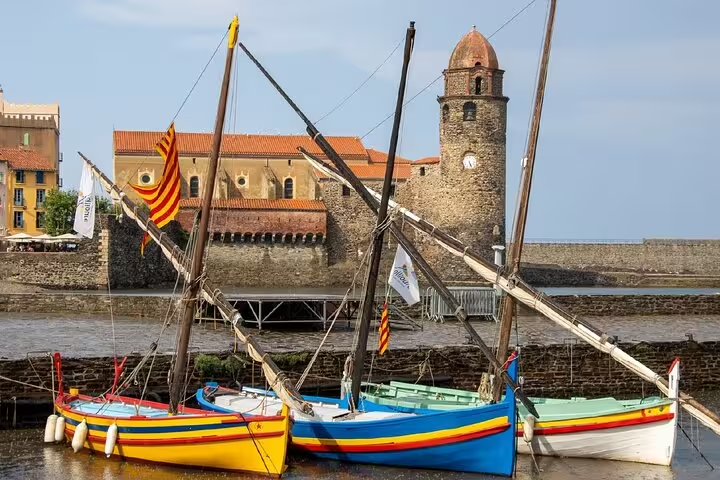
  • Collioure Seaside Walk. Collioure is known for its postcard harbor feel and the way the sea frames the town at every angle. It is ideal when you want an easy day with strong scenery, short walks, and plenty of places to pause for a drink. Practical tip, go near golden hour for the best light and plan for slow movement since the most scenic spots draw crowds.

  • Côte Vermeille Coastal Views. The rocky coastline south of the main beaches feels more dramatic and rugged, with viewpoints that reward short drives and stop and go exploration. This is where Pyrenees-Orientales shows its wilder Mediterranean edge, especially if you like photography or coastal walks. Practical tip, keep water and sun protection with you, and allow extra time for scenic pull offs.

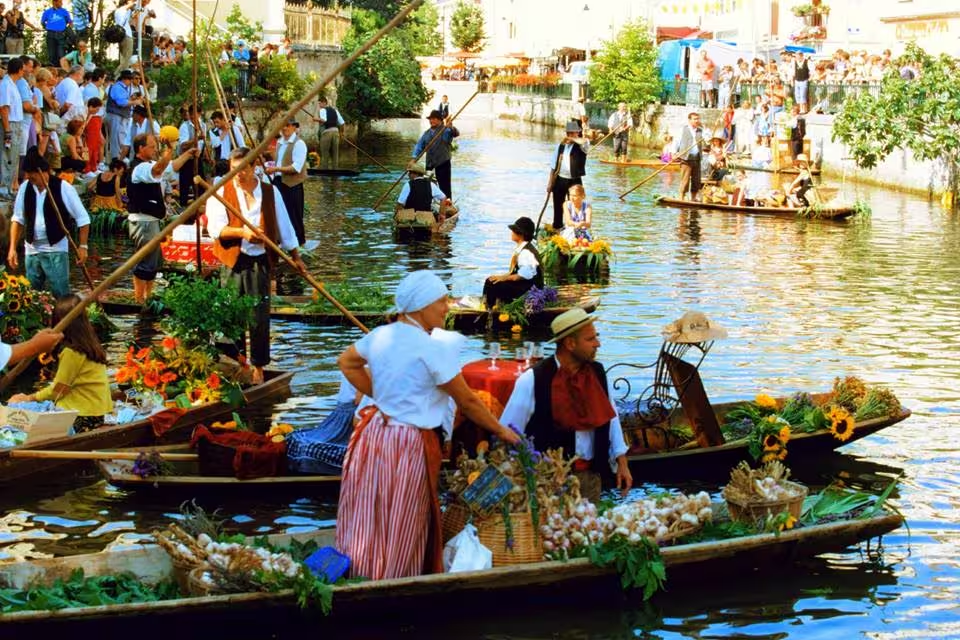
  • Local Markets and Regional Produce. Markets are the fastest way to understand the region’s flavors, seasonal produce, and everyday food culture. Even a short visit can shape your whole trip, you can build a picnic, choose a wine, or discover what locals actually cook. Practical tip, bring a reusable bag and arrive earlier for the best selection.

  • Vineyards and Wine Tasting. The wine landscape adds a layer of place, with vineyards often sitting between sea breezes and foothill slopes. Tastings are a good decision support activity because you can learn what to order later at restaurants and what to bring home. Practical tip, designate a driver if you are self driving, and focus on one area per afternoon to keep it relaxed.

  • Mountain Villages and Viewpoints. Inland routes deliver stone villages, quieter roads, and panoramic stops that feel far from the beach scene. This contrast is central to the appeal of Pyrenees-Orientales, it is not just a coastal break. Practical tip, pack a light layer even on warm days since temperatures can shift quickly with altitude.

  • Hiking in the Pyrenees Foothills. Even short trails can deliver big views, fresh air, and a sense of scale that balances the coastal parts of your trip. Choose routes that match your fitness and daylight hours, and treat the hike as a highlight rather than an add on. Practical tip, start earlier to avoid midday heat and always check conditions locally before setting out.

  • Beach Time with a Scenic Backdrop. The coastline offers classic Mediterranean downtime, but with the bonus of nearby hills and a strong regional identity. A beach afternoon works well after a morning of sightseeing or driving. Practical tip, aim for early or late beach hours for a calmer feel and easier parking.


🚶 Curated Itineraries

⏰ The Highlights (1 Day): A fast-paced best of route.

Start in Perpignan for a focused old town walk, then grab market snacks or a bakery lunch to keep the day moving. Head to Collioure for a waterfront loop and a slow coffee with harbor views, then follow a short stretch of the Côte Vermeille for scenic pull offs. Finish with a relaxed dinner back in town or by the water, choosing a terrace if the weather allows.

⏰ Deep Dive (2-3 Days): Adding neighborhood exploration and local secrets.

Day one, base yourself in Perpignan, explore on foot, and use markets to shape your food plan for the next days. Day two, dedicate the morning to Collioure and coastal viewpoints, then add a vineyard stop in the afternoon for tastings and a slower pace. Day three, go inland for mountain villages and a foothills walk, then return via a scenic route that lets you appreciate how quickly Pyrenees-Orientales shifts from sea level to high horizons.


🍽️ Flavors of Pyrenees-Orientales

  • Catalan inspired seafood. Expect clean, briny flavors that suit the coastal setting, often best enjoyed simply prepared. Ordering tip, ask what is local and seasonal, then choose a preparation that lets the main ingredient shine.

  • Market cheeses and charcuterie. Great for picnics and easy lunches, with textures and salt levels that pair well with regional wines. Ordering tip, ask for a mixed selection and request small portions so you can sample more than one style.

  • Rustic mountain style dishes. Inland cooking tends to feel heartier, designed for cooler air and active days. Ordering tip, if you plan a hike, schedule this kind of meal afterward as a reward.

  • Local wine. Wine is part of the regional identity, and tasting helps you understand the range from fresh and coastal to more structured inland styles. Ordering tip, when dining out, ask for a local glass recommendation instead of defaulting to familiar labels.

  • Bakery culture. Bakeries make mornings easy and affordable, and they are also useful for building a day trip picnic. Ordering tip, go earlier for the fullest selection and pick up something simple for later in the day.

  • Seasonal fruit and produce. The Mediterranean climate supports vibrant produce that is easy to enjoy with minimal prep. Ordering tip, buy what looks best at the market and plan a no cook lunch with bread, cheese, and fruit.


🚌 Navigation & Transport

For a trip that includes both coast and inland villages, a car offers the most flexibility and makes it easier to stop at viewpoints and wineries. Within towns like Perpignan and Collioure, walking is often the most pleasant way to explore, especially in historic areas where streets are tighter and parking is limited. If you prefer public transport, build your plan around key hubs and keep your daily radius realistic, then use taxis or ride options for short hops where available. For safety and comfort, keep water on hand in warm months, watch your footing on uneven old town streets, and plan extra time if you are traveling with mobility needs since some scenic areas include slopes and steps.


🌄 Beyond the Center: Day Trips

  • Spain border excursions. The border is close, which makes cross border culture and cuisine an easy add on. Travel time varies by route, so treat it as a full day if you want a relaxed pace. Primary reason to visit, a quick shift in language, food, and atmosphere.

  • Pyrenees mountain routes. Head inland for cooler air and bigger views, especially if your base is coastal. Travel time depends on your chosen village or trailhead. Primary reason to visit, landscapes that feel dramatically different from the sea.

  • Coastal town hopping along the Côte Vermeille. Short drives connect multiple viewpoints and seaside stops. Travel time is flexible, since you can build the day around as many stops as you like. Primary reason to visit, a scenic coastline with variety and strong photo potential.

  • Vineyard areas. A tasting focused day is ideal when you want a slower pace between busier sightseeing days. Travel time varies with the estate locations you choose. Primary reason to visit, understanding the region through its wine and landscapes.


✅ Insider Tips for Travelers

  • Plan coastal visits early or later in the day to reduce crowd pressure and improve lighting for photos.
  • Use Perpignan as a base if you want to balance coast, inland villages, and day trips without changing hotels.
  • Carry a light layer for inland and higher elevation stops, even when the coast feels hot.
  • Keep small cash for markets and quick purchases, especially in smaller villages.
  • Build a picnic from market finds, it is one of the best value meals and fits scenic itineraries.
  • On driving days, limit your must do stops, the region is more enjoyable when you leave time for viewpoints and spontaneous detours.

❓ Frequently Asked Questions, FAQ

What is the best base for exploring both the coast and inland areas?

Perpignan is a practical base because it connects well to both coastal towns and inland routes. It also makes it easier to mix walking days with scenic drives.

How many days do I need for a first trip?

One day covers a fast highlights loop, but 2 to 3 days gives you time for both the coast and mountain villages. That extra time also helps you slow down for markets and tastings.

Do I need a car in Pyrenees-Orientales?

A car is the easiest way to combine the Côte Vermeille, vineyards, and inland viewpoints in one trip. Within towns, walking works well, especially in historic centers where parking can be limited.

When should I visit Pyrenees-Orientales for fewer crowds?

Shoulder seasons are often calmer than peak summer, while still offering good conditions for walks and scenic drives. Inland areas can also feel quieter than the busiest seaside spots.

What should I pack for a mixed coast and mountain itinerary?

Pack comfortable walking shoes, sun protection, and a refillable water bottle for warm days. Add a light layer for inland and higher elevation stops where temperatures can change quickly.