Narbonne
Narbonne blends Roman heritage, canal strolls, markets, and easy day trips to beaches and vineyards. Plan the best time to go, top things to do, itineraries, local flavors, and transport tips.

Narbonne blends Roman heritage, canal strolls, markets, and easy day trips to beaches and vineyards. Plan the best time to go, top things to do, itineraries, local flavors, and transport tips.

Narbonne is a sunlit southern French city where Roman roots, canal-side strolls, and market culture come together in an easy, walkable rhythm. It suits travelers who want history you can touch, food you can taste, and a base that opens up beaches, vineyards, and Cathar country. Use this guide to plan what to do, when to go, how to get around, and how to shape a trip that feels local without feeling complicated.
Narbonne blends a relaxed Mediterranean pace with layers of heritage, from ancient Roman corridors to lively modern cafés. The signature vibe is unhurried, outdoorsy, and delicious, with a strong sense of place shaped by Occitan culture and nearby wine country. Go now if you want a destination that delivers big flavors and day trip variety while staying calmer than many headline cities in southern France.
Narbonne sits in southern France in the wider Occitanie region, close to the Mediterranean coast and the landscapes of the Aude and Hérault area. It is well positioned between larger hubs, which makes it practical for a multi-stop itinerary that includes coastal towns and inland villages. For gateways, look at major regional airports and rail hubs in the broader south of France, then connect onward by train or road based on your route and luggage.
Expect a Mediterranean pattern, warmer and brighter in late spring through early autumn, with the highest crowds in peak summer. Shoulder seasons tend to balance pleasant weather with more breathing room for museums, markets, and restaurant tables. Winter is quieter and can feel more local, but plan for shorter days and a slower pace for outdoor time.
France uses the euro, and Narbonne generally fits a mid-range southern France budget, with the best value found in markets, casual lunch menus, and picnics by the canal. Cards are widely used, but carrying a small amount of cash helps for small purchases and market stalls. If you are watching costs, prioritize walkable sightseeing, split a few paid attractions with free scenic time, and book accommodation early for the busiest months.
1) Walk the canal and waterfront paths
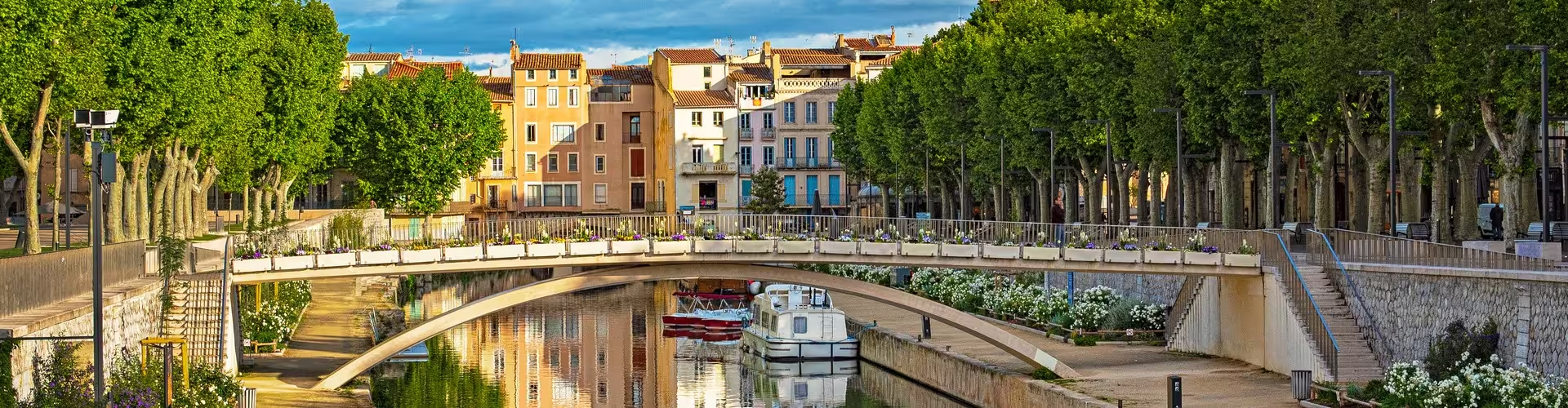
The canal-side atmosphere is one of the easiest ways to feel the city’s everyday life, with reflections, boats, and a gentle pace that suits morning coffee or an evening stroll. It connects naturally to cafés and photo spots without requiring a strict plan. Practical tip, go early for quiet light, or later for a livelier scene when locals come out.
2) Explore the historic center on foot
The old streets reward slow wandering, letting you notice stone details, small squares, and the way the city’s layers sit close together. It is also the simplest way to orient yourself, because most key sights cluster within a compact area. Practical tip, use a loose loop route so you can pause when you find a market, bakery, or shaded terrace.
3) Seek out Roman heritage traces
The region’s Roman past is a defining thread, and Narbonne is often associated with ancient routes and urban planning that shaped later centuries. Even when you are not inside a specific site, the story adds meaning to what you see underfoot and around corners. Practical tip, read a short primer before you go, then match what you learn to street patterns and key landmarks.
4) Spend time at local markets
Markets are where the destination becomes edible, seasonal, and social, with produce, cheeses, olives, and regional specialties. They also help you travel well on a budget, because you can assemble a picnic that feels like a treat. Practical tip, bring a reusable bag and arrive earlier for the best selection and easier browsing.
5) Taste regional wines from nearby appellations
The broader area is strongly linked to vineyards and wine culture, and tasting adds a sensory layer to your trip. It is a relaxed way to learn about the landscape, because wine reflects climate, soil, and tradition. Practical tip, choose a tasting format that matches your schedule, and plan transport so you do not need to drive afterward.
6) Prioritize a cathedral or major church visit
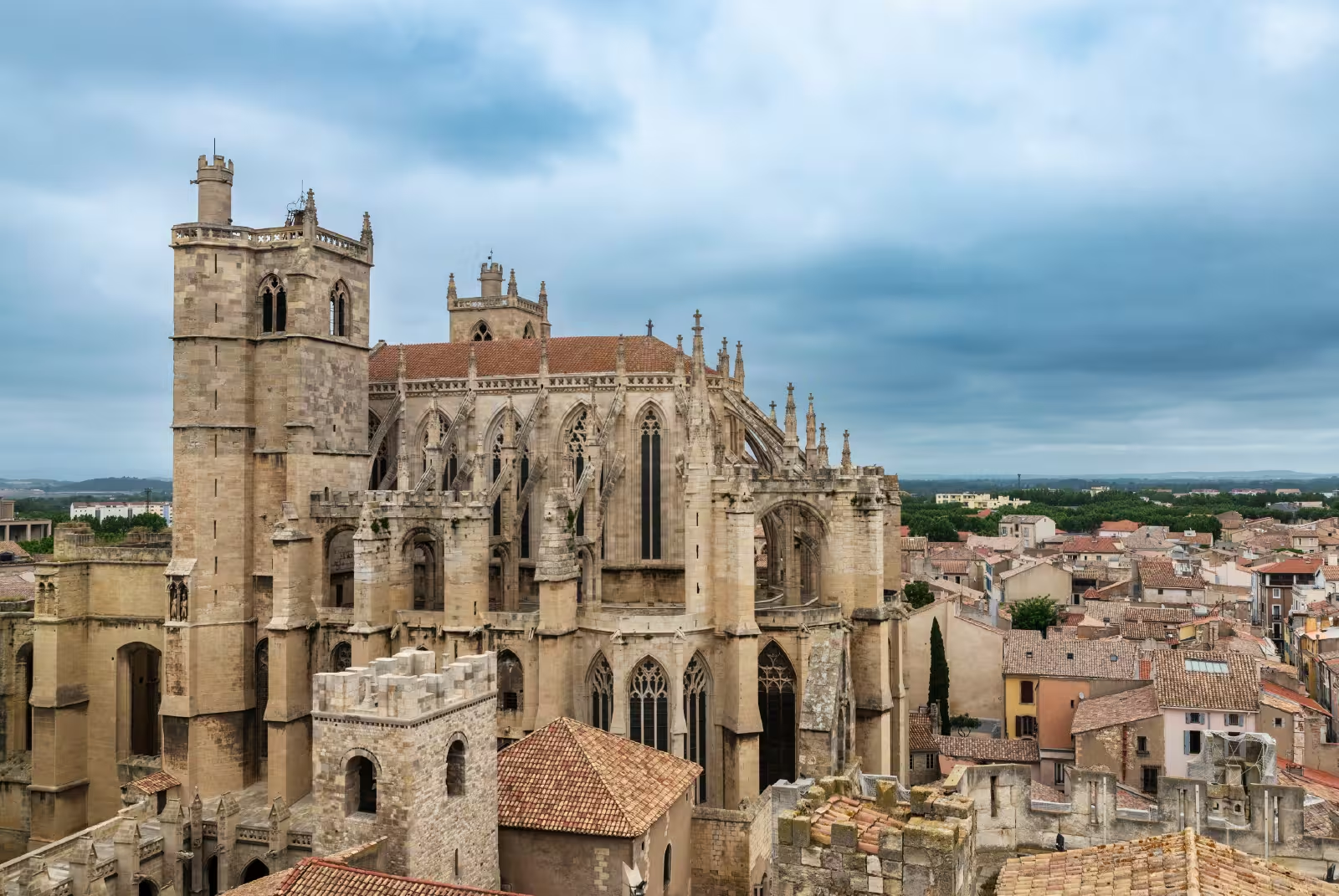
Sacred architecture often anchors southern French cities, offering cooler air, quiet, and a deep sense of continuity. It is also a practical break from midday heat if you are visiting in warmer months. Practical tip, dress respectfully and time your visit for a calmer moment, then step out to a nearby café.
7) Build in a coastal half day
One of the great advantages of Narbonne is how quickly you can shift from city textures to sea air. A short coastal escape resets the trip and adds variety, especially if you are traveling with mixed interests. Practical tip, pack a light layer for wind and keep footwear flexible for sand and promenades.
8) Plan a photography walk at golden hour
Southern light flatters stone streets, bridges, and canal reflections, turning simple scenes into memorable images. It also encourages you to slow down, which is often when you discover your favorite corners. Practical tip, pick two or three viewpoints and let the walk between them be the main event.
Start with a market-focused morning, then take a gentle loop through the historic center to get your bearings and see the city’s most recognizable landmarks. Pause for a relaxed lunch, then spend the afternoon on a canal-side walk and a focused heritage stop that matches your interests, Roman history, architecture, or a small museum. End with a sunset stroll and a simple regional dinner, keeping the evening flexible for a wine bar or dessert stop.
Day one follows the highlights at an unhurried pace, adding time for small shops, local bakeries, and a longer canal walk. Day two is ideal for a coastal break or a vineyard-focused outing, paired with a slower evening back in town. If you have a third day, use Narbonne as a base for a bigger landscape contrast, such as hilltop villages or dramatic countryside, then return for a final market visit to stock up on edible souvenirs.
Seafood platters and grilled fish
Expect fresh, briny flavors with simple preparations that let the ingredients lead. Ordering tip, ask what is local and seasonal, and choose grilled options if you want a lighter meal.
Oysters and shellfish
Coastal proximity often means shellfish features prominently, with a clean, mineral finish. Ordering tip, pair with a crisp local white wine if available, and consider sharing to sample more dishes.
Charcuterie and regional cheeses
A board is a practical way to taste the region in one sitting, mixing salty, creamy, and herbal notes. Ordering tip, ask for a mixed plate, it is often good value and pairs well with a glass of wine.
Olives, tapenade, and Mediterranean small plates
These deliver bold, savory flavors and make an ideal aperitif spread. Ordering tip, look for a small plate format to build a casual meal, especially if you ate a bigger lunch.
Market picnic staples
Bread, tomatoes, fruit, and local spreads taste better outdoors by the canal or in a shaded square. Ordering tip, shop earlier in the day for the best produce and pick up a simple dessert for later.
Local pastries
Southern French pastry culture leans toward buttery, fragrant treats that match coffee breaks. Ordering tip, visit a bakery in the morning for the freshest selection, then return for an afternoon snack if you find a favorite.
Narbonne is well suited to walking, especially in the central areas where sights, dining, and canalside routes sit close together. For longer distances, use local public transport where available, or consider taxis and ride-hailing depending on your timing and group size. If you plan day trips, trains and rental cars can both make sense, choose based on whether you want flexibility for small villages or prefer a no-driving travel day. As with any city, keep an eye on belongings in busy areas, and wear comfortable shoes because cobbled streets and longer walks add up.
1) Mediterranean beaches
Travel time, short to moderate depending on the specific beach. Reason to visit, sea air, swimming, and a change of scenery that pairs well with a relaxed lunch.
2) Vineyards and wine villages
Travel time, moderate. Reason to visit, tastings and cellar doors that connect flavors to landscape and tradition.
3) Canal-side cycling or walking routes
Travel time, short. Reason to visit, an easy outdoor activity that feels immersive without needing a full-day commitment.
4) Cathar country style hill towns
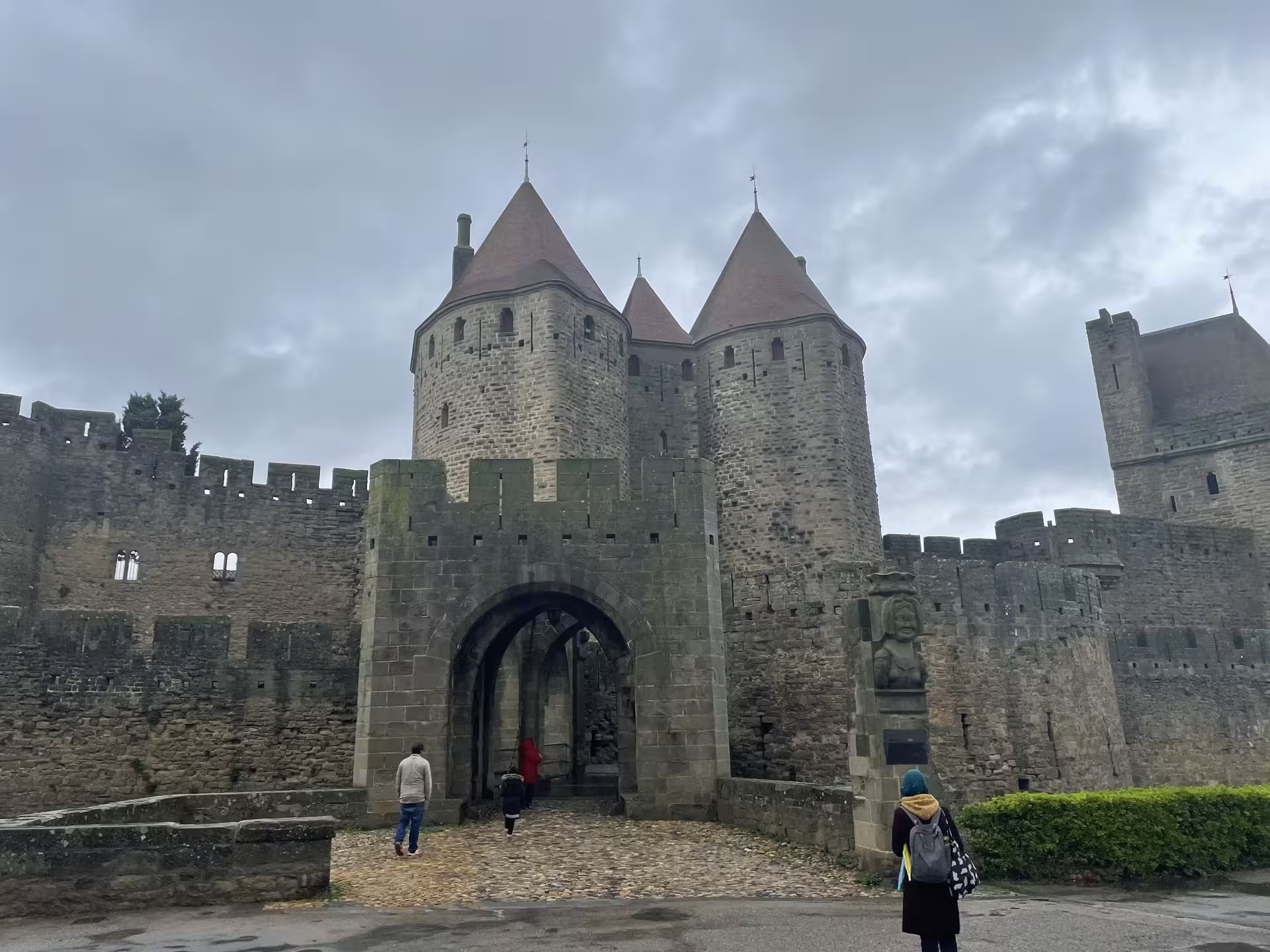
Travel time, moderate to longer depending on which village you choose. Reason to visit, dramatic views, stone architecture, and a deeper dive into southern France’s layered past.
Yes, the central areas are compact and suit a walking-first plan, especially for canalside routes and the historic center. Comfortable shoes help because you may cover more distance than expected.
One day covers key highlights at a brisk pace, while 2 to 3 days lets you add markets, slower neighborhoods, and a coastal or wine-focused outing. If you want multiple day trips, extend your stay for a calmer schedule.
Late spring and early autumn often balance pleasant weather with fewer crowds than peak summer. Winter is quieter and more local feeling, but days are shorter.
Not always, trains and organized options can work well for certain routes, depending on where you want to go. A rental car adds flexibility for small villages and countryside stops.
Mix market picnics with a few sit-down meals, and prioritize free scenic time like canal walks. Booking accommodation earlier can also help, especially in busier months.