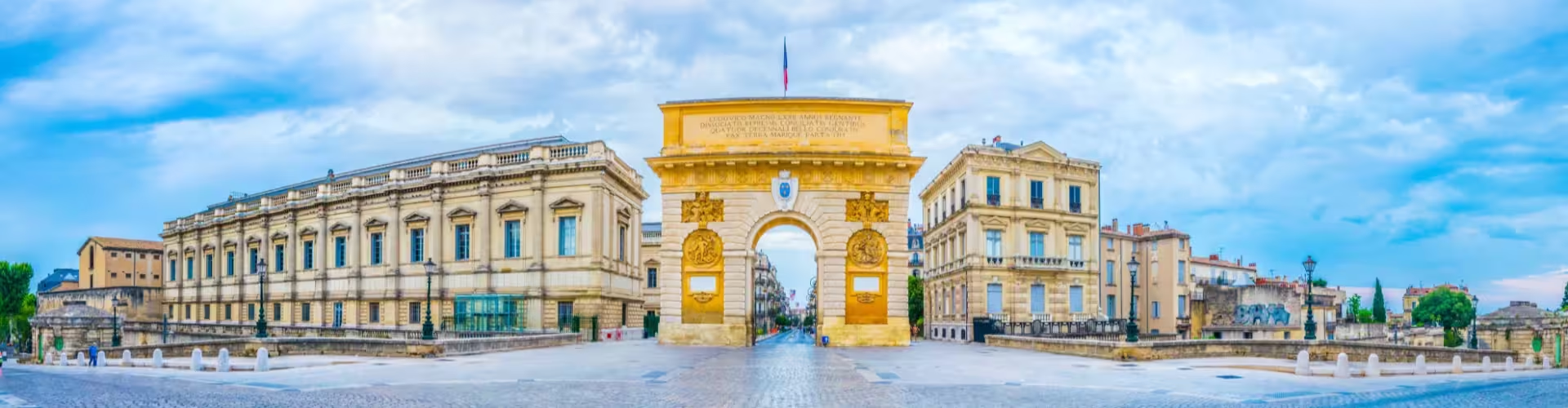
Montpellier is a youthful, design forward city in southern France where medieval lanes, grand 19th century boulevards, and contemporary architecture sit within easy reach of the Mediterranean. It is the kind of place where you can start the day with café culture in a historic square, spend the afternoon in museums and shaded promenades, and end with seaside air without changing your base. This guide helps you plan a smooth, high value trip to Montpellier with practical routing, what to prioritize, and how to shape your days.
Montpellier feels lively and creative, with a student energy that keeps restaurants, galleries, and public spaces buzzing well into the evening. Go for the walkable historic center, the modern districts that showcase contemporary French urbanism, and the effortless access to beaches, lagoons, and stone villages. It is especially appealing if you like a city break that can quickly turn into a nature and coast escape.
Montpellier is in the Herault department in the Occitanie region of southern France, positioned between Provence and the Spanish border. It is a strong base for exploring the Languedoc coast, nearby lagoons, and inland landscapes, while still offering the museums, shopping, and dining you expect from a major city. For gateways, look at flights and rail connections into Montpellier, plus nearby regional hubs that can simplify your route if you are combining multiple stops in Occitanie.
Expect a Mediterranean rhythm, brighter days and a stronger seaside pull as the weather warms. Peak summer brings the most buzz and the highest demand for accommodation, especially if you plan to combine city time with beach time. Shoulder seasons are often the sweet spot for comfortable walking conditions and a calmer pace in the old town, while winter is quieter and better for museum focused days, long lunches, and exploring without the pressure of crowds.
France uses the euro. In Montpellier, cards are widely accepted, but it is still useful to carry some cash for small purchases, markets, and quick snacks. To keep costs predictable, book accommodation early for high demand periods, and plan one or two anchor meals, then fill the rest with bakeries, casual bistros, and market style grazing.
1) Explore the Historic Center, Ecusson
The old town is a dense web of lanes, hidden courtyards, and small squares that rewards slow wandering. It is where you will feel the city’s medieval roots alongside today’s café and boutique culture. Practical tip, go early for quieter photos, then return in the evening when terraces fill and the atmosphere becomes more animated.
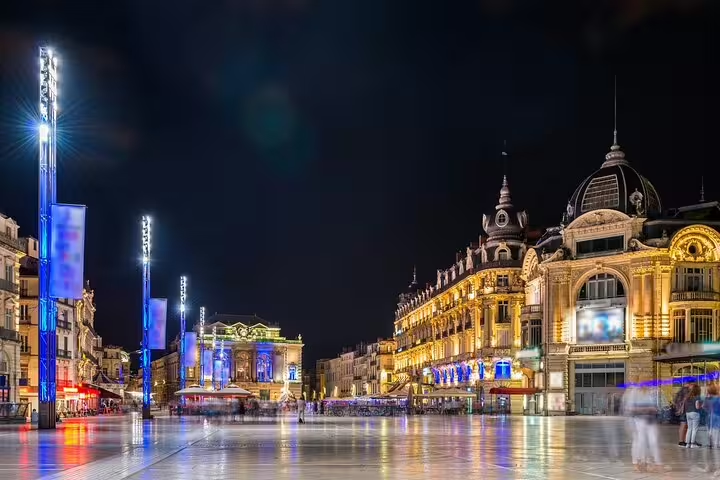
2) Spend time on Place de la Comedie
This is the city’s social stage, a broad square where locals meet, performers appear, and the energy of Montpellier is easy to read in real time. It is a natural navigation point, so it helps you orient yourself between the old town and newer districts. Practical tip, use it as your reset point between activities, it is ideal for a short coffee break and people watching.
3) Walk the Promenade du Peyrou
For a classic grand promenade experience, this is where you go for open views and a sense of scale, especially after the tight lanes of the Ecusson. It adds historical texture to your itinerary and is a good place to slow down. Practical tip, bring water and plan this for the softer light of morning or late afternoon for the most comfortable stroll.
4) Visit Musee Fabre
Musee Fabre is a key cultural stop for art lovers and a strong option if you want to balance outdoor exploring with indoor time. It helps deepen your understanding of the region’s artistic story and gives your trip a more rounded pace. Practical tip, pair it with a nearby café stop so you can process what you saw without rushing to the next sight.
5) Discover the Contemporary District of Antigone
Antigone is a striking contrast to the medieval center, built around bold lines and monumental spaces that show a different side of French city planning. It is a great choice if you enjoy architecture and urban photography. Practical tip, walk through with intention, look for symmetry and long perspectives, then continue toward the riverfront areas for a change of mood.
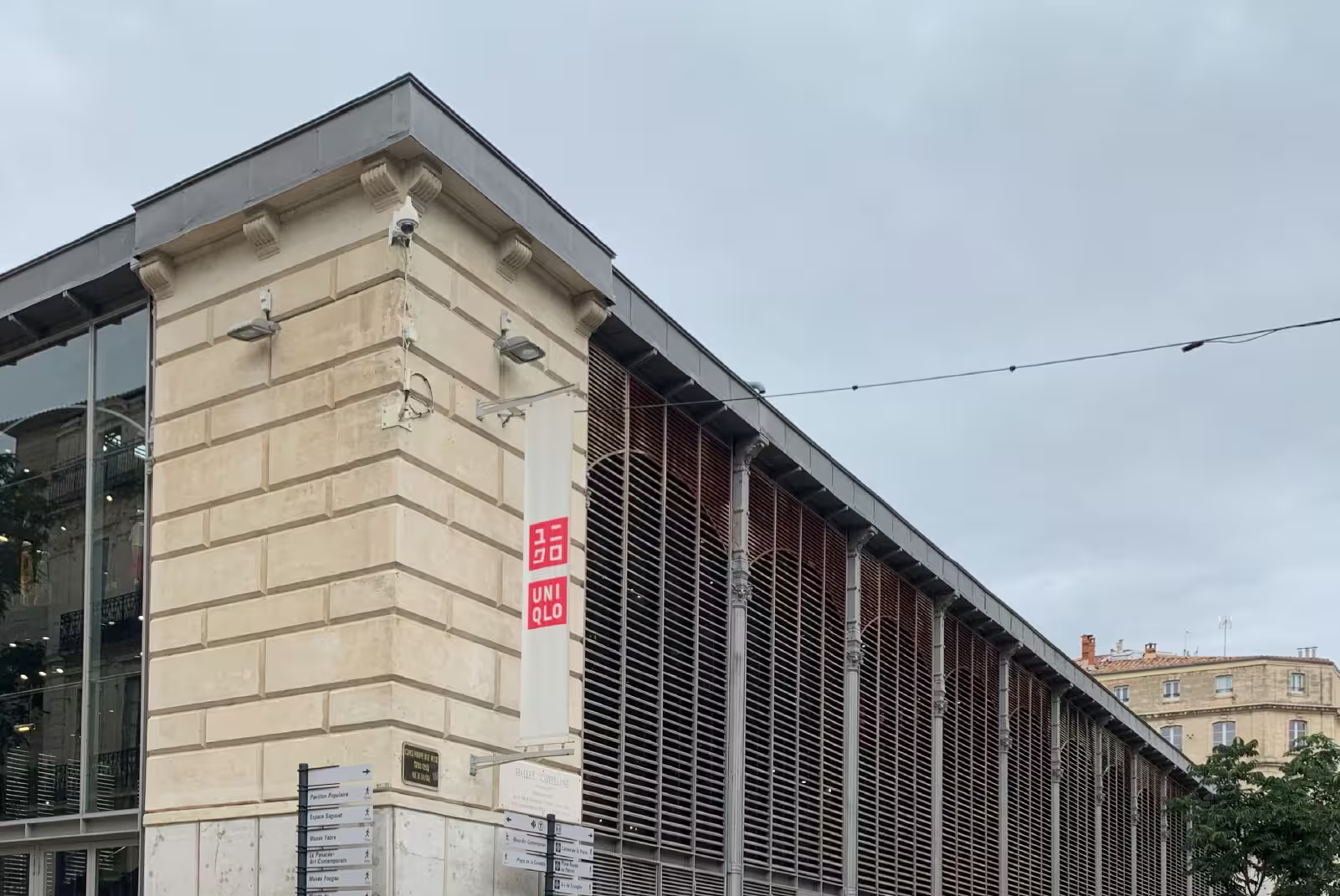
6) Browse Les Halles Castellane or Local Markets
Market culture is one of the easiest ways to taste the region without committing to a long sit down meal. You get a sense of local habits, seasonal produce, and everyday life in Montpellier. Practical tip, go with a plan to build a picnic, choose something savory, something sweet, and a fruit option, then eat in a nearby square.
7) Take a Day to the Mediterranean Beaches
One of the biggest advantages of Montpellier is how quickly city time can become beach time. A beach day adds contrast, salt air, and a slower rhythm that pairs well with a busy sightseeing schedule. Practical tip, pack a light layer for wind and a reusable water bottle, coastal conditions can change quickly.
8) Enjoy a Wine Focused Evening with Languedoc Flavors
The surrounding region is associated with Languedoc wines, and a relaxed tasting style evening fits the local lifestyle. It is also a good way to connect your meals to the landscapes beyond the city. Practical tip, ask for a regional pairing with your dish, and keep the pace slow so you can compare styles across glasses.
Start in the Ecusson with a focused loop through the most atmospheric lanes, then land on Place de la Comedie for a coffee and a quick orientation break. Continue to Musee Fabre for a cultural anchor, then head toward the Promenade du Peyrou for open air views and a slower tempo. Finish with a market style dinner or a bistro meal, then take an evening walk back through the old town when the lighting and energy are at their best.
Day one follows the highlights, but with extra time for boutique browsing, small galleries, and longer terrace breaks. Day two adds Antigone and a deliberate architecture walk, plus a market visit to build a picnic and practice ordering local specialties. Day three is ideal for a coast focused day, or a nearby village and lagoon combination, so you return to Montpellier for a final night meal with regional wine.
Tielle
A savory pie often associated with coastal towns in the region, typically rich and comforting with a seafood leaning profile. Ordering tip, ask if it is served warm or at room temperature, then pair it with something crisp to balance the richness.
Brandade de morue
A creamy salt cod preparation that can be both delicate and deeply savory. It is a good choice when you want something traditional that still feels light enough for a walking day. Ordering tip, look for it as a starter to share, it pairs well with bread and a simple salad.
Huitres
Oysters are a regional staple thanks to nearby lagoons, offering a fresh, briny taste that signals you are close to the sea. They are ideal for an unhurried lunch. Ordering tip, if you are new to oysters, start with a smaller portion and add a squeeze of lemon rather than heavy sauces.
Gardiane style stews and slow cooked dishes
Hearty, slow cooked plates suit cooler months and give you a sense of southern French comfort cooking. Expect deep flavors and sauces that invite bread for dipping. Ordering tip, ask what the house specialty is that day, then plan a lighter dinner if you choose a rich lunch.
Tapenade and olive forward small plates
Olive based spreads and small plates fit the Mediterranean pattern of grazing and sharing. They are great with an apéritif and help you sample multiple tastes in one sitting. Ordering tip, ask for a mixed board so you can compare textures and flavors without over ordering.
Local pastries and bakery stops
Bakeries are a practical tool for budget friendly breakfasts and quick snacks between sights. Sweet options vary, but the experience is consistent, fresh baked goods and strong coffee culture. Ordering tip, go early for the best selection, and keep cash handy for quick service.
Montpellier is well suited to walking, especially in the historic center where narrow lanes and frequent squares make short hops enjoyable. For longer distances, use public transport to connect neighborhoods and reduce backtracking, then return to walking once you reach your target area. If you use ride services or taxis, treat them as a time saver for specific hops rather than your default, and always double check pickup points in pedestrian heavy zones.
For safety and comfort, wear shoes that handle cobblestones and long days, and keep an eye on belongings in busy squares and transport. If accessibility is a priority, plan routes that favor wider boulevards and modern districts, and build in rest stops at cafés so the day stays comfortable.
Sete
A coastal town known for its maritime character and food culture, a strong choice when you want a sea breeze and a change of scenery. Travel time varies by route, but it is commonly treated as an easy day out from Montpellier. Primary reason to visit, port atmosphere and regional seafood.
Palavas les Flots
A straightforward beach escape for a simple seaside day without overplanning. It suits travelers who want sand, sun, and a relaxed promenade vibe. Primary reason to visit, quick access to the Mediterranean.
Aigues Mortes
A walled town that delivers a dramatic medieval silhouette and a strong sense of place. It is ideal if you want history you can feel in the street plan and ramparts. Primary reason to visit, fortified heritage and memorable walking routes.
Saint Guilhem le Desert
A stone village experience with a slower rhythm and a scenic setting that contrasts nicely with the city. It is a good pick for travelers who want a classic southern France day with photogenic streets. Primary reason to visit, village charm and landscape.
Etang de Thau
A lagoon area associated with shellfish culture and waterside scenery. It works well as a food plus nature combination day. Primary reason to visit, oysters and lagoon views.
One day covers the essentials if you focus on the historic center, a key square, and one major museum. Two to three days lets you add architecture walks, markets, and a relaxed evening pace.
Yes, the historic center is very walkable and best explored on foot. For longer distances between districts, combine walking with public transport to save time and energy.
Summer brings the most buzz and makes it easy to pair the city with beach time, but it can feel busier. Shoulder seasons are often more comfortable for long walking days and a calmer old town experience.
Cards are widely accepted, but carrying some cash helps for markets and small purchases. Plan a mix so you are not caught out in quick service situations.
Coastal options like Sete and Palavas les Flots are popular for a simple sea day. For history and village atmosphere, consider Aigues Mortes or Saint Guilhem le Desert depending on the vibe you want.