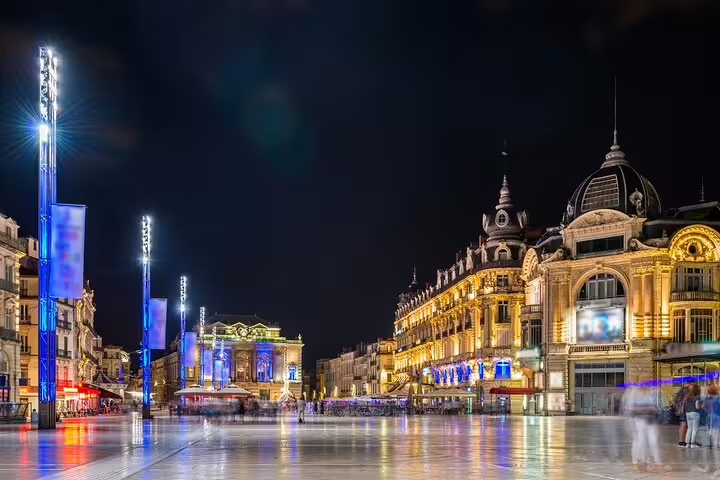
Herault is a Mediterranean minded department in southern France where beach days, vineyard landscapes, and stone built villages sit within easy reach of a lively regional capital. The appeal is the variety, you can shift from coastal lagoons to river gorges and historic streets in a single trip. Use this guide to plan a practical, experience led route through Herault, with clear logistics, what to do, and how to make the most of your time.
Herault feels sunlit and sociable, with a strong food and wine culture and a pace that invites long lunches and late evening strolls. It is a destination for travelers who want both nature and city energy, plus easy day trips across Occitanie. Go now if you want a flexible trip that can be dialed up for beaches and festivals, or dialed down for countryside calm and scenic drives.
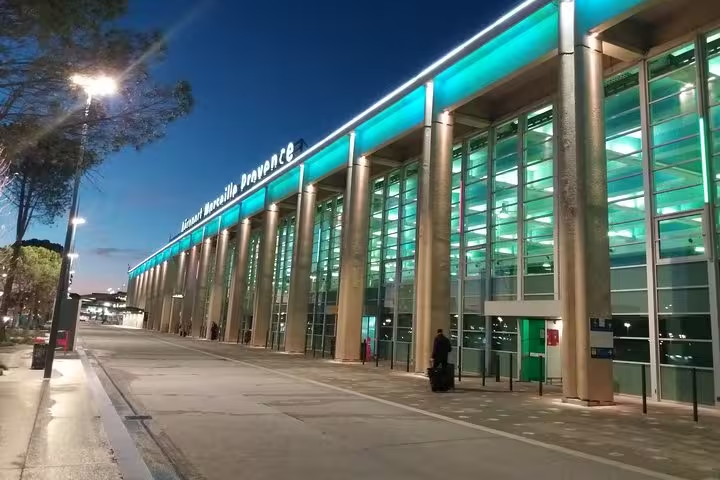
Herault sits in the Occitanie region of southern France, with a Mediterranean coastline and an inland landscape of vineyards, rivers, and limestone plateaus. The main gateway hub is Montpellier, which functions as the department’s largest city and a practical base for day trips. For broader connections, travelers often route through major southern France transport corridors that link the coast with inland towns and neighboring departments.
Expect a classic Mediterranean rhythm, warmer months bring beach weather and a busier coastal atmosphere, while spring and autumn balance comfortable temperatures with fewer crowds. Summer is best for seaside time and long evenings outdoors, but it can feel more intense in popular areas. Cooler months suit city breaks, food focused weekends, and countryside drives where the landscape and local life feel more intimate.
France uses the euro, and card payments are widely accepted in cities and many towns, while having some cash can help for smaller markets and quick purchases. Budget levels vary by location, coastal hotspots and peak season typically cost more than inland villages and shoulder season travel. For better value, prioritize set menus at lunch, book transport early where possible, and consider staying slightly outside the most central areas if you plan to explore widely.
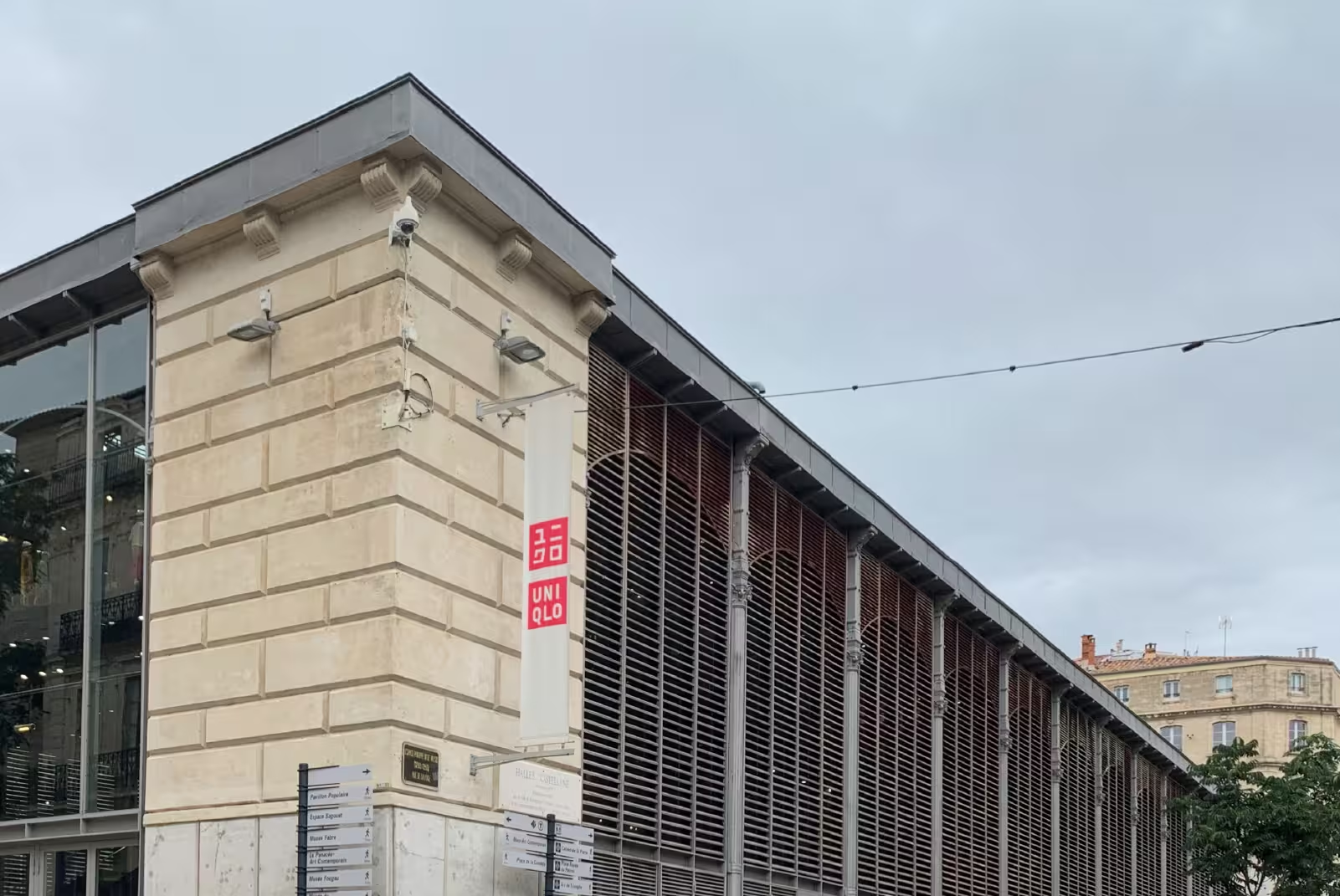
Explore Montpellier’s historic center
Why it matters, Montpellier offers a concentrated mix of medieval lanes, elegant squares, and a youthful energy shaped by its universities. It is an ideal place to start because it anchors your sense of the region’s culture and pace. Practical tip, begin early to enjoy quieter streets, then return in the evening when terraces and public spaces come alive.
Plan a beach and lagoon day on the Mediterranean coast
Why it matters, the coastline is central to the identity of Herault, with sea air, wide skies, and a holiday mood that is easy to lean into. Coastal areas are also a straightforward option if you want a low planning day between more active excursions. Practical tip, bring sun protection and water, and aim for morning or late afternoon for a calmer feel and softer light.
Taste local wines in vineyard country
Why it matters, viticulture shapes the landscapes and the table culture across Herault, and tastings help you understand local traditions beyond the postcard view. Even a short visit can add depth to your trip, especially if you pair it with a market stop or countryside lunch. Practical tip, if you are driving, plan a designated driver and keep tastings earlier in the day to leave time for scenic stops.
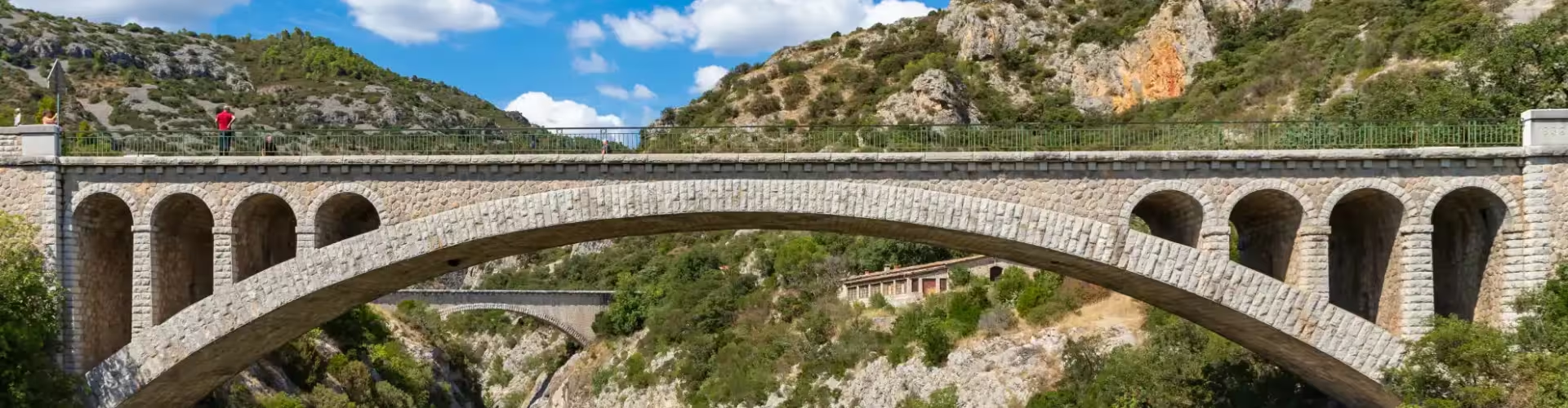
Walk a riverside trail or gorge viewpoint inland
Why it matters, inland Herault shifts into dramatic limestone terrain and river valleys that contrast strongly with the coast. This is where the destination feels outdoorsy and expansive, with viewpoints and swimming friendly spots depending on the season. Practical tip, wear shoes with grip, and pack a light layer, shaded areas can feel cooler even on warm days.
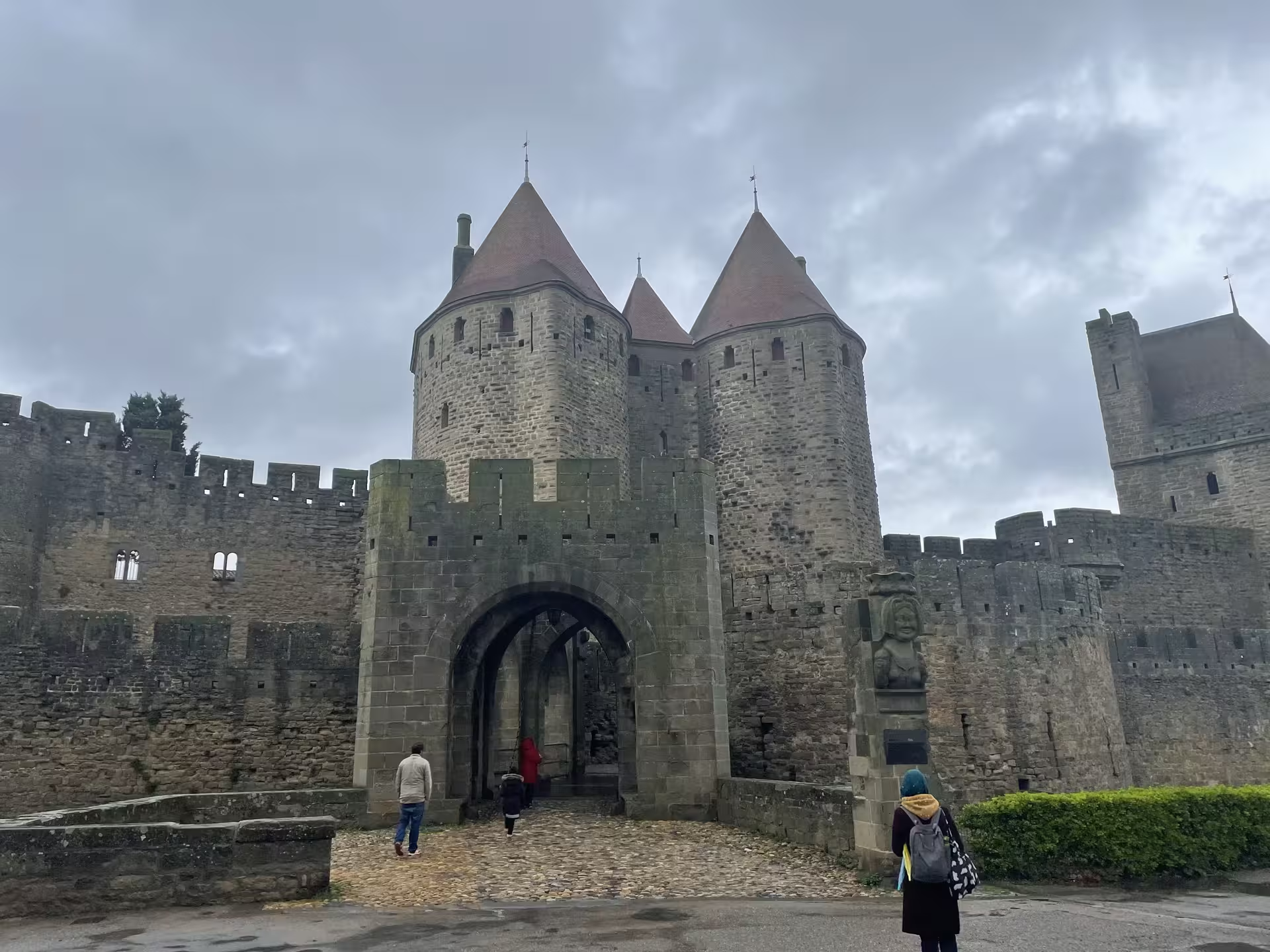
Visit a stone village for heritage and slow travel
Why it matters, villages in Herault often preserve a sense of older Occitan life through architecture, local crafts, and small scale cafés. They reward travelers who enjoy wandering without a checklist, focusing on atmosphere and detail. Practical tip, arrive around lunch time, then stay into the afternoon when day trippers thin out and the streets feel calmer.
Shop a market for regional produce
Why it matters, markets are a direct window into daily life, seasonal produce, and local specialties, and they help you build a picnic or casual meal with minimal effort. They also offer a budget friendly way to sample flavors without committing to a full restaurant plan. Practical tip, bring a reusable bag, carry small change, and go early for the best selection.
Prioritize a sunset viewpoint or evening stroll
Why it matters, the Mediterranean light is part of the experience, and evenings are when the social side of the region becomes most visible. A simple walk can become a highlight if you time it for golden hour and follow it with a relaxed dinner. Practical tip, check your route in daylight first if you are heading to a viewpoint, then return later with a clear plan.
Build a flexible day around culture and cafés
Why it matters, not every day needs to be packed, and Herault rewards a slower tempo, especially in city areas where people watching is part of the pleasure. This approach also buffers you against weather changes and travel delays. Practical tip, keep one afternoon open, choose a neighborhood to explore on foot, and let your stops be guided by what looks lively.
Base yourself in Montpellier for an efficient first day. Spend the morning on foot in the historic center, focusing on the feel of the streets, public squares, and café culture. After lunch, head toward the coast for a beach or lagoon break, then return for an evening stroll and a relaxed dinner. Keep transit simple by choosing one coastal area rather than trying to cover multiple stops.
Day one, focus on Montpellier, add time for a market visit and a slower neighborhood walk so the city feels lived in rather than rushed. Day two, go inland for a river valley or gorge style landscape, then end with a village stop for a late afternoon wander. Day three, dedicate your time to vineyard country and the coast, using tastings and scenic drives to connect the dots between landscapes. This structure balances urban energy, nature, and food culture without overpacking any single day.
Seafood from the Mediterranean coast
Taste profile, briny, fresh, and often simply prepared to let the ingredients lead. Ordering tip, ask what is local and seasonal, and choose grilled options if you want a lighter meal.
Oysters and shellfish from lagoon areas
Taste profile, clean, mineral, and best enjoyed with minimal extras. Ordering tip, if you see a local sourcing note, prioritize it, and pair with a crisp regional white wine if you drink alcohol.
Languedoc style wines
Taste profile, a broad range from bright whites and rosés to structured reds, often shaped by sun and varied soils. Ordering tip, ask for a wine from nearby vineyards, and consider a glass tasting flight to compare styles.
Market cheeses and charcuterie
Taste profile, savory and rich, ideal for picnics and casual dinners. Ordering tip, ask for a small mixed selection, and request advice on what travels well if you are taking it on a day trip.
Olive based spreads and tapenade style bites
Taste profile, salty, herbal, and perfect with bread or vegetables. Ordering tip, look for locally made jars at markets, and taste before buying when samples are offered.
Seasonal fruit and pastries
Taste profile, sun ripened fruit and buttery bakery staples that suit breakfast or an afternoon break. Ordering tip, go earlier in the day for the best bakery selection, and choose fruit that is in peak season for the strongest flavor.
In city areas like Montpellier, walking is often the easiest way to experience the historic center, especially where streets are compact and best enjoyed at a slow pace. For coastal zones, villages, and inland nature areas, a car can make your itinerary more flexible, particularly if you want to combine multiple stops in one day. Public transport can work well for straightforward links between major hubs, but rural connections may be less frequent, so plan around fixed departure times. For safety and accessibility, use comfortable footwear for uneven stone streets, carry water in warm months, and build extra time if you are traveling with limited mobility or a stroller.
Coastal beach towns and lagoons
Travel time, often within about an hour from Montpellier depending on the exact spot. Reason to visit, an easy Mediterranean reset with sea views and a relaxed pace.
Inland river valleys and gorge landscapes
Travel time, commonly around one to two hours by road depending on your route. Reason to visit, scenic viewpoints, walking routes, and a cooler feeling away from the coast.
Vineyard villages and countryside roads
Travel time, variable, often under two hours for a focused loop. Reason to visit, tastings, local producers, and a strong sense of place shaped by agriculture.
Occitan heritage towns nearby
Travel time, typically one to two hours depending on the town. Reason to visit, architecture, local history, and a change of rhythm from the coast and city.
What is the best base for exploring the area?
Montpellier is a practical base because it is a major hub and works well for day trips to both the coast and inland areas. It also suits travelers who want evenings with dining and a lively atmosphere.
How many days do I need for Herault?
Two to three days covers a balanced mix of city time, a coastal day, and one inland nature or village outing in Herault. If you want a slower pace with more food and wine stops, add an extra day.
Do I need a car to get around?
You can enjoy city areas on foot and connect major hubs with public transport, but a car adds flexibility for villages, vineyards, and inland landscapes. If you prefer not to drive, build your plan around fewer, more direct day trips.
When is it less crowded?
Spring and autumn usually feel calmer than peak summer, while still offering comfortable conditions for walking and day trips. Winter can be quiet and good for a city focused break and food experiences.
What should I pack for a trip to Herault?
Bring comfortable walking shoes for stone streets and trails, plus sun protection for brighter months. A light layer helps for evenings and breezier coastal moments.