Nimes
A practical Nimes travel guide with top Roman sights, walkable itineraries, local flavors, transport tips, and easy day trips like Pont du Gard, plus traveler FAQs.

A practical Nimes travel guide with top Roman sights, walkable itineraries, local flavors, transport tips, and easy day trips like Pont du Gard, plus traveler FAQs.

Nimes is a southern French city where Roman stonework, café culture, and a relaxed Occitan rhythm sit side by side. This guide focuses on practical decision making, what to prioritize, how to plan your time, and how to connect the city center with easy excursions. Expect sunlit squares, market energy, and a walkable core that rewards slow exploration as much as headline sights.
Nimes feels like a living museum with a modern pulse, Roman monuments anchor the skyline, and everyday life flows around them. The signature vibe is Provençal-meets-Occitan, with terraces, local food, and a strong sense of place. Go now if you want an atmospheric alternative to bigger southern hubs, with culture, cuisine, and day trips that do not require long travel days.
Nimes sits in the Gard department in the Occitanie region of southern France, positioned between the Mediterranean coastline and the Cévennes landscapes. It works well as a base for exploring nearby historic towns and natural areas, especially if you prefer short, manageable outings. For gateways, look to regional transport hubs in the wider south of France, then connect onward by rail or road depending on your itinerary style.
Expect a classic southern France pattern, warmer months bring longer days, more outdoor dining, and higher visitor numbers around major landmarks. Shoulder seasons are often the sweet spot for comfortable walking temperatures and a less crowded feel in the historic center. In winter, the pace tends to be calmer, which can suit travelers who prioritize museums, food, and a more local atmosphere over late-night terrace culture.
France uses the euro, and cards are widely accepted, especially in central areas, hotels, and sit-down restaurants. Keep some cash for markets, small bakeries, and quick purchases where contactless limits or minimum spends may apply. To manage costs, prioritize a few paid highlights, then balance your days with free pleasures like plazas, viewpoints, and self-guided walks through historic streets.
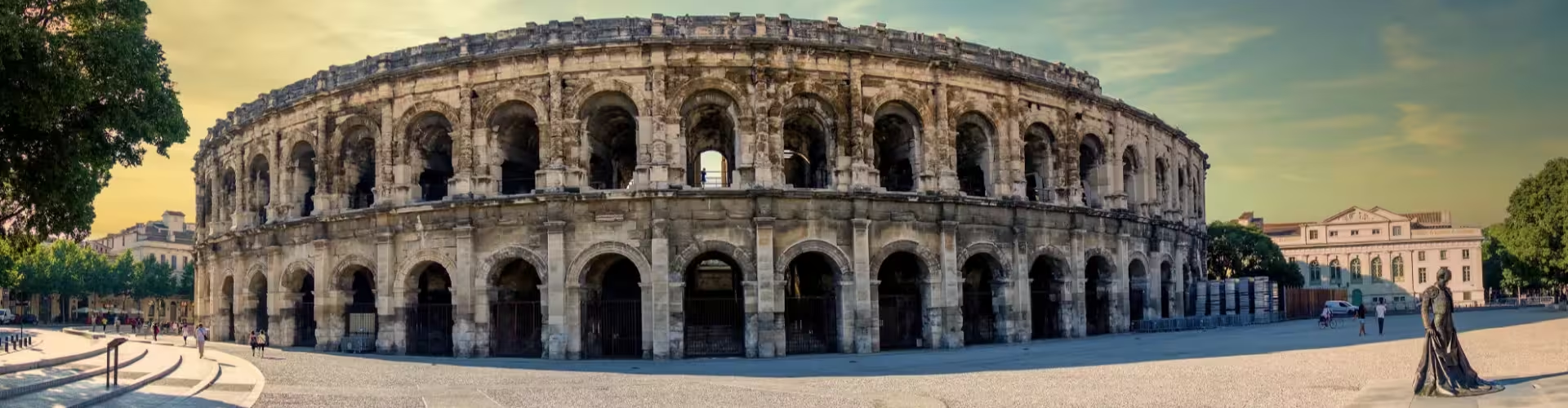
Roman Arena Experience
The arena is one of the city’s defining symbols, and it frames why Nimes is often associated with Roman heritage in France. Seeing it in person helps you understand the scale and ambition of ancient urban life. Practical tip, go earlier in the day for a calmer atmosphere and clearer photos before the busiest hours.
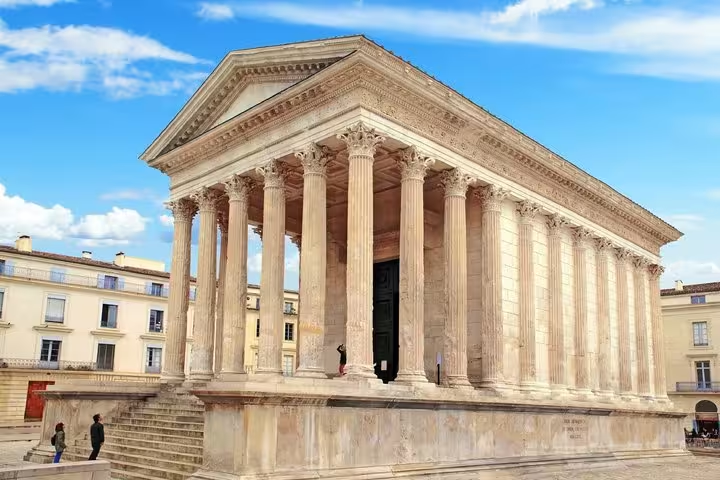
Maison Carrée Style Stop
This elegant Roman temple form is a masterclass in proportion and urban presence. Even from the outside, it adds context to how ancient monuments were integrated into daily civic life. Practical tip, pair it with a café break nearby, then return later for a different light angle on the façade.
Jardins de la Fontaine Walk
These gardens offer a softer side of the city, where landscaped paths and water features create a slow, scenic counterpoint to stone monuments. It is ideal for resetting your pace between museum or architecture stops. Practical tip, bring water and take your time, this is a place to wander rather than rush.
Historic Center Stroll
The old streets and squares are where the city’s everyday energy is most visible, terraces, small shops, and local rhythms. It is also the easiest way to build your own mental map of Nimes without overplanning. Practical tip, choose one anchor landmark, then loop back through side streets to avoid repeating the same main corridors.
Market Morning, Local Produce Focus
Markets are one of the best ways to taste the region without committing to a full restaurant schedule. Even browsing teaches you what the local table looks like, olives, cheeses, seasonal fruit, and prepared bites. Practical tip, arrive earlier for the best selection, and carry a reusable bag for small purchases.
Museum Time for Context
Museums help translate what you see outdoors into a deeper story, from Roman layers to later regional identity. This is especially useful if you want more than photo stops and prefer narrative travel. Practical tip, plan museums for the warmest part of the day in summer, then return to outdoor sights later.
Golden Hour Photo Loop
Southern light can be dramatic, and the city’s pale stone and open squares respond beautifully to late-day sun. A short loop timed for golden hour can give you memorable images with minimal effort. Practical tip, pick two or three spots only, then slow down and wait for the light to shift.
Local Café Culture Session
A café stop is not filler here, it is part of how the city is experienced, watching daily life, hearing French spoken around you, and easing into the local tempo. It also helps you pace a busy sightseeing day. Practical tip, order a drink and a small bite, then take a longer pause than you normally would.
Start with the major Roman monuments while your energy is high, then transition into the historic center for a relaxed lunch rhythm. Spend early afternoon in a museum or shaded gardens to avoid peak heat in warmer months. Finish with a golden hour loop, then settle into a terrace dinner that lets you absorb the atmosphere of Nimes without rushing.
Day one mirrors the highlights, but with more time for gardens, museums, and unplanned detours through the old town. Day two can focus on food and local life, market browsing, a longer café session, and a slow architectural walk that connects Roman landmarks with later city layers. Add a third day for a nearby excursion, keeping the return flexible so you can enjoy an evening back in the city center.
Brandade de morue
Creamy, savory salt cod with a smooth texture that feels both rustic and refined. Ordering tip, ask how it is served, it may come with bread or potatoes, which can make it a filling meal.
Gardiane de taureau
A slow-cooked bull stew associated with the wider Camargue area, rich and deeply savory. Ordering tip, look for it as a house specialty, it is often best in traditional restaurants that lean into regional cooking.
Tapenade
Olive-forward, salty, and intensely Mediterranean, perfect as a starter with bread. Ordering tip, share it, it pairs well with other small plates if you want to sample more flavors.
Pissaladière
A savory tart style with onions and anchovy notes, satisfying without being heavy. Ordering tip, it works well as a quick lunch when you want something local that does not slow down your afternoon plans.
Local goat cheese
Often tangy and aromatic, with texture that can range from fresh to aged. Ordering tip, ask for a small selection, it is an easy way to compare styles and find your favorite.
Rosé from the south
Dry, refreshing, and made for warm evenings and terrace dining. Ordering tip, ask for a glass from a nearby appellation, it is a simple way to keep the experience regional.
The center is well suited to walking, especially if you plan your day in clusters, Roman sights, gardens, and the historic core can often be linked on foot. For longer hops or if you are staying outside the center, use local public transport or taxis, and consider ride-hailing where available. Wear comfortable shoes for uneven stone streets, and in hot months, plan shade breaks and carry water so your day stays enjoyable and safe.
Pont du Gard
A famous Roman aqueduct setting that connects naturally with the city’s ancient story. Travel time varies by route and transport, so plan your logistics in advance. Primary reason to visit, a striking piece of Roman engineering in a scenic landscape.
Avignon
A historic city known for its cultural weight and walkable center. Travel time depends on your connection, so check rail and road options before committing. Primary reason to visit, a concentrated dose of heritage and a strong sense of place.
Arles
A compact city with Roman connections and a distinctive Provençal atmosphere. Travel time varies, but it is commonly paired with Nimes on a southern France itinerary. Primary reason to visit, layered history and an easy day of wandering.
Camargue area
A wider natural region associated with wetlands, open horizons, and local traditions. Travel time depends on where you base your visit and what you prioritize. Primary reason to visit, a change of scenery from stone monuments to expansive nature.
One day covers the highlights at a brisk pace if you focus on the biggest Roman landmarks and a short old town walk. Two to three days lets you add museums, gardens, and a slower food-focused rhythm.
Yes, the central areas are very walkable, and most key sights can be linked on foot. For day trips or stays outside the center, plan to use regional transport, taxis, or ride-hailing where available.
Late afternoon and early evening are ideal because the warm light flatters pale stone and open squares. In summer, this timing also avoids the harshest midday sun.
Start with brandade de morue for a classic regional flavor, then try tapenade as a simple shared starter. If you want a heartier meal, look for slow-cooked regional stews linked to the wider area.
Yes, it is a strong base for short excursions, especially if you plan one day trip and keep the rest of your time in the city. Check travel times and connections in advance so your schedule stays relaxed.