Gard
Plan a smart trip to <strong>Gard</strong> with logistics, top experiences, 1 to 3 day itineraries, local flavors, transport tips, and easy day trips, built for culture lovers and outdoor minded travelers.

Plan a smart trip to <strong>Gard</strong> with logistics, top experiences, 1 to 3 day itineraries, local flavors, transport tips, and easy day trips, built for culture lovers and outdoor minded travelers.

Gard is one of those places where Roman engineering, medieval stone villages, and slow Mediterranean rhythms coexist in a way that feels effortless. Think sun warmed vineyards, river gorges, bustling market towns, and a cultural map that stretches from the Camargue edge to the Cévennes foothills. This guide focuses on practical choices, what to prioritize, how to pace your days, and how to experience Gard with confidence.
Gard delivers a signature mix of ancient heritage and outdoor escape, with big name landmarks balanced by low key villages and food first afternoons. Go now if you want a destination that can feel both cultural and outdoorsy in the same day, especially if you enjoy road trip style exploring. The vibe is relaxed and local, with long lunches, golden light on stone, and easy detours that often become the highlight.
Gard is a department in southern France within the Occitanie region, positioned between Mediterranean influenced plains and the first rises of the Cévennes. It is often paired with nearby Provence on multi stop itineraries, but it has its own identity rooted in Roman history, river landscapes, and market town life. Common gateways include Nîmes and Avignon, with rail connections that make it easy to combine cities and countryside.
Spring and early summer bring longer days and comfortable conditions for walking old towns, visiting archaeological sites, and spending time by rivers. Peak summer typically means higher temperatures and bigger crowds around headline sights, so earlier starts and shaded breaks matter more. Autumn is a strong choice for a calmer pace, warm light for photography, and a food focused trip that leans into markets and local produce.
France uses the euro, and cards are widely accepted, especially in towns and at major attractions. Cash is still useful for smaller market purchases, village bakeries, and quick coffees, so keep some on hand for convenience. Costs vary by season and location, with the best value often found by staying in a smaller base town and day tripping to key sites.
Note: The best experiences in Gard often come from combining one major landmark with one slower local moment each day. Use this list as a menu, then build your days around distance and daylight.
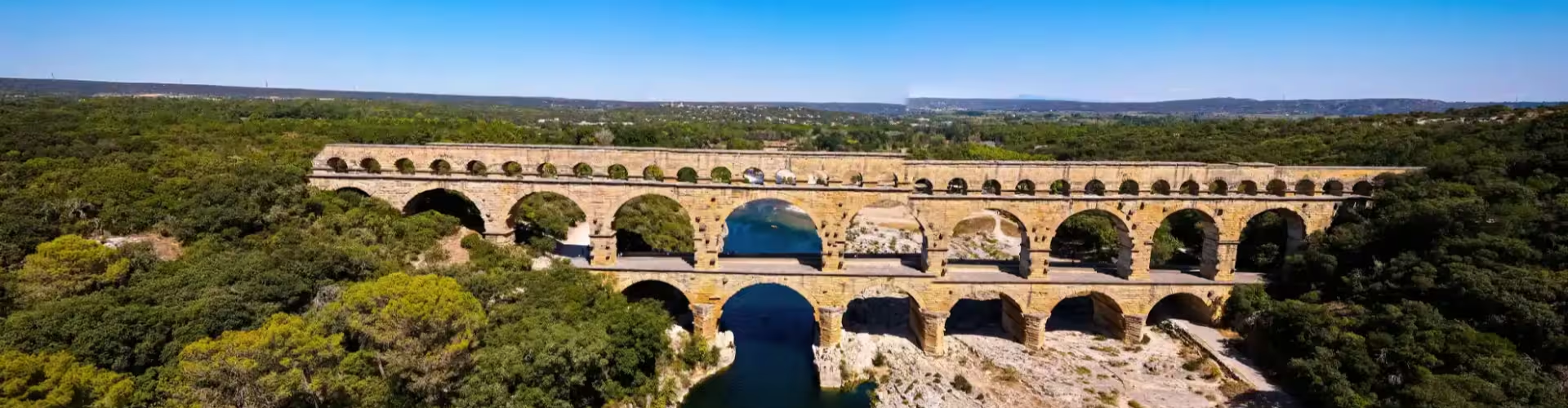
Pont du Gard
This Roman aqueduct is a defining symbol of the region and a powerful reminder of how infrastructure shaped the ancient world. Seeing it in person makes the scale and precision feel real, especially when you take time to view it from different angles. Practical tip, arrive earlier in the day for softer light and a calmer atmosphere, then linger for a second look later when the light turns warmer.
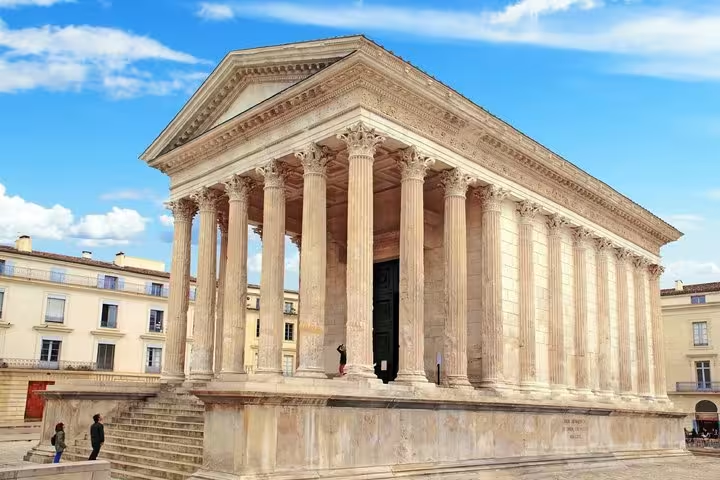
Nîmes Roman Heritage
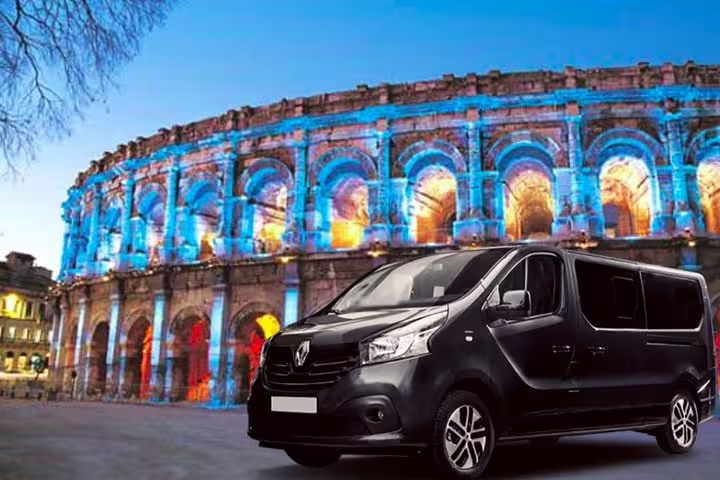
Nîmes is one of the key anchors for understanding the Roman footprint in southern France, with a city layout that makes history feel integrated into daily life. It is ideal if you like pairing monuments with cafés, shopping streets, and a sense of living culture. Practical tip, plan a walking loop that keeps you in the historic center so you can take breaks without losing momentum.
Uzès and its Market Town Rhythm
Uzès is known for its elegant streets and a refined, small city feel that still stays relaxed. It is a great place to slow down, browse artisan shops, and build a meal around market finds. Practical tip, aim for a morning visit so you can enjoy the town before lunch, then use the afternoon for a nearby landmark or a scenic drive.
Anduze and the Cévennes Gateway
Anduze sits at the edge of the Cévennes influence, where landscapes start to feel greener and more rugged. It is a good base for travelers who want a mix of village charm and easy access to nature. Practical tip, keep your schedule flexible here, weather and river levels can influence which outdoor plans feel best on the day.
Camargue Edge Experiences
The southern part of the department leans toward Camargue style landscapes, with open horizons and a distinctive sense of space. It is a strong contrast to the stone villages and makes the trip feel more varied. Practical tip, bring sun protection and water, the openness can feel hotter and brighter than you expect.
River Time in the Gorges
Rivers and gorges are a big part of the outdoor identity of Gard, especially in warmer months when water becomes the natural reset button. Even without a fully planned activity, simply spending time near the water adds balance to a history heavy itinerary. Practical tip, pack water shoes or sturdy sandals if you plan to step onto rocky banks.
Village Hopping on Scenic Roads
Some of the most memorable moments come from short drives between hilltop villages, viewpoints, and roadside farms. This is where you feel the textures of the region, stone, vines, cypress, and the slow transition between landscapes. Practical tip, start with one or two target villages, then leave room for unplanned stops.
Wine and Olive Oil Culture
Food culture in Gard is shaped by Mediterranean staples and inland traditions. Tasting local wine or olive oil helps you understand the landscape through flavor, and it pairs naturally with market visits. Practical tip, if you are driving, schedule tastings earlier and keep them light, then plan a longer lunch afterward.
Start with a Roman focused morning, ideally in Nîmes, so you can see the city while it is still calm and temperatures are lower. Midday, shift to a slower lunch rhythm, then head to Pont du Gard for an afternoon that mixes engineering history with scenic walking. Finish with a golden hour viewpoint or a quiet village dinner, keeping the evening simple so the day feels complete rather than rushed.
Day one, anchor in Nîmes for Roman heritage and an easy on foot day that builds context for everything else. Day two, pair Uzès with Pont du Gard, using the morning for town atmosphere and the afternoon for the landmark, then add a scenic drive to stretch the day. Day three, head toward Anduze and the Cévennes gateway for a nature leaning finale, with river time or a gentle hike depending on conditions and energy.
Brandade de morue
A creamy salted cod preparation with a rich, comforting profile that feels both rustic and refined. Ordering tip, ask if it is served with bread or potatoes, it changes how filling the dish is.
Gardianne de taureau
A slow cooked bull stew associated with Camargue traditions, deep in flavor and ideal when you want something hearty. Ordering tip, look for it as a daily special, it is often best when made in small batches.
Pélardon
A small goat cheese linked to the Cévennes area, ranging from mild and creamy to more assertive as it ages. Ordering tip, try it with local honey or fruit if offered, it highlights the cheese without overpowering it.
Fougasse
A classic southern French bread that can be plain or flavored, perfect for picnics and market grazing. Ordering tip, buy it earlier in the day for the best texture.
Tapenade and olives
Salty, savory, and intensely Mediterranean, often served as an aperitif bite before dinner. Ordering tip, if you like stronger flavors, ask for a black olive version, it is usually deeper and more robust.
Local wines
The department sits within a broader southern French wine culture, and tastings can range from casual to more structured. Ordering tip, if you are unsure, ask for a glass recommendation that pairs with your main dish, it is a low commitment way to explore.
For many travelers, the easiest way to explore Gard is by combining a walkable base town with day trips by car or regional transport. Cities like Nîmes are comfortable on foot in the historic center, while sites like Pont du Gard and smaller villages are simpler with a vehicle because detours and viewpoints are part of the experience. If you drive, plan conservative travel times, rural roads can be slower than expected, and parking can be limited near major sights at peak times.
For accessibility, prioritize towns and sites where you can pace yourself with café breaks and shorter walking loops. Old stone streets can be uneven, so supportive footwear helps, especially if you plan to combine villages and monuments in one day. Standard travel awareness applies, keep valuables secure in busy areas and do not leave items visible in parked cars.
Avignon
Rough travel time, about 45 to 60 minutes from parts of eastern Gard. Primary reason, a major historic city with a strong cultural atmosphere that pairs well with a heritage focused trip.
Arles
Rough travel time, about 45 to 75 minutes depending on your base. Primary reason, Roman era connections and a distinctive Provençal vibe, plus an easy link to Camargue landscapes.
Montpellier
Rough travel time, about 45 to 75 minutes from southern areas. Primary reason, a lively city day that adds contemporary energy, shopping, and dining variety.
Cévennes area drives
Rough travel time, variable, often 45 minutes to reach the foothills from central bases. Primary reason, greener scenery, cooler air in warm months, and a more rugged southern France feel.
What is the best way to get around Gard without rushing?
Choose one base, then plan day trips in a simple loop so you are not constantly backtracking. Mix a major landmark with a slower market town stop to keep the pace balanced.
How many days do you need to see the highlights?
One day can cover a Roman themed city stop plus Pont du Gard if you keep the route tight. Two to three days lets you add Uzès, a river or gorge moment, and a Cévennes gateway town.
Is Gard better in summer or shoulder season?
Gard works well in spring and autumn for comfortable walking and fewer crowds. Summer is popular for river time and long evenings, but you will want earlier starts and midday shade breaks.
Do you need cash in small towns?
Cards are widely accepted, especially in towns and at major attractions. Cash is still handy for markets, bakeries, and quick small purchases.
What should you prioritize if it is your first visit to Gard?
Prioritize Pont du Gard for an iconic landmark, then add a Roman heritage stop in Nîmes for context. Round it out with a market town like Uzès to experience the slower local rhythm.