




Wine Tastings in Bordeaux
Bordeaux, France
10 experiences

Last updated:


A Bordeaux visit can centre on city sights and wine tastings, with time by the Garonne between them. Walking tours suit a sightseeing plan, while food tours and blind tastings give wine and food their own place in the trip.
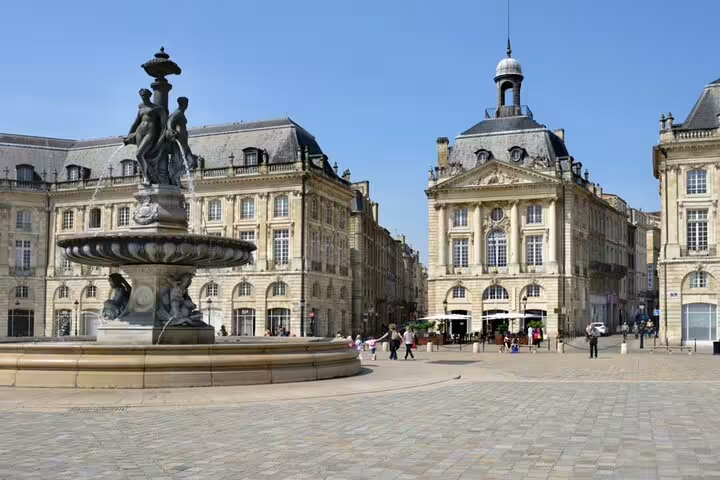
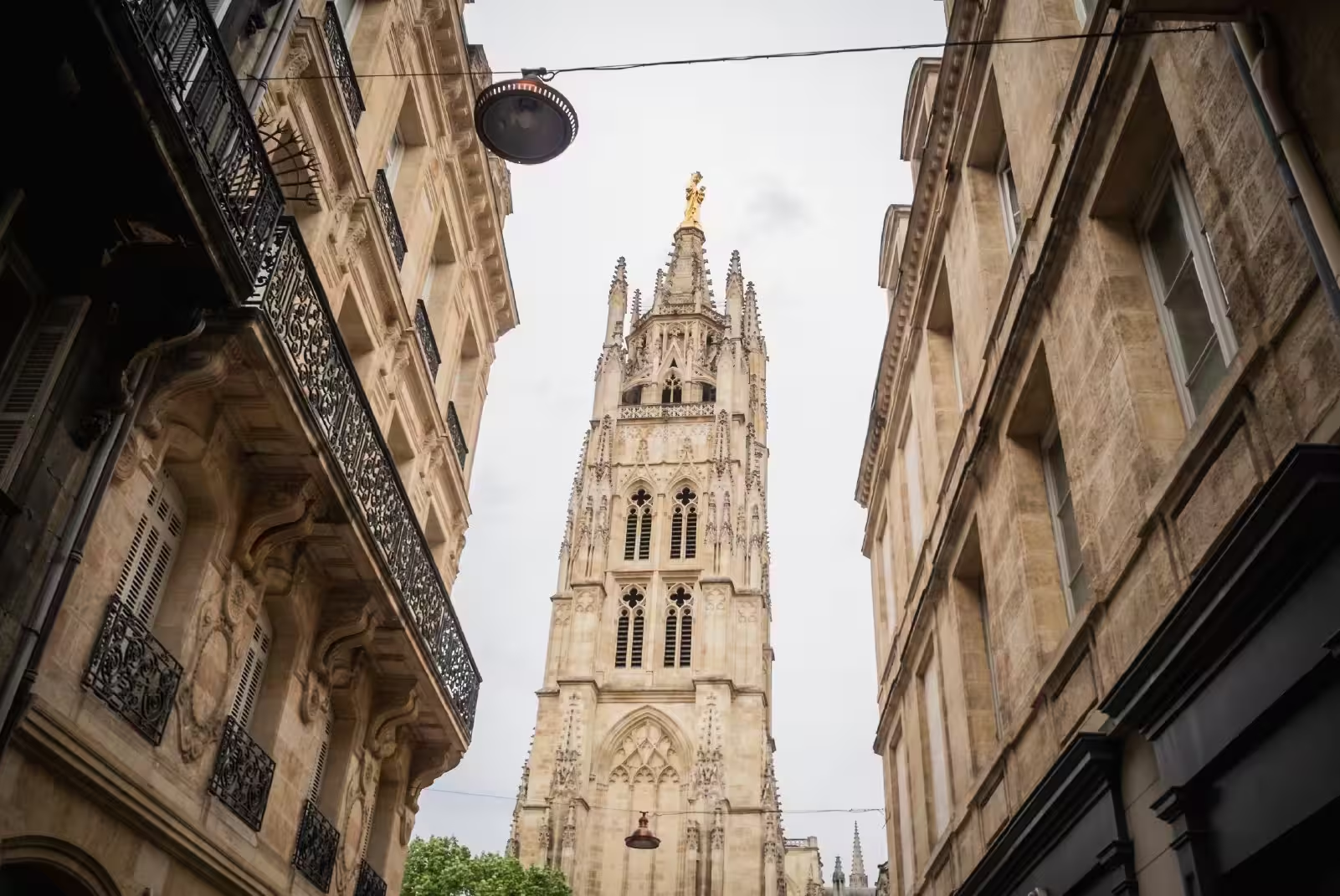
The cathedral, its bell tower, the Grand Théâtre and the Water Mirror make a city sightseeing plan with a climb as an option. At Saint-André Cathedral, the twin spires reach 81 metres; the separate decision is whether to climb the more than 230 steps of the Pey Berland Tower to its terraces at 40 and 50 metres. Building work on the tower began in 1440, and it was built as the cathedral’s bell tower.
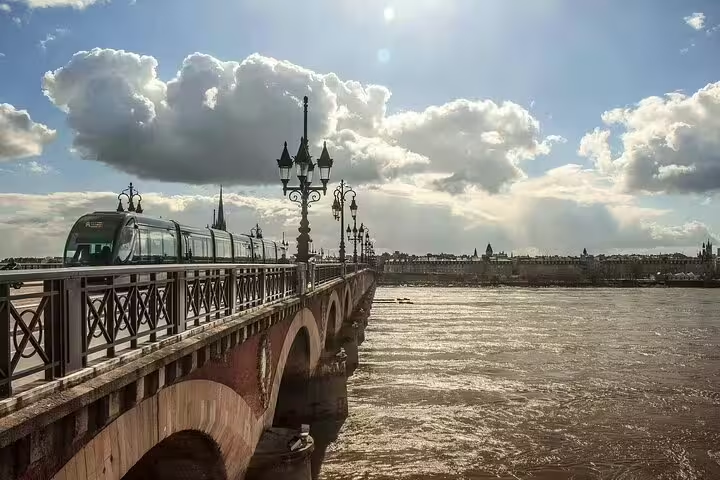
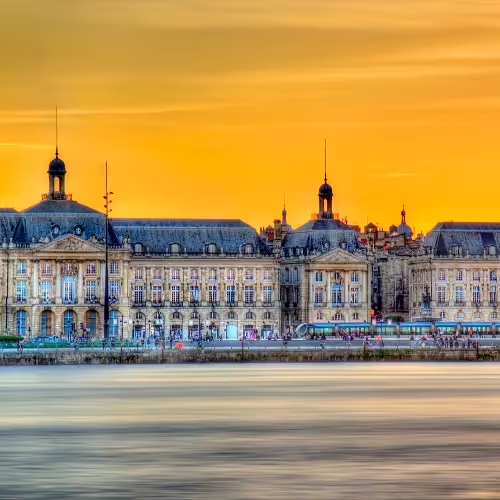
For a visit without the tower climb, the Grand Théâtre offers architecture by Victor Louis, while the Water Mirror has a granite surface covering 3,450 square metres.
For food alongside sightseeing, the guided food tour in Bordeaux Old Town market lasts 3 hours and includes food tastings at seven stops, wine tasting, bottled water, a local food guide and access to the market and Old Town sites.
A blind tasting fits a wine-focused hour, while a food tour gives tastings a longer share of the day.
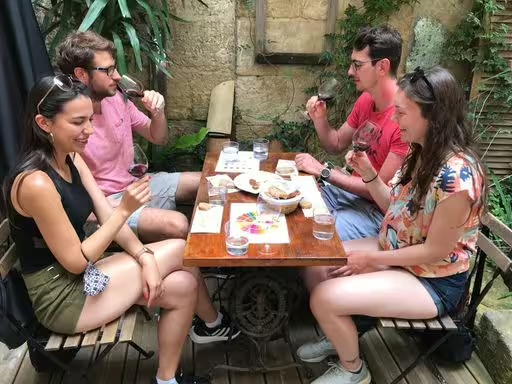
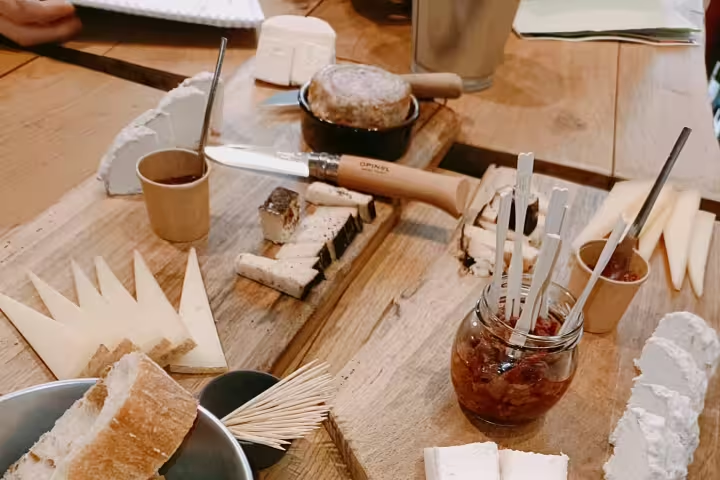
The Bordeaux natural wine blind tasting lasts 1 hour, with five natural wines, cheese and charcuterie, an expert host, tasting notes and producer references.
The Bordeaux organic wine blind tasting with cheese and charcuterie also lasts 1 hour and includes three organic Bordeaux wines, a sommelier-led blind tasting, assorted cheeses, French baguette and explanations of appellations, grapes and labels.
The private food tour in Bordeaux with wine and artisan tastings lasts 4 hours and includes a private local guide, artisan chocolate, specialist-shop cheeses, French speciality foods, regional pastry and Bordeaux wine tastings. Claret is the name used in the United Kingdom for Bordeaux’s red wine.
Two days are a workable plan for city sights and a separate wine-focused day. Day one can cover Saint-André Cathedral, the Pey Berland Tower if the climb appeals, the Grand Théâtre and the Water Mirror. Day two can pair a tasting with time by the Garonne.
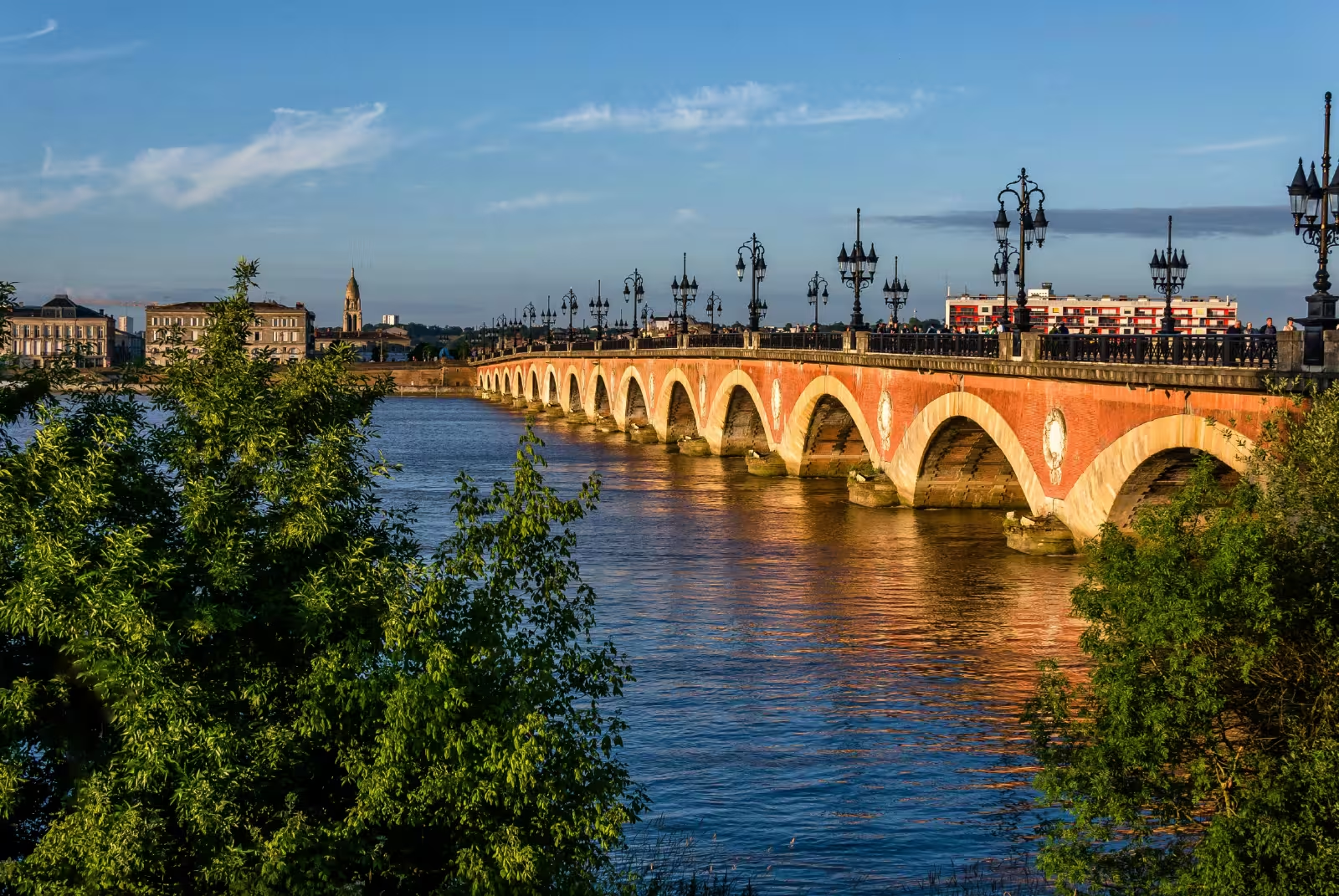
The river gives Bordeaux a harbour identity as well as a sightseeing theme: cruise ships come up the Gironde estuary and the Garonne, and the harbour’s name, Port de la Lune, means Port of the Moon.
An app-based walk suits a self-guided city visit, with an audio format or a game format to pick from.
The Bordeaux self-guided walking tour with an audio guide app lasts 2 hours and 30 minutes and includes 29 audio commentaries, a 3D map with live geolocation, offline access after downloading, sharing across devices and access without an expiry date.
The Bordeaux self-guided walking tour and city game by app lasts 3 hours and includes GPS navigation, location-based questions and tasks, and historical and cultural information at each stop.
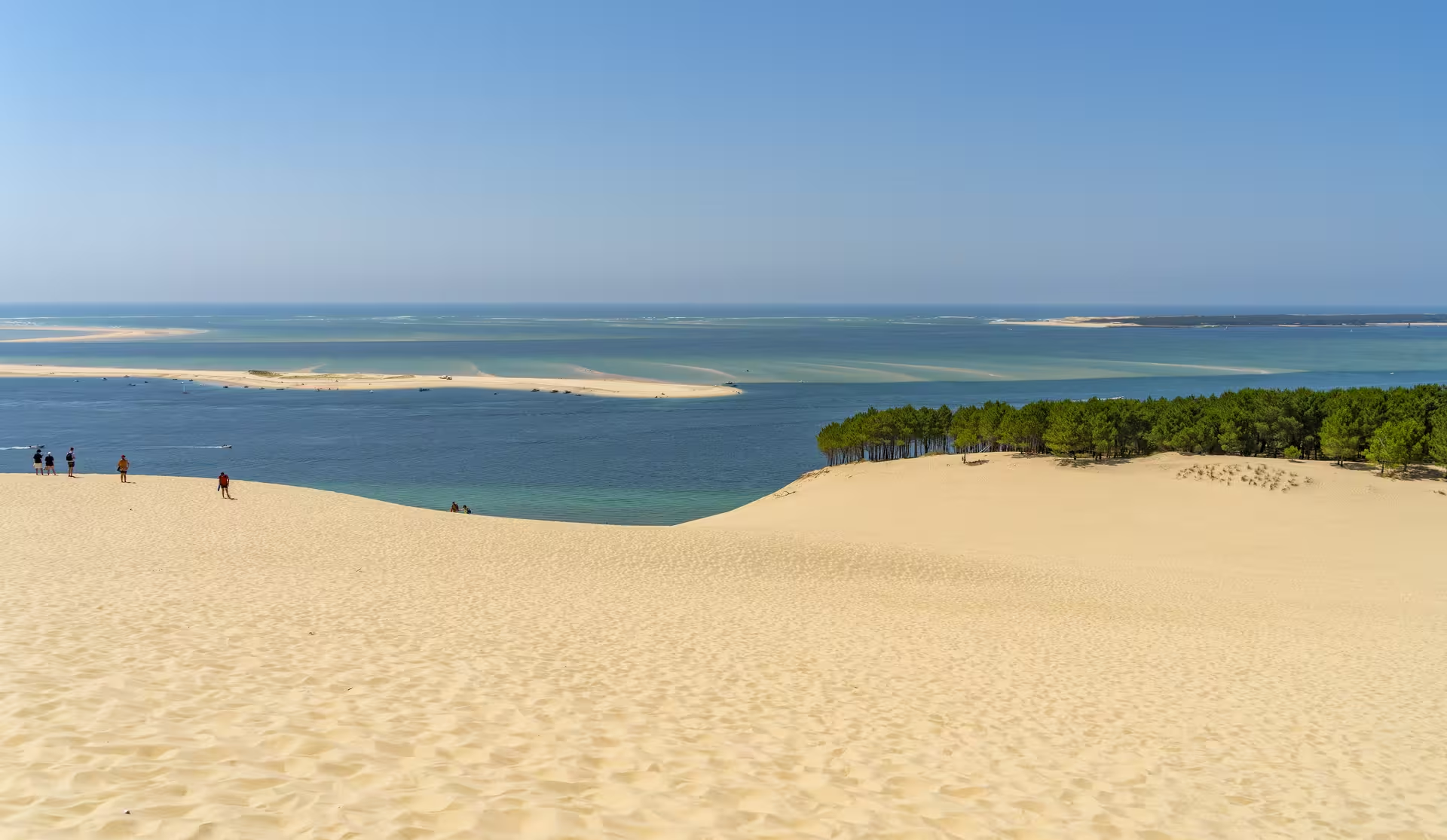
Lacanau suits a surfing theme, while Arcachon Bay offers a dune and an island as alternatives to city architecture. Surfers visit Lacanau on Gironde’s Cote d’Argent. The Great Dune of Pyla is in Arcachon Bay, and the Ile aux Oiseaux lies near the bay’s centre.
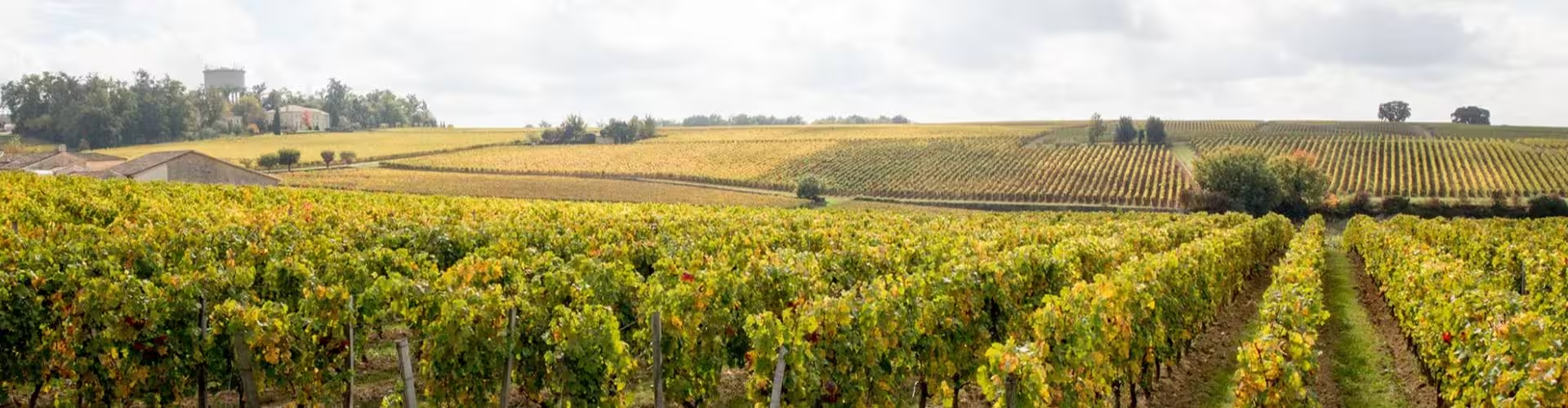
Red Bordeaux can be made with Cabernet Sauvignon, Cabernet Franc, Merlot, Petit Verdot, Malbec and Carménère.
Across Bordeaux Métropole, there are 154 parks and natural spaces.
Its movable central section can rise vertically up to 53 metres and is 117 metres long.