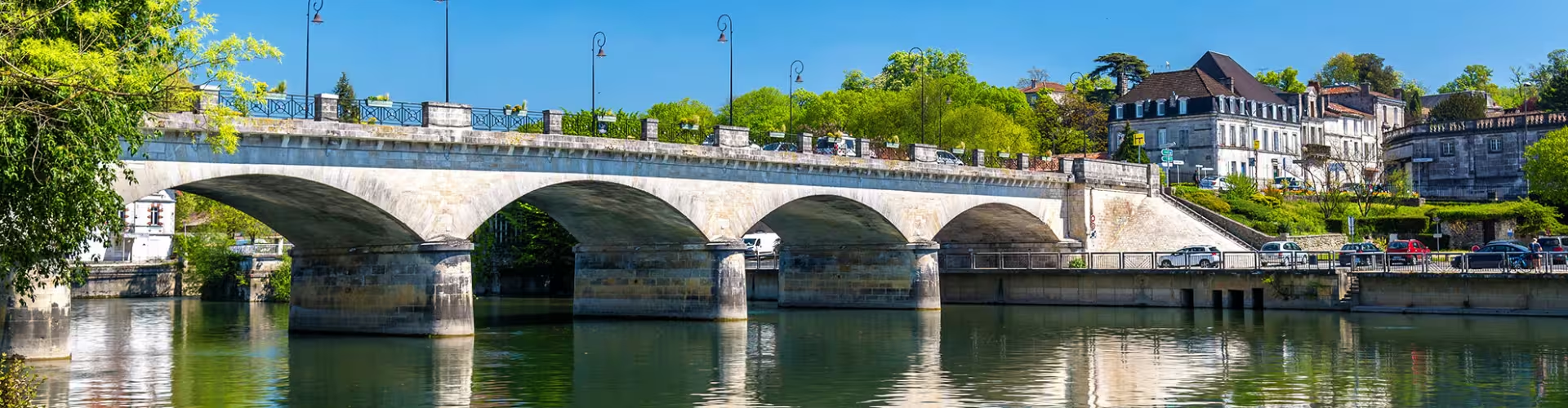



Cognac is a small but world-renowned town in the Charente department of southwestern France, celebrated as the birthplace of the iconic brandy that bears its name. Nestled along the Charente River, this elegant destination blends centuries of distilling tradition with charming medieval architecture and lush vineyards. It is a destination that rewards slow travel, fine sipping, and genuine curiosity about craft and history.
Cognac sits in the Nouvelle-Aquitaine region of France, approximately 120 kilometres north of Bordeaux and 470 kilometres southwest of Paris. The town centre is compact and walkable, with the majority of the great distillery houses clustered along the riverbanks and within the medieval old town. The surrounding countryside, known as the Grande Champagne and Petite Champagne zones, is a patchwork of chalky vineyards that supply the raw material for the famous spirit.
The best time to visit is between April and October, when the weather is mild and the vineyards are at their most photogenic. Summer brings festivals, open distillery days, and lively outdoor dining. Harvest season in September and early October is particularly atmospheric, when the entire region hums with activity and the scent of fermenting grapes fills the air. Winter is quiet but not without charm, especially for travellers who prefer uncrowded streets and intimate tastings.
France uses the Euro. Cognac is a mid-range destination. Distillery tours typically cost between 15 and 30 euros per person, while a comfortable hotel room averages 90 to 160 euros per night. Dining at a good local restaurant will cost around 25 to 45 euros for a three-course meal without wine. Free attractions include riverside walks, the old town, and several public gardens.
Tour the Hennessy Distillery
The Hennessy Maison is one of the most visited sites in the region and offers a polished, immersive experience that traces the history of the house from its Irish founding in 1765 to its current global dominance. Visitors cross the Charente River by boat to reach the cellars and production areas, where the art of blending is explained with genuine depth. The tour concludes with a guided tasting of several expressions.
Practical Tip: Book online at least a week in advance during summer, as group tours sell out quickly.
Visit the Remy Martin Estate
Located just outside the town centre, the Remy Martin estate offers tours that venture into the actual vineyard, giving visitors a farm-to-glass perspective rare in the spirits world. The experience emphasises terroir and the role of the Grande Champagne appellation in shaping flavour. Small-group formats ensure a more personal atmosphere.
Practical Tip: The estate tour requires a short drive or taxi ride, so plan your transport in advance.
Explore the Chateau de Cognac
This medieval fortress, birthplace of King Francis I of France in 1494, overlooks the Charente River and houses the Otard distillery within its ancient walls. The combination of royal history and active spirits production makes it one of the most atmospheric stops in town. The chateau's cellars are remarkable for their age and their unique microclimate.
Practical Tip: Arrive at opening time to enjoy the chateau courtyards before tour groups arrive.
Walk the Old Town
The medieval quarter known as the Vieux Cognac is a pleasure to explore on foot, with cobbled lanes, half-timbered houses, and Romanesque church facades around every corner. The Church of Saint-Leger is a particularly fine example of carved Romanesque stonework. Allow at least two hours to wander without a fixed agenda.
Practical Tip: Pick up a free walking map from the tourist office on the Place Jean Monnet.
Visit the Cognac Museum
The Musee d'Art et d'Histoire de Cognac occupies a Renaissance building and traces the town's history from prehistoric times through the golden age of the brandy trade. Exhibits include cooperage tools, vintage advertising posters, and fine art collections with a regional focus. It is an excellent rainy-day option.
Practical Tip: Entry is free on the first Sunday of each month.
Cruise the Charente River
A boat cruise along the Charente offers a completely different perspective on the town's distillery architecture and waterfront estates. Several operators run guided cruises lasting between one and two hours. Sunset departures are particularly memorable.
Practical Tip: The tourist office can book river cruises and often has last-minute availability.
Discover the Martell Distillery
Founded in 1715, Martell is the oldest of the great distillery houses still in operation and offers tours that highlight traditional copper pot still distillation and the role of Limousin oak barrels in ageing. The cellar master experience is available for those seeking a deeper, more technical understanding of the craft.
Practical Tip: Martell's premium tasting sessions must be booked well ahead and are worth the extra investment.
Begin the morning with a walk through the old town and a visit to the Chateau de Cognac. After lunch at a riverside brasserie, join an afternoon tour at the Hennessy Maison, crossing the river by boat for a truly scenic introduction to the distilling world. End the day with a sunset stroll along the Charente and dinner at a restaurant in the town centre, pairing local cuisine with a glass of Pineau des Charentes.
On day one, focus on the old town, the museum, and the Chateau de Cognac. Day two should be dedicated to two major distillery experiences: the Hennessy Maison in the morning and Martell in the afternoon. On day three, hire a car or join a guided tour to explore the surrounding vineyard regions, stopping at smaller artisan distilleries in the Grande Champagne zone. A visit to Jarnac, the birthplace of President Francois Mitterrand and home to the Courvoisier Maison, makes an excellent half-day excursion.
Pineau des Charentes: This fortified wine, made from fresh grape juice and brandy, is the region's most distinctive aperitif. It comes in white, rose, and red styles. Ask for it chilled as a pre-dinner drink.
Escargots a la Charentaise: Snails prepared with garlic butter and local herbs in the Charentaise tradition are a genuine regional speciality. Order them as a starter in any traditional restaurant.
Mojhettes: A type of white bean grown exclusively in the Charente-Maritime area, these are served simply with butter or alongside local sausage. They are a humble but deeply satisfying dish.
Tourteau Fromager: This striking black-topped cheese cake is a Charente classic, made with fresh goat cheese and baked until the dome turns a distinctive charred colour. It is far more delicate in flavour than its appearance suggests.
Mouclade: A creamy mussel dish typical of the broader Charente-Maritime coast, often flavoured with a dash of the local spirit. It pairs beautifully with crusty bread and a dry white wine.
Aged Brandy Tasting Flights: Many distillery houses offer tasting flights that compare expressions aged for different periods. A structured tasting is one of the most educational and pleasurable things you can do in the region.
The town centre is best explored on foot or by bicycle. Several bike hire outlets operate near the tourist office. For distillery estates outside the centre, taxis and guided minibus tours are the most practical options, as public bus connections to rural areas are limited. The nearest major train station with TGV connections is Angouleme, approximately 25 minutes away by regional train. Bordeaux and Paris are both accessible by rail, making Cognac easy to reach without a car for the core experience. However, a rental car unlocks the full potential of the surrounding vineyard countryside.
Jarnac: Just 15 kilometres east, Jarnac is home to the Courvoisier Maison and the birthplace of President Mitterrand. The town is quieter than Cognac and offers a more intimate distillery experience alongside a presidential museum.
Saintes: A 30-minute drive west brings you to Saintes, a Roman city with an impressive amphitheatre, triumphal arch, and fine Romanesque abbeys. It is one of the most historically rich towns in southwestern France.
Royan and the Atlantic Coast: Around 70 kilometres southwest, the seaside resort of Royan offers beaches, fresh seafood, and a distinctive post-war Modernist architectural heritage. It makes an excellent contrast to the inland vineyard landscape.
Bordeaux: The great wine capital is just over an hour away by car or train and offers world-class museums, restaurants, and wine tourism experiences that complement a stay in the brandy country perfectly.