Rouen

Plan a rewarding Rouen city break with logistics, top things to do, walkable itineraries, Normandy flavors, transport tips, and easy day trips beyond the historic center.

logoBlack

Build your dream
experience

dreamimg

More to know about Rouen


Rouen Travel Guide

Rouen is one of Normandy’s most atmospheric cities, known for its medieval streets, cathedral silhouette, and a riverfront setting on the Seine. This guide helps you plan a rewarding first visit with practical logistics, curated experiences, and easy add ons beyond the historic center. Use it to decide how long to stay, what to prioritize, and how to shape your days around the city’s most memorable sights.


Snapshot

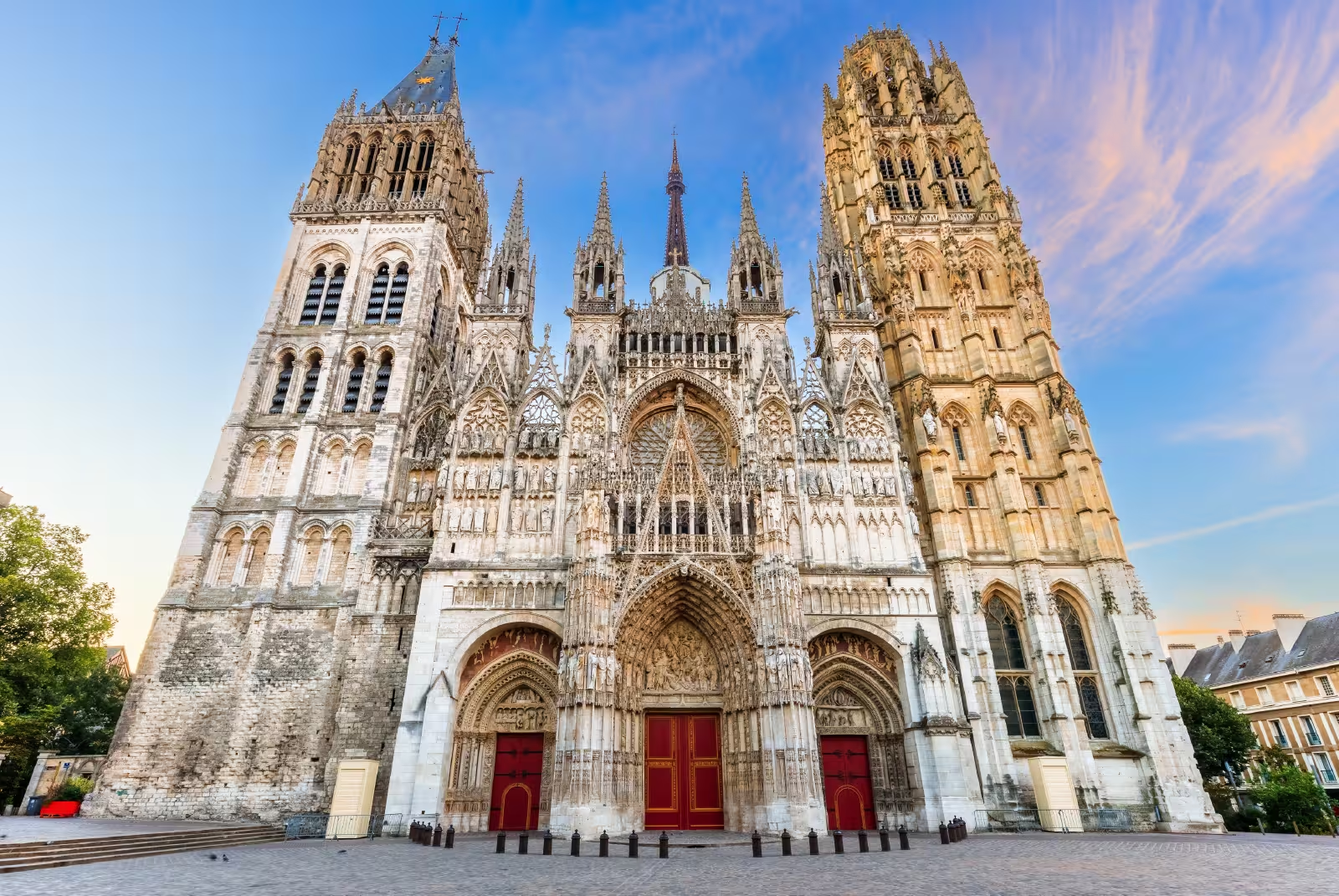
In Rouen, half timbered facades, Gothic stonework, and café terraces create a historic, lived in vibe that feels cinematic without being staged. It is a strong choice for travelers who want a culture rich stop between Paris and the Normandy coast, with walkable streets and big landmark energy in a compact footprint. Go when you want a city break with cathedral views, museum depth, and river air, all without the scale and pace of a capital.


๐Ÿ—บ๏ธ Geography and Logistics

๐Ÿ“ Orientation: Where is it within Normandy and France? Name key gateway airports or hubs.

Rouen sits in northern France in the Normandy region, following the bends of the Seine River. It works well as a hub for exploring Normandy because it connects naturally to Paris and other regional towns by rail and road. For gateways, most travelers route through Paris area airports and then continue by train, while regional rail hubs in Normandy can also link you into the city depending on your itinerary.

๐Ÿ•’ When to Go: Seasonal breakdown. Weather patterns vs. crowd levels.

Normandy weather is ocean influenced, so conditions can shift quickly, with a mix of crisp days, rain showers, and bright breaks of sun. Warmer months generally bring longer daylight and a more active street scene, while cooler months can feel quieter and more introspective, especially in the old town lanes. If you prefer fewer crowds, aim for shoulder season timing and plan flexible indoor options such as museums and churches in case of rain.

๐Ÿ’ฐ Budget & Currency: Practical money tips, local price levels, and card vs. cash advice.

France uses the euro, and Rouen is typically easier on the budget than larger, headline cities, especially for casual dining and local transport. Cards are widely accepted, but carrying a small amount of cash is useful for small purchases and market style browsing. A practical approach is to set a daily food and museum budget, then keep a little extra for spontaneous stops such as pastries, coffee breaks, or a riverfront drink.


โญ Essential Things to Do List

Historic Old Town Walk. The old center is where Rouen feels most immersive, with narrow streets, timbered houses, and small squares that reward slow wandering. It matters because the city’s identity is built into the street pattern itself, not just a single monument. Practical tip, start early for clearer photos and a calmer pace, then return later for a livelier café atmosphere.

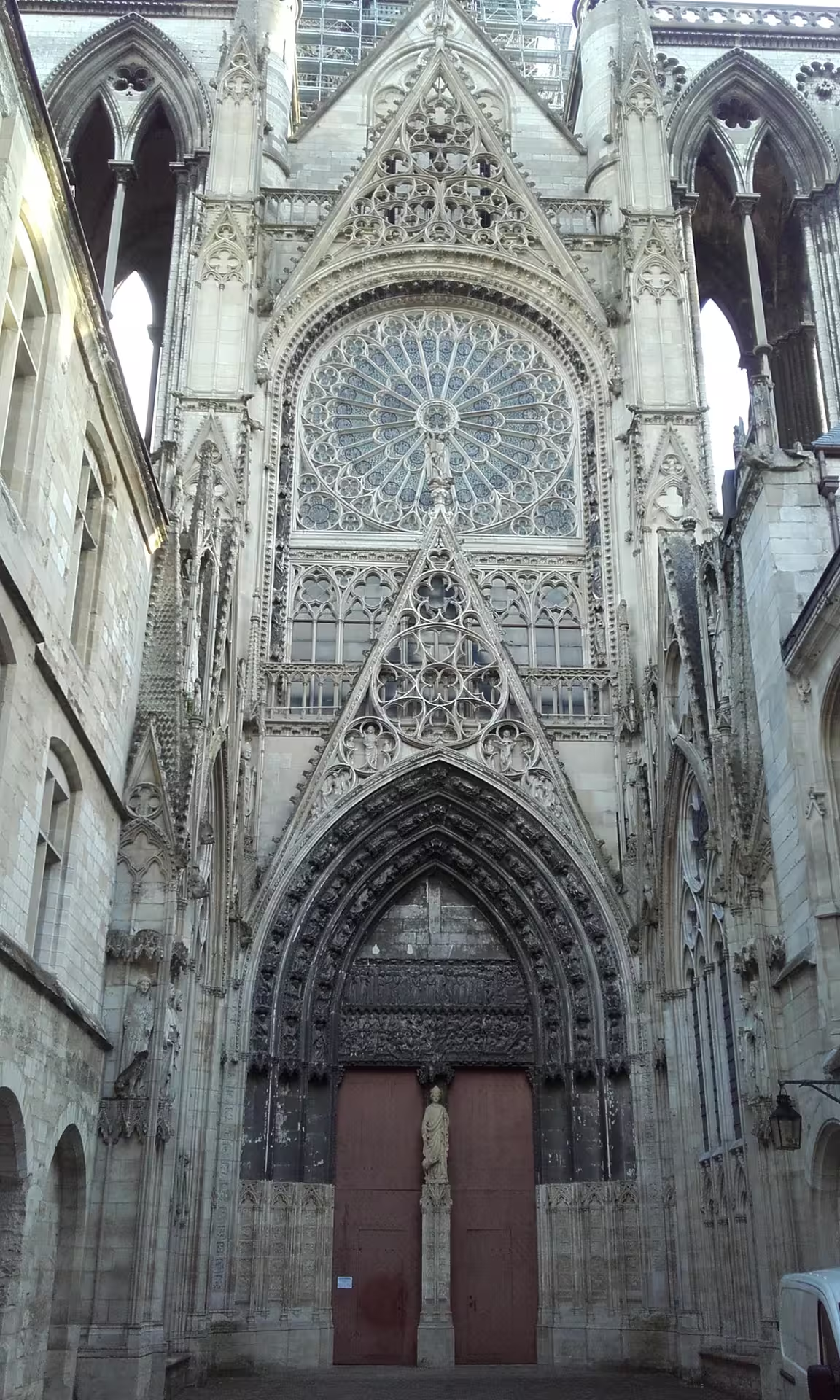
Rouen Cathedral Viewpoints. The cathedral is a defining landmark, and seeing it from different angles shows how the city’s medieval fabric frames the skyline. It matters because Gothic architecture here is not isolated, it is part of daily life, with streets and storefronts flowing around it. Practical tip, circle the surrounding lanes and pause at open squares where the façade reads best in changing light.

Seine River Quays Stroll. The riverfront adds breathing room to the dense historic core and gives you a sense of how trade and transport shaped Normandy cities. It matters because the Seine is a living axis that connects the region, linking inland heritage with the coast. Practical tip, plan a late afternoon walk when the light softens and you can pair it with a relaxed meal nearby.

Joan of Arc Connections. Rouen is closely associated with Joan of Arc, and exploring related sites adds emotional weight to the city’s beauty. It matters because it turns a scenic visit into a story driven one, connecting streets and churches to a pivotal chapter in French history. Practical tip, read a short summary of her story before you go, it makes the locations more meaningful without needing a long tour.

Gothic Churches Beyond the Cathedral. Smaller churches and chapels offer quieter moments and a different scale of Gothic and medieval detail. It matters because they reveal how faith, craft, and neighborhood life intersected over centuries. Practical tip, step inside when you pass one, even a brief visit can reset your day if the weather turns.

Museum Time for Context. Museums in Rouen help you understand Normandy’s art, archaeology, and regional identity beyond the postcard view. It matters because context changes what you notice on the streets, from stone carvings to river commerce clues. Practical tip, use museums as a midday anchor, especially if you are building a flexible plan around variable weather.

Markets and Local Food Browsing. Food culture is an easy entry point to Normandy, and browsing local stalls or shops can be as memorable as a formal meal. It matters because it connects you to everyday life, seasonal produce, and regional specialties. Practical tip, arrive hungry and buy small portions, you will learn more by tasting a few things than committing to one large purchase.

Photography Loop Through Medieval Lanes. Rouen rewards photographers with repeating patterns, beams, stone, and shifting perspectives in tight streets. It matters because the city’s charm is cumulative, built from details that appear as you move. Practical tip, take a slow loop and look up often, upper stories and rooflines are where the most striking textures appear.


๐Ÿšถ Curated Itineraries

โฐ The Highlights (1 Day): A fast paced “Best Of” route.

Start in the historic center with a focused walk toward the cathedral area, then spend time exploring the surrounding lanes and squares on foot. After a relaxed lunch, shift to a museum for deeper context, then finish with a Seine riverfront stroll to reset your pace and see the city open up. If you want a final high impact moment, revisit the cathedral zone in late afternoon light and end with a casual dinner nearby.

โฐ Deep Dive (2-3 Days): Adding neighborhood exploration and local secrets.

Day one follows the highlights route but adds more time for churches, small galleries, and unplanned detours in the old town. Day two can focus on Joan of Arc related sites and a longer riverfront segment, with extra time for cafés and local food browsing so the city feels less like a checklist. With a third day, use Rouen as a base for Normandy day trips, then return for a final evening walk through the medieval lanes when they feel calmer and more intimate.


๐Ÿฝ๏ธ Flavors of Rouen

Normandy cider. Crisp, lightly fruity, and often gently sparkling, it pairs naturally with savory dishes and casual meals. Ordering tip, ask for local cider and choose dry if you prefer less sweetness.

Calvados. This apple brandy is warming and aromatic, often enjoyed as a digestif. Ordering tip, take it after a meal in a small pour, it is strong and meant to be sipped slowly.

Camembert and other Normandy cheeses. Expect creamy textures and earthy, tangy depth, especially when served at room temperature. Ordering tip, if you see a cheese plate option, it is a simple way to sample regional variety without over ordering.

Seafood influences. Normandy’s coastal proximity shows up in menus through fish and shellfish preparations. Ordering tip, look for seasonal seafood mentions, they often signal what is freshest.

Apple desserts. Apples are central to the region, so desserts often lean into baked fruit, caramel notes, and buttery pastry. Ordering tip, ask what the house apple dessert is, it is often a reliable choice.

French café classics. Coffee, pastries, and light lunches fit naturally into a walking day in Rouen. Ordering tip, sit down for a slower break when you need a reset, it can be the difference between rushing and actually enjoying the city.


๐ŸšŒ Navigation & Transport

The historic center of Rouen is best explored on foot, since the streets are compact and many of the most rewarding views appear between landmarks. Public transport can help connect you to areas outside the core or reduce walking time if you are balancing museums and riverfront segments. If you use ride services or taxis, treat them as a convenience tool rather than a default, short trips can be slower in dense areas than walking.

For safety and comfort, watch for uneven paving in older lanes and bring footwear with good grip, especially in wet weather. If accessibility is a priority, plan a route that minimizes steep or cobbled segments, and use transport to bridge the more challenging stretches. A good strategy is to group nearby sights into clusters, then take breaks at cafés to keep the day sustainable.


๐ŸŒ„ Beyond the Center: Day Trips

Paris. Travel time varies by route, but it is a common connection and makes an easy add on if you want a major city contrast. Primary reason to visit, world class museums, neighborhoods, and iconic landmarks, then return to calmer Normandy evenings.

Normandy coast towns. Travel time depends on the specific destination, but coastal day trips are a classic pairing with Rouen. Primary reason to visit, sea air, seafood culture, and a different landscape rhythm than the river valley.

Giverny area. Travel time varies, but this is a popular direction for art lovers exploring Normandy from the Seine corridor. Primary reason to visit, Impressionist connections and garden focused scenery that complements Rouen’s Gothic cityscape.

Regional Normandy villages. Short to moderate travel times are typical depending on where you choose. Primary reason to visit, half timbered architecture, local markets, and a slower pace that deepens your sense of place.


โœ… Insider Tips for Travelers

  • Build your plan around walking clusters, then use museums or cafés as weather proof anchors.
  • For the best photos, revisit key viewpoints at different times of day, light changes the cathedral and street textures dramatically.
  • Carry a small amount of cash for small purchases, but rely on cards for most spending.
  • Pack a light rain layer and shoes with grip, Normandy conditions can shift quickly.
  • Avoid trying to see everything in one sweep, the city’s charm comes from pauses, not speed.
  • If you are adding day trips, keep one flexible slot so you can choose based on weather.

โ“ Frequently Asked Questions, FAQ

How many days do I need in Rouen?
One day covers the main cathedral area and a focused old town walk. Two to three days lets you add museums, riverfront time, and a more relaxed pace.

Is Rouen walkable for first time visitors?
Yes, the historic center is compact and designed for exploring on foot. Wear comfortable shoes because older streets can be uneven, especially after rain.

What is the best time of year to visit?
Warmer months offer longer days and a lively street scene, while shoulder seasons can feel calmer with fewer crowds. Bring layers since Normandy weather can change quickly.

Do I need cash or can I use cards?
Cards are widely accepted, but small cash is helpful for markets and small purchases. Keeping both options makes day to day spending easier.

Can I do day trips from Rouen?
Yes, Rouen works well as a base because it connects to Paris and other Normandy destinations by rail and road. Choose day trips based on your interests, such as coastal scenery, village atmosphere, or art related stops.