Arromanches-les-Bains

Arromanches-les-Bains is a Normandy seaside town defined by Mulberry Harbour remnants and D-Day history. Use this guide for viewpoints, museums, coastal walks, itineraries, local flavors, and day trips.

logoBlack

Build your dream
experience

dreamimg

More to know about Arromanches-les-Bains


Arromanches-les-Bains Travel Guide

Arromanches-les-Bains is a compact Normandy seaside town with a powerful sense of place, shaped by sweeping Channel views and the legacy of the D-Day landings. It is best known for the remains of the Mulberry Harbour, a feat of wartime engineering that still sits offshore like a visible timeline. This guide focuses on practical planning, what to prioritize on a short visit, and how to connect the history with the coastline, food, and nearby sites.


Snapshot

In Arromanches-les-Bains, the signature vibe is reflective and coastal, with cliffside viewpoints, a walkable beachfront, and history that feels close enough to touch. Come when you want a meaningful stop that fits easily into a Normandy road trip, especially if you value scenery as much as museums. It is also a strong choice for travelers who prefer a smaller base with easy access to the wider D-Day coastline.


๐Ÿ—บ๏ธ Geography and Logistics

๐Ÿ“ Orientation: Where is it within Normandy and France?

Arromanches-les-Bains sits on the Normandy coast in northwestern France, between other key D-Day sites and the inland city of Caen. The town is part of the Calvados area and works well as a stop on a route that links beaches, memorials, and small ports along the English Channel. For gateways, most travelers route through Paris and continue by train and car, or use regional hubs such as Caen for onward connections.

๐Ÿ•’ When to Go: Seasonal breakdown

Normandy weather is coastal and changeable, so plan for wind and quick shifts even on bright days. Warmer months generally bring longer daylight and easier beach walks, along with higher visitor numbers at major sites. Cooler seasons can feel quieter and more contemplative, which suits museum visits and viewpoints, but you should pack layers and rain protection.

๐Ÿ’ฐ Budget & Currency: Practical money tips

France uses the euro, and cards are widely used, but carrying a small amount of cash is still useful for small purchases and quick stops. Costs in a small coastal town typically vary by season, with higher demand during peak travel periods. If you are visiting multiple museums and memorial sites across Normandy, set a flexible budget for admissions and consider prioritizing your must-see experiences to avoid rushing.


โญ Essential Things to Do

Mulberry Harbour Viewpoints
The offshore remains are the town’s defining sight, and they help you understand the scale of the Allied logistics story without needing to imagine it from a map. Seeing the structures from different angles makes the engineering feel real, especially when the tide and light change the contrast against the sea. Practical tip, visit near late afternoon for softer light and clearer photos from higher ground.

Beachfront Walk and Seafront Atmosphere
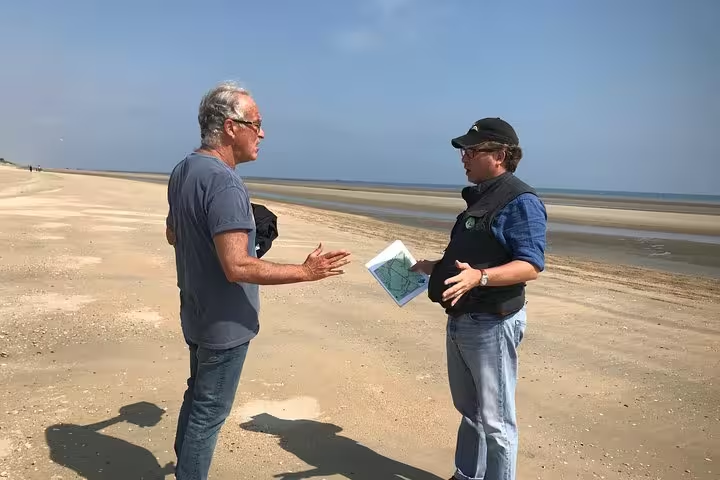
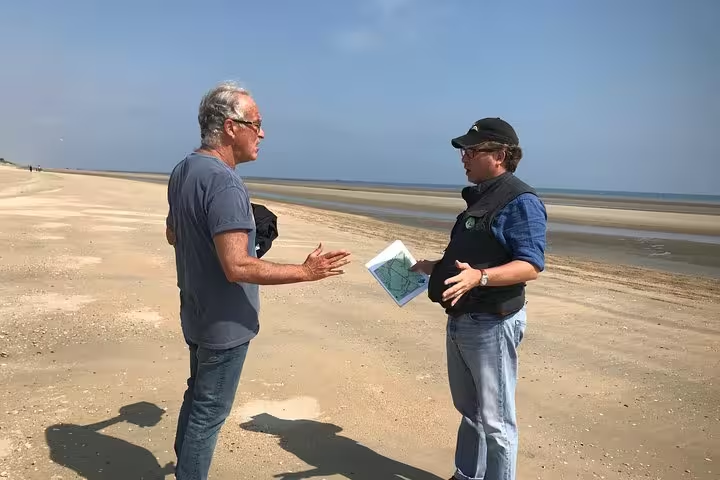
A simple walk along the beach and promenade gives you the emotional context of the coastline, calm today but central to a decisive moment in history. It also helps you orient yourself, because many viewpoints and interpretive stops are easiest to understand once you have seen the shoreline. Practical tip, wear shoes that handle pebbly sections and bring a wind layer even in mild weather.

D-Day History Museums and Interpretive Stops
Local exhibits in Arromanches-les-Bains focus on the landings and the temporary harbor, which is a useful complement to the larger memorials nearby. These visits add names, timelines, and logistics to what you see offshore, turning scenery into a coherent story. Practical tip, go early in the day if you want a quieter experience and more time to read displays.

Clifftop Panoramas over the Normandy Coast
From the heights above town, the coastline opens up and you can trace the geography that shaped the landings. This is also where you feel the “big picture” of the region, with the Channel stretching out and neighboring beaches within reach. Practical tip, check wind conditions before you linger near exposed edges and keep your phone secured for photos.

Photography Loop, Sea, Harbor Remains, and Golden Hour
The combination of water, sky, and concrete harbor elements creates dramatic compositions that change throughout the day. Even if you are not a dedicated photographer, the contrasts are striking, especially when clouds move quickly. Practical tip, plan a short loop that includes one high viewpoint and one seafront angle, then return at a different time for variety.

Normandy D-Day Coast Drive
Many travelers use Arromanches-les-Bains as a key stop on a broader route that includes other landing beaches and memorial sites. The value is in connecting places rather than treating them as isolated points, because the distances and terrain matter to the story. Practical tip, start with a clear list of priorities, then leave buffer time for traffic, parking, and emotional pacing.

Local Cafes and Simple Seaside Dining
A relaxed meal break helps balance the intensity of the historical themes, and the seafront setting keeps you connected to the landscape. Normandy is known for apples, dairy, and seafood, which often appear in regional menus. Practical tip, aim for an earlier lunch to avoid peak seating times, especially in busier months.

Short Walks to Nearby Lookouts and Quiet Corners
Beyond the main viewpoints, smaller paths and side streets can offer calmer moments and different sightlines. This is where the town feels less like a checklist and more like a place, with everyday life alongside remembrance. Practical tip, carry water and keep an eye on footing if you take steeper paths.


๐Ÿšถ Curated Itineraries

โฐ The Highlights (1 Day)

Start with a clifftop viewpoint to understand the coastline and spot the Mulberry Harbour remains offshore. Then head down for a beachfront walk, using the seafront to connect what you saw above with the scale of the waterline. After lunch, spend time at a D-Day focused museum or interpretive stop to add context, then finish with a second viewpoint visit for late-day light and a quieter atmosphere.

โฐ Deep Dive (2-3 Days)

Day one, focus on Arromanches-les-Bains itself, viewpoints, seafront, and a museum visit, paced with breaks so the history has time to land. Day two, build a wider Normandy D-Day route that links nearby beaches and memorial sites, returning to Arromanches for dinner and an evening walk. If you have a third day, slow down with a more scenic coastal drive, add a second museum stop in the region, and prioritize one or two places where you can spend longer reading and reflecting rather than moving fast.


๐Ÿฝ๏ธ Flavors of Arromanches-les-Bains

Normandy Cider
Typically crisp and apple-forward, cider pairs well with seafood and casual lunches. Ordering tip, ask for a local cider option and choose a drier style if you prefer less sweetness.

Calvados (Apple Brandy)
Calvados is warming and aromatic, often enjoyed as a digestif. Ordering tip, if you are curious but cautious, ask for a small pour and sip slowly after a meal.

Camembert and Other Normandy Cheeses
Expect rich, creamy textures and a savory finish, often served with bread. Ordering tip, try a cheese plate to sample more than one style without committing to a single portion.

Seafood Plates
Along the coast, seafood tends to be fresh and simply prepared, letting briny flavors lead. Ordering tip, look for a mixed seafood plate if you want variety, and pair it with cider for a regional match.

Crêpes and Galettes
Galettes are usually buckwheat-based and savory, while crêpes lean sweet, making them a flexible meal or snack. Ordering tip, choose a savory galette for lunch, then share a sweet crêpe for dessert.

Butter and Cream Based Sauces
Normandy cooking often leans into dairy richness, which can turn simple fish or poultry into something memorable. Ordering tip, if you want lighter fare, ask what is grilled or simply prepared.


๐ŸšŒ Navigation & Transport

Arromanches-les-Bains is small and easy to explore on foot, especially the beachfront and central streets, but viewpoints may involve uphill walking. For the broader D-Day coastline, a car is often the most practical option, because sites are spread out and rural connections can be limited. If you are traveling without a car, plan carefully around regional transport links and consider guided day tours that bundle multiple stops into one route.

For safety and comfort, wear grippy shoes for uneven paths and bring layers for wind and showers. Accessibility varies by route, so if mobility is a concern, prioritize seafront areas and confirm the most manageable access points when you arrive.


๐ŸŒ„ Beyond the Center: Day Trips

Caen
Travel time varies by route, but it is a common regional hub and a useful base for Normandy exploration. Visit for a deeper city-scale context and additional museums and services.

Bayeux
A short regional trip in typical itineraries, Bayeux is known for its heritage appeal and makes a good pairing with the D-Day coast. Visit to add a medieval town atmosphere and broaden your Normandy experience.

Omaha Beach Area
Driving times depend on traffic and your chosen stops, but it is a core part of many D-Day routes. Visit for major memorial sites and a powerful continuation of the story that begins at Arromanches-les-Bains.

Juno Beach Area
Often included on multi-site days, this area adds national and personal perspectives through memorial stops. Visit to understand how different Allied forces contributed across the coastline.

Pointe du Hoc
A longer coastal drive from some bases, but frequently prioritized for its dramatic terrain and historical weight. Visit for cliffside landscapes that make the tactical challenges immediately clear.


โœ… Insider Tips for Travelers

  • Prioritize one museum visit and one extended viewpoint session, then add extra stops only if you still have energy. The history can be intense.
  • Pack a windproof layer and rain protection, Normandy weather can shift quickly near the sea.
  • For photos, do one pass in bright daylight for clarity, then return later for softer light and stronger atmosphere.
  • If you are doing multiple D-Day sites in one day, plan parking and breaks, and avoid overloading your schedule.
  • Choose footwear for uneven paths and occasional steep walking, especially if you want the best panoramas.
  • Balance museum time with outdoor time, alternating helps you absorb information without fatigue.

โ“ Frequently Asked Questions, FAQ

Is Arromanches-les-Bains a good base for visiting the D-Day sites?
Yes, it works well as a central stop on a Normandy D-Day route, especially if you want a smaller coastal town atmosphere. Many key sites are within practical driving range, which makes day planning straightforward.

How much time should I plan for the main highlights?
A focused visit can fit into one day if you prioritize viewpoints, a beachfront walk, and one museum or interpretive stop. If you want a slower pace and time for nearby sites, plan two to three days.

Do I need a car to get around?
Within town, walking is usually enough, but viewpoints can involve uphill routes. For exploring the wider coastline and multiple memorial sites, a car or organized tour is typically the most efficient choice.

What should I pack for a visit?
Bring layers, a windproof outer layer, and rain protection, because coastal conditions can change quickly. Comfortable shoes help on uneven paths and steeper walks to panoramas.

When is the best time of day to visit Arromanches-les-Bains for views?
Late afternoon often provides softer light and a calmer feel, which suits viewpoints and photos in Arromanches-les-Bains. Midday can be brighter and clearer, but it may feel busier in peak periods.