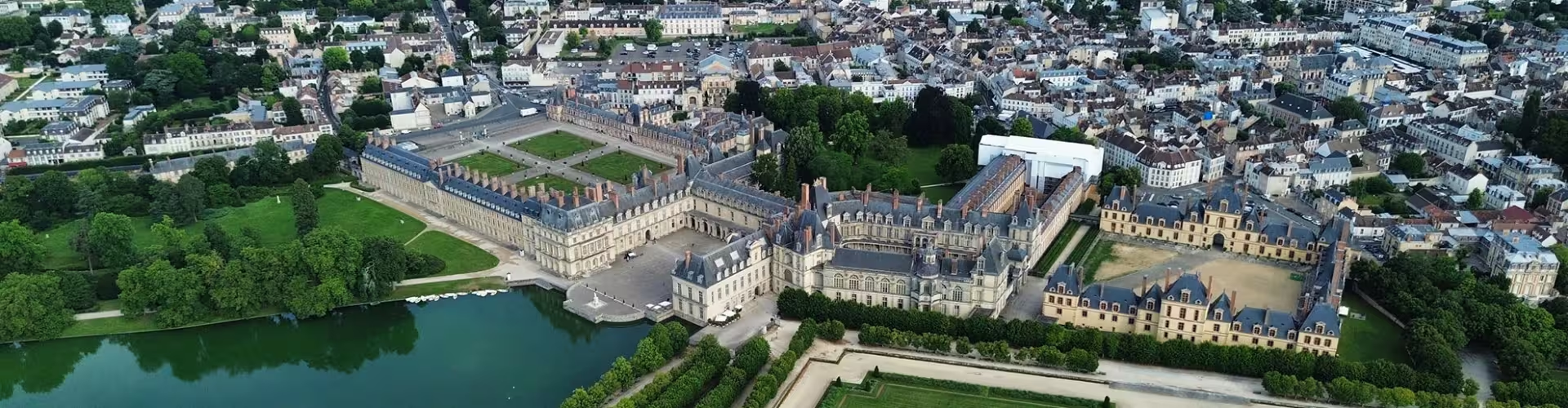
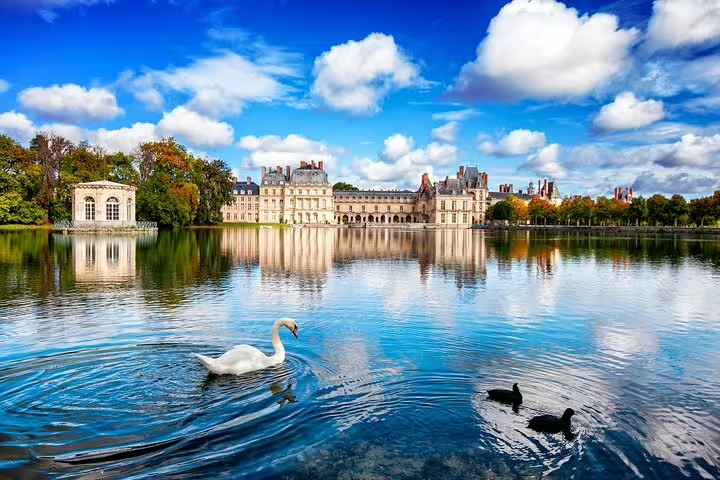
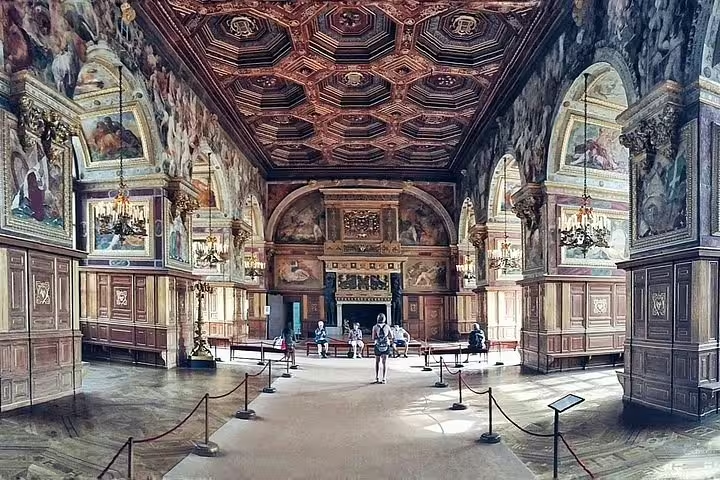
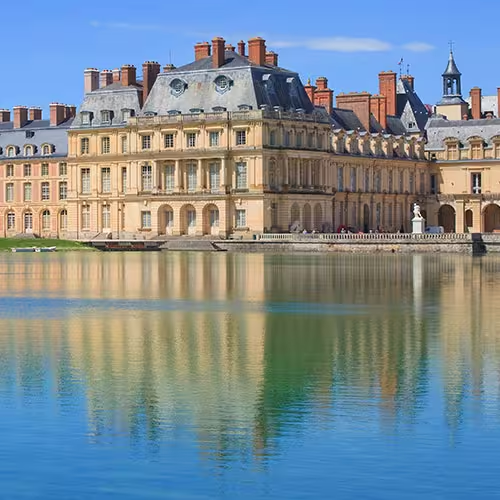
Fontainebleau is a refined escape just beyond Paris, known for royal heritage, forest landscapes, and an unhurried small town rhythm. The destination blends grand architecture with outdoor adventure, so you can pair cultural sightseeing with nature time in the same day. For travelers balancing city energy with fresh air, Fontainebleau offers an easy, high impact change of pace.
Fontainebleau feels elegant and outdoorsy at once, with a historic core shaped by French royalty and a vast forest that invites long walks and climbing sessions. The signature vibe is calm, polished, and active, perfect for travelers who want beauty without constant crowds. Go now if you want a destination that works in every season, with culture on rainy days and forest freedom when the weather clears.
Fontainebleau sits in the Île-de-France region, southeast of Paris, making it a practical base for a short break or a day trip. The most common gateway is Paris, using its major airports and the city’s rail network as the main hub for onward travel. Once you arrive, the town center is compact, and the surrounding forest defines the wider area’s identity and activities.
Spring and early autumn are popular for comfortable walking conditions and a lively, but not overwhelming, atmosphere. Summer brings longer daylight for forest time, although it can feel busier, especially on weekends when visitors arrive from Paris. Winter is quieter and more local in feel, and it can be a strong choice if you prioritize museums, interiors, and a slower pace, while keeping flexible plans for outdoor time.
France uses the euro, and cards are widely accepted, especially in hotels, restaurants, and larger attractions. Carry a small amount of cash for small purchases, market stalls, or quick snacks, and keep an eye on foreign card fees if you are visiting from outside the eurozone. In general, costs can feel similar to other popular areas near Paris, so planning a mix of paid sights and free forest time helps balance your budget.
1) Explore the Palace and Royal Heritage
The area is deeply associated with French monarchy, and the palace experience helps you understand why this place mattered for centuries. Interiors, formal spaces, and surrounding grounds communicate the scale of royal life better than a quick photo stop. Practical tip, aim for an earlier visit to enjoy a calmer atmosphere, then spend the afternoon outdoors.
2) Walk the Historic Town Center
The center of Fontainebleau is made for slow wandering, with a refined, lived in feel rather than a purely tourist set. Strolling here helps you pick up the destination’s everyday rhythm, from bakeries to small shops and café terraces. Practical tip, plan a loose route and leave time for spontaneous stops, especially if you like local food shopping.
3) Spend Time in the Forest of Fontainebleau
The forest is not just a backdrop, it is a defining reason to visit, with varied landscapes that reward both short walks and longer hikes. It is also internationally known for bouldering, which adds a sporty edge to the destination’s classic reputation. Practical tip, bring layers and water, and choose routes that match your daylight and fitness level.
4) Try Bouldering on the Sandstone Rocks
Climbers travel to the area specifically for the famous sandstone boulders and the culture that surrounds them. Even beginners can enjoy the atmosphere by watching skilled climbers and trying easy problems with the right guidance. Practical tip, go with appropriate shoes and crash pad options, and consider learning basic safety and etiquette before you start.
5) Picnic Like a Local
A picnic is one of the simplest ways to enjoy the forest setting while keeping costs under control. Pairing fresh bread, cheese, and seasonal fruit turns a sightseeing day into something more relaxed and memorable. Practical tip, shop in town first, then choose a spot that is scenic but not directly on a busy path.
6) Photograph the Contrast of Grandeur and Nature
Fontainebleau is especially photogenic because it combines formal architecture with wild looking forest textures. This contrast creates strong visual variety in a short time, which is ideal for travelers who want a full album from a brief stay. Practical tip, shoot in softer light in the morning or later afternoon for more flattering tones.
7) Enjoy Café Culture and Slow Evenings
Part of the destination’s appeal is how easy it is to slow down after a day of walking. A simple café stop becomes a ritual here, and evenings can feel relaxed rather than rushed. Practical tip, choose a terrace if the weather is mild, and plan your dinner slightly earlier if you prefer a quieter setting.
8) Use It as a Base for Île-de-France Exploration
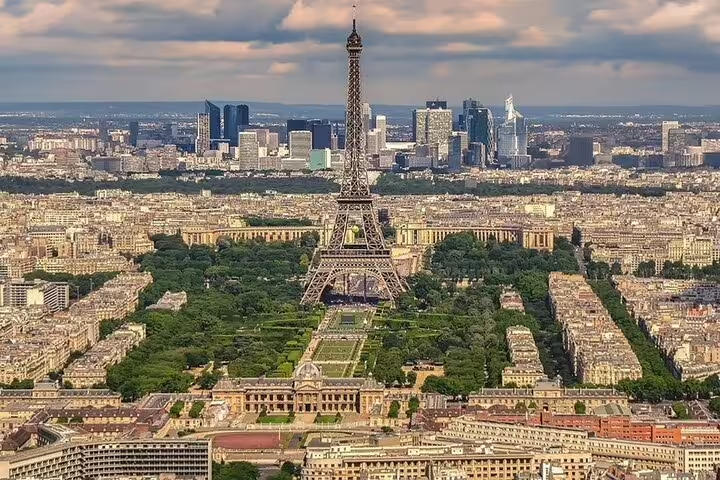
Because it is close to Paris, Fontainebleau can anchor a trip that mixes iconic city sights with regional experiences. That balance helps travelers avoid burnout and gives the itinerary more texture. Practical tip, keep day trip plans flexible, and avoid overpacking your schedule with too many transit heavy days in a row.
Start with the palace and its surrounding grounds to anchor the day in history and architecture. Break for lunch in the town center, then transition into the forest for an afternoon walk, a short hike, or time at a well known bouldering area if that is your focus. Finish with a relaxed café stop or dinner, keeping the evening simple so the day still feels like an escape rather than a checklist.
Day one, focus on the palace experience and the historic center, then settle into a long dinner to lean into the destination’s calm vibe. Day two, dedicate most of the day to the forest, alternating between scenic viewpoints, longer walking routes, and time to observe or try bouldering. If you have a third day, use it for a slower morning in town, food shopping for a picnic, and a final forest loop, leaving in the afternoon with buffer time for transit.
Fresh baguette and viennoiseries
Expect crisp crusts and buttery layers that make breakfast feel like a small event. Ordering tip, go early for the widest selection and the best texture.
French cheeses
Cheese boards can range from mild and creamy to bold and aged, pairing well with local bread and simple fruit. Ordering tip, ask for a mix of textures if you are unsure what to choose.
Charcuterie
Cured meats add a savory, satisfying element to a picnic or casual lunch. Ordering tip, choose a small assortment rather than one large portion if you want variety.
Seasonal produce
Markets and shops often highlight what is best at that moment, which is ideal for travelers planning snacks and picnics. Ordering tip, buy enough for the day, then keep it simple so you do not overpack.
Classic French desserts
Pastries and tarts tend to be balanced rather than overly sweet, with fruit, custard, and chocolate playing the lead roles. Ordering tip, pick one item to share, then return later if you want a second round.
Wine by the glass
A glass of French wine fits naturally with slow evenings and long meals. Ordering tip, ask what pairs best with your main dish if you are unfamiliar with the list.
The town center is walkable, and many visitors enjoy exploring on foot to absorb the small town atmosphere. For reaching forest trailheads or moving between areas efficiently, local transport options and short taxi or ride share trips can help, especially if you are carrying picnic supplies or climbing gear. If you plan to spend significant time in the forest, prioritize comfortable footwear, bring offline maps if your signal is inconsistent, and stay aware of changing light levels so you return before it gets dark.
Paris
Travel time varies by route, and it is the easiest major hub for culture, dining, and iconic landmarks. Reason to visit, world class museums and neighborhoods for a full contrast to the calm of Fontainebleau.
Other Île-de-France towns and countryside
Travel times vary, and nearby areas can add markets, smaller heritage sites, and rural scenery. Reason to visit, a more local view of the region beyond the capital.
Forest focused excursions
Travel time depends on the specific trailhead or sector you choose. Reason to visit, deeper immersion in the landscapes and bouldering culture connected to the Forest of Fontainebleau.
Is Fontainebleau a good day trip from Paris?
Yes, it is commonly visited as a day trip thanks to the proximity to Paris and the mix of culture and nature. Start early so you can combine the palace and the forest without rushing.
How many days do you need in Fontainebleau?
One day covers the highlights, especially if you focus on the palace and a short forest walk. Two to three days is better if you want longer hikes, bouldering time, and slower meals in town.
What is the best season for the forest?
Spring and early autumn are comfortable for walking and outdoor activities, with a balanced feel between weather and crowd levels. Summer offers long daylight, while winter is quieter but requires more flexibility.
Do I need cash, or can I pay by card?
Cards are widely accepted in France, especially for hotels, restaurants, and larger attractions. Carry some cash for small purchases and quick snacks.
Is Fontainebleau suitable if I am not a climber?
Yes, the forest is rewarding for non climbers through walking routes, viewpoints, and picnic spots. The town itself also supports a relaxed cultural visit with cafés and historic atmosphere.