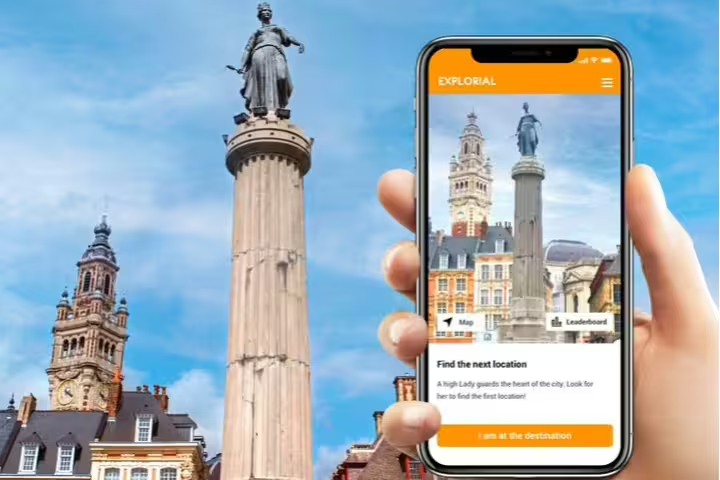
Lille is a high-energy northern French city where Flemish facades, grand squares, and a serious food culture come together in a walkable, design-forward center. It is the kind of place that rewards travelers who like café terraces, museums, and neighborhoods that change character from one street to the next. Use this guide to plan a smooth first trip, prioritize what matters, and build an itinerary that fits your pace.
Lille feels both French and proudly Flemish, with ornate architecture, lively markets, and a student-driven buzz that keeps the city moving late into the evening. The signature vibe is convivial and urban, best experienced on foot between the Grand Place and the old town streets. Go now if you want a city break that is culture-rich, easy to navigate, and packed with restaurants and day-trip options across the region.
Lille sits in northern France in the Nord department, within the Hauts-de-France region, close to Belgium and well positioned for cross-border travel. It is a practical hub for exploring the wider area because it is connected to major rail routes and regional road networks. For planning purposes, think of it as a compact central core with neighborhoods that spread outward in rings, making it easy to mix headline sights with local streets.
Timing in Lille is about balancing atmosphere with comfort. Warmer months tend to amplify terrace culture and long walking days, while cooler months suit museum visits, indoor dining, and a slower pace through historic streets. Shoulder seasons often offer a good middle ground, with fewer crowds than peak periods and enough daylight to enjoy outdoor squares.
France uses the euro, and Lille generally supports card payments widely, especially in restaurants, shops, and museums. Carrying a small amount of cash is still useful for small purchases and market-style stalls. To keep spending predictable, plan one paid highlight per day and fill the rest with free wandering, architecture spotting, and neighborhood cafés.
Explore Vieux Lille
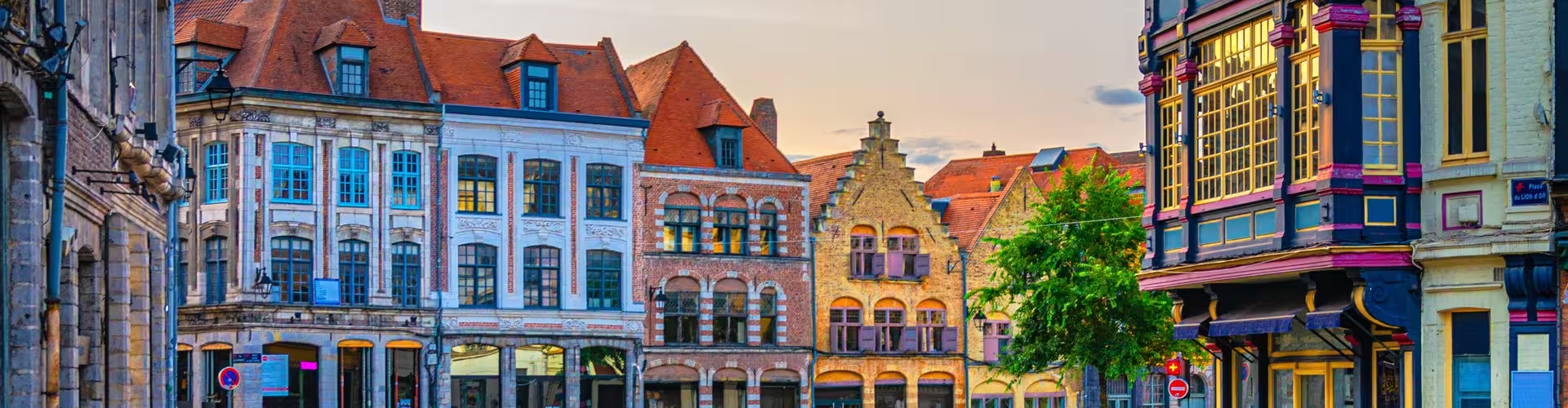
Vieux Lille is the city’s most atmospheric area, known for its tight streets, boutique storefronts, and Flemish-influenced architecture. It is where you feel the city’s layered identity most clearly, especially when you move from quiet lanes to busier café corners. Practical tip, go early in the day for clearer photos and a calmer walk, then return later for a livelier dining scene.
Spend time on the Grand Place
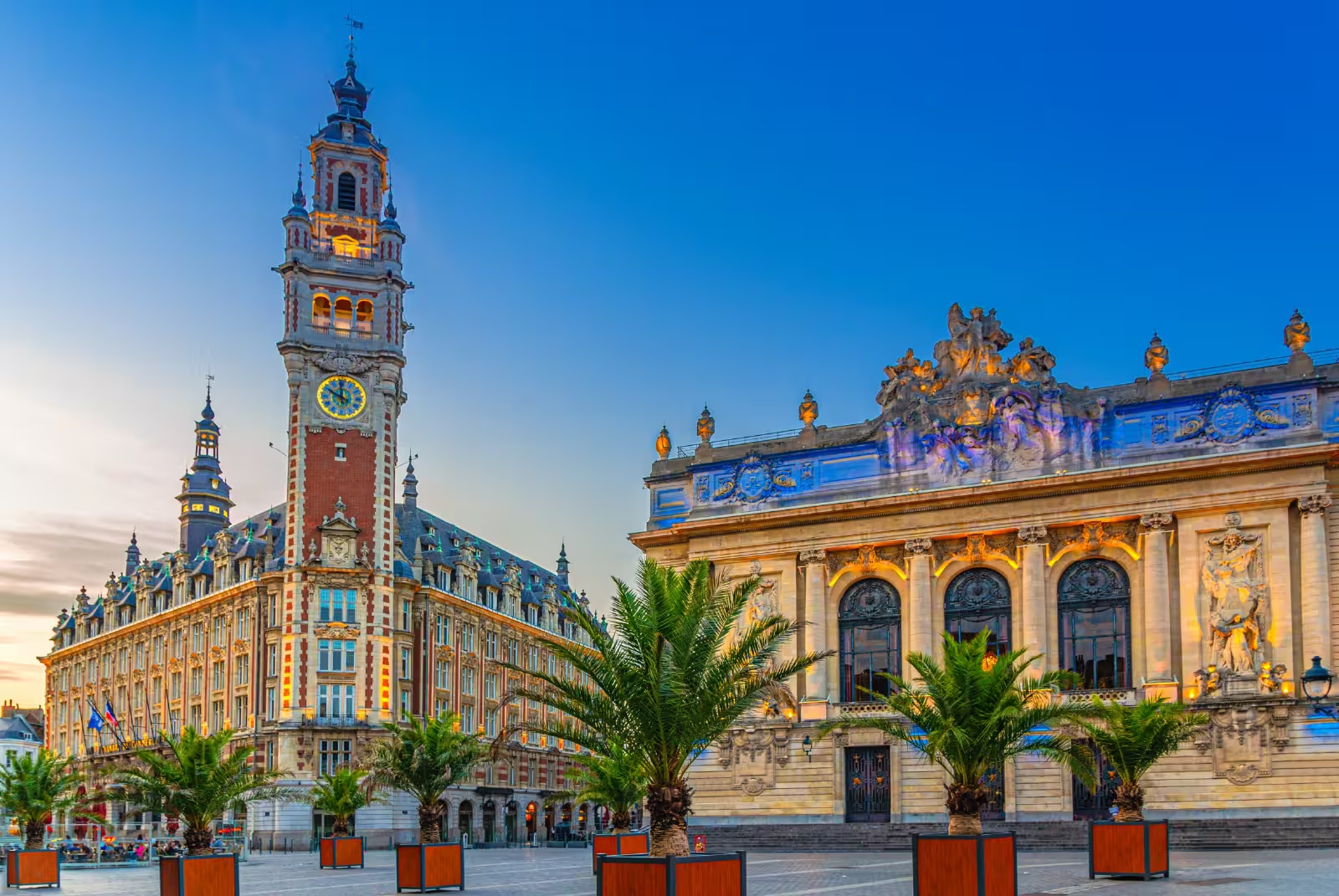
The central square is a natural meeting point and an easy anchor for navigation. It is ideal for people watching and for understanding how Lille functions as a social city, with locals crossing the square as part of daily life. Practical tip, use it as your reset point between activities, and choose a terrace seat to pace your day.
Visit the Palais des Beaux-Arts
This major museum experience adds depth to a city break, especially if you want more than architecture and shopping. A museum visit also helps you build a weather-proof plan, which is useful in northern France. Practical tip, pair it with a nearby café stop so you can break up the visit and avoid museum fatigue.
See the Citadel and green spaces
The citadel area gives you a sense of Lille beyond its historic center, with space to breathe and a different rhythm than the tight old town streets. It is a good counterbalance if your itinerary is heavy on museums and dining. Practical tip, schedule this for midday to reset your legs and bring water if you plan a longer walk.
Browse local markets
Markets are a direct window into regional tastes and everyday life. Even if you are not buying much, browsing helps you understand local ingredients and food traditions that show up on menus later. Practical tip, arrive with a small list, like cheese, pastries, or seasonal produce, so you can shop with purpose and avoid impulse overload.
Take in local beer and estaminet culture
The region’s Flemish roots show up in warm, convivial dining rooms and a strong beer culture. An estaminet-style meal is less about fine dining and more about comfort, conversation, and hearty plates. Practical tip, go with a small group if you can, since sharing makes it easier to sample several dishes.
Plan a day trip using Lille as a base
Lille is well positioned for exploring nearby towns and regional highlights, which makes it ideal for travelers who like variety. A day trip adds contrast, whether you want more history, different architecture, or a change of pace. Practical tip, decide your day trip before you arrive so you can build your itinerary around travel time and avoid last-minute decision stress.
Photograph Flemish architecture details
The city rewards slow travel, especially if you pay attention to facades, gables, and decorative stonework. Turning architecture into a mini theme gives your day structure without requiring timed tickets. Practical tip, follow one neighborhood at a time, and look up often, the best details are above street level.
Start in the historic core with a morning walk through Vieux Lille, then drift toward the Grand Place to orient yourself and pick a café for a short break. Midday, prioritize one major cultural stop, such as the Palais des Beaux-Arts, to ground the trip in art and history. End with an early evening stroll and a hearty local dinner, keeping your route compact so you spend more time enjoying and less time commuting.
On day one, focus on the old town streets, the main square, and a relaxed meal that introduces you to regional flavors. On day two, add a museum or two, then balance the day with the citadel area and green spaces for a different perspective on Lille. If you have a third day, use it for a day trip, or go deeper into neighborhoods and markets, building your schedule around long lunches and unhurried browsing.
Carbonnade flamande
A slow-cooked beef stew with a rich, malty depth that reflects the region’s beer culture. Ordering tip, ask what it is served with so you can plan your appetite, it is often filling.
Welsh
A comforting, cheese-forward dish that leans hearty and indulgent, suited to cooler weather and long walking days. Ordering tip, consider sharing if you want to keep room for dessert.
Moules-frites
A classic pairing that feels casual and celebratory at the same time, with briny mussels and crisp fries. Ordering tip, check the sauce style offered, then match your drink choice accordingly.
Gaufre lilloise
A local waffle style that typically reads sweet and snackable, perfect for an afternoon break between neighborhoods. Ordering tip, buy one when you plan to keep walking, it travels well and fits a day on foot.
Maroilles-based dishes
This regional cheese is known for its strong aroma and bold flavor, often appearing in baked or melted preparations. Ordering tip, if you are unsure, start with a dish where it is blended into a sauce, which can feel more approachable.
Local beers
Beer is part of the region’s identity, and sampling a few styles helps you understand the Flemish influence on local tables. Ordering tip, ask for a recommendation based on whether you prefer something light, bitter, or malty.
Lille is highly walkable in the center, and walking is often the best way to catch architectural details and find small shops and cafés. Public transport is useful when you want to connect neighborhoods efficiently or give your legs a break, especially if your itinerary includes parks or outer areas. Use standard city travel habits, keep valuables secure in busy areas, and plan comfortable shoes since cobbled streets can add fatigue over a full day.
Belgian border towns
Short cross-border escapes are one of the most compelling reasons to use Lille as a base. The main appeal is a shift in architecture, food, and cultural atmosphere. Travel time varies by destination, so choose one place and commit to it rather than trying to stack multiple stops.
Regional towns in Hauts-de-France
Smaller towns can deliver a calmer pace and a more local lens on northern France. The draw is often heritage streetscapes and regional dining without big-city crowds. Plan around train or road time and keep your schedule light so the day still feels restful.
World War heritage areas
The wider region includes sites connected to major historical events, which can add emotional depth to your trip. These visits work best when you give them time and approach them thoughtfully. If you go, build in a quiet meal afterward to decompress and reflect.
Walking is the easiest option for the historic core, since many highlights sit close together. Public transport helps when you want to connect to greener areas or outer neighborhoods without adding extra steps.
One day covers the headline sights and the main squares at a fast pace. Two to three days lets you add museums, markets, and a day trip while keeping the trip relaxed in Lille.
Card payments are widely accepted in shops, restaurants, and attractions. Keep a small amount of cash for small purchases and market-style stalls.
Warmer months suit terrace dining and long walking days, while cooler months are great for museums and hearty regional food. Shoulder seasons often balance manageable crowds with comfortable sightseeing.
Yes, Lille is well positioned for exploring the region and nearby cross-border destinations. Choose one day-trip target per day to keep travel time from taking over your itinerary.