Nord is a characterful corner of northern France where big city energy meets coastal light, battlefield history, and a food culture built for hearty appetites. For travelers planning a practical, experience-led trip, Nord rewards you with walkable city breaks, museum-grade heritage, and easy connections across the wider Hauts-de-France area. This guide focuses on what to do, how to plan, and how to move around confidently so you can spend more time exploring and less time troubleshooting.
Nord feels grounded and lively, with a signature vibe shaped by Flemish-influenced architecture, café culture, and a proud local identity. It is a strong choice right now if you want France beyond the usual circuits, with plenty to do in cities and quick escapes to the coast and countryside. Expect a mix of culture, comfort food, and meaningful history, all within a region that is designed for short, efficient hops between places.
Nord sits in the Hauts-de-France region, close to Belgium and within reach of major northern European routes. The department’s main urban anchor is Lille, which often functions as the practical gateway for arrival, onward rail connections, and day trip planning. For international access, travelers typically route via large regional transport hubs, then connect onward by train or road into the department.
Seasonality in Nord is defined by cooler temperatures than southern France and changeable weather that can shift quickly. Late spring and early autumn often balance comfortable sightseeing conditions with manageable crowd levels, especially for city walking and museum visits. Summer brings longer daylight and a more outdoorsy feel for coastal and countryside time, while winter emphasizes indoor culture, cafés, and a slower pace that suits travelers who prefer fewer visitors.
France uses the euro, and travelers in Nord can generally rely on card payments for day-to-day spending, especially in cities and larger towns. Keeping some cash is still useful for small purchases, markets, and quick snacks, particularly in more local settings. To stay on budget, prioritize walkable clusters of sights, group activities by neighborhood, and plan day trips with transport in mind so you avoid last-minute, higher-cost decisions.
1) Explore Lille’s historic core
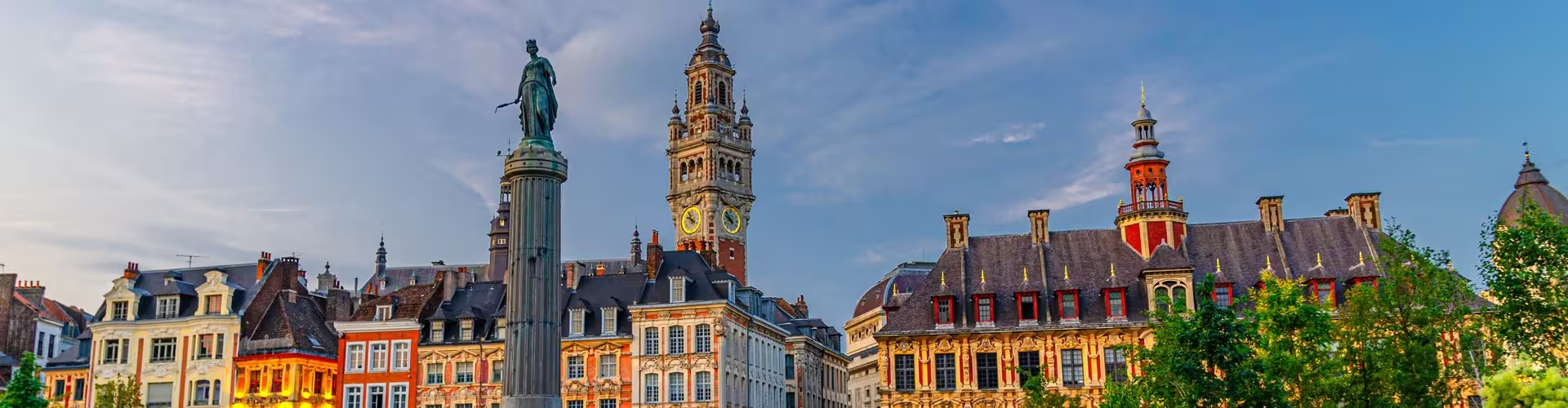
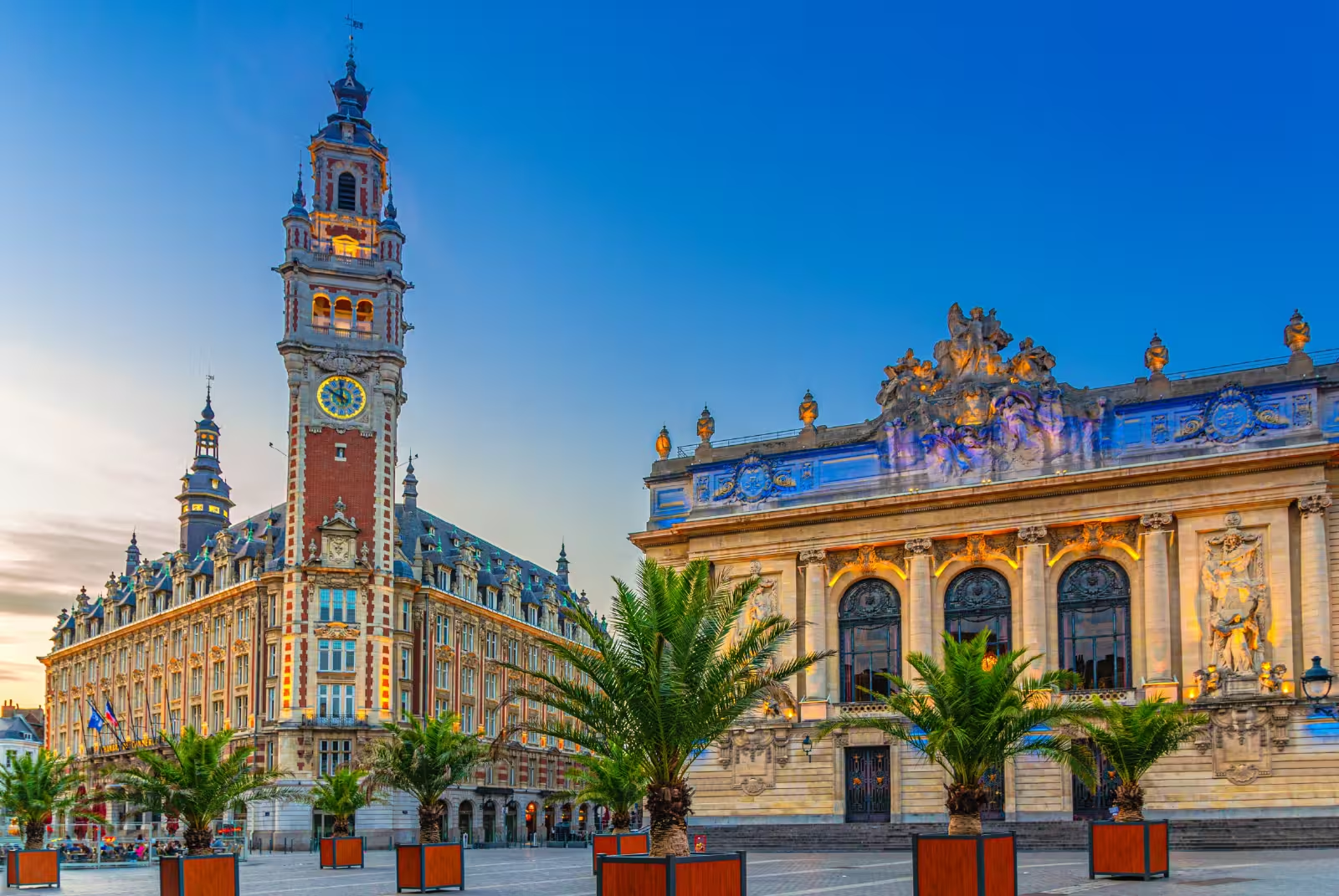
Lille is a natural starting point for understanding the personality of Nord, with streets that showcase Flemish-influenced façades and a café-first rhythm. The compact center makes it easy to combine architecture, shopping streets, and relaxed people-watching in one outing. Practical tip, start early for calmer streets and save a second pass for evening when the city feels more social.
2) Seek out regional museums and heritage collections
Cultural institutions in Nord help connect the dots between local industry, borderland identity, and the art and design traditions of the wider region. Museums are also a smart option when the weather shifts, which is common in northern France. Practical tip, plan one major museum per day and pair it with a nearby neighborhood walk so the day stays balanced.
3) Spend time on the Opal Coast
Nord sits within easy reach of the windswept Opal Coast, known for wide horizons and a bracing seaside atmosphere. Coastal time adds contrast to city days, especially if you like scenic walks and fresh air. Practical tip, bring a windproof layer and aim for golden hour when the light flatters the shoreline.
4) Visit World War heritage sites
Northern France holds deeply significant World War landscapes and memorial culture, and Nord works well as a base for thoughtful visits. These places are not just landmarks, they are quiet, reflective spaces that add depth to your trip. Practical tip, read a short background summary before you go so the visit feels contextual rather than checklist-based.
5) Browse local markets for everyday Nord flavor
Markets are one of the quickest ways to understand what people actually eat and how locals shop in Nord. They are ideal for casual tastings, picnic supplies, and low-pressure conversations with vendors. Practical tip, go earlier for the best selection, then build a picnic around bread, cheese, and seasonal produce.
6) Follow a beer and café culture trail
This part of France is strongly connected to a northern European beer tradition, and Nord often feels more beer-forward than wine-forward in everyday settings. A café hop gives you a sense of local social life and helps you pace an itinerary without overplanning. Practical tip, order one local beer and one non-alcoholic drink across two stops to keep it comfortable and sustainable.
7) Take an architecture walk beyond the postcard streets
Nord rewards travelers who step outside the obvious central squares to see how neighborhoods evolved through trade, industry, and rebuilding. Even a short self-guided loop can reveal details in brickwork, signage, and street layouts that signal local history. Practical tip, choose one theme, such as façades, churches, or industrial heritage, and keep your route simple.
8) Plan a relaxed countryside half day
Between towns, Nord offers a softer pace that suits travelers who want to reset between museums and city streets. A countryside pause is also a good way to experience local dining at a more unhurried tempo. Practical tip, pair this with a longer lunch and a short walk, rather than trying to stack multiple stops.
Base your day in Lille for maximum efficiency, starting with a morning walk through the historic center to get oriented and spot architectural details. Add a museum or heritage visit around midday to anchor the story of the region, then take a long lunch in a classic brasserie style setting. Finish with a market browse or café hop, and keep the evening open for a second loop through the center when the streets feel more animated.
Day one stays city-focused, with Lille’s core, a major museum, and a neighborhood walk that goes beyond the main squares. Day two adds contrast, choose either a coastal day on the Opal Coast for wind-and-light scenery, or a heritage-heavy day that includes World War context and quieter memorial spaces. If you have a third day, use it for a slower countryside rhythm, market shopping, and a meal built around regional comfort dishes so the trip ends with flavor and calm.
Carbonnade flamande
A slow-cooked beef stew with a deep, malty richness that reflects the local beer tradition. It is warming and ideal after a long walking day. Ordering tip, ask what it is served with so you can choose a heartier or lighter side.
Welsh
A famously indulgent dish built around melted cheese and bread, often served as a satisfying plate in casual dining spots. The flavor is savory and rich, designed for comfort rather than subtlety. Ordering tip, consider sharing if you plan more tastings later the same day.
Moules frites
Mussels with fries are a northern classic, especially when you are close to the coast or in brasserie culture. Expect a clean, sea-salty profile with sauces that vary by kitchen. Ordering tip, ask the server which preparation is most popular that day.
Flemish-style waffles
These lean toward caramelized sweetness and a satisfying bite, making them great with coffee during an afternoon break. They are easy to carry if you are moving between neighborhoods. Ordering tip, buy one on the go and save it for a scenic pause rather than eating it while rushing.
Local cheeses
Cheese culture here is a practical way to build a picnic and sample regional identity in one sitting. Profiles range from gentle to assertive, depending on what you choose. Ordering tip, ask for a small mixed selection and request guidance on what to eat first.
Regional beers
Beer is a key thread in the everyday food scene of Nord, often tied to local brewing traditions. Styles can range from light and refreshing to darker and more malty. Ordering tip, ask for a local recommendation and specify whether you prefer something crisp or something fuller.
In the main city areas, walking is often the most enjoyable way to connect sights, especially in historic centers where the atmosphere is part of the experience. For longer distances, trains and local public transport help you stitch together a multi-stop itinerary without needing a car, particularly if you plan day trips from a central base. Ride services and taxis can be useful for late evenings or when weather turns, and they are also helpful if you are traveling with luggage. For safety and comfort, keep an eye on changing weather, dress in layers, and prioritize well-lit routes at night, just as you would in any busy European city.
Opal Coast
A strong choice for scenery, fresh air, and wide-open coastal walks. Travel time varies by your base, so plan it as a full day to keep the pace relaxed. The main reason to go is the dramatic light and shoreline atmosphere.
Belgian border towns
The proximity to Belgium adds an easy cross-border feeling to a trip in Nord, with subtle shifts in architecture and food culture. Travel times depend on your starting point and border destination, so check connections in advance. The main reason to go is the cultural contrast without a long journey.
World War remembrance landscapes
Sites linked to wartime history offer meaningful context and a quieter, reflective travel experience. Plan transport carefully and give yourself time on site rather than rushing through. The main reason to go is historical understanding and respectful remembrance.
Countryside villages and rural dining
Rural areas provide a slower counterpoint to city breaks, with a focus on long meals and gentle walks. Travel time depends on which village you choose and whether you go by public transport or car. The main reason to go is to experience everyday regional life at an unhurried pace.
Is Nord a good base for exploring northern France?
Yes, because it connects city culture with easy access to coastline, countryside, and heritage sites. It works especially well if you want to combine short travel times with varied day plans.
How many days do I need in Nord?
One day covers key city highlights, especially if you focus on a single base like Lille. Two to three days gives you time to add the coast or a heritage-focused day trip without rushing.
What is the best way to get around in Nord without a car?
Use walking for historic centers and public transport for longer hops between neighborhoods and nearby towns. Plan day trips with transport connections in mind, and keep a taxi option for late evenings or bad weather.
What should I pack for a trip to Nord?
Pack layers, comfortable walking shoes, and a windproof or rain-ready outer layer. This helps you stay comfortable across city walking, coastal breezes, and changeable conditions.
When is the best time to visit Nord for fewer crowds?
Late spring and early autumn often balance pleasant sightseeing conditions with a calmer feel. Visiting Nord in winter can also be quieter, with a stronger focus on museums and cozy dining.