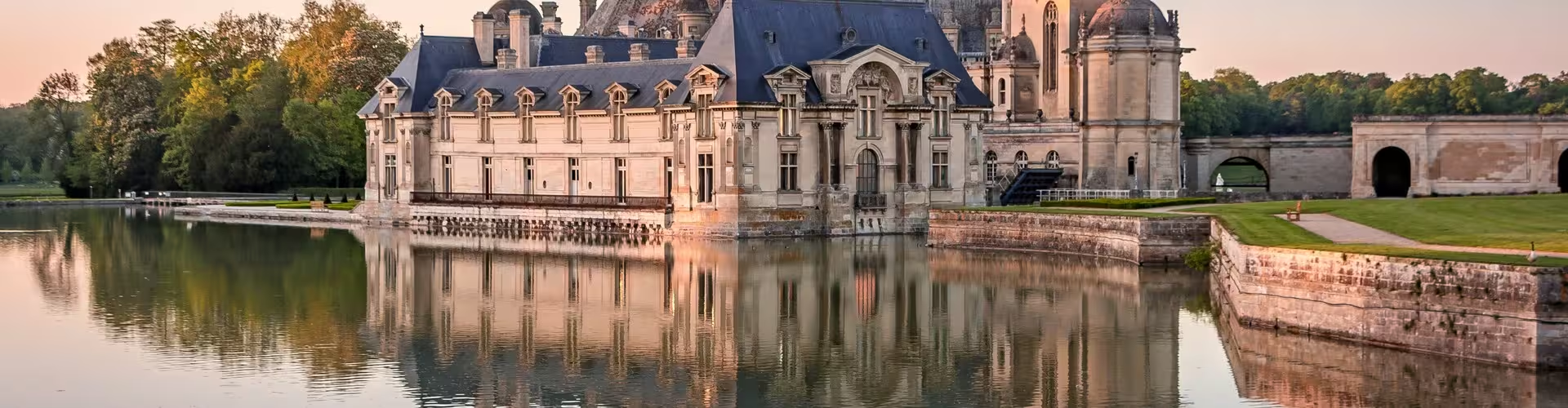
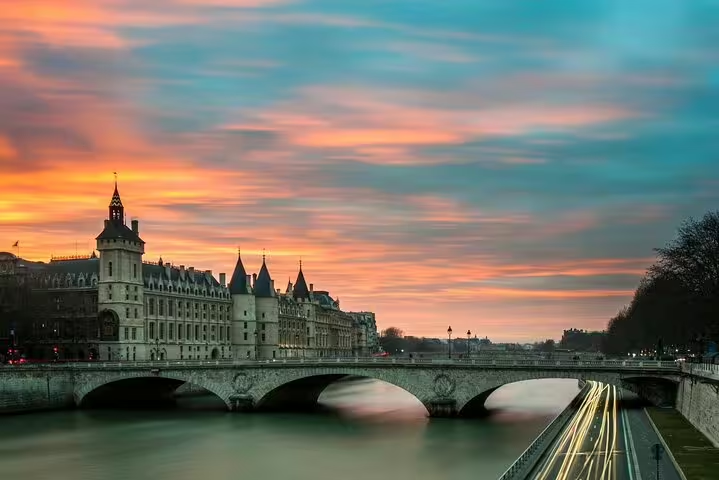
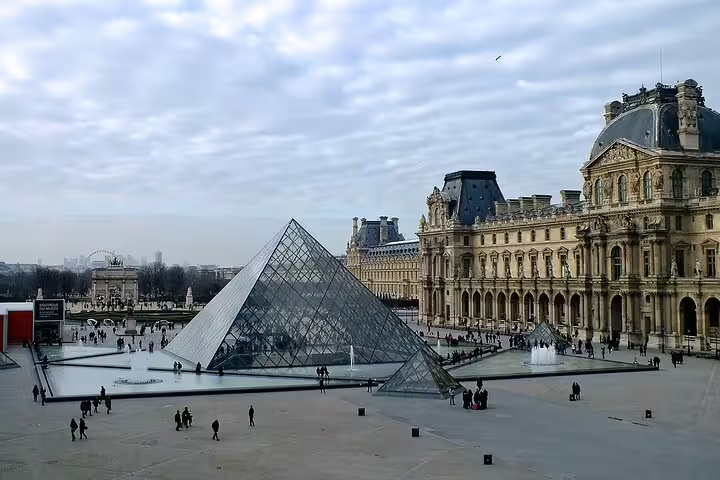
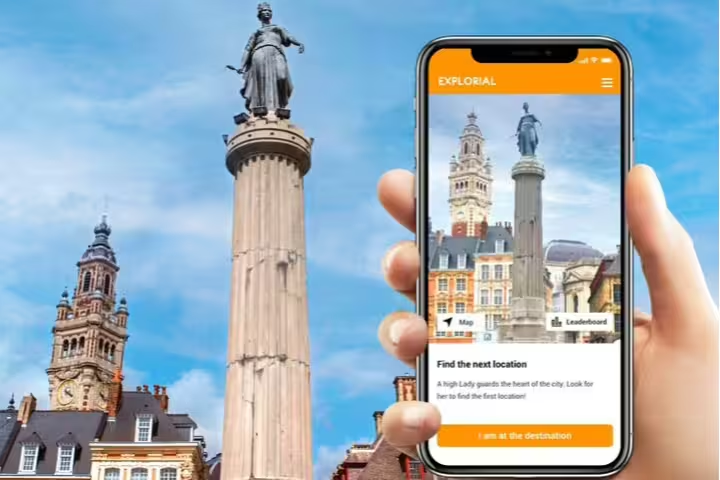
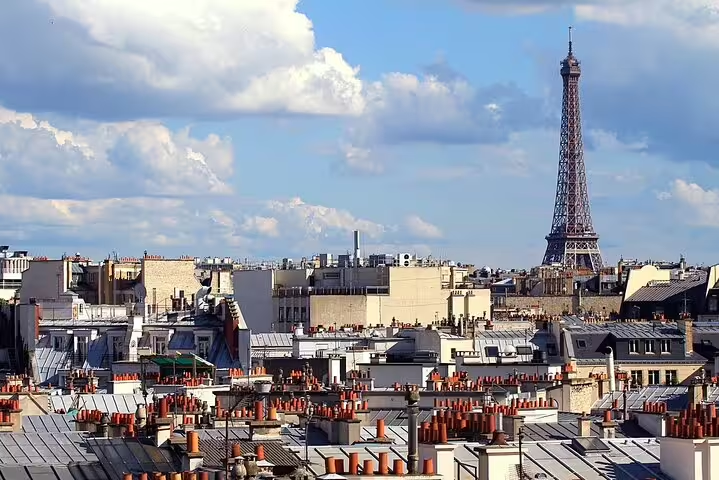
Hauts-de-France Region is a northern France destination where big history, coastal air, and proud local food culture meet in a compact, easy-to-navigate area. It suits travelers who want cathedral cities, World War heritage, and seaside walks without the pressure of a single mega-city itinerary. Expect a grounded, friendly vibe, with experiences that reward curiosity, good walking shoes, and a flexible plan.
Hauts-de-France Region feels energetic and authentic, shaped by borderland history, port life, and a strong sense of place. Go for the mix of culture and coastline, plus the satisfaction of seeing major landmarks with a practical, short-travel-time rhythm. It is especially appealing if you want a France trip that balances renowned sites with everyday local atmosphere.
Hauts-de-France Region sits in northern France, positioned for easy connections to major hubs and nearby countries. The region’s geography makes it ideal for combining city breaks with coastal time, since urban centers and seaside areas can often be paired in the same trip. For planning, think in clusters, a city base for museums and dining, then outward trips for beaches, memorial landscapes, and smaller towns.
Seasonality in northern France typically means cooler conditions and changeable skies compared with the south, and that can shape your packing and pacing. Warmer months tend to support long walking days, outdoor markets, and coastal time, while cooler months can be better for museums, food-focused weekends, and quieter streets. If you prefer fewer crowds, aim for shoulder periods and build your itinerary around indoor highlights with flexible outdoor windows.
France uses the euro, and the region is generally straightforward for card payments in cities and larger towns. Carry a small amount of cash for smaller purchases and backup, especially if you are browsing markets or stopping in small villages. For budgeting, keep a buffer for transport, museum entries, and one or two special meals, then balance it with simple lunches and bakery stops.
Secondary & Long-tail focus: things to do in Hauts-de-France, Hauts-de-France itinerary, best places to visit in Hauts-de-France, Hauts-de-France beaches, Hauts-de-France food, Hauts-de-France day trips, how to get around Hauts-de-France
1) Cathedral and Old Town Walk
A cathedral city anchors the region’s sense of scale and history, and a slow walk through the old streets is the quickest way to understand local life. Look for small squares, independent shops, and viewpoints that reveal the city’s layers. Practical tip, start early for calmer photos and plan a warm drink stop if the weather turns.
2) Coastal Promenade and Beach Time
The coastline is a signature contrast to the inland towns, with sea air, wide horizons, and a restorative pace. Coastal walks are as much about the atmosphere as the scenery, especially when the light changes quickly. Practical tip, pack a windproof layer and choose a route that lets you turn back easily if conditions shift.
3) World War Heritage Landscapes
The region’s memorial sites and battlefield landscapes add depth to a trip, offering quiet spaces for reflection and a clearer understanding of European history. These places often feel more powerful when you slow down and read the context on-site. Practical tip, plan one major heritage visit per day, then pair it with a lighter activity like a market or café stop.
4) Local Markets and Food Hall Browsing
Markets are a practical and cultural experience, good for tasting local products and seeing everyday rhythms. Even without buying much, you learn what people cook, what is seasonal, and what flavors define the area. Practical tip, go mid-morning for the best balance of variety and manageable crowds.
5) Museum Afternoon for Regional Identity
A museum visit is a smart way to handle unpredictable weather while adding context to what you see on the streets. Focus on collections that explain regional industry, art, or maritime life, depending on where you base yourself. Practical tip, keep your schedule light after the museum so you can linger if an exhibit surprises you.
6) Scenic Cycling or Greenway Stroll
A gentle ride or long walk outside the city center shows the region’s open spaces and everyday landscapes. It is an easy way to reset between urban stops and heavier historical visits. Practical tip, check your route for services and bring water, since quieter stretches can feel more rural.
7) Architectural Photo Walk
Northern France architecture can shift quickly from medieval textures to industrial heritage and modern rebuilds, and that variety makes for a strong photo day. Use your camera to slow down and notice details like façades, brickwork, and street patterns. Practical tip, pick a single neighborhood or district and explore it deeply rather than rushing across town.
8) Evening Bistro Culture
An evening meal is where the region’s warmth shows, and it is also the easiest way to taste local specialties in context. A relaxed bistro pace suits travelers who want conversation, comfort food, and a sense of place. Practical tip, reserve ahead on weekends, and ask what the house specialty is if you want a regional pick.
Start with a morning old town and cathedral walk, then follow with a market browse for an easy lunch plan. Spend early afternoon in a museum to lock in regional context, then move to a photo-friendly architectural route as the light improves. Finish with a coastal or waterfront stroll if your base allows it, then settle into a bistro dinner focused on Hauts-de-France food and seasonal specials.
Day one, build your foundation with the main city center, cathedral zone, and a museum afternoon, then a relaxed evening meal. Day two, dedicate time to the coast, pairing a long promenade with a second stop for a different perspective, such as a harbor area or a quieter stretch of sand that fits your pace and weather. Day three, choose a heritage landscape day for deeper historical understanding, then return to town for a final market visit and a low-key neighborhood walk that prioritizes cafés, small shops, and street life.
1) Hearty stews and slow-cooked dishes
Expect warming flavors and rich textures that suit cooler weather and long walking days. Ordering tip, ask what is most typical of the house, then pair it with a simple side to keep the meal balanced.
2) Regional cheeses
Cheese culture is part of everyday dining, often served as a course or included in casual plates. Ordering tip, choose a small selection if you want variety, and ask for a local option when available.
3) Seafood along the coast
Coastal menus often highlight fresh, briny flavors with straightforward preparations that let ingredients lead. Ordering tip, pick a place with a busy dining room, then ask what is best that day.
4) Bakery classics
Bakeries are a reliable travel tool for breakfast, snacks, and budget-friendly lunches. Ordering tip, go early for the fullest choice, and build a simple picnic if your day includes parks or beach time.
5) Seasonal vegetables and market plates
Market-driven dishes tend to feel lighter and more vibrant, a good counterpoint to richer regional comfort foods. Ordering tip, ask what is in season right now and choose that for the most local experience.
6) Local beers or cider-style drinks
Northern France often leans into casual, food-friendly drinks that pair well with hearty dishes. Ordering tip, start with one regional option and note what locals are drinking at nearby tables.
For many travelers, the simplest approach is to choose one main base, then add outward trips for coast and heritage sites. Within cities, walking is often the most rewarding option for old town areas, while public transport can help connect districts efficiently. For day trips, trains and regional connections can reduce stress, and a car can help if your plan includes rural stops, coastal flexibility, or multiple sites in one day. Keep safety basics in mind, stay aware in crowded transit areas, and plan accessible routes if you have mobility needs by prioritizing flatter promenades and shorter walking loops.
1) Coastal towns and beaches
Travel time varies by base, but many coastal options can work as a day trip. The reason to go is the shift in pace, sea air, and long horizon views that reset your trip rhythm.
2) Memorial landscapes and museums
These trips are about context and reflection, and they add meaning to the region’s modern identity. Plan enough time to read exhibits and signage rather than rushing for photos.
3) Smaller historic towns
A smaller town day can deliver a calmer version of the region, often with charming streets and a strong local feel. Go for a long lunch, a slow walk, and a few carefully chosen sights.
4) Nature walks and green corridors
If you want a break from city energy, a nature-focused day supports gentle movement and fresh air. Choose routes that match your fitness level, and keep an eye on weather changes.
What is the best way to plan a short trip?
Choose one base city and group your days by theme, one day for city culture, one day for the coast, and one day for heritage or smaller towns. This keeps travel time manageable and makes the trip feel fuller.
Do I need a car to explore?
You can cover many highlights with a mix of walking, local transport, and trains, especially if you keep to major towns. A car helps most if your plan includes rural nature routes or multiple coastal stops in one day.
When is a good time to visit for fewer crowds?
Shoulder periods can feel calmer while still offering a complete experience. Build flexibility into your schedule so you can swap outdoor time with museums if weather changes.
What should I pack for the coast?
Bring layers, comfortable walking shoes, and a windproof outer layer. Even mild days can feel cooler near the water, especially during long promenades.
Is the Hauts-de-France Region good for a mix of history and food?
Yes, Hauts-de-France Region combines heritage landscapes, museums, and city architecture with a strong everyday food culture. Plan at least one market visit and one bistro dinner to taste the region beyond the main sights.
How many days do I need in the Hauts-de-France Region?
For a first trip, two to three days lets you combine a city center, a coastal day, and one deeper heritage or small-town excursion. Hauts-de-France Region also works well as a longer base if you prefer slower travel and more day trips.