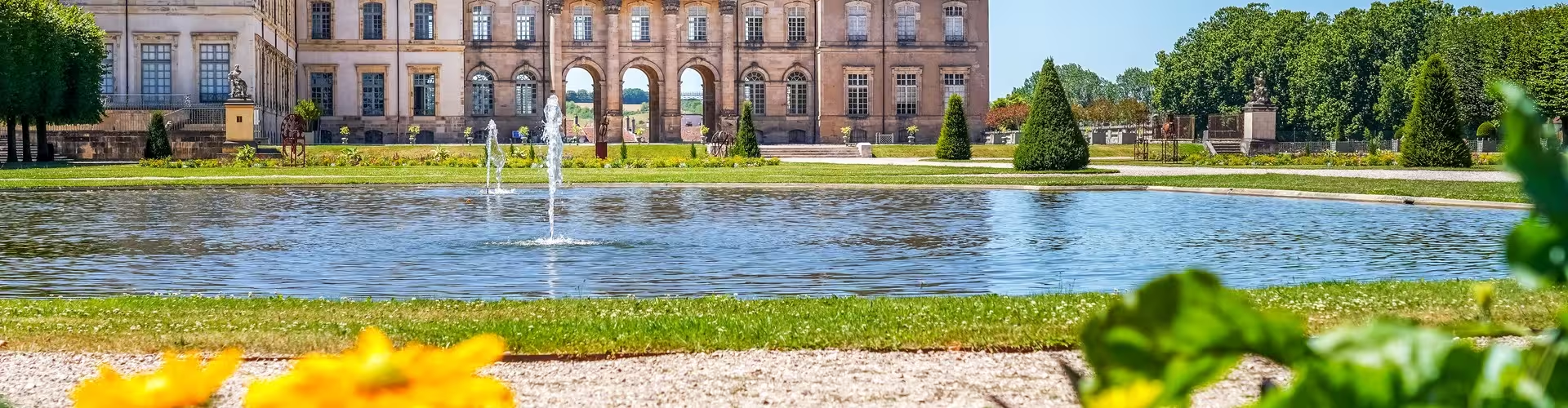
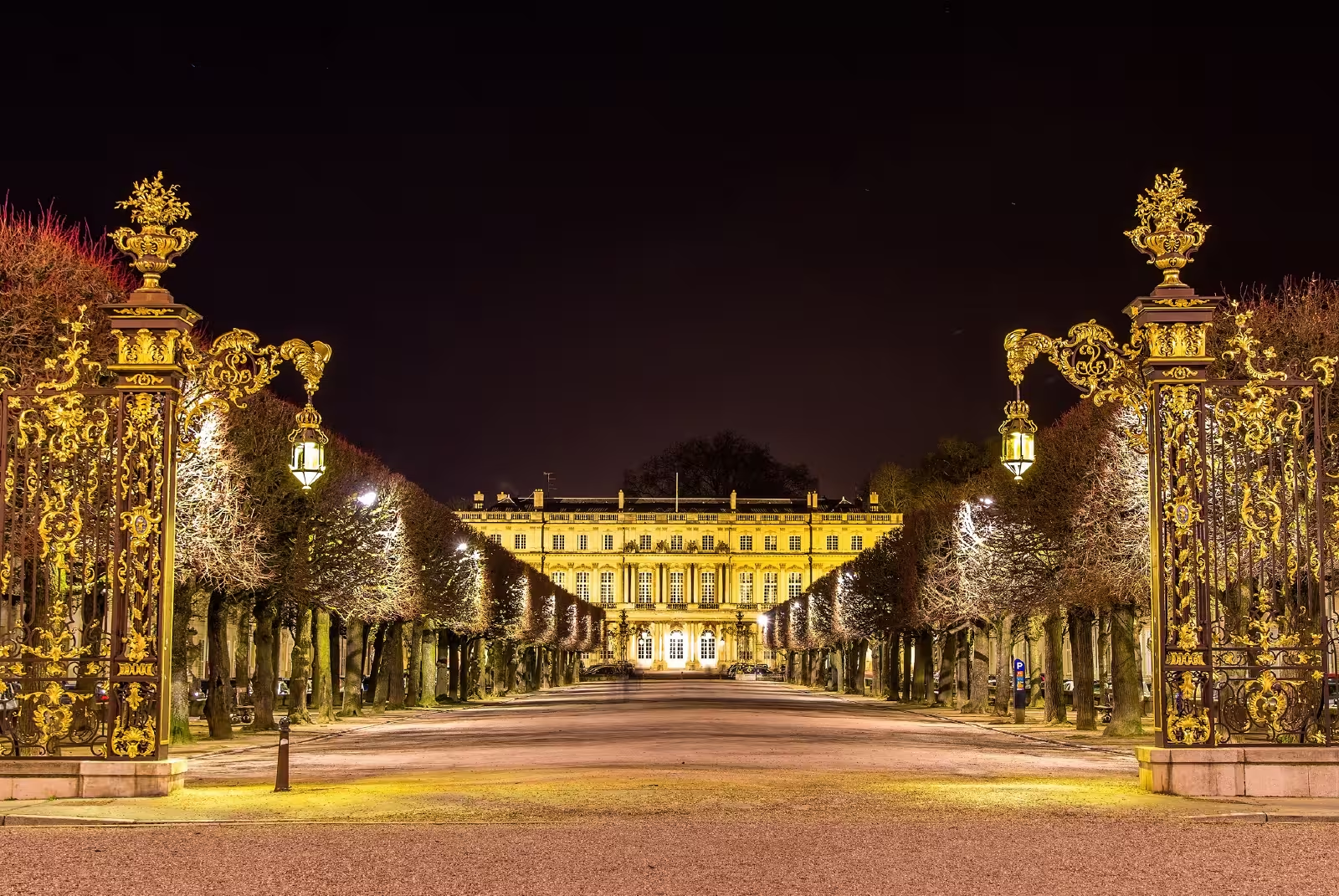
Meurthe-et-Moselle blends elegant city life with river landscapes and industrial heritage, creating a destination that feels both cultured and quietly authentic. This part of the Grand Est is shaped by the Moselle and Meurthe rivers, with Nancy as a natural anchor for art, architecture, and day trip variety. Use this guide to plan a trip that balances landmark sights with local flavors, practical routing, and time-smart choices across Meurthe-et-Moselle.
Meurthe-et-Moselle is a smart pick for travelers who want a refined French city break with easy escapes into smaller towns and green river corridors. The signature vibe is Art Nouveau elegance meeting working history, with a pace that rewards slow wandering and café pauses. Go now if you want a destination that feels well-connected yet less pressured than headline regions, especially when you plan around seasonal crowd patterns.
Meurthe-et-Moselle sits in the Grand Est region in northeastern France, positioned for cross-regional touring and multi-stop itineraries. Nancy is a key hub for the department, and it works well as a base for exploring nearby towns and countryside. For gateways, prioritize major regional transport hubs and rail connections that link Grand Est cities, then use local transit and short rides to reach smaller stops.
Expect the most comfortable sightseeing during milder seasons when walking routes and outdoor squares feel at their best. Warmer periods can be ideal for long café sits and evening strolls, while cooler months suit museum time and indoor culture. Crowd levels tend to concentrate around weekends and school holiday windows, so plan early starts for popular areas and keep a flexible indoor backup plan.
France uses the euro, and you can generally plan on card payments for most everyday purchases, with some cash useful for small transactions. Build a budget that reflects your travel style, with a buffer for spontaneous tastings, guided visits, and local shopping. A practical approach in Meurthe-et-Moselle is to mix one or two “splurge” meals with casual bakeries and market-style bites to keep costs balanced.
Explore Nancy as a base
Nancy is the cultural heartbeat for many trips through Meurthe-et-Moselle, offering a concentrated mix of architecture, museums, and lively streets. It is a great place to settle in, adjust to the local rhythm, and build day trips without constant hotel changes. Practical tip, plan your first walk as a simple loop that connects a central square, a park, and a museum, then refine the rest of your itinerary from what you enjoy most.
Seek out Art Nouveau details
Art Nouveau is part of the region’s visual identity, and spotting it turns an ordinary walk into a themed treasure hunt. Look for curved ironwork, floral motifs, and decorative façades that reflect a period of artistic confidence. Practical tip, bring a zoom-capable camera setting on your phone to capture upper-level details that are easy to miss at street level.
Follow the riverside atmosphere
The Meurthe and Moselle shape local geography and daily life, and riverside time adds calm between cultural stops. A simple stroll near the water can reset your pace, especially after museum-heavy mornings. Practical tip, aim for late afternoon light for photos, then transition into dinner nearby to avoid backtracking.
Build a “square to café” routine
A classic way to experience northeastern French cities is to anchor your day around a landmark square and a reliable café. It creates a predictable rhythm for navigation, breaks, and people-watching. Practical tip, choose one café as your repeat stop, it saves decision fatigue and helps you learn the area quickly.
Visit local museums for context
Museums help connect the region’s artistic identity with its industrial and civic history, which is essential for understanding the character of Meurthe-et-Moselle. Even a short visit can add meaning to what you see on the streets. Practical tip, schedule museums for midday when outdoor walking feels less appealing, then return to open-air sightseeing later.
Take a day trip to smaller towns
Beyond the main hub, smaller towns and villages offer a more intimate pace and a strong sense of place. This is where you can notice local habits, quieter streets, and regional food traditions with fewer distractions. Practical tip, travel early, keep lunch flexible, and plan one “anchor” sight so the day feels structured without being rushed.
Shop for regional specialties
Food gifts and pantry items are an easy way to take the trip home with you, and they often reflect local identity more than souvenirs do. Look for products that travel well and fit your packing plan. Practical tip, carry a foldable tote and pack fragile items in the middle of your luggage with soft layers around them.
Plan a photo walk with a theme
A themed walk makes your time feel intentional, whether you focus on doors and balconies, street typography, or river reflections. It also nudges you into side streets you might otherwise skip. Practical tip, set a time limit and a boundary area, then end at a bakery or café so the walk has a satisfying finish.
Start in Nancy with a morning walk that prioritizes major architectural landmarks and a quick museum stop for context. Break for a relaxed lunch, then spend the afternoon on an Art Nouveau focused stroll and a riverside reset. Finish with an early evening café pause and a dinner plan that keeps you central, so you do not lose time on transit.
Day 1, use Nancy as your orientation day with a balanced mix of architecture, museum context, and a slow evening. Day 2, add a day trip to a smaller town, then return for a second neighborhood-style walk that prioritizes markets, bakeries, and street details. Day 3, keep flexible, use it for another short excursion or a deeper cultural focus, depending on weather and energy levels.
Quiche Lorraine
Rich, savory, and comforting, this regional classic is built around a silky egg base and a deeply satisfying salty note. It works well for a quick lunch or a light dinner with salad. Ordering tip, ask for it “chaude” if available, then pair it with something crisp and fresh on the side.
Madeleines
These small cakes are tender and lightly sweet, ideal with coffee or tea during an afternoon break. Their simple flavor makes them a reliable choice when you want something not too heavy. Ordering tip, buy a small portion first, then return for a larger pack if you want gifts.
Mirabelle plum specialties
Mirabelle is a signature fruit in the broader area, often appearing in desserts, jams, and sweet treats. Expect a honeyed fruit character with a bright finish. Ordering tip, look for mirabelle in seasonal pastries, then choose shelf-stable jams for travel-friendly souvenirs.
Local bakery tartes
Fruit tarts and custard-based slices are a practical way to sample local baking without committing to a full dessert service. They balance buttery pastry with fresh toppings and a clean sweetness. Ordering tip, point to what you want at the counter, then ask for it to take away if you are heading to a park or riverside spot.
Cheese and charcuterie boards
A shared board is an efficient way to taste a range of flavors while keeping the meal social and flexible. It also pairs well with a slower evening pace after a walking-heavy day. Ordering tip, ask for a mixed board to sample variety, then note what you like for shopping later.
Plan to do a lot on foot in central areas, especially in Nancy, where walking helps you notice architectural details and move at a pleasant pace. For longer hops between towns, combine rail links and local connections, then use short taxi or ride options when timing matters. If you have limited mobility, prioritize a hub-and-spoke plan with fewer accommodation changes and build in rest stops at cafés and parks.
Smaller towns in Meurthe-et-Moselle
Short day trips can shift the mood from city energy to local calm, with quieter streets and a more intimate sense of daily life. Travel time varies by route and connection style, so plan one main goal for the day and keep the rest flexible. Primary reason to visit, atmosphere and a slower pace that complements Nancy.
Nearby Grand Est cities
The wider Grand Est region offers easy add-ons that expand your cultural and culinary range. These trips work well if you want to compare architectural styles and local food traditions without changing your base. Primary reason to visit, variety and convenient regional connectivity.
River corridor escapes
Short nature-forward breaks along river landscapes are ideal for travelers who want a reset between museums and city walks. These outings are especially good for photography and gentle walking. Primary reason to visit, scenery and breathing room.
Nancy works well as a base because it concentrates culture, dining, and walkable sightseeing in one place. It also makes it easier to plan day trips without changing hotels.
One day can cover major highlights in Nancy with a focused plan. Two to three days gives you time for a day trip and a slower pace across neighborhoods in Meurthe-et-Moselle.
Central sightseeing is very walk-friendly, especially if you build your day around a compact loop and planned breaks. For towns outside the main hub, rail and local connections can work well, with occasional taxis when timing matters.
Bring comfortable walking shoes, since the best experiences often come from strolling and detail-spotting. Add a light rain layer or compact umbrella to stay flexible when the weather changes.
Start with quiche Lorraine for a savory classic, then add madeleines for a simple sweet break. If you see mirabelle plum items in season, they are a great way to taste a regional signature while traveling in Meurthe-et-Moselle.