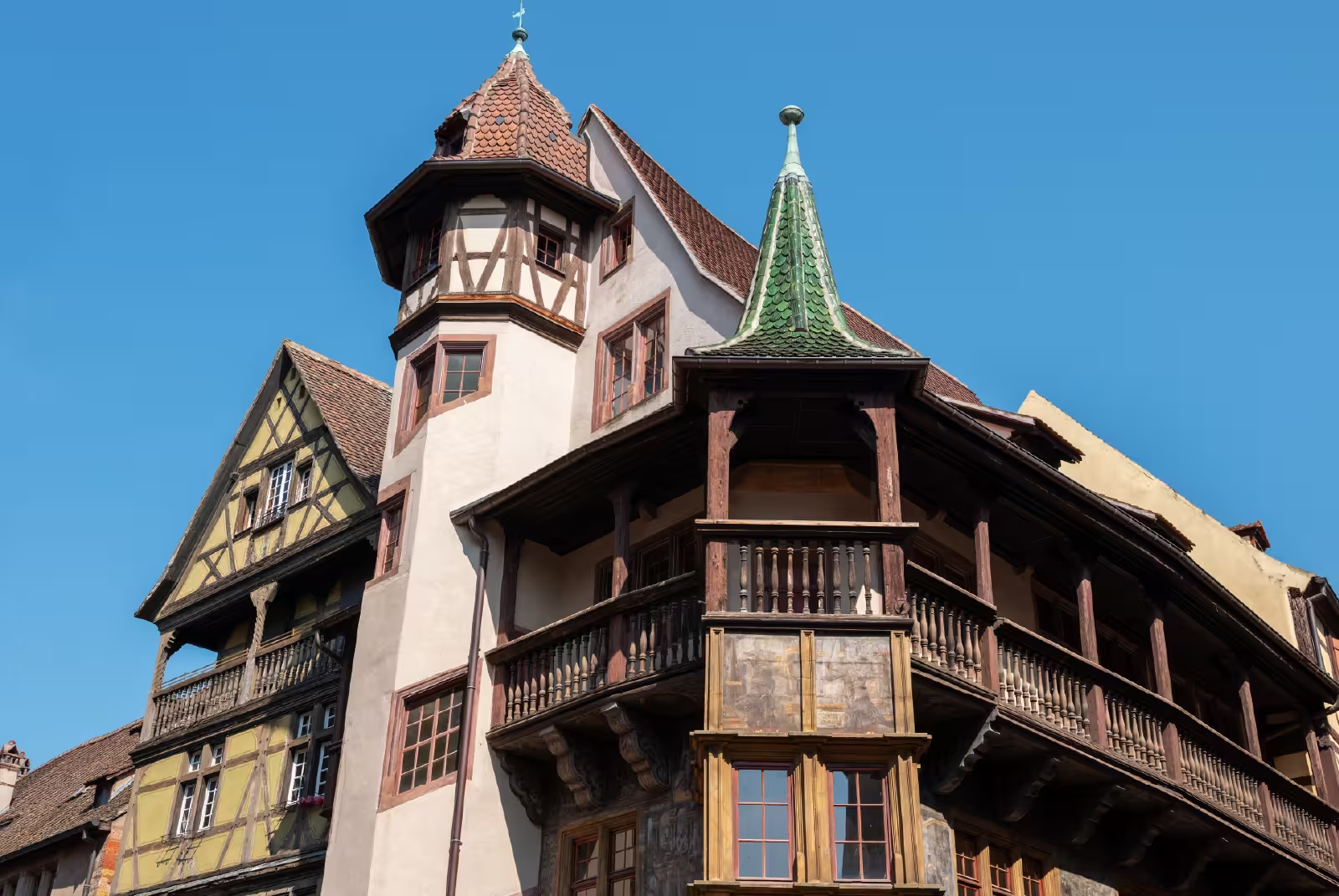
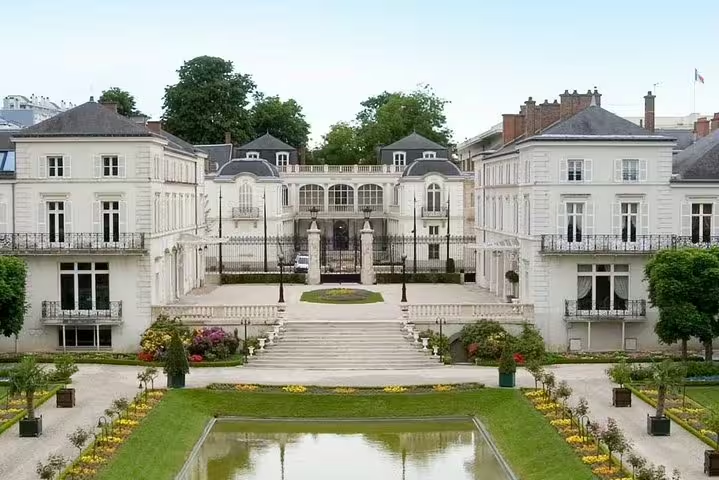
The Grand Est region of France offers a tapestry of scenic beauty, historic landmarks, and cultural experiences. Known for its dazzling landscapes and charming towns, this region is an idyllic destination for travelers seeking a blend of adventure and relaxation.
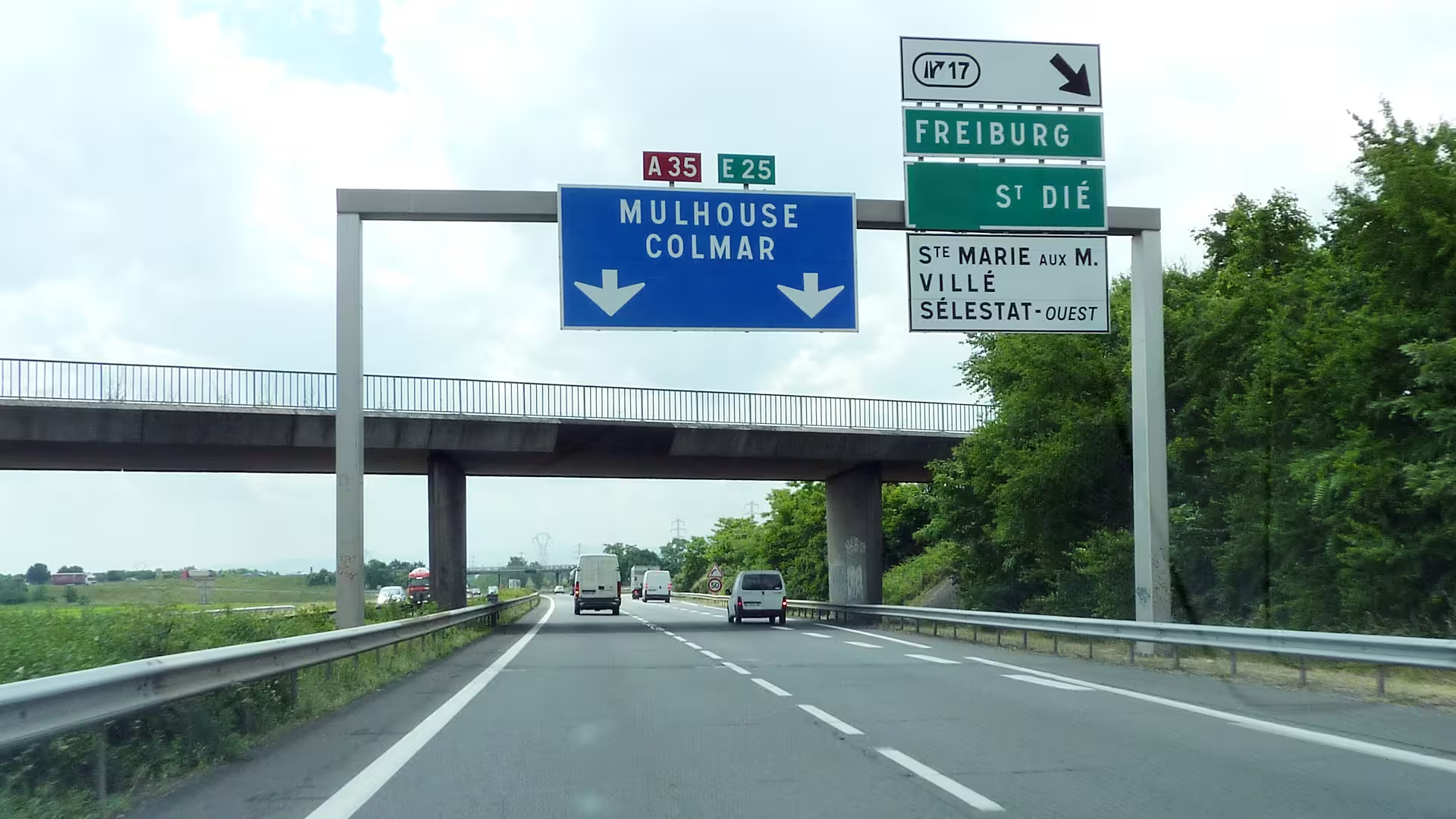
Located in northeastern France, Grand Est shares borders with Belgium, Luxembourg, Germany, and Switzerland. It is easily accessible via major cities like Strasbourg, Metz, and Reims, which are well connected by train and road networks.
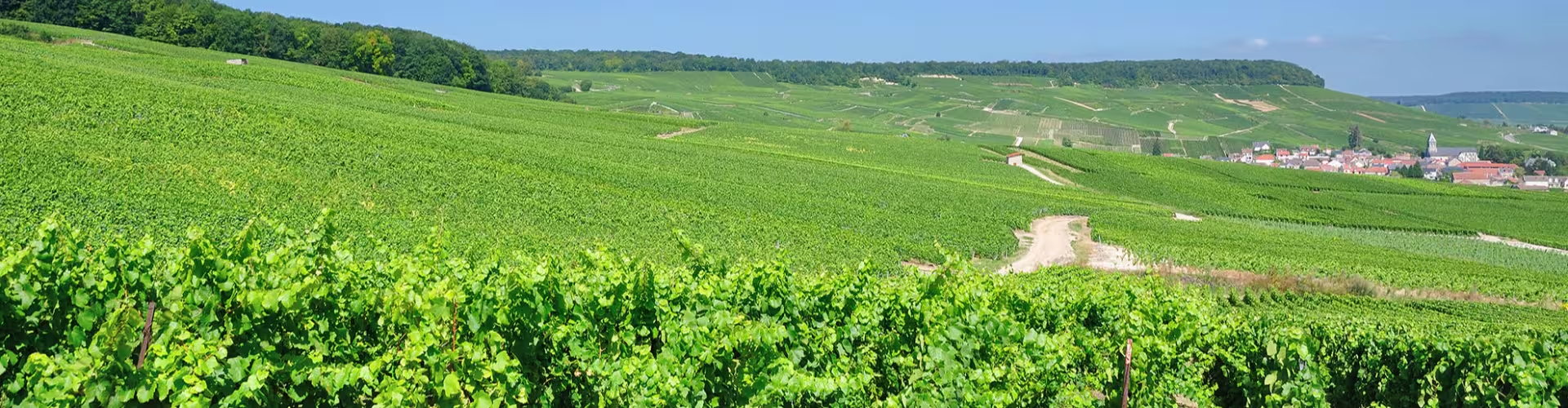
Spring and autumn offer mild weather and fewer crowds, making them ideal for visiting. Winter is a festive time with Christmas markets, while summer is perfect for exploring vineyards.
Expect moderate prices with a mix of luxury and budget options. Credit cards are widely accepted, though carrying some cash is advisable for smaller towns.
Explore Strasbourg's Grande Île: A UNESCO World Heritage site, this island is famous for its Gothic cathedral and charming half-timbered houses. Spend at least half a day here.
Visit the Champagne Houses in Reims: Discover the art of champagne making with tours and tastings. Plan for a few hours to enjoy the full experience.
Wander through Colmar's Old Town: Known for its fairy-tale-like streets and canals, Colmar is a must-see. Allow a full day for exploration.
Hike the Vosges Mountains: Perfect for nature lovers, these mountains offer trails for all levels. A day trip provides ample time to enjoy the vistas.
Discover Metz's Centre Pompidou: This modern art museum is a cultural highlight. Allocate a few hours for your visit.
Tour the Alsace Wine Route: Experience picturesque vineyards and quaint villages. Dedicate a day or two to fully savor the region.
Begin with a morning walk in Strasbourg’s Grande Île, followed by lunch in a local bistro. Spend the afternoon exploring the Alsace Wine Route.
Day one in Strasbourg and Colmar; day two exploring the Champagne Houses in Reims.
Blend cultural experiences with nature by adding a hike in the Vosges Mountains on the third day.
Choucroute Garnie: A hearty dish of sauerkraut with sausages and meats, perfect for a cold day.
Tarte Flambée: A thin crust topped with cheese, onions, and bacon, similar to a pizza.
Quiche Lorraine: A savory pie with a creamy filling of eggs, cream, and bacon.
Pain d'épices: A spicy-sweet bread often enjoyed during the holidays.
Crémant d’Alsace: A sparkling wine offering an excellent alternative to champagne.
Reliable public transport includes trams, buses, and regional trains. Consider purchasing a regional pass for savings. Most areas are pedestrian-friendly, but car rentals are available for rural explorations.
Visit Nancy: Known for its Art Nouveau architecture, this city is an hour's drive away.
Explore the Black Forest in Germany: A two-hour drive offers a foray into dense, legendary woods.
Discover Luxembourg City: Just a short train ride away, offering a mix of modern and medieval sights.
Q: How many days do I need to explore Grand Est?
A: Three days is recommended to fully enjoy Grand Est, explore its main attractions, and take a day trip.
Q: Are there any combo tickets available for attractions?
A: Yes, combo tickets for the Strasbourg Cathedral and other local sites are available, offering savings on entry fees.
Q: What are the best neighborhoods to stay in Grand Est?
A: Strasbourg city center offers charm and proximity to attractions, while the Alsace Wine Route provides scenic views and tranquility.
Q: What is the weather like in Grand Est?
A: Summers are warm and ideal for outdoor activities, while spring and autumn are mild, perfect for sightseeing.
Q: Is Grand Est accessible for travelers with mobility issues?
A: Some attractions have steps and uneven terrain, but many areas are accessible with assistance. Plan ahead for specific needs.