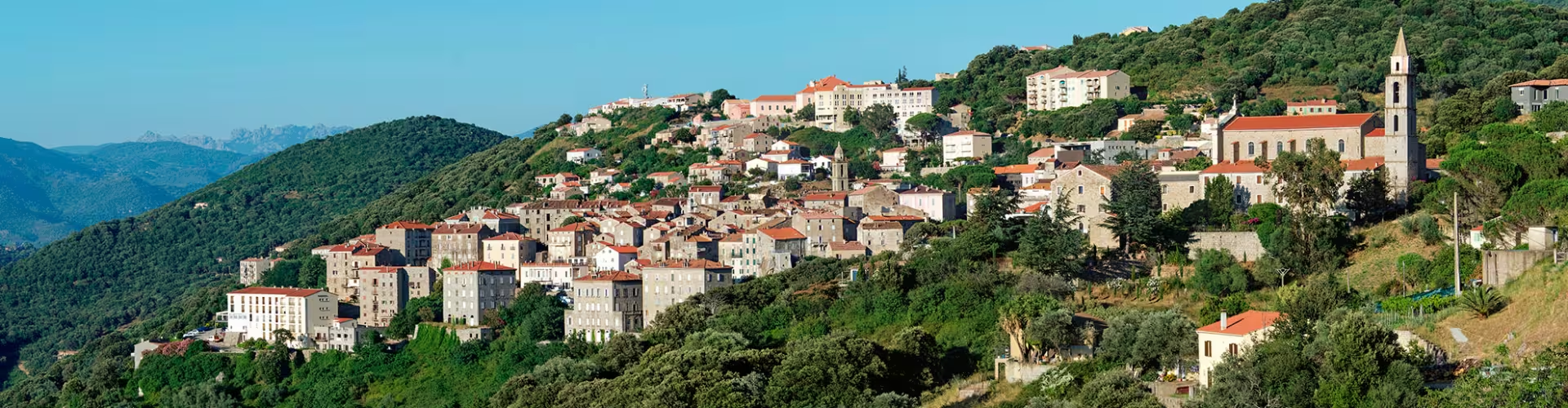


Sartène travel guide readers come for a Corsican town that feels proudly traditional, quietly dramatic, and deeply rooted in stone, history, and hillside views. The signature vibe is old-world and atmospheric, with lanes that invite slow wandering and a strong sense of local identity. Go now if you want a more grounded Corsica experience that balances culture, nearby nature, and a pace that rewards curiosity.
Sartène sits in southern Corsica, part of France’s Mediterranean island region, and it works well as a base for exploring the south and southwest of the island. In practical trip planning, it is typically approached via Corsica’s main transport hubs, then continued by road, since Corsican travel often revolves around driving between towns, beaches, and mountain routes. If you are pairing destinations, Sartène commonly fits into an itinerary that also includes the island’s southern coastline and interior viewpoints.
As a Corsican destination, Sartène’s travel rhythm generally follows the island’s seasons, with warmer months bringing more visitors and a livelier feel, and cooler months offering calmer streets and a more local atmosphere. For many travelers, the best timing depends on whether you prioritize beach days nearby, long walks in mild weather, or quieter cultural exploration. Plan your days around daylight and comfort, and build flexibility into your schedule since island travel times can feel longer than the map suggests.
Currency is the euro, and budgeting in Corsica often comes down to transport choices and how many day trips you add. Carry a small amount of cash for small purchases and keep a card available for larger expenses, since travelers often mix both depending on the venue. A practical approach is to set aside budget for driving and parking, then treat meals and local products as the most rewarding splurges.
These experiences help you understand the town’s character while building a realistic plan. Use this list as a decision tool for what to prioritize in your Sartène travel guide itinerary.
Old Town Wander. Sartène’s historic core is best experienced on foot, where stone buildings and narrow lanes create an immersive sense of place. The value is in moving slowly, noticing details, and letting the town reveal itself in layers. Practical tip, wear comfortable shoes because older streets can be uneven, and plan a relaxed loop rather than chasing a checklist.
Viewpoint Hunting. Hill towns in Corsica often reward you with outlooks that connect the town to the surrounding landscape. Seeking viewpoints is not only about photos, it helps you understand how geography shaped daily life and defense. Practical tip, bring water and take breaks, and aim for softer light in the morning or late afternoon for clearer views.
Local Market Style Shopping. Even without pinning down specific days, looking for local food products and regional specialties is a high-impact way to connect with Corsican identity. This matters because the island’s culture is strongly expressed through what people grow, cure, and preserve. Practical tip, ask simple questions about origin and ingredients, and choose items that travel well if you are moving between bases.
Café Pause the Corsican Way. Sitting down for a drink or a small bite can be as meaningful as a museum stop because it lets you watch the daily rhythm. The “why” is simple, you absorb the social pace and the town’s mood. Practical tip, pick a spot with a view of a small square or a street corner, and allow extra time so it does not feel rushed.
Photo Walk Through Stone Streets. Sartène’s appeal is often visual, textures of stone, stairways, and layered architecture. A photo walk gives you a purpose while still keeping the experience unstructured. Practical tip, keep your camera or phone ready but stay aware of residents, and avoid blocking narrow passages.
Short Scenic Drive Loop. Corsica is a road trip island, and Sartène works well for a half-day loop that connects viewpoints and nearby villages. This matters because the landscape is part of the story, not just the backdrop. Practical tip, start earlier than you think you need to, and keep a buffer for spontaneous stops.
Slow Evening Stroll. Evening is when the town often feels most atmospheric, with softer temperatures and a calmer pace. It is a simple experience, but it can become the emotional highlight of the day. Practical tip, decide on dinner plans first, then stroll after, so you are not watching the clock.
Build a South Corsica Base. Using Sartène as a base can reduce packing and unpacking while you explore the region by day. The benefit is practical, you keep one home base while sampling different landscapes. Practical tip, map your day trips by direction, and cluster them to reduce backtracking.
Start with a focused walk through the old town, keeping your pace slow enough to notice architectural details and small viewpoints. Break for a café pause, then continue with a gentle loop that prioritizes atmosphere over distance. In the afternoon, add a short scenic drive to connect the town to its surrounding landscape, then return for an evening stroll and dinner.
Day one follows the highlights route, with extra time for local shopping and a longer photo walk. Day two shifts outward, treat Sartène as your base and plan a day trip in one direction, returning in time for a relaxed evening in town. If you have a third day, keep it flexible for weather, rest, and a second day trip, which is often the difference between “seeing” Corsica and feeling it.
Corsican food culture is defined by robust flavors, local pride, and ingredients that reflect island life. Use these ideas as a practical ordering framework while exploring Sartène and the surrounding area.
Charcuterie. Expect savory, cured flavors and a strong sense of place, often enjoyed as a starter or shared plate. Ordering tip, ask for a mixed board if you want variety without over-ordering.
Local Cheeses. Corsican cheeses can range from mild to assertive, and they often pair naturally with bread and simple sides. Ordering tip, request a small tasting portion if available so you can learn what you like.
Chestnut Notes. Chestnut is a classic Corsican ingredient that can appear in sweet or savory forms, offering a nutty, comforting profile. Ordering tip, look for chestnut-based items if you want a distinctly regional taste.
Sea and Land Pairings. In southern Corsica, menus often reflect both coastal and inland influences, which helps you understand the region’s geography through food. Ordering tip, choose one dish that feels “from the sea” and one that feels “from the hills” across your meals.
Local Wine. Corsican wines are a natural companion to regional dishes and can be an easy way to try something place-specific. Ordering tip, ask for a local glass recommendation that matches what you are eating.
Simple Desserts. Many traditional desserts lean toward straightforward, ingredient-led flavors rather than heavy decoration. Ordering tip, if you are unsure, choose the dessert that features the most local ingredients.
Sartène is best explored on foot once you are in town, especially for the older streets where short distances can still take time due to steps and slopes. For exploring beyond the center, road travel is typically the most practical, since Corsica’s highlights are spread across varied terrain and public connections may not align with a tight sightseeing schedule. If you are driving, build in extra time for slower roads and viewpoint stops, and keep your plan realistic rather than overpacked.
For comfort and safety, wear shoes with grip, carry water in warm weather, and stay attentive on narrow streets. If accessibility is a concern, prioritize viewpoints and stops that do not require steep climbs, and structure your day with longer breaks rather than continuous walking.
Day trips are where this Sartène travel guide becomes a true south Corsica planner. Since exact times vary by route and traffic, treat the estimates below as flexible road travel ranges.
Southern Corsica Coast. Roughly 30 to 60 minutes by road depending on the specific beach or coastal stop you choose. Go for the contrast between inland stone-town atmosphere and open sea views.
Bonifacio. Roughly 60 to 90 minutes by road. Visit for dramatic coastal scenery and a striking sense of arrival, it is one of the south’s most distinctive stops.
Propriano. Roughly 30 to 45 minutes by road. A good option if you want an easier coastal add-on with a more relaxed, practical seaside feel.
Ajaccio. Roughly 75 to 120 minutes by road. Choose it for a bigger-city rhythm, more urban energy, and a change of pace from small-town Corsica.
Mountain and Hill Villages. Often 30 to 90 minutes depending on which direction you drive. Go for cooler air, panoramic roads, and a deeper look at Corsica’s interior character.
The town itself is walkable, especially if your focus is the historic center and short strolls. For day trips and broader south Corsica exploration, a car is typically the most practical option.
One day covers the core atmosphere and a town walk. Two to three days lets you add a scenic drive and at least one day trip while keeping the pace relaxed.
Morning and late afternoon usually provide softer light on stone streets and viewpoints. It also tends to be more comfortable for walking than the middle of the day.
Start with an old town wander and a café pause to understand the town’s rhythm. Then add a short scenic drive so you can connect Sartène to the surrounding landscape.
Yes, it is designed to help you use Sartène as a practical base and choose day trips by direction. Keep your schedule flexible and allow extra road time for scenic stops.