Corsica

logoBlack

Build your dream
experience

dreamimg

More to know about Corsica

Corsica Travel Guide


Snapshot

Corsica travel guide readers come for a destination that feels both Mediterranean and mountainous, with a strong island identity that shows up in food, villages, and landscapes. The signature vibe is outdoorsy and scenic, with beach time on the coast and dramatic drives and hikes inland. Go now if you want variety in one trip, you can balance sea views, granite peaks, and historic towns without crossing borders.


🗺️ Geography and Logistics

📍 Orientation: Where is it within France?

Corsica is a French island in the Mediterranean, positioned south of mainland France and north of Sardinia. It is often approached through its coastal cities and ports, then explored by road into the interior, where the terrain becomes rugged and mountainous. Plan your route around your arrival point, then build a loop that reduces backtracking, because distances can feel longer on winding roads.

🕒 When to Go: Seasonal breakdown

Corsica’s seasons shape the experience more than you might expect, because the island has both beach climates and higher altitude conditions. Warmer months typically emphasize swimming, boating, and late-evening dining, while cooler periods can feel better for road trips, viewpoints, and longer walks. If you dislike crowds, aim for shoulder season timing and book key stays early, because popular coastal bases fill first.

💰 Budget & Currency: Practical money tips

Corsica uses the euro, and travelers generally find that costs vary by location, with coastal hotspots tending to be pricier than inland villages. Cards are widely used, but carrying some cash is useful for small purchases, market stalls, and rural stops. To keep spending predictable, reserve accommodation and any must-do activities in advance, then leave flexibility for spontaneous beach stops and scenic detours.


⭐ Essential Things to Do

These experiences are designed to help you choose what is truly worth your time, whether you want coast, culture, or mountains. Use this Corsica travel guide list as a menu, then assemble your days around one anchor activity and a few nearby stops.

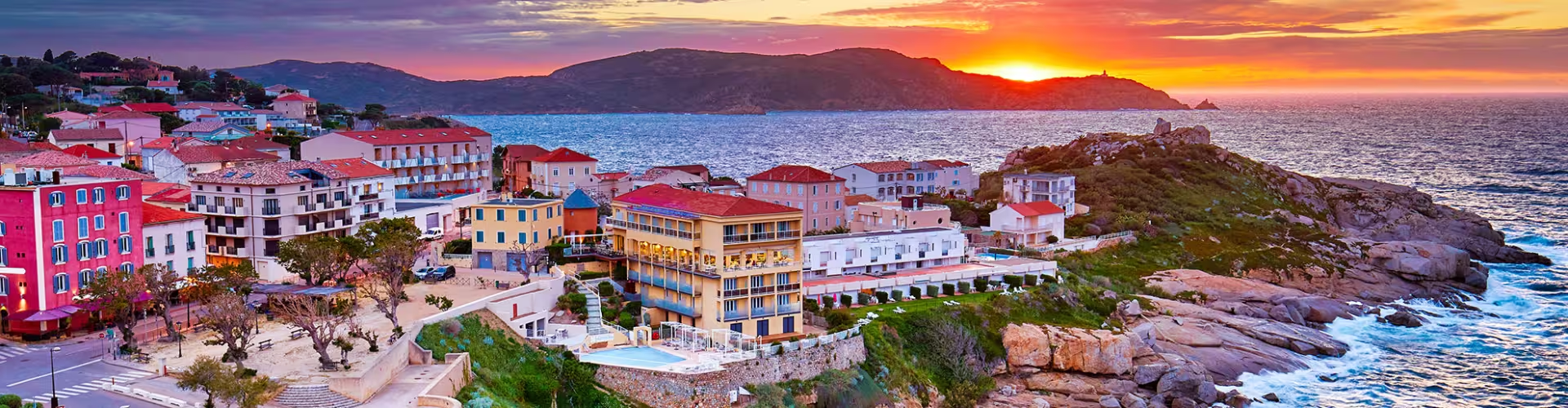
  • Drive a Coastal Scenic Route. Corsica rewards travelers who treat the road trip as the attraction, because viewpoints and small coves appear between towns. The changing light over the sea can transform the same stretch of coast from midday sparkle to sunset gold. Practical tip, start early to enjoy quieter roads, then plan a long lunch so you are not rushing the best viewpoints.

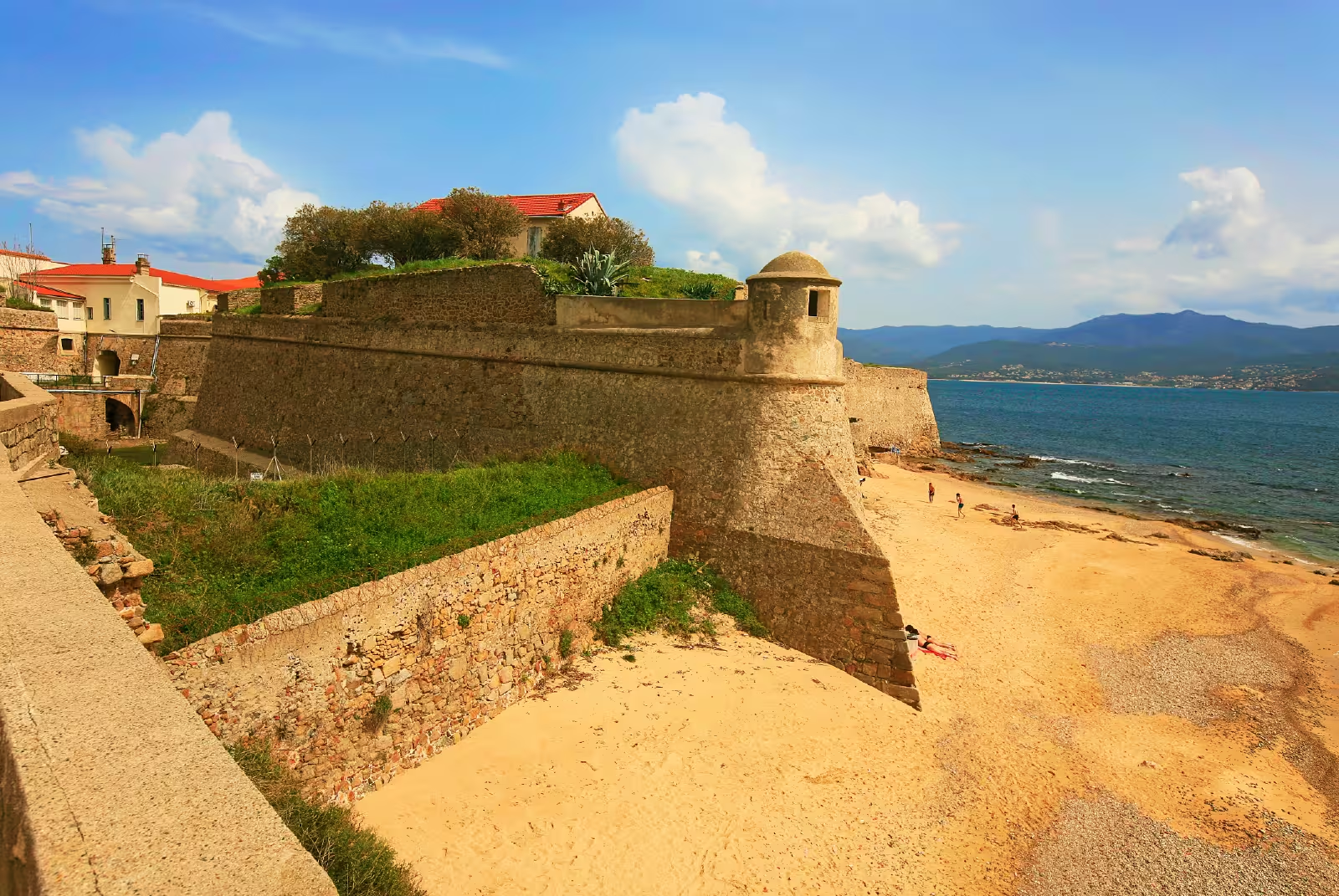
  • Explore a Historic Old Town. Many Corsican towns have compact centers where daily life, cafés, and local history sit close together. Wandering on foot is the easiest way to notice details like stone lanes, small squares, and harbor views. Practical tip, wear comfortable shoes and choose one town as your slow afternoon, then keep the evening for a waterfront stroll.

  • Spend a Beach Day with a Plan. The island’s beaches range from wide sandy bays to smaller coves that feel more intimate. A little planning helps you avoid the most crowded stretches and find the mood you want, family-friendly shallows or quieter corners. Practical tip, pack water and shade, then arrive earlier than you think, because parking and access can shape the whole day.

  • Hike a Mountain Trail for Big Views. Corsica’s interior is known for dramatic relief, and even short hikes can deliver sweeping panoramas. The contrast between sea and peaks is part of the island’s identity, and it is one reason a single trip can feel so varied. Practical tip, check conditions locally, start in the morning, and bring layers, because temperatures can shift with elevation.

  • Visit Hilltop Villages. Inland villages offer a different rhythm, with quieter streets, traditional architecture, and a sense of continuity that coastal resorts can lack. These stops are ideal for a coffee, a small lunch, and a reset between longer drives. Practical tip, pair two nearby villages in one loop, then return to your base before dark if you are not comfortable on narrow roads.

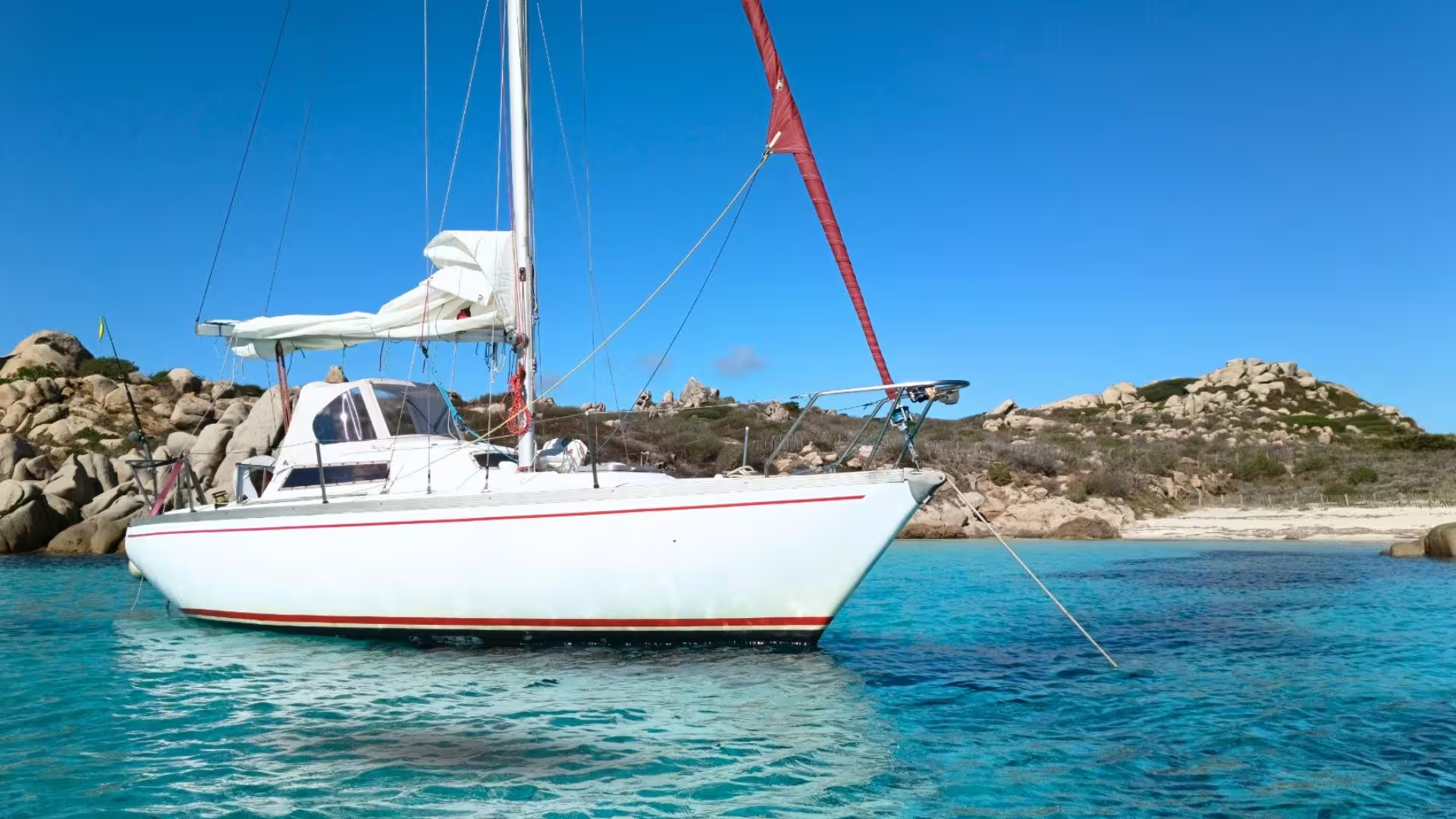
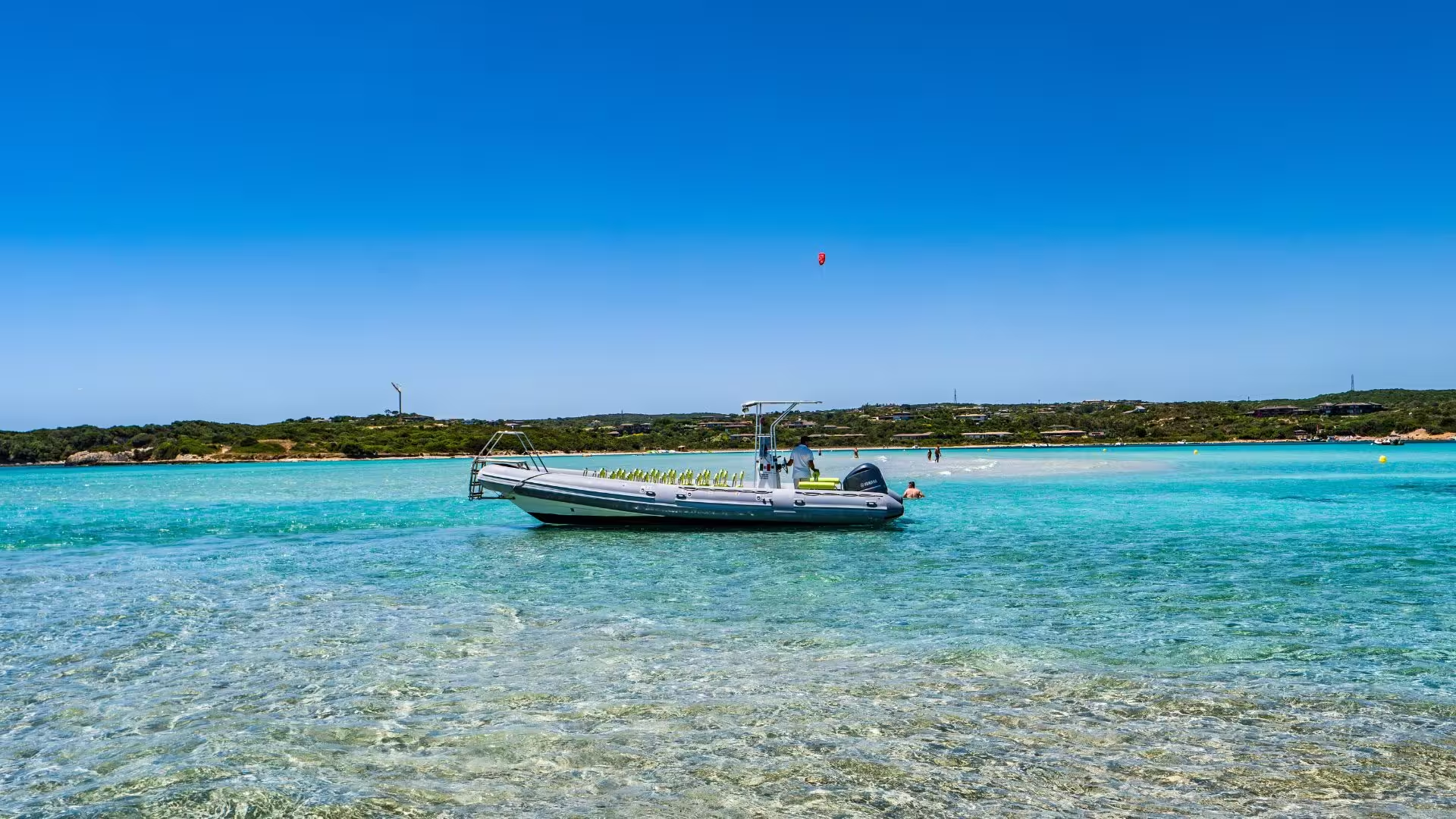
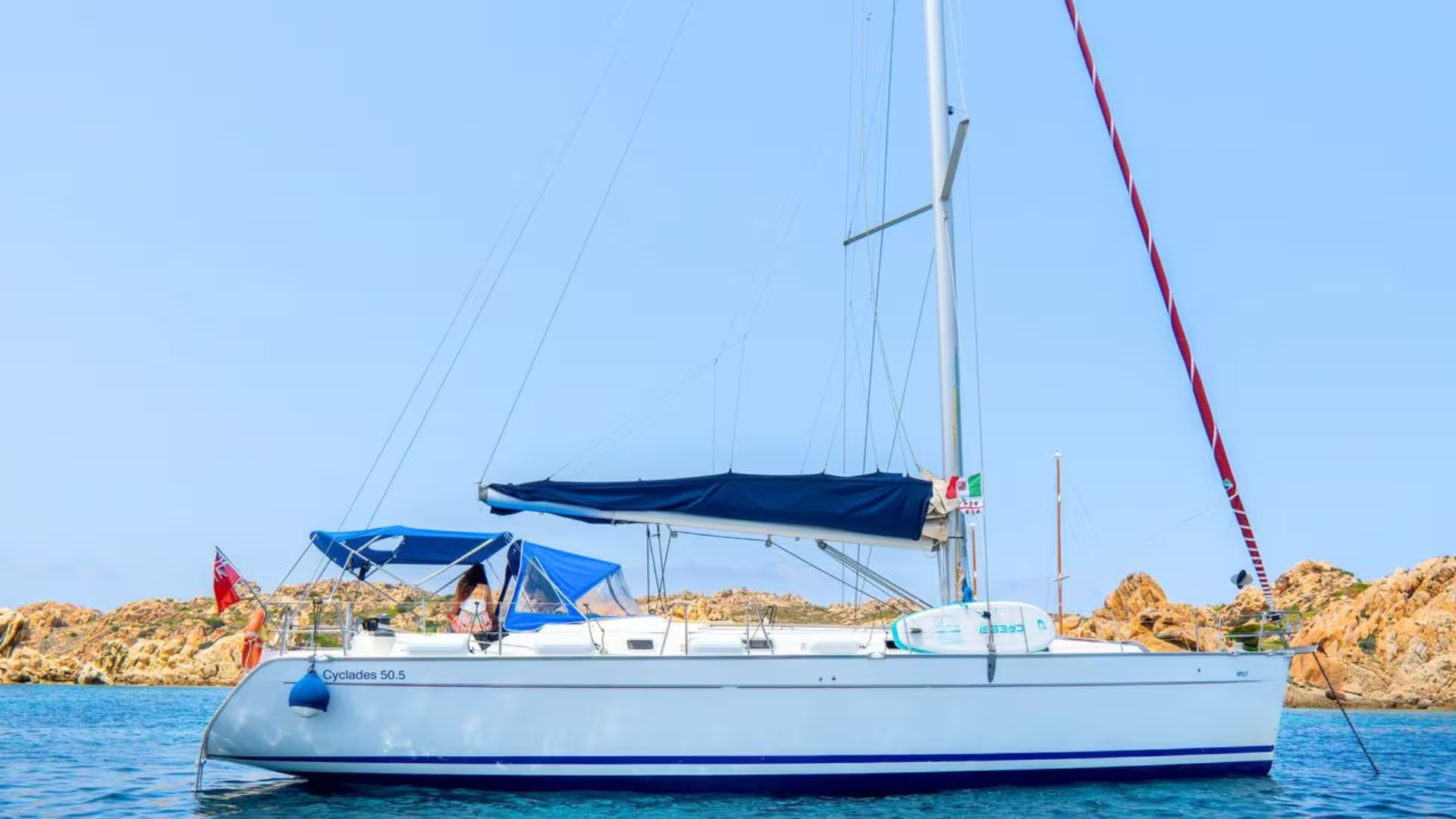
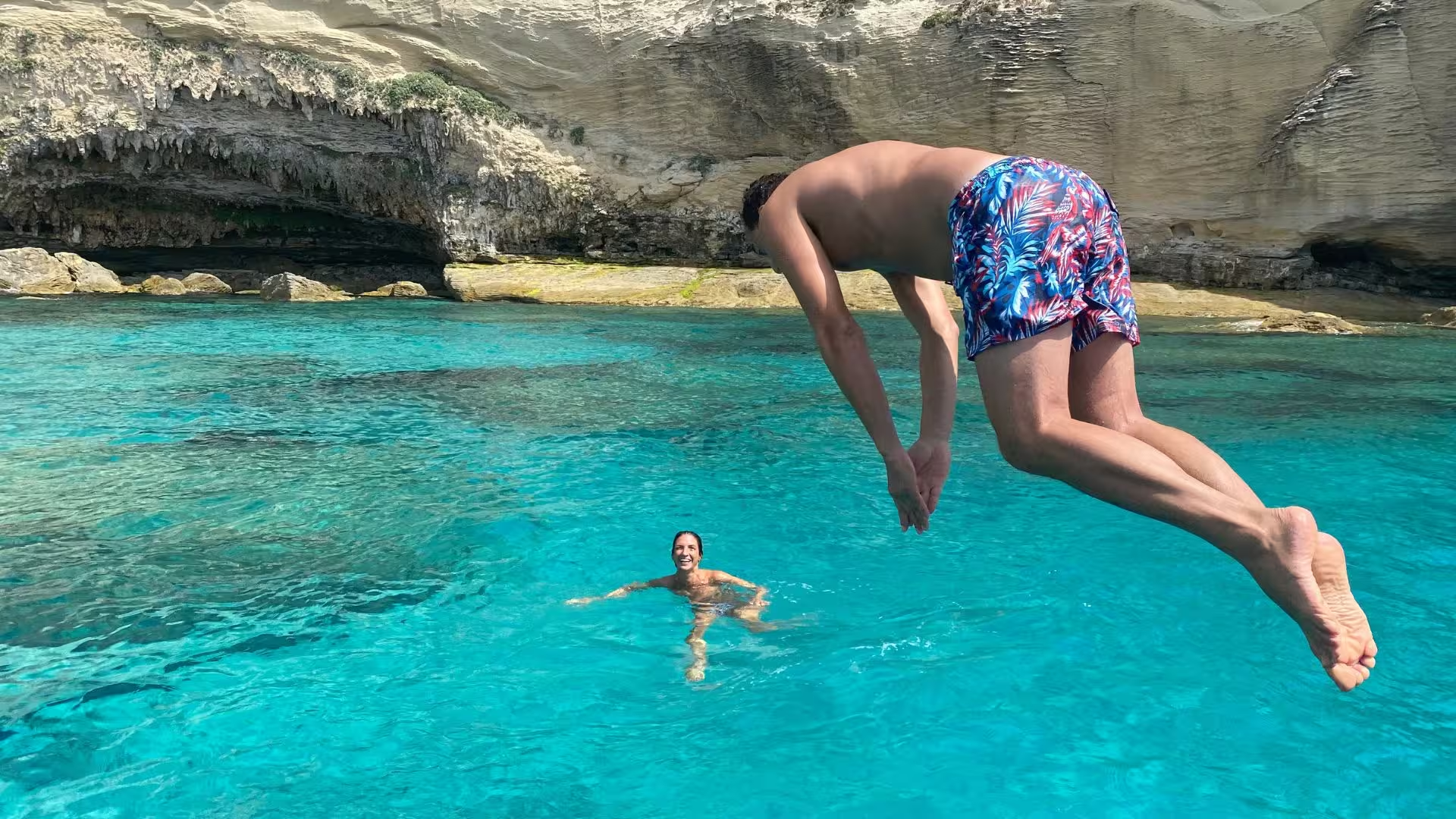
  • Take a Boat Excursion. Seeing Corsica from the water adds scale to cliffs, coves, and headlands. A boat day can also be a practical way to reach swimming spots that are harder to access by road. Practical tip, bring sun protection and a light layer, and choose a departure port close to where you are staying to reduce travel fatigue.

  • Shop Local Markets. Markets are one of the easiest ways to taste Corsica quickly, especially if you want picnic supplies and regional specialties. They also help you understand the island’s food culture, which blends Mediterranean simplicity with mountain ingredients. Practical tip, go earlier for the best selection, then build a picnic for a viewpoint stop.

  • Follow a Food and Wine Trail. Corsican flavors often highlight cured meats, cheeses, herbs, and local wines, which can feel distinct from mainland France. A tasting-focused afternoon adds depth to your trip and balances active days. Practical tip, keep your driving distances short if you are tasting, and consider staying overnight near your chosen producers.


🚶 Curated Itineraries

⏰ The Highlights (1 Day)

Start with an early coastal viewpoint stop, then spend your late morning in a historic old town for a walk and coffee. Make midday your beach window, then switch to a late-afternoon inland drive for a hilltop village visit and golden-hour photos. End with a relaxed dinner featuring Corsican specialties, and keep the evening simple, because a one-day route is best when it stays realistic.

⏰ Deep Dive (2-3 Days)

Day 1, focus on a coastal base, combine a market visit, an old town walk, and a beach session, then choose a sunset viewpoint. Day 2, go inland for a mountain hike or a scenic drive through villages, and plan a long lunch that turns the day into a slower cultural experience. Day 3, add a boat excursion or a second coastline with a different feel, and use the final afternoon for flexible stops that you skipped earlier.


🍽️ Flavors of Corsica

Food is an essential part of any Corsica travel guide, because the island’s identity is strongly tied to what it produces and how people eat. Expect a mix of Mediterranean freshness and hearty mountain comfort.

  • Cured meats (charcuterie), savory and aromatic, often enjoyed as a starter or picnic item. Ordering tip, ask for a mixed board to taste several styles in one go.

  • Local cheeses, ranging from mild to more assertive, often paired with bread or jam. Ordering tip, try a small portion first if you are unfamiliar with the strongest varieties.

  • Chestnut-based specialties, earthy and slightly sweet, reflecting the island’s interior traditions. Ordering tip, look for chestnut items on menus as a regional signal, especially in cooler months.

  • Seafood dishes, typically simple and coastal, where freshness is the main feature. Ordering tip, choose seafood when dining near harbors, and ask what is local that day.

  • Herb-forward stews and rustic plates, comforting and filling after active days. Ordering tip, these are ideal as a shared dish if you want to try multiple items.

  • Corsican wines, often enjoyed with both seafood and mountain dishes, offering a distinct island character. Ordering tip, ask for a local glass recommendation, and pair lighter wines with coastal meals.


🚌 Navigation & Transport

Getting around Corsica is easiest when you plan with geography in mind, because coastal routes and mountain routes can differ significantly in travel time. Walking works well in old towns and harbor areas, where streets are compact and parking can be limited. For coast-to-interior exploration, a car is typically the most practical option, and you should build buffer time for viewpoints, narrow roads, and spontaneous stops.

If you prefer not to drive, base yourself in one or two towns and plan day trips that minimize transfers. For safety, drive cautiously on winding roads, avoid rushing at night if you are unfamiliar with the terrain, and keep water and layers in the car. Accessibility varies, with older centers sometimes featuring steps and uneven stone, so choose accommodation locations carefully if mobility is a concern.


🌄 Beyond the Center: Day Trips

  • Mountain interior villages, often reachable in a half day to full day depending on your base. The reason to go is the contrast, cooler air, traditional rhythms, and panoramic viewpoints.

  • Alternate coastline for a different beach feel, plan for a day trip that includes driving time and a long beach window. The reason to go is variety, you can compare wide bays to smaller coves and choose your favorite vibe.

  • Harbor towns and waterfront promenades, typically an easy add-on from coastal bases. The reason to go is atmosphere, especially in late afternoon when cafés and strolling become the main event.

  • Scenic viewpoints and headlands, often best as short detours rather than standalone destinations. The reason to go is photography and perspective, they help you understand the island’s scale.


✅ Insider Tips for Travelers

  • Build a loop itinerary rather than out-and-back routes, it reduces fatigue on winding roads.
  • Start beach days early, access and parking can define your experience more than you expect.
  • Pack layers even in warm periods, elevation and sea breezes can change comfort quickly.
  • Use markets for picnic supplies, it is often the easiest way to taste local specialties.
  • Keep buffer time for scenic stops, Corsica rewards spontaneous viewpoints and short walks.
  • Choose one “anchor” activity per day, then add nearby stops, it keeps the pace enjoyable.

❓ Frequently Asked Questions, FAQ

What is the best way to get around Corsica?

A car is typically the most practical way to connect beaches, villages, and mountain areas, especially if you want flexibility. Walking is ideal inside old towns and harbor districts where streets are compact.

How many days do I need for a first trip?

Two to three days lets you combine one coastal day, one inland day, and a flexible day for a boat trip or a second coastline. If you only have one day, focus on one base area and avoid overcommitting to long drives.

Is Corsica better for beaches or mountains?

It is strong for both, and that contrast is part of the appeal. This Corsica travel guide approach works best when you plan at least one beach session and one interior viewpoint or hike.

What should I pack for Corsica?

Bring comfortable walking shoes for old towns and uneven streets, plus sun protection for the coast. Add layers for breezy evenings and higher elevations, especially if you plan scenic drives or hikes.

What is the main thing to know before planning a route?

Driving times can be longer than the map suggests because roads can be narrow and winding. Use this Corsica travel guide strategy, plan a loop and include buffer time for viewpoints and stops.