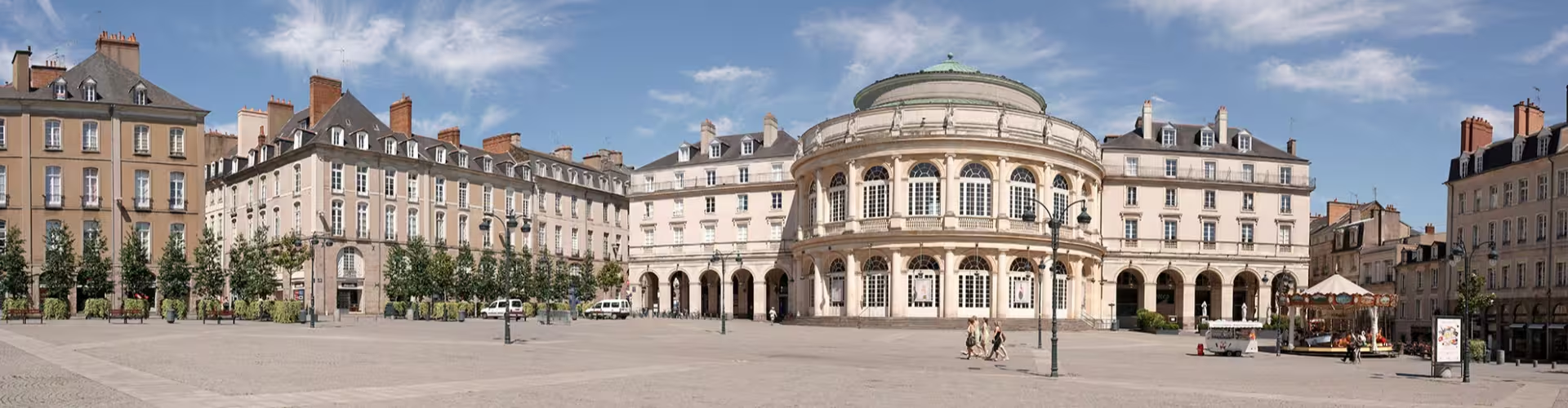
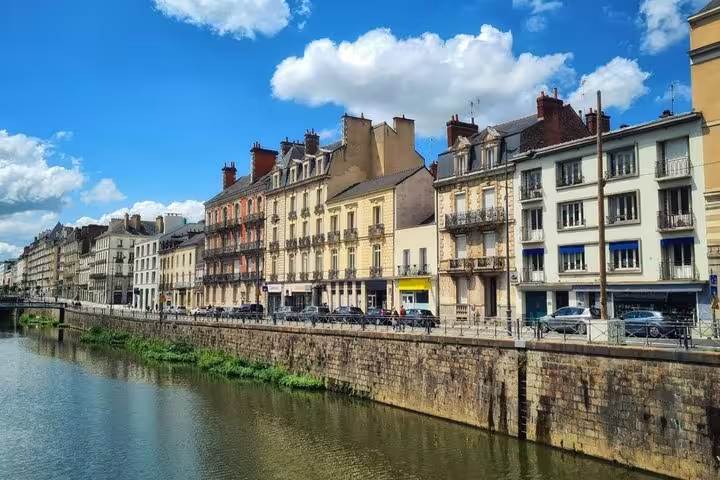
Rennes travel guide readers come for a city that feels confidently local, youthful, and walkable, with medieval lanes that quickly open into lively squares and café terraces. Rennes has a signature vibe that blends Breton identity with a student energy, so days feel cultural and nights feel social without being overwhelming. Go now for an easy-to-navigate French city break that pairs heritage architecture with a modern food scene and a strong calendar feel, even when you keep plans flexible.
Rennes sits in Brittany in northwestern France, acting as a practical base for exploring the region’s coast, small towns, and countryside. It is well positioned for travelers who want a city hub with straightforward onward connections, whether you are aiming for day trips or a longer loop through western France. For a smooth arrival, plan around major transport hubs such as Paris rail links and regional airports, then treat Rennes as a compact city you can largely explore on foot once you are in the center.
For a classic city-break rhythm, aim for months when you can comfortably walk between neighborhoods and linger on terraces, since Rennes rewards slow wandering and spontaneous stops. Warmer periods generally support longer days outdoors and a more animated street life, while cooler periods can feel cozier and more museum focused. Crowd levels tend to rise when schools are on break and during peak travel seasons, so consider shoulder-season timing if you prefer shorter lines and a calmer pace.
France uses the euro, and Rennes is typically easier on the budget than many headline cities, especially if you prioritize bakeries, markets, and set lunch menus over formal dining every night. Cards are widely accepted in urban France, but it is still smart to carry a small amount of cash for smaller purchases and market stalls. A helpful approach is to budget by day type, one day for paid cultural sights and one day for parks, neighborhoods, and viewpoints, then repeat that pattern to keep spending predictable.
1) Explore the historic center on foot
The old streets are where Rennes feels most cinematic, with a dense mix of heritage facades, small squares, and places to pause for coffee. Walking lets you notice details you miss from transit, including architectural textures and the way streets open into plazas. Practical tip: go early in the morning for quieter photos, then return in the evening when the atmosphere becomes more social.
2) Spend time in the city’s main squares
Rennes’ public squares act like open-air living rooms, perfect for people watching and getting a sense of local life. This is also where you will naturally find a range of dining options without needing a strict plan. Practical tip: choose one square as a daily anchor point, then radiate outward to nearby streets so you always know how to reset your bearings.
3) Visit local markets for Breton flavors
Markets are one of the fastest ways to understand a destination, and in Brittany they connect directly to regional identity and food culture. Even without buying much, browsing helps you learn what locals snack on and what is in season. Practical tip: bring a reusable bag and small cash, then plan a picnic style lunch with market finds.
4) Follow a self-guided architecture walk
Rennes rewards travelers who pay attention to its layers, medieval lanes, later city planning, and contemporary touches that reflect its role as a regional capital. A self-guided walk turns the city into a story you can read at your own pace. Practical tip: pin a few landmarks on an offline map so you can wander freely without losing your route.
5) Make time for museums and indoor culture
A well chosen museum visit balances the trip, especially if weather shifts or you want a slower afternoon. Cultural stops also provide context for Brittany’s identity within France, which makes later neighborhood walks feel more meaningful. Practical tip: aim for the first hour after opening or the last hour before closing to avoid the busiest flow.
6) Take an evening food crawl
Rennes is ideal for a casual tasting approach, a drink here, a snack there, then a relaxed dinner. This style matches the city’s youthful energy and helps you sample more Breton specialties without overcommitting. Practical tip: start with a light apéritif, then keep dinner reservations flexible unless you are traveling on a weekend.
7) Enjoy parks and green breaks between sights
A city break feels better when you build in pauses, and Rennes has an easygoing pace that suits park stops and slow strolls. Green spaces also help reset your day if you have been sightseeing continuously. Practical tip: schedule a park stop after lunch to avoid rushing, then continue with cultural visits later in the afternoon.
8) Use Rennes as a base for Brittany day trips
One of the strongest reasons to choose Rennes is how well it works as a hub for exploring Brittany travel highlights beyond the center. You get the convenience of a city at night and the variety of coastal or countryside experiences by day. Practical tip: plan day trips around early departures and a single main objective so you do not spend the whole day in transit.
Start with a morning walk through the historic center, focusing on the most characterful lanes and the main squares while the city is still easing into the day. Break for a bakery style lunch or market bites, then spend the early afternoon on one cultural visit such as a museum to add context. Finish with a golden hour stroll, then a relaxed dinner that leans into Breton classics so your single day still feels rooted in place.
On day one, repeat the highlights route but slow it down, adding more time for cafés, small shops, and architectural details. On day two, prioritize markets and food experiences, then add a longer cultural block indoors so you can travel comfortably regardless of weather. If you have a third day, use Rennes as a base for a nearby excursion in Brittany, then return for a final evening in the squares to feel the city’s social pulse.
Food in Rennes is strongly shaped by Breton traditions, with simple, high satisfaction dishes that work well for casual travel days.
Central Rennes is well suited to walking, especially if your plan focuses on the historic core, the main squares, and food stops. Public transit is useful when you want to connect outlying areas efficiently or return to your accommodation after a long day, while taxis or ride-hailing can be a practical fallback in bad weather or late at night. As in any city, keep an eye on personal belongings in busy areas, and if you have mobility needs, plan routes that minimize cobblestones and prioritize step-free entrances where available.
Rennes works well as a launch point for exploring the wider region, especially if you want variety without changing hotels frequently.
Yes, Rennes is a practical hub in Brittany with good onward connections for day trips. It lets you enjoy city evenings while exploring coastal or small-town destinations during the day.
One day covers the highlights at a fast pace, while two to three days gives you time for markets, museums, and a slower neighborhood rhythm. Add an extra day if you want a dedicated excursion outside the city.
Walking works well in the center, especially for the historic streets and main squares. Public transit and occasional taxis are useful for longer hops, bad weather, or late returns.
Choose periods with comfortable walking weather if your plan is heavy on neighborhoods and terraces. Shoulder seasons can feel calmer, while peak travel periods tend to be busier.
Focus on Breton classics like buckwheat galettes, sweet crêpes, and local cider. Use markets and bakeries for affordable tastings, then plan one sit-down meal for a fuller experience.