Brittany: tours, coastal walks and day trips
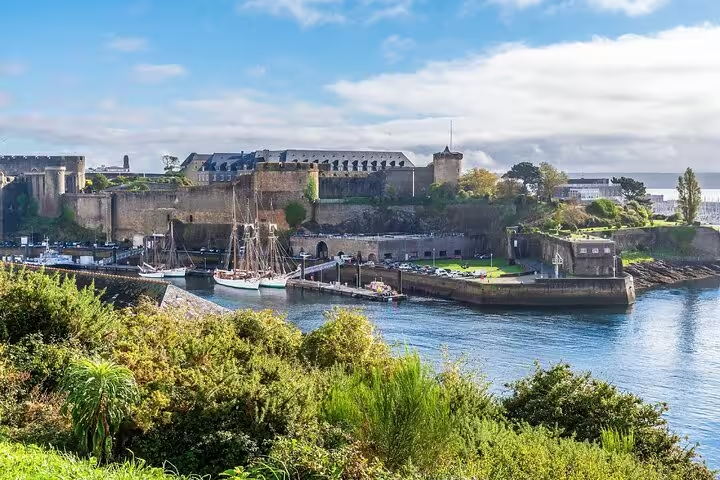
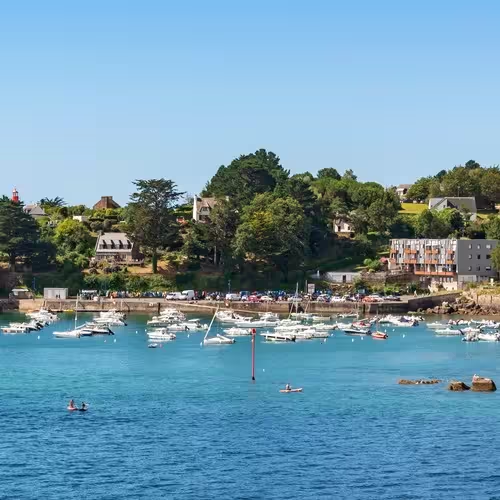
Brittany rewards a trip built around coastal scenery, port history and Neolithic stones. Cliffs, capes and drowned river valleys shape its shore, while Saint-Malo and Carnac offer different ways into its past.
How many days should you allow for Brittany tours?
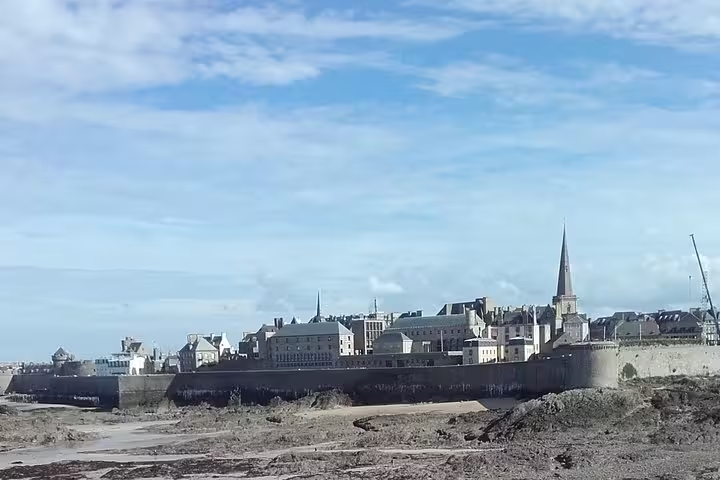
Three days would give a history-focused trip room for Saint-Malo, Carnac and Quimper, with a different focus each day. A suggested order is Saint-Malo for its corsair connections, Carnac for its stone rows, then Quimper for its pottery tradition.
For a guided day covering several stops, the private full-day tour of St Malo, Dinan and Cap Frehel lasts 10 hours. It includes a private local guide, transport between destinations, an oyster farm visit in Cancale, guided visits to the walled city of Saint-Malo and medieval Dinan, and a visit to Cap Frehel headland.
Which things to do in Brittany fit your interests?
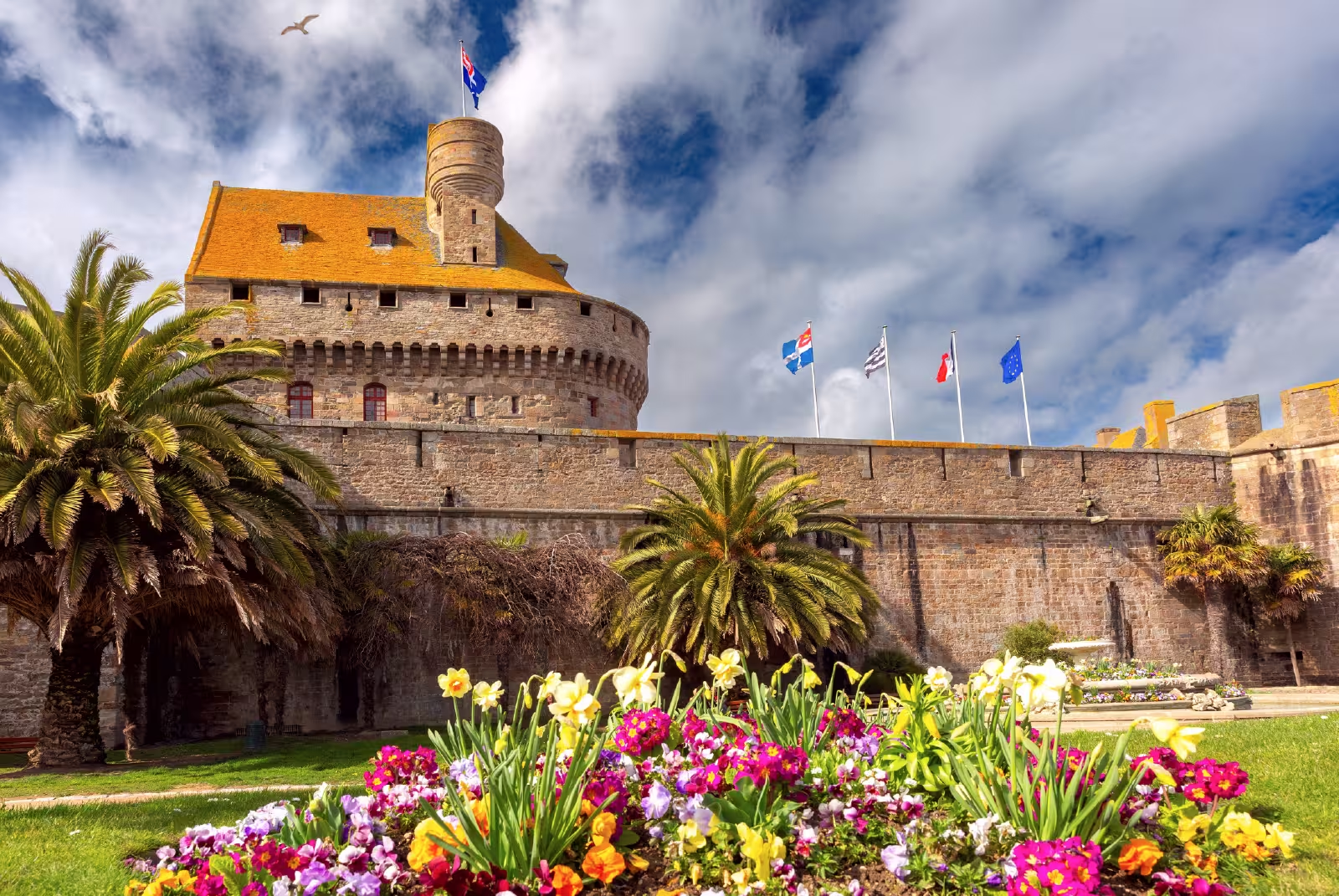
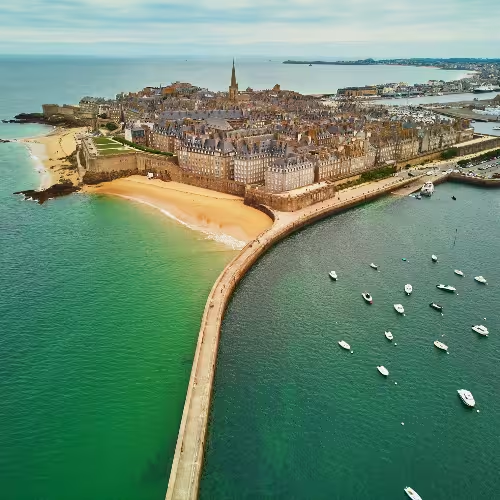
Saint-Malo suits an interest in maritime history, while Quimper offers a pottery-focused alternative. Saint-Malo became associated with corsairs, privateers who held a royal licence to attack enemy ships in wartime. The Saint-Malo self-guided walking tour with an audio guide app lasts 2 hours and 40 minutes. It includes 29 audio commentaries, a 3D map with live location tracking, offline access after downloading and content in French, English and Spanish.
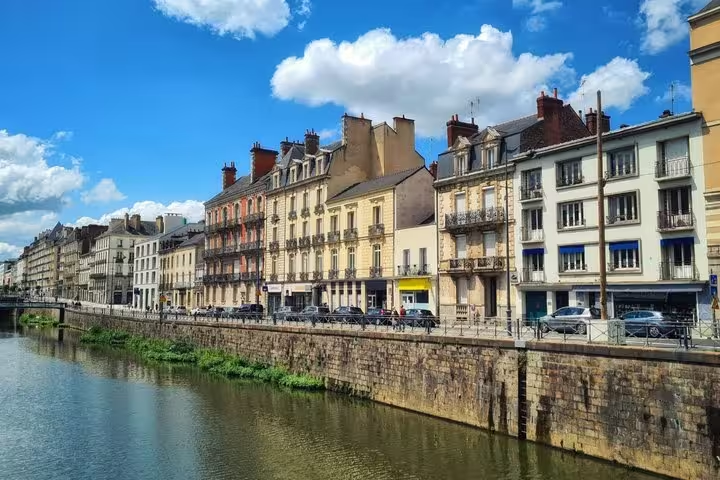
Quimper grew around the meeting of the Steir, Odet and Jet rivers and is associated with tin-glazed faience pottery. Its self-guided walking tour with a GPS audio guide lasts 1 hour and includes app access, 23 commentaries in French, English and Spanish, a 3D map with live location tracking and offline access after downloading.
Carnac fits a trip centred on prehistoric monuments: its Neolithic stones are arranged in the principal groups of Ménec, Kermario and Kerlescan. For coastal scenery instead, the Pink Granite Coast runs along the north coast of the Côtes-d'Armor, around Perros-Guirec, Ploumanac'h and Trégastel.
How do Mont Saint-Michel day trips fit the plan?
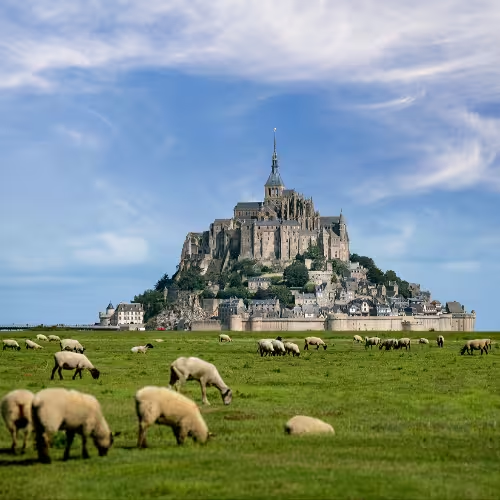
A Mont Saint-Michel excursion from Saint-Malo needs a separate day on the private full-day tour, which lasts 9 hours. It includes a private minivan with a driver and guide, specialist historical guiding, and guided visits to the abbey, church and village. An oyster tasting visit and a guided village visit in Cancale are also included.
Where should you stay, and how can you travel?
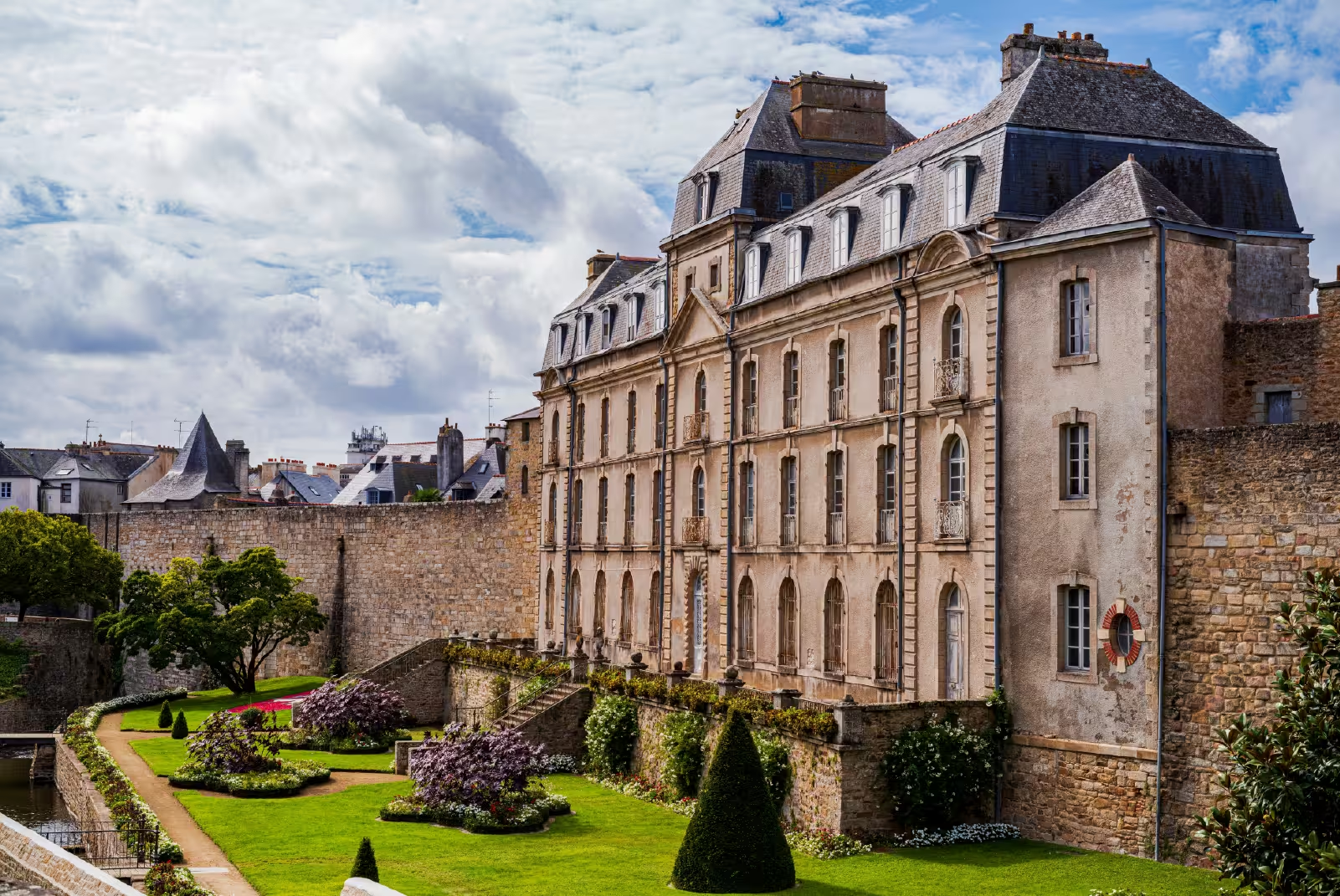
Saint-Malo is a practical base to consider for a trip built around port history and arrival by ferry. Brittany Ferries connects Portsmouth with Saint-Malo, Plymouth with Roscoff, and Roscoff with Cork. For a stay focused on the Gulf of Morbihan, Vannes is an alternative because it stands on the gulf. The gulf is a natural harbour containing about forty islands.
Self-guided walking suits time in Saint-Malo or Quimper; the private St Malo, Dinan and Cap Frehel tour includes transport between its destinations.
What weather should you plan for?
Flexible walking plans make sense in Brittany because its maritime weather can change. Summer days are usually mild, though short hot spells can bring temperatures above 30 °C.
What should you try at mealtimes?
A galette suits a savoury meal, followed by a crêpe for dessert. Breton galettes are generally made from buckwheat, while crêpes are eaten as a sweet course.
How many days should I spend in Brittany?
Three days is a suggested plan for Saint-Malo and its corsair history, the Neolithic stones at Carnac, and Quimper with its pottery tradition.
What should I expect when visiting Brittany in summer?
Summer days are usually mild, with changeable maritime weather, and short hot spells can bring temperatures above 30 °C.
How can I get around Brittany?
Walking tours cover Saint-Malo and Quimper; the private St Malo, Dinan and Cap Frehel tour includes transport between destinations.
Can I take a day trip to Mont Saint-Michel?
Yes, the private full-day tour from Saint-Malo lasts 9 hours and includes guided visits to the abbey, church and village.
Where should I stay in Brittany?
Saint-Malo suits a ferry arrival and port history; Vannes suits a stay focused on the Gulf of Morbihan.
Frequently asked questions