Dijon is a city made for travelers who like their culture walkable and their food memorable. Its historic center rewards slow wandering, with grand architecture, intimate squares, and a distinctly Burgundian sense of craft. Use this guide to plan what to prioritize, how to get around efficiently, and how to build a day or two that feels rich rather than rushed.
Dijon balances elegant heritage with a lively, local rhythm that feels more lived-in than staged. Come for the layered history, the culinary identity tied to Burgundy, and the easy access to vineyards and storybook towns nearby. It is especially appealing when you want a French city break with substance, without the big-city friction.
Dijon sits in eastern France in the Bourgogne Franche Comte region, within the Cote d'Or department. It is a natural gateway to Burgundy, positioned for onward travel into wine country and nearby heritage towns. For long-distance arrivals, most travelers route through major French rail hubs, then continue by train, with regional connections that make day trips straightforward.
Plan your timing around the experience you want. Warmer months typically mean longer daylight and a more animated street atmosphere, while shoulder seasons often feel calmer for museum visits and unhurried meals. In cooler periods, the city’s indoor highlights, food culture, and cozy cafes become the main event, and you can structure days around shorter daylight and comfortable walking windows.
France uses the euro, and Dijon generally suits a mid-range budget with opportunities to splurge on food and wine experiences. Cards are widely accepted, but it is still smart to carry a small amount of cash for small purchases and market-style stops. A practical approach is to set aside a daily food budget that leaves room for one standout meal, then balance it with casual bakeries and simple lunches.
1) Old Town Walk, heritage streets and squares
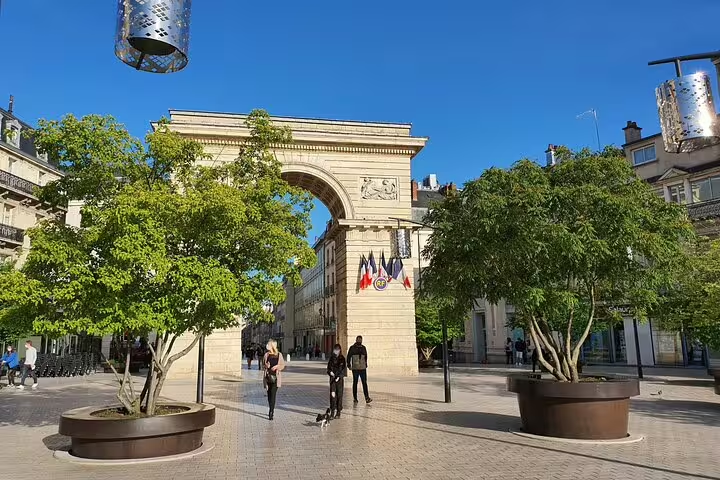
Why it matters, the historic center is where Dijon reveals its identity through architecture, storefronts, and the rhythm of daily life. You will notice how the city’s past still shapes its present, from civic buildings to intimate lanes that invite detours. Practical tip, start early for quieter photos and a smoother pace, then return later for a different atmosphere as cafes fill up.
2) Burgundy culture touchpoints, art, craft, and civic history
Why it matters, the city’s story is inseparable from Burgundy’s wider legacy, and the best visits connect objects and places to that bigger regional narrative. Look for experiences that help you understand how power, trade, and taste shaped the city over centuries. Practical tip, choose one or two focused cultural stops rather than trying to see everything, then connect them with a walking route.
3) Food-first exploration, markets, bakeries, and specialty shops
Why it matters, Dijon is a place where everyday eating can feel like sightseeing, because local identity often shows up on the plate. Sampling a few small bites across the day creates a stronger sense of place than a single long meal. Practical tip, build a progressive lunch, start with something savory, add a pastry, then finish with a local sweet, and keep dinner reserved for a sit-down experience.
4) Wine discovery, Burgundy by the glass
Why it matters, Burgundy wines are part of the region’s global reputation, and tasting locally adds context you cannot get from labels alone. A thoughtful tasting helps you understand style differences and why vineyards nearby matter to the city’s dining culture. Practical tip, ask for a small guided flight, and take notes on what you like so you can order confidently later.
5) Architectural details, facades, courtyards, and viewpoints
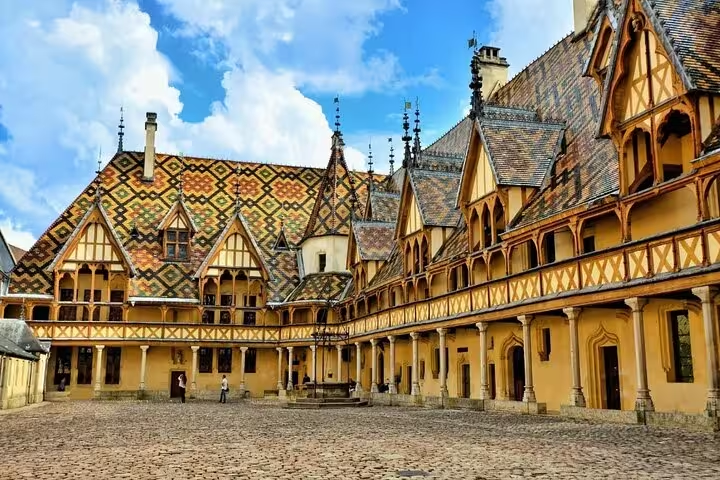
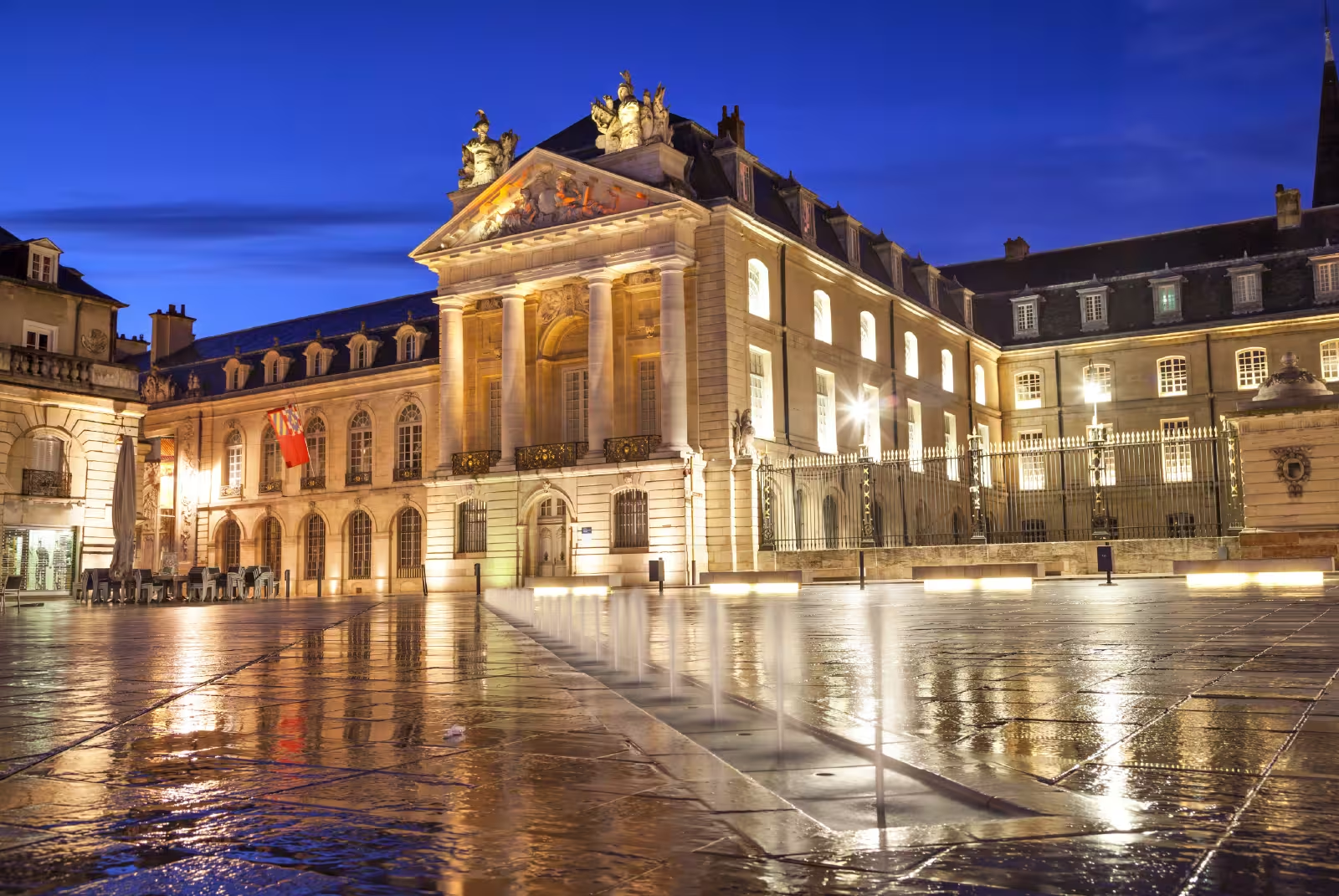
Why it matters, Dijon rewards travelers who look up and linger, because craftsmanship is often in the details rather than in a single headline monument. Doorways, rooflines, and hidden courtyards can be the most memorable visual moments. Practical tip, pause at intersections and scan for signage that hints at courtyards or passages, then step inside when access is permitted.
6) A slow afternoon in a cafe, the local pace
Why it matters, the city’s charm is not only in what you see but also in how you spend time. Sitting down for a drink or light snack gives you a front-row seat to the everyday scene. Practical tip, choose a terrace when weather allows, and treat it as a reset between walking loops.
7) Evening dining, Burgundy flavors at their best
Why it matters, dinner is where regional cooking often becomes more expressive, with sauces, slow cooking, and wine pairings. It is also when the city feels most atmospheric, with warm light and a more intimate energy. Practical tip, book ahead when possible, and aim for an earlier seating if you want a calmer room.
8) A scenic walk beyond the core, green edges and calmer streets
Why it matters, stepping just outside the busiest lanes can make Dijon feel surprisingly spacious. It is a good way to balance a packed itinerary and avoid travel fatigue. Practical tip, schedule this after lunch, when you want movement without another museum-style stop.
Start with a focused morning loop through the historic center, prioritizing the most visually striking streets and a key cultural stop that matches your interests. Break for a food-forward lunch, using bakeries and specialty shops for a tasting-style approach. Spend the afternoon with architectural wandering and a relaxed cafe stop, then finish with a Burgundy-leaning dinner and a short evening stroll for atmosphere.
Day one follows the highlights route, but with more time for courtyards, smaller museums, and unplanned detours. Day two is ideal for a wine-focused experience and a slower food day, with time to compare casual and refined dining. If you have a third day, use it for a nearby excursion into Burgundy, then return to Dijon for a final evening meal that ties the trip together.
Dijon mustard, sharp, aromatic, and built to cut through rich sauces and meats. Ordering tip, ask how it is used in house sauces rather than treating it only as a condiment.
Boeuf bourguignon, slow-cooked beef with deep, wine-led richness and a comforting texture. Ordering tip, look for it in traditional restaurants when you want a classic Burgundy anchor dish.
Coq au vin, tender chicken in a wine-based sauce with savory intensity. Ordering tip, ask what wine style is used in the kitchen if you are choosing a pairing.
Escargots de Bourgogne, garlicky, herb-forward, and indulgent, often served hot. Ordering tip, order early in the meal so you can enjoy them at peak temperature.
Gougères, airy cheese puffs that are crisp outside and soft inside. Ordering tip, pair them with a glass of Burgundy wine as an easy, local snack.
Pain d'épices, spiced honey bread that feels warm and fragrant, often enjoyed as a sweet bite or with cheese. Ordering tip, buy a small portion first, as flavors can be intense and vary by maker.
Dijon is well suited to walking, especially in the historic center where short distances and visual density make strolls efficient and enjoyable. For longer hops, use local public transport to save time and energy, particularly if you are combining central sightseeing with outer neighborhoods. As anywhere, keep valuables secure in busy areas, and choose comfortable shoes because the best moments often come from unplanned walking loops.
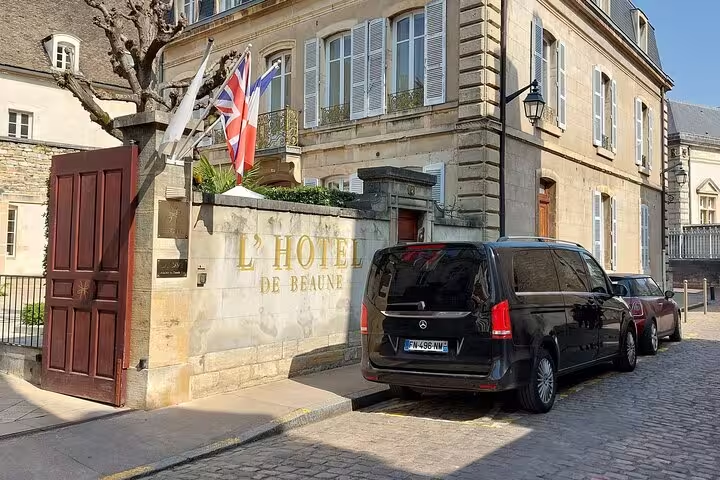
Beaune, an easy Burgundy classic known for wine culture and a charming center. Travel time varies by route, and it is a strong choice when you want a compact day with tastings and heritage.
Cote de Nuits villages, a vineyard-focused escape where the landscape and appellation names bring Burgundy to life. Travel time depends on the specific stop, and it is best for travelers who want to connect terroir to what they have been drinking.
Cote de Beaune area, another essential wine corridor with a slightly different profile and village feel. Travel time depends on your base and chosen village, and it suits a relaxed pace with scenic stops.
Nearby Burgundy countryside, ideal for a slower day that prioritizes landscapes, small towns, and a quieter rhythm. Travel time varies, and it is best approached with a flexible plan and a focus on one area rather than many.
Yes, it works very well for one to three days because the center is compact and sightseeing is naturally walkable. A short stay can still include food highlights and a Burgundy wine experience.
One day covers the core atmosphere and a few key stops, while two to three days allows time for deeper food and wine exploration. If you want a day trip into Burgundy, add an extra day.
Walking is the most enjoyable option in the historic center, because many highlights sit close together. Use public transport for longer distances if you are pairing central sightseeing with outer areas.
Choose warmer months for longer days and a livelier street scene, or shoulder seasons for a calmer pace. Cooler periods can still be rewarding if you focus on food culture and indoor visits.
Prioritize Burgundy classics like boeuf bourguignon, escargots de Bourgogne, and gougères, then add pain d'épices for something sweet. Dijon mustard is also essential, especially when used in sauces and regional cooking.