Cote-d'Or is a Burgundy destination defined by vineyard slopes, stone built towns, and a calm, craft driven pace that rewards travelers who like to taste, stroll, and linger. It is the kind of place where a morning market can shape your whole day, and where a short drive can shift the scenery from grand city streets to quiet rows of vines. Go now if you want a France experience that feels classic and grounded, with wine culture, heritage, and food at the center.
Cote-d'Or sits in the Bourgogne-Franche-Comte region of eastern France, with Dijon as the major urban hub and the Cote de Nuits and Cote de Beaune vineyard corridors stretching south. The department is well positioned for travelers linking Paris, Lyon, and the broader Burgundy wine route. For planning, think in terms of rail friendly hubs and short regional drives between towns, cellars, and countryside viewpoints.
Timing in Cote-d'Or is largely about balancing weather with the feel you want. Warmer months tend to support longer evenings outdoors and easier countryside wandering, while cooler periods suit museum time, cozy dining, and slower paced tastings. Shoulder season travel can be especially satisfying for visitors who prefer a quieter atmosphere and more flexible reservations, particularly in popular wine villages.
France uses the euro, and Cote-d'Or generally operates smoothly for card payments in cities and larger businesses. Keep some cash for small purchases such as market snacks, bakeries, and rural stops where contactless can be less reliable. If your plan includes tastings or special meals, build a buffer into your budget so you can say yes to a memorable bottle, a local specialty, or an extra course without stress.
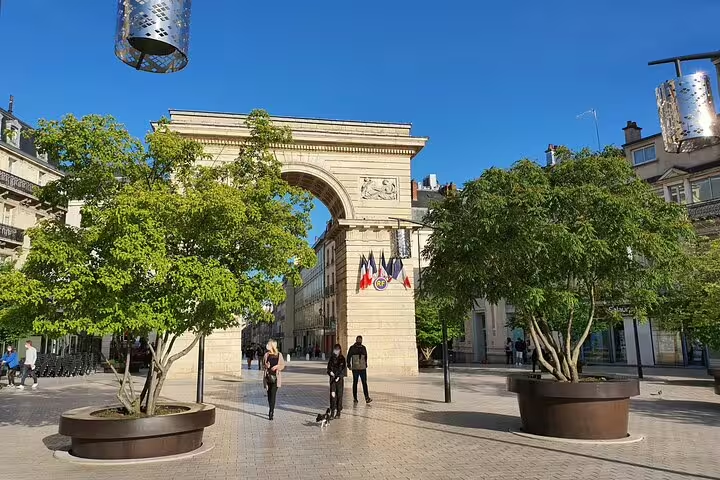
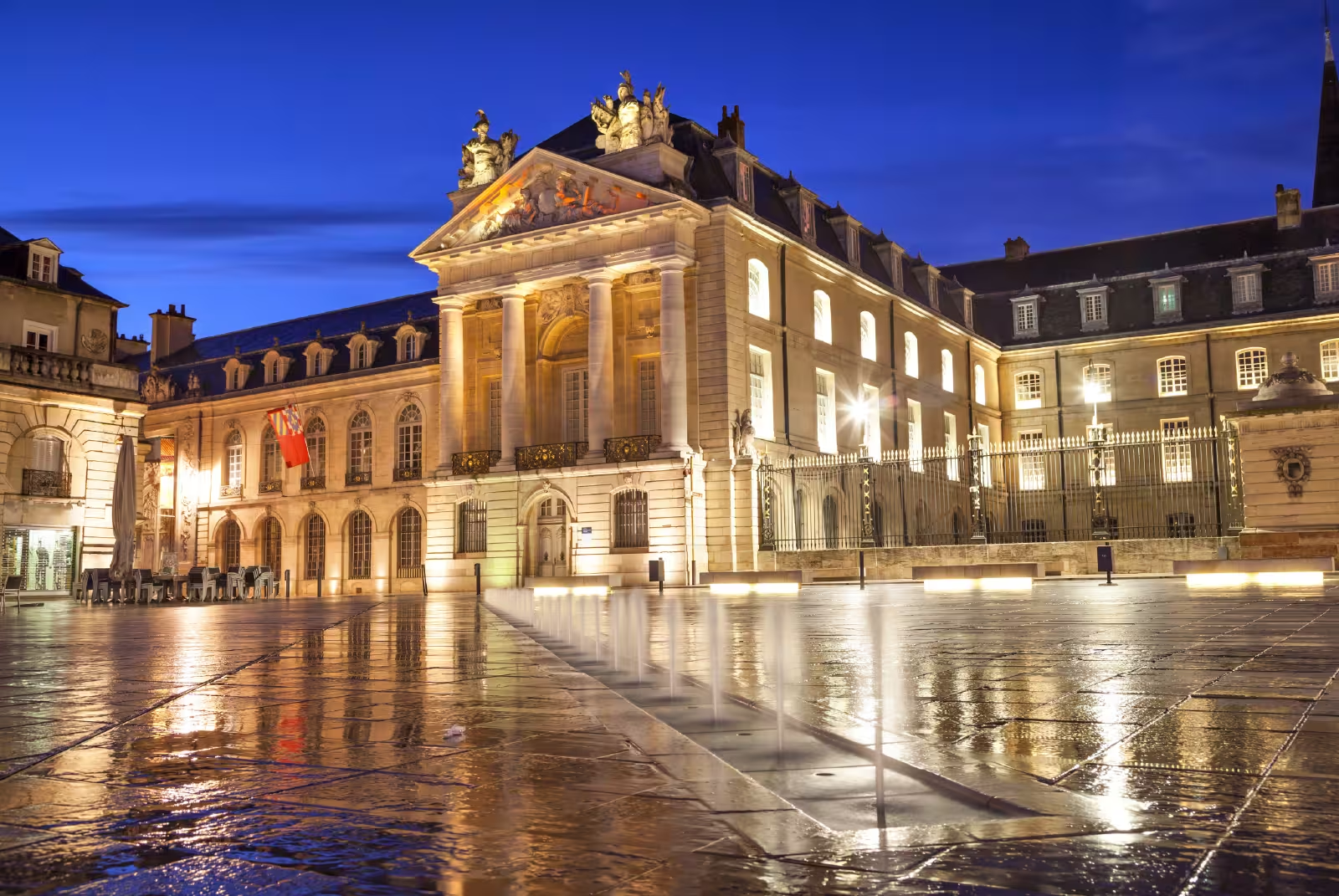
Dijon Old Town Walk
Why it matters: Dijon gives Cote-d'Or its cultural backbone, with a historic center that feels lived in rather than staged. Wandering on foot helps you notice architectural details, small squares, and the rhythm of local shopping streets. Practical tip: Start early to enjoy quieter lanes, then pause for a café break when the city picks up.
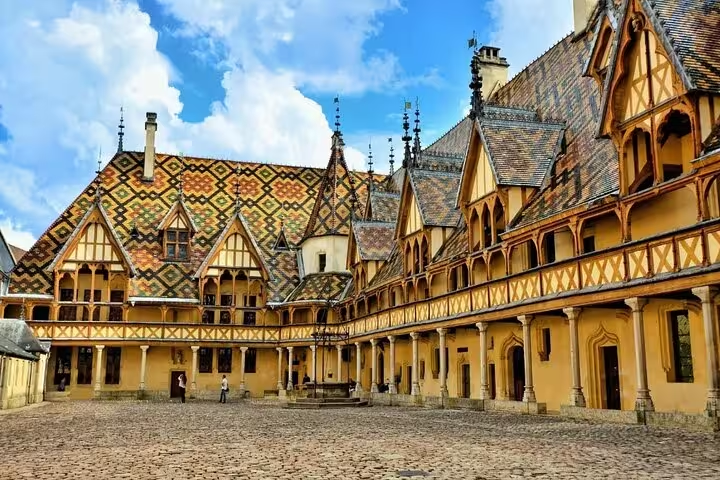
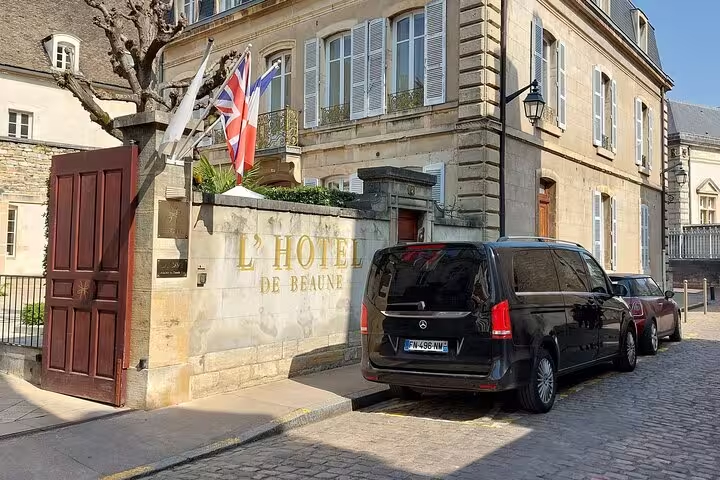
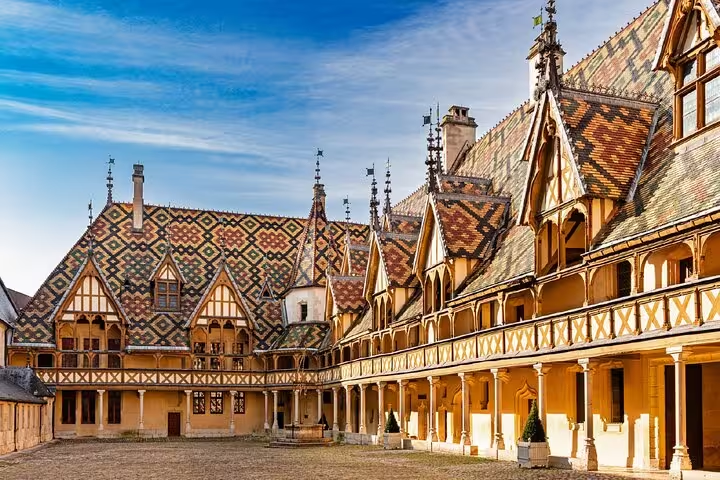
Explore Beaune and Its Wine Heritage
Why it matters: Beaune is a key reference point for Burgundy wine culture, and it anchors many long tail keywords searches like things to do in Cote-d'Or and best towns in Cote-d'Or. The town’s scale makes it easy to combine sightseeing with tastings and shopping for regional products. Practical tip: Plan a structured tasting, then leave time for unplanned browsing so the day does not feel rushed.
Drive the Burgundy Wine Route
Why it matters: The vineyard roads between villages are the signature landscape experience, connecting you to the idea of terroir that defines Burgundy. Even without deep wine knowledge, the patchwork of slopes and stone walls makes the region feel intimate and storied. Practical tip: Choose a short segment and commit to it, rather than trying to cover everything in one day.
Village Hopping in the Cote de Nuits
Why it matters: This stretch is closely associated with renowned red wine traditions and a sense of quiet prestige. It is ideal for travelers who want a scenic day with small stops that feel authentic. Practical tip: Keep your schedule light so you can adapt based on what is open and what catches your eye.
Village Hopping in the Cote de Beaune
Why it matters: South of Dijon, the mood shifts toward postcard villages and a broader mix of wine styles. For many travelers, this area is the easiest way to understand how varied Cote-d'Or can be within a short distance. Practical tip: Pair one tasting stop with one viewpoint stop so you get both flavor and landscape.
Local Markets and Food Shops
Why it matters: Markets are where regional identity becomes tangible, with seasonal produce, cheeses, baked goods, and pantry staples that define Burgundy cooking. Even a small purchase can become a picnic that feels more personal than a restaurant meal. Practical tip: Bring a reusable tote and plan to buy a few items for an impromptu lunch.
Canal and Countryside Strolls
Why it matters: Beyond wine, Cote-d'Or has a gentle outdoor side that suits slow travel. A flat walk along a canal or through rural lanes can reset your pace between tastings and city time. Practical tip: Pack a light layer and water, and aim for late afternoon when the light is softer for photos.
Wine Tasting with a Focus on Terroir
Why it matters: Burgundy is famous for nuance, and tastings here often emphasize place, vintage, and small differences between nearby plots. It is a rewarding experience for curious beginners and serious enthusiasts alike. Practical tip: Ask for a guided comparison of two wines from nearby areas, it helps you learn without feeling overwhelmed.
Start in Dijon for a focused old town walk, then build in time for a relaxed lunch featuring regional flavors. In the afternoon, head toward Beaune for a compact dose of wine town atmosphere and a structured tasting experience. End the day with a scenic drive past vineyards to catch the evening light, then return for dinner in a town center where you can walk back to your stay.
Day one, stay city centered in Dijon, combine heritage streets with a market stop and a dinner that highlights Burgundy classics. Day two, commit to the vineyard corridor, split the day between the Cote de Nuits and the Cote de Beaune, and keep tastings limited so you can absorb the landscape and village character. Day three, slow down with countryside walking, specialty food shopping, and a final tasting that focuses on what you discovered you like, whether that is crisp whites, structured reds, or something in between.
Boeuf Bourguignon
Taste profile: Deep, slow cooked richness with wine driven savoriness. Ordering tip: Ask what it is served with, the side can change the feel of the dish.
Coq au Vin
Taste profile: Comforting and aromatic, with a sauce that reflects the region’s wine culture. Ordering tip: If you want a lighter meal, consider sharing it with a salad or vegetable side.
Escargots de Bourgogne
Taste profile: Garlic, butter, and herbs, with a texture that is tender rather than chewy when well prepared. Ordering tip: Order with bread so you can enjoy the sauce properly.
Jambon Persille
Taste profile: Savory ham set with parsley, often served as a starter that feels both rustic and refined. Ordering tip: Pair it with something crisp to drink if you prefer contrast.
Epoisses
Taste profile: Bold, creamy, and aromatic, this is a cheese with a strong personality. Ordering tip: If you are unsure, ask for a small portion or a mixed cheese plate.
Burgundy Wines
Taste profile: Expect variety, from elegant reds to layered whites, often more about finesse than power. Ordering tip: If the list is long, tell the server what flavors you like, for example fruity, mineral, or oaky, and ask for a local match.
In the main towns, walking is often the simplest way to see historic streets, shops, and dining areas at a comfortable pace. For vineyard villages and countryside viewpoints, a car or pre planned transport is usually more practical, especially if you want to connect multiple stops in one day. If you are tasting wine, prioritize safety, pace yourself, and consider arranging a driver option or limiting tastings so you can travel responsibly.
Burgundy vineyard villages
Reason to visit: A change of scale from city streets to quiet lanes and vine covered slopes. Travel time: Short hops by road between villages are typical, and the flexibility is part of the appeal.
Rural countryside viewpoints
Reason to visit: Panoramic scenery that helps you understand the geography behind Burgundy wine. Travel time: Often a brief drive from Dijon or Beaune, depending on where you base yourself.
Canal side routes
Reason to visit: Gentle walking and cycling potential with a calmer, greener atmosphere. Travel time: Usually easy to reach from towns, especially if you plan a half day outdoors.
Food focused stops in smaller towns
Reason to visit: Specialty shops and regional products that make perfect gifts and picnic supplies. Travel time: Best reached by car if you want to combine several stops efficiently.
Base yourself in a major town such as Dijon or Beaune, then add one focused vineyard day. Keep your schedule flexible so you can linger when you find a village or tasting you love.
One day works for highlights, but two to three days gives you time for both city heritage and vineyard landscapes. Cote-d'Or rewards a slower pace, especially if you want tastings plus markets and walks.
A car is the most practical option for linking multiple villages and viewpoints in one day. If you prefer not to drive, focus on towns you can explore on foot and plan fewer countryside stops.
Bring comfortable walking shoes, a light layer for cooler evenings and cellar spaces, and a tote for market finds. If you plan to buy bottles, consider protective packaging for travel.
Yes, because the appeal is also about scenery, villages, and regional food culture. In Cote-d'Or, you can ask for beginner friendly tastings that focus on simple comparisons and local context.