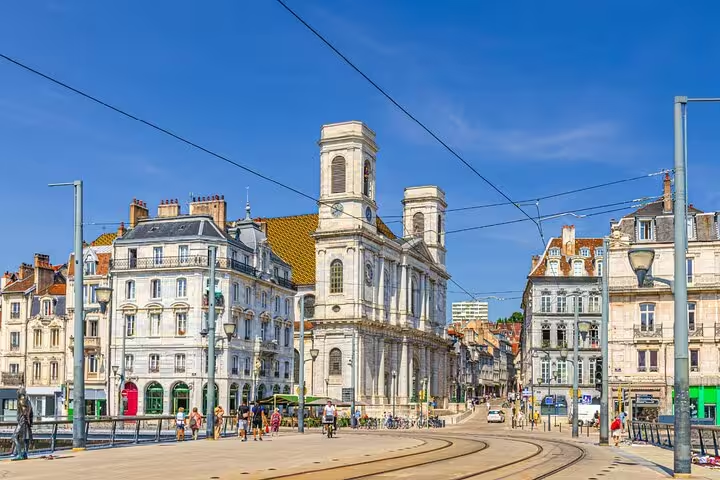
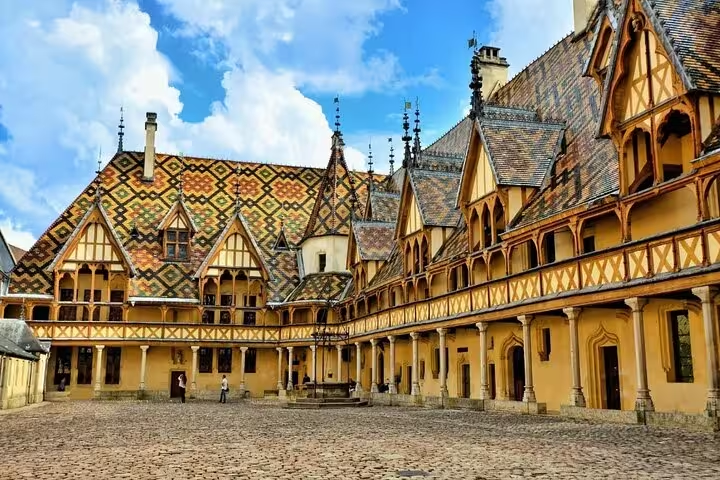
Bourgogne-Franche-Comte

    logoBlack

    Build your dream
    experience

    dreamimg

    More to know about Bourgogne-Franche-Comte


    Bourgogne-Franche-Comte Travel Guide

    Bourgogne-Franche-Comte is a region made for slow travel, where vineyard slopes, medieval stone towns, and forested hills set the pace. Come for the cellar doors and heritage streetscapes, stay for the markets, canals, and long lunches that turn into golden-hour strolls. It rewards travelers who like to compare villages, taste local specialties, and build a trip around scenery as much as sights.


    Snapshot

    Bourgogne-Franche-Comte blends two signatures into one trip, the polished wine culture of Burgundy and the wilder, mountain edged landscapes of Franche Comte. The vibe is grounded and sensory, think limestone villages, quiet waterways, and food that tastes like the countryside around it. Go now if you want a France that feels local and spacious, with routes that are easy to link into Paris, Lyon, or Switzerland.


    🗺️ Geography and Logistics

    📍 Orientation: Where is it within France and France?

    Bourgogne-Franche-Comte sits in eastern France, stretching from the Burgundy heartlands toward the Jura and the Swiss border. For many itineraries, the practical approach is to use major French rail hubs and nearby city gateways, then travel onward by regional trains or a rental car for villages and wineries. If your trip includes both wine country and mountain landscapes, plan a simple west to east route so you are not backtracking.

    🕒 When to Go: Seasonal breakdown

    Spring is a strong choice for fresh landscapes, comfortable walking weather, and a calmer feel before peak travel. Summer brings the longest days for vineyard roads and lakes, but it can also mean higher demand for popular stays and tastings. Autumn is prized for vineyard color and harvest atmosphere, while winter suits travelers who prefer museums, hearty regional cooking, and quieter towns.

    💰 Budget & Currency

    France uses the euro, and cards are widely accepted, though it is smart to keep some cash for markets, smaller bakeries, and rural stops. Costs vary by location and season, with wine villages and well known heritage centers often feeling pricier than countryside bases. A practical strategy is to book accommodation early for weekends, then balance splurges with picnic lunches sourced from local shops.


    ⭐ Essential Things to Do

    1) Follow the Burgundy wine route
    Wine is a living landscape here, and the appeal is seeing how villages, slopes, and stone walls shape what ends up in the glass. Even if you are not a collector, tastings help you understand why certain names carry weight. Practical tip, choose a handful of villages to focus on, then book tastings ahead if you are traveling on weekends.

    2) Explore Dijon’s historic core
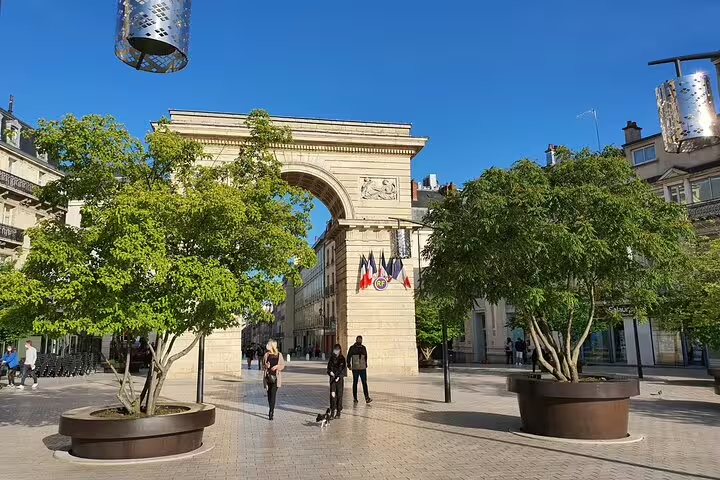
    Dijon offers an elegant city base with a walkable center, layered history, and a strong food culture. It is ideal for travelers who want museums and architecture between countryside days. Practical tip, start early to enjoy the streets before day trippers arrive, then use the afternoon for a long lunch and shopping for edible souvenirs.

    3) Wander Beaune and its wine culture
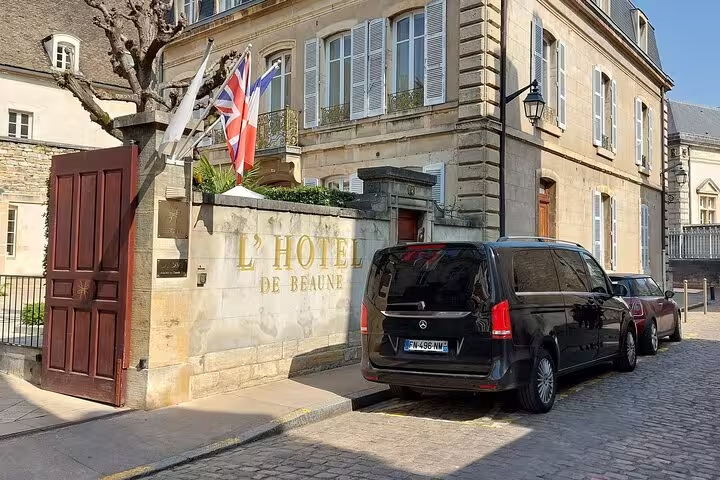
    Beaune is a natural hub for Burgundy wine tasting, with a compact old town and easy access to surrounding vineyards. It is the kind of place where a short walk can turn into an afternoon of cellars and small plates. Practical tip, stay overnight if you can, evenings feel calmer and more intimate than midday.

    4) Cruise or cycle along Burgundy canals
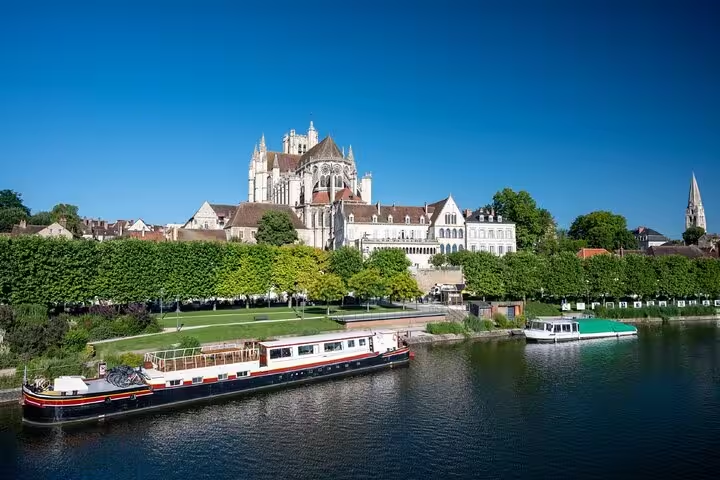
    Canals add a gentle rhythm to the region, with towpaths that suit relaxed cycling and waterside picnics. The scenery is classic and pastoral, and it is a great counterbalance to more structured wine appointments. Practical tip, pack a light layer for breezier stretches near water, and plan a one way ride with a return by train when possible.

    5) Visit medieval villages and hilltop viewpoints
    Stone villages and small fortified towns are part of the region’s charm, offering narrow lanes, quiet squares, and viewpoints over fields and vines. These stops are less about ticking off attractions and more about atmosphere and photography. Practical tip, aim for late afternoon when the light warms the stone and cafés feel most inviting.

    6) Discover the Jura landscapes
    Jura mountains day trips bring a different mood, forests, ridgelines, and a more alpine feel as you move east. It is a strong choice for hikers, nature lovers, and travelers who want cooler air in summer. Practical tip, keep your route flexible, weather can shift in higher areas, so have a lower altitude backup plan.

    7) Taste regional cheeses and cellar aged specialties
    Food in Bourgogne-Franche-Comte is rooted in craft, with cheeses and cured items that reflect local milk, caves, and aging traditions. Pairing tastings with a market visit helps you understand what locals actually buy for everyday meals. Practical tip, ask for vacuum packing if you are traveling onward, it makes transport easier.

    8) Spend time in Besançon for heritage and river views
    Besançon offers a distinctive setting shaped by a looping river and historic fortifications, giving you a city experience that feels different from the wine towns. It is a good mid trip reset if you want culture, cafés, and scenic walks. Practical tip, wear comfortable shoes, viewpoints and old streets often include slopes and uneven paving.


    🚶 Curated Itineraries

    ⏰ The Highlights (1 Day)

    Base yourself in Dijon or Beaune, then start with a morning walk through the historic center for architecture and a market style breakfast. Spend midday in a nearby wine village for a focused tasting, then take a scenic drive through vineyard roads for viewpoints and photo stops. End the day with a regional dinner, keep it simple and seasonal, then enjoy an evening stroll when the streets quiet down.

    ⏰ Deep Dive (2-3 Days)

    Day 1, choose Dijon as a culture and food anchor, and plan a relaxed afternoon exploring shops and local specialties. Day 2, dedicate the day to a Burgundy wine route itinerary, with two pre booked tastings and time between them for village wandering and lunch. Day 3, shift east toward the Jura side for lakes, forests, or a scenic ridge drive, then return via a canal town or a countryside stop for a picnic.


    🍽️ Flavors of Bourgogne-Franche-Comte

    Boeuf bourguignon is slow cooked and deeply savory, built for cooler evenings and long meals. Ordering tip, look for it as a house specialty in traditional restaurants, portions can be generous so consider sharing starters.

    Coq au vin leans rich and wine scented, often paired with simple sides that soak up the sauce. Ordering tip, ask what wine is used in the preparation if you are curious, it is a good conversation starter with staff.

    Escargots de Bourgogne are buttery and garlicky, usually served hot with parsley. Ordering tip, order them early so they arrive at peak temperature, and pair with a crisp local white if available.

    Comté offers nutty, complex flavors that change with age, from milder to more crystalline and intense. Ordering tip, ask for a few ages to compare, it is one of the easiest tastings you can do without a formal tour.

    Morbier is creamy and aromatic, with a distinctive line through the middle and a gentle funk that cheese lovers appreciate. Ordering tip, buy a small wedge at a market and pair it with bread and fruit for a simple travel lunch.

    Vin jaune from the Jura is distinctive and oxidative, often described as bold, nutty, and unlike standard whites. Ordering tip, try it by the glass first if offered, it is memorable and not everyone’s everyday style.

    Kir is a classic aperitif associated with Burgundy, bright and sweet with a gentle kick. Ordering tip, it is a good pre dinner choice if you want something local without committing to a full wine tasting.


    🚌 Navigation & Transport

    Cities like Dijon and Besançon are well suited to walking, especially in historic centers where streets are compact and scenic. For vineyard villages, canals, and rural viewpoints, a rental car gives the most flexibility, while regional trains can connect major towns for a car free core itinerary. If you plan tastings, designate a driver or space tastings out, and consider staying overnight in a wine hub to reduce transit stress.

    Accessibility varies, older streets can mean cobblestones, narrow sidewalks, and occasional steps. For a smoother experience, choose accommodation close to the center, confirm elevator access when needed, and plan breaks in cafés to pace longer walking days.


    🌄 Beyond the Center: Day Trips

    Beaune, around 30 to 60 minutes from Dijon depending on route, is ideal for an easy wine focused day with an attractive old town and cellar culture.

    Vineyard villages along the Côte d’Or, often reachable in under an hour from Dijon or Beaune, deliver the iconic Burgundy scenery of stone walls, slopes, and small domaines.

    Jura landscapes, typically 1 to 2 hours from central Burgundy bases depending on your target area, are best for lakes, forests, and a more alpine atmosphere.

    Besançon, roughly 1 to 2 hours from Dijon by common routes, offers a heritage city break with strong views and a different regional identity.

    Canal towns and towpaths, commonly 30 to 90 minutes from major bases depending on which canal section you choose, are perfect for cycling, boating ambience, and picnics.


    ✅ Insider Tips for Travelers

    • Book tastings in advance on weekends, especially if your trip centers on Burgundy wine tasting.
    • Build your days around two anchors only, one main visit and one flexible wander, the region shines when you leave space.
    • Carry a small amount of cash for markets and rural stops, even if you mostly use cards.
    • Pack a light layer year round, evenings can feel cooler near canals and in higher Jura areas.
    • Choose one base in the west and one in the east if you want both wine country and mountains, it reduces transit time.
    • For photos, aim for early morning in towns and late afternoon in vineyards, light and crowds are both better.

    ❓ Frequently Asked Questions, FAQ

    What is the best way to plan a first trip?
    Choose one main base like Dijon or Beaune, then add short loops to nearby villages and viewpoints. Keep your schedule light so you can linger at markets, cafés, and scenic stops.

    Do I need a car to visit vineyards and small towns?
    A car is the most flexible option for rural areas, especially if you want spontaneous village stops. You can still do a town focused trip by train and walking, then add one guided or pre planned day for vineyards.

    When is the best season for Bourgogne-Franche-Comte?
    Spring and autumn are popular for comfortable weather and beautiful landscapes. Summer offers long days but can require earlier booking for the most in demand stays.

    How many days should I spend in Bourgogne-Franche-Comte?
    Two to three days lets you mix a city base with wine country and a canal or countryside day. Add extra time if you want to include the Jura side for nature focused exploring.

    What local foods should I prioritize if I have limited time?
    Pick one classic Burgundy dish like boeuf bourguignon, then add a cheese tasting with Comté or Morbier. If you are curious about Jura flavors, try vin jaune by the glass first.

    This guide to Bourgogne-Franche-Comte was created by Toursxplorer.com to help travelers compare routes, plan logistics, and choose experiences across Burgundy and Franche Comte. It focuses on practical trip structure, regional flavors, and decision support for short breaks or multi day itineraries.
    Bourgogne-Franche-Comte destination guide, France regional travel planning, Burgundy and Jura itinerary ideas, wine culture and local cuisine, transport and day trip planning