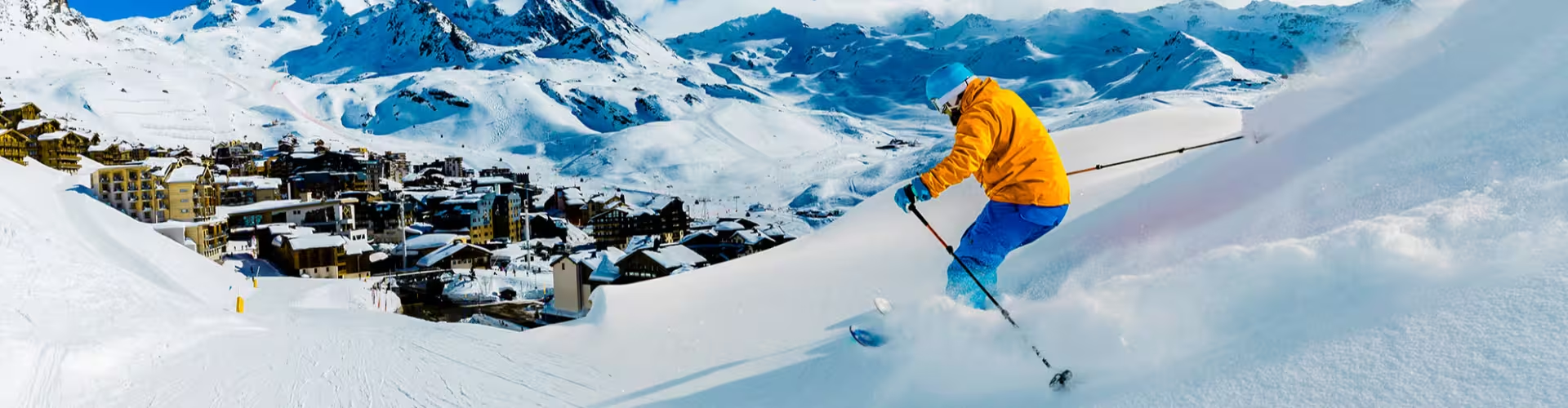
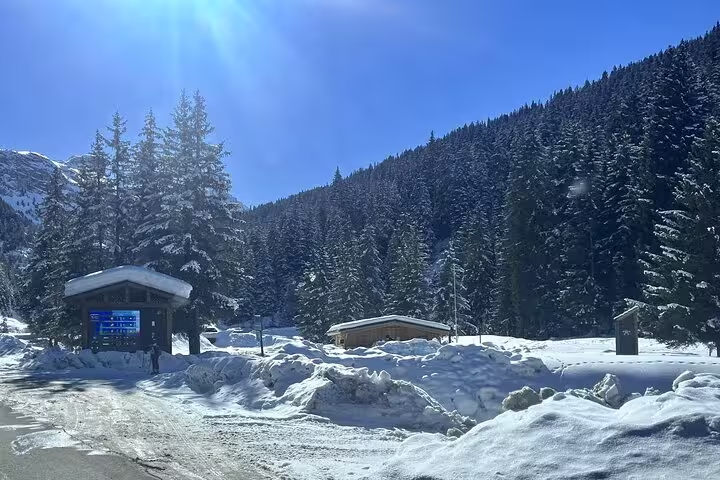
Courchevel is a high altitude alpine resort in the French Alps, best known for polished ski villages, access to vast slopes, and a strong focus on comfort and scenery. If you are comparing winter breaks or planning a summer mountain escape, Travel guide to Courchevel helps you map out the right village, season, and activities for your pace.
Courchevel sits in Savoie in the Auvergne Rhône Alpes region of France, within the Tarentaise Valley and the Les Trois Vallées ski area. Common gateways are Geneva Airport, Lyon Airport, and Chambéry, then onward by train to Moûtiers followed by a road transfer up to the resort.
For snow sports, aim for mid winter through early spring when conditions are typically most reliable, with the busiest weeks often aligning with school holidays. For hiking and views, summer brings open trails and lift assisted access to higher terrain, while shoulder seasons can be quieter but more weather dependent.
Courchevel is one of the pricier bases in the Alps, especially in peak winter, so booking accommodation and transfers early can help. Cards are widely accepted, but keep a little cash for small purchases, and compare multi day lift products if you plan to ski most days.
Courchevel ski resort is built around multiple villages, lifts, and viewpoints, so the best plan is to match experiences to your base and season. Use this list as a practical checklist when building your Travel guide to Courchevel itinerary.
If your goal is a clear, planable list of Best things to do in Courchevel, treat the villages as distinct zones and group activities by where you will be that day.
Morning, start with a half day on the slopes or a scenic lift ride, depending on season and confidence. Midday, pause for a relaxed lunch near your base village, then take an easy afternoon loop that ends close to your preferred village for dinner. Evening, choose a short stroll through Courchevel 1850 for atmosphere before turning in early for the next day.
Day one, focus on your home village and nearby runs or trails to get oriented, then add a viewpoint stop for photos. Day two, expand outward, for winter this can mean a longer linked ski route, and for summer it can mean a longer hike with lift assisted elevation. Build in a buffer for weather and energy, since conditions can change quickly in the mountains.
Day one, settle into the resort rhythm and cover local highlights close to your accommodation. Day two, plan a bigger objective, such as a full linked ski day or a longer ridge style hike, and keep the evening low key. Day three, explore a different village such as Le Praz for contrast, then finish with a scenic, unhurried meal that lets you reflect on the trip.
For travelers comparing options, Travel guide to Courchevel works best when you decide upfront whether your trip priority is mileage on skis, village atmosphere, or a balanced mix.
Courchevel is spread across several villages at different elevations, so your day to day logistics depend on where you sleep. In winter, lifts and resort transport are central to moving between zones, while taxis and pre booked transfers help with door to door travel, especially with luggage. For safety, plan extra time for mountain roads in snowy conditions, and for accessibility, confirm in advance whether your accommodation and chosen activities have step free access, as this varies widely by property and terrain.
To keep your plans realistic, choose day trips that align with weather and daylight, then keep a backup option that stays closer to your base.
For trip planning clarity, Travel guide to Courchevel is most useful when you lock in your base village first, then structure days around nearby lifts, trails, and meal stops.
Two to three days is a practical starting point to sample different villages and fit in a mix of mountain time and relaxed evenings. A longer stay helps if your priority is covering more of the linked ski area or adding rest days for weather flexibility.
Pick based on the atmosphere you want and how you plan to spend most days, since elevation and village layout affect convenience. For example, some travelers prioritize the polish of 1850, while others prefer the contrast of Le Praz or the energy of Moriond.
It applies to both, because Courchevel’s villages, transport, and planning logic matter year round. Winter focuses more on ski logistics, while summer is better for Summer hiking in Courchevel and scenic lift assisted viewpoints.
Mountain weather can change quickly, so it helps to keep at least one flexible day and a backup plan close to your base. For winter, leave extra buffer for road conditions, and for summer, start hikes earlier to reduce risk from afternoon shifts.
French is the main language in the area, and English is commonly used in many resort facing services, especially in peak seasons. If you rely on accessibility features or specific assistance, confirm details in advance since facilities vary by property and terrain.